I Finally Found the Best Home Weight Equipment (And It Isn't a Rack)
I remember the night I hit a 315-pound deadlift and heard a sickening crack. It wasn't my spine—it was the concrete floor of my garage. I’d spent months scouring Craigslist for the best home weight equipment, buying whatever mismatched iron plates I could find for fifty cents a pound. I had a Frankenstein gym: three different brands of plates, a bar with no knurling, and zero floor protection. It was a mess, and it was holding my progress hostage.
- System compatibility is more important than a low price tag.
- Adjustable dumbbells save massive floor space without sacrificing heavy loads.
- Floor protection isn't optional; it's a structural necessity.
- Real quality is found in weight accuracy and knurling, not flashy branding.
The Trap of Buying Random Dumbbells on Sale
We’ve all been there. You see a pair of 25-pound hex dumbbells on sale and think it’s a win. Then you need 30s. Then 35s. Before you know it, your floor is a graveyard of mismatched rubber and cast iron. When people ask what is best equipment for home gym setups, they usually expect a list of machines. In reality, the best setup is a cohesive system.
Buying piecemeal makes progressive overload a nightmare. If your 35s are actually 33 pounds and your 40s are 42, your programming is a lie. You want a system where the increments are tight and the handles feel the same every time you grip them. Consistency in your equipment translates to consistency in your lifts.
How to Identify Iron That Actually Scales With You
You need gear that grows as you get stronger. For most of us, that means choosing between a full rack of fixed dumbbells or a high-end adjustable set. I used to be a purist, insisting that fixed iron was the only way to go. I was wrong. Unless you have a 2,000-square-foot commercial space, a solid set of adjustables that goes up to 80 or 90 pounds is the smarter play.
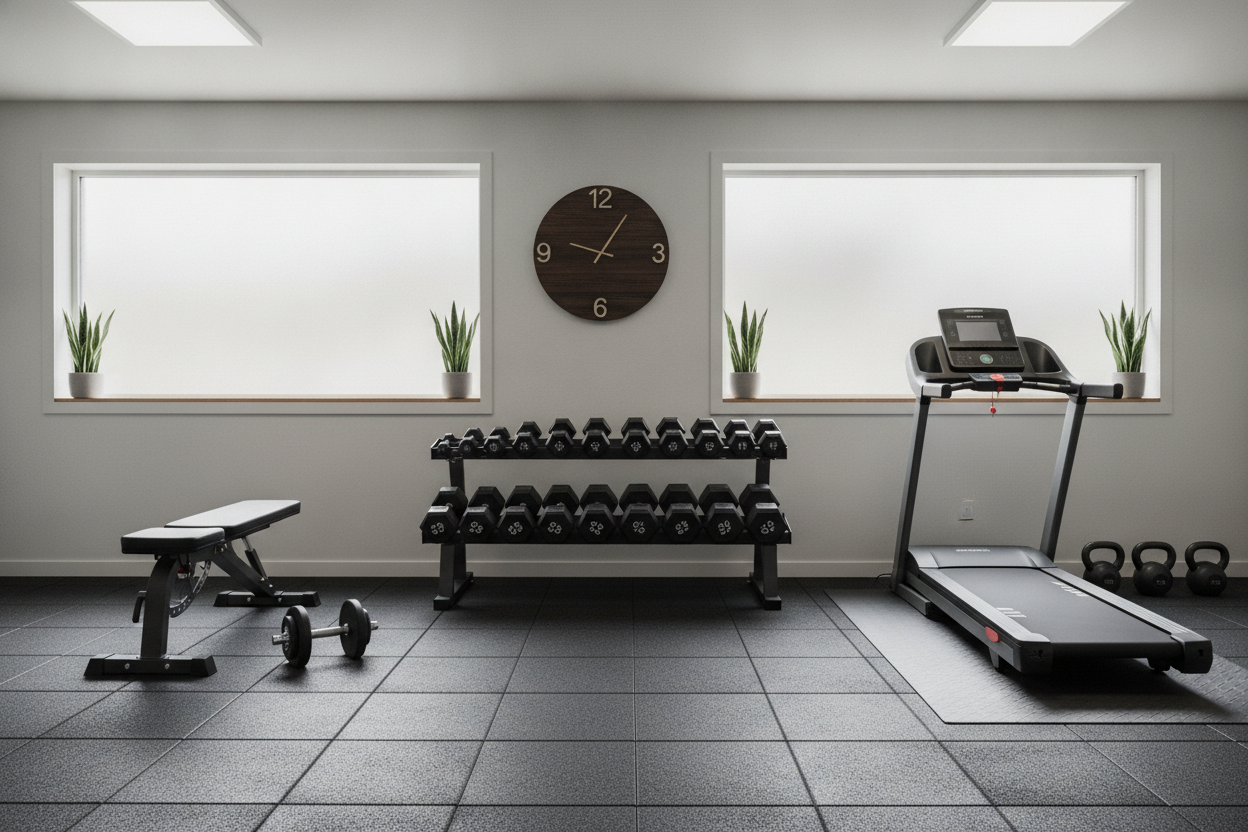
You have to ask yourself if traditional free weight exercise equipment is worth the massive footprint it occupies. If you're tripping over a 10-tier rack just to get to your bench, you're going to stop training. I switched to a heavy-duty adjustable system two years ago, and I’ve never missed the clutter. Just make sure the mechanism is steel, not plastic. Plastic breaks when you drop a heavy set of chest presses.
Don't Let Heavy Iron Destroy Your Foundation
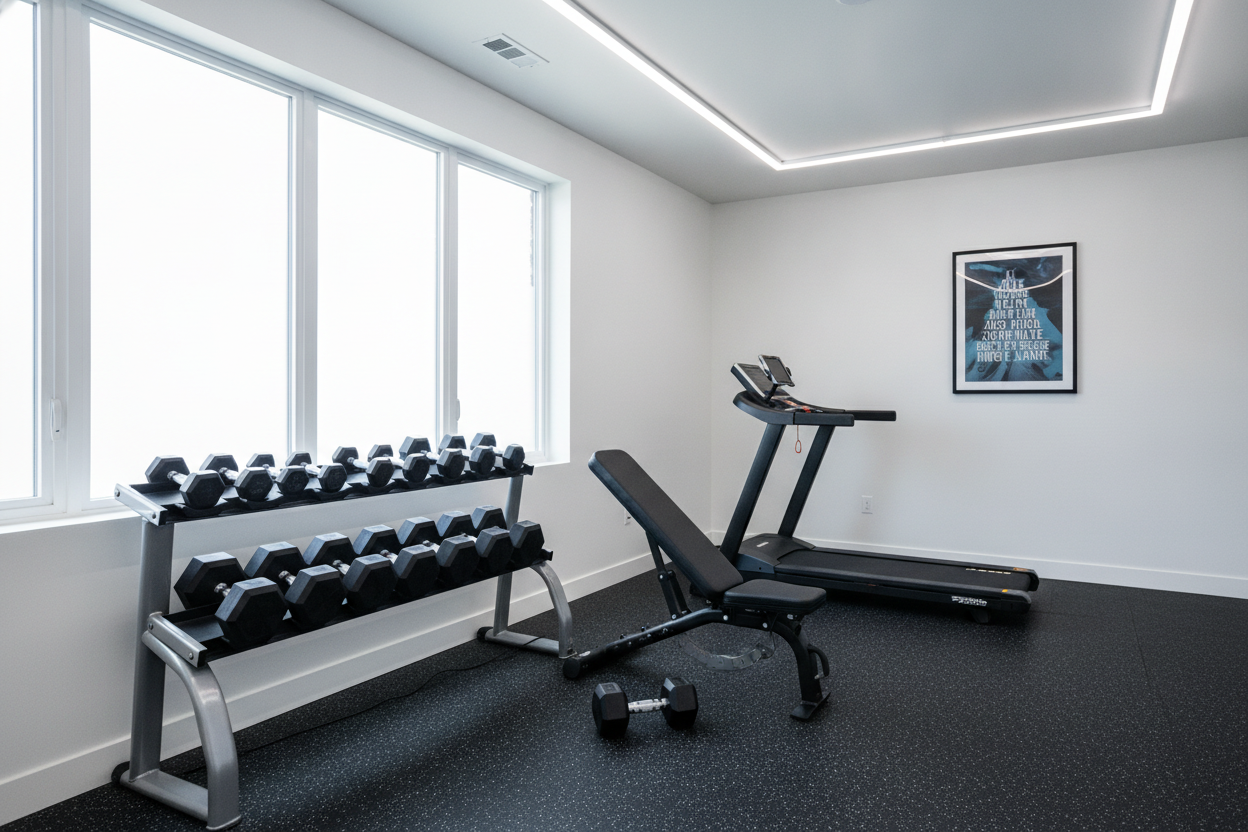
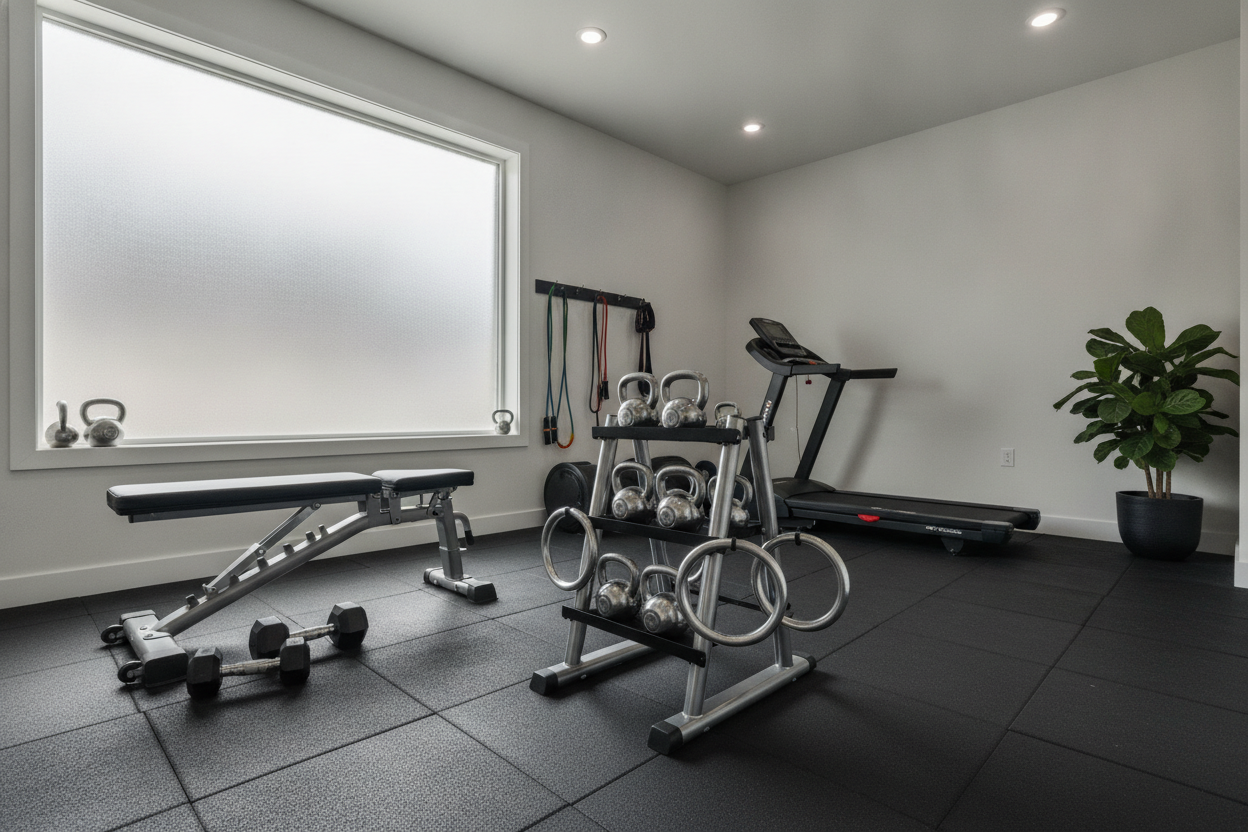
I learned the hard way that garage concrete is more fragile than it looks. Dropping a 50-pound dumbbell from waist height can create a spiderweb crack that costs thousands to fix. If you're lifting heavy, you need a dedicated landing zone. I eventually wised up and threw down a heavy-duty 6x8ft exercise mat. It’s dense enough to absorb the shock of a dropped kettlebell and keeps the weights from sliding around during Bulgarian split squats.
Ignoring the Hype to Find Real Quality
Marketing teams love to throw around phrases like 'commercial grade' and 'military spec.' Ignore them. To find the highest rated home exercise equipment, look at the specs that matter: weight tolerance and knurling depth. A cheap barbell might have a 10% weight variance, meaning your '45-pound' plate could be 40 or 50. That’s unacceptable for serious training.
Look for plates with a 2% tolerance or better. When it comes to bars and dumbbells, feel the knurling. If it feels like smooth plastic, your grip will fail before your legs do. If it feels like a cheese grater, it's probably perfect. You can often find the best gear by watching home gym equipment deals during the off-season, typically late summer when everyone is outside instead of in their garage.
The Final Verdict on Your Starting Lineup
My biggest mistake was thinking I needed everything at once. I bought a cheap cable machine that I used twice before the pulley snapped. If I could start over, I’d buy one high-quality barbell, 300 pounds of accurate plates, and a pair of heavy adjustable dumbbells. That is what the best home fitness equipment looks like—simple, indestructible, and scalable.
Stop looking for the flashiest new gadget. Focus on the iron. Buy a system that allows you to add five pounds a week for the next three years without running out of room or breaking your floor. Your future self will thank you when you're pulling four plates on a floor that isn't cracked to pieces.
FAQ
Is cast iron better than rubber-coated weights?
Cast iron is thinner, allowing you to fit more weight on the bar, but it's loud and can rust. Rubber-coated or urethane weights are quieter and easier on your floors, but they take up more space and can sometimes have a 'gym smell' for the first few weeks.
How much floor space do I actually need?
For a basic weight setup, a 6x8 foot area is the 'sweet spot.' It gives you enough room to move around a standard Olympic bar without hitting walls, while still being compact enough for a single car garage stall.
Should I buy a 15lb or 20kg barbell?
If you're training for powerlifting or general strength, stick with a standard 20kg (44lb) Olympic bar. It’s the gold standard. Only drop down to lighter bars if you are specifically training for technique or have mobility issues that make the standard bar unsafe.