I Ditched Push-Pull: Can you workout back and chest same day?
I remember the day I realized my standard push-pull-legs split was getting stale. I was staring at my power rack, realizing I had spent forty minutes on bench variations but hadn't even looked at my pull-up bar. The standard split works, but it can feel like you are ignoring half your torso for days at a time. I started wondering, can you workout back and chest same day, or was I just asking for a one-way ticket to Snap City?
It turns out, Arnold and the old-school Golden Era guys were onto something. Training the two biggest muscle groups in your upper body simultaneously isn't just possible—it is efficient. If you are training in a garage with limited time, this might be the best way to maximize your output without living in your gym.
- Antagonist training (chest and back) allows one muscle to rest while the other works.
- It saves massive amounts of time by using supersets on the same equipment.
- Fatigue management is the biggest hurdle; you can't go 100% on everything.
- A basic rack and bench setup is all you need for this high-intensity split.
The Big Question: Is it ok to train chest and back together?
The short answer is yes. People worry about overtraining, but your chest and back are antagonist muscle groups. When you are pushing a heavy barbell off your chest, your lats and rhomboids are largely stable, not the primary movers. They aren't getting fried in the same way your triceps do during a press.
Is a Chest and Back Workout on Same Day Actually a Good Idea? For most natural lifters, the answer is a resounding yes because it forces a balance in your physique. You can't skip back day if back day is also chest day. It tests your work capacity and gets your heart rate higher than a standard bodybuilding split ever will.
Why Antagonist Supersets Are a Home Gym Cheat Code
In a commercial gym, trying to hog a bench and a cable row station at the same time makes you the most hated person in the building. In your own garage? It is a literal cheat code. You can finish a set of flat bench and immediately roll into a bent-over barbell row using the exact same bar and weight.
This 'A/B' pairing cuts your workout time by a third. You aren't sitting on your phone for three minutes between sets. You are working the opposing side, which actually helps maintain joint health and keeps your shoulders from rounding forward—a common issue for those of us who love the bench press a little too much.
The Fatigue Trap: Should I train chest and back together?
The danger here isn't muscle failure; it is central nervous system (CNS) burnout. If you try to max out your deadlift and your 1-rep max bench in the same hour, you are going to have a bad time. You have to be smart about how you sequence these movements to avoid gassing out before the 'pump' work even starts.
Don't let your upper body and back workout devolve into just another chest day with a few sets of lat pulldowns at the end. I recommend alternating which group you lead with every week. If you hit heavy inclines first this Monday, start with heavy weighted pull-ups next Monday. This ensures one group isn't always getting the 'leftover' energy.
Programming a Chest and back same day bodybuilding Routine
If you are asking should i train chest and back together, you need a plan that doesn't leave you crawling out of your gym. The key is matching planes of motion. Pair horizontal pushes with horizontal pulls, and vertical pushes with vertical pulls. This keeps the stimulus balanced and the joints happy.
Can I train back and chest together? Try this sample 4-exercise framework:
- Pair 1: Flat Barbell Bench Press paired with Pendlay Rows (4 sets of 6-8 reps)
- Pair 2: Incline Dumbbell Press paired with Weighted Pull-Ups (3 sets of 10-12 reps)
- Pair 3: Chest Dips paired with Seated Cable Rows or Face Pulls (3 sets of 12-15 reps)
- Pair 4: Push-ups to failure paired with Dumbbell Pullovers (2 sets for the stretch)
What About a Chest/back shoulder workout same day?
I have tried adding heavy overhead presses to this routine, and it is usually a mistake. By the time you finish heavy benching and rowing, your front delts are cooked. Tacking on a chest/back shoulder workout same day often leads to sloppy form and shoulder impingement. Keep the shoulder work to lateral raises or rear delt flies and save the heavy presses for a dedicated day.
The Bare-Bones Setup You Need to Pull This Off
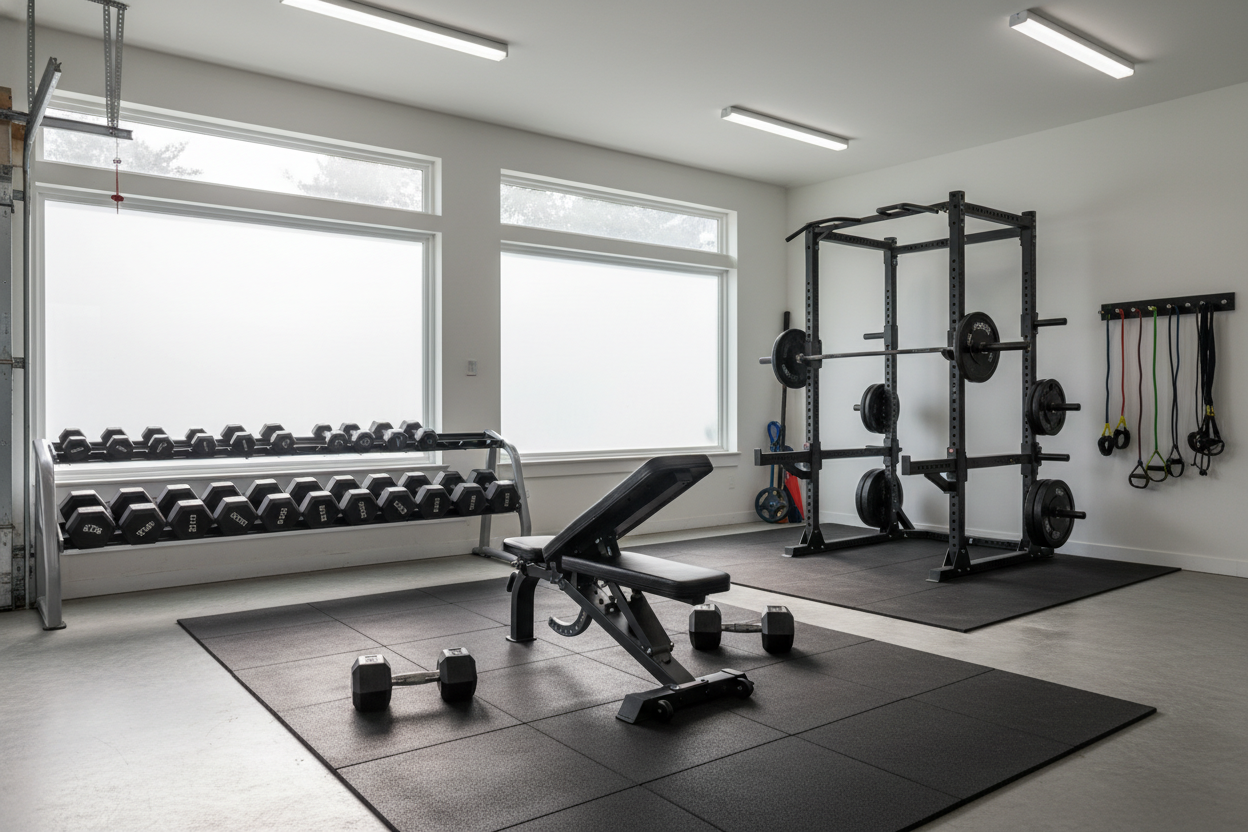
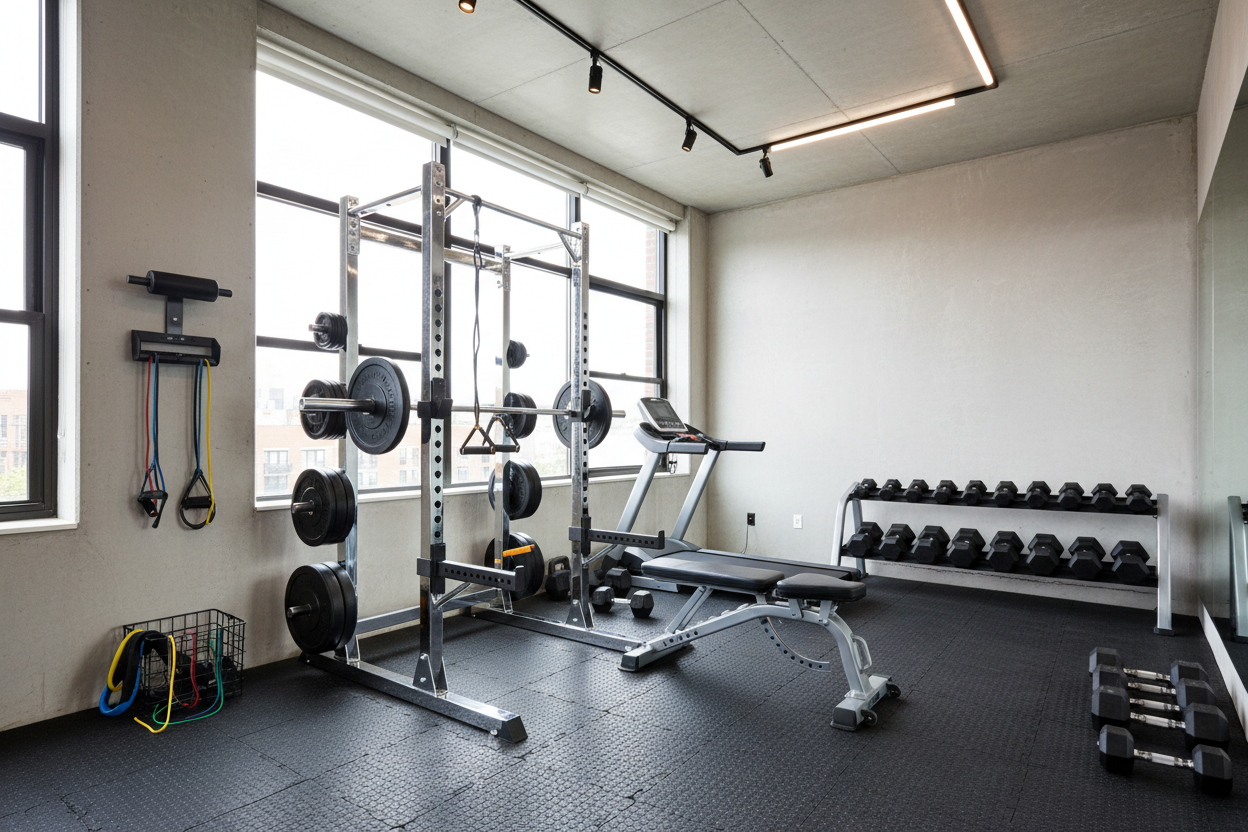
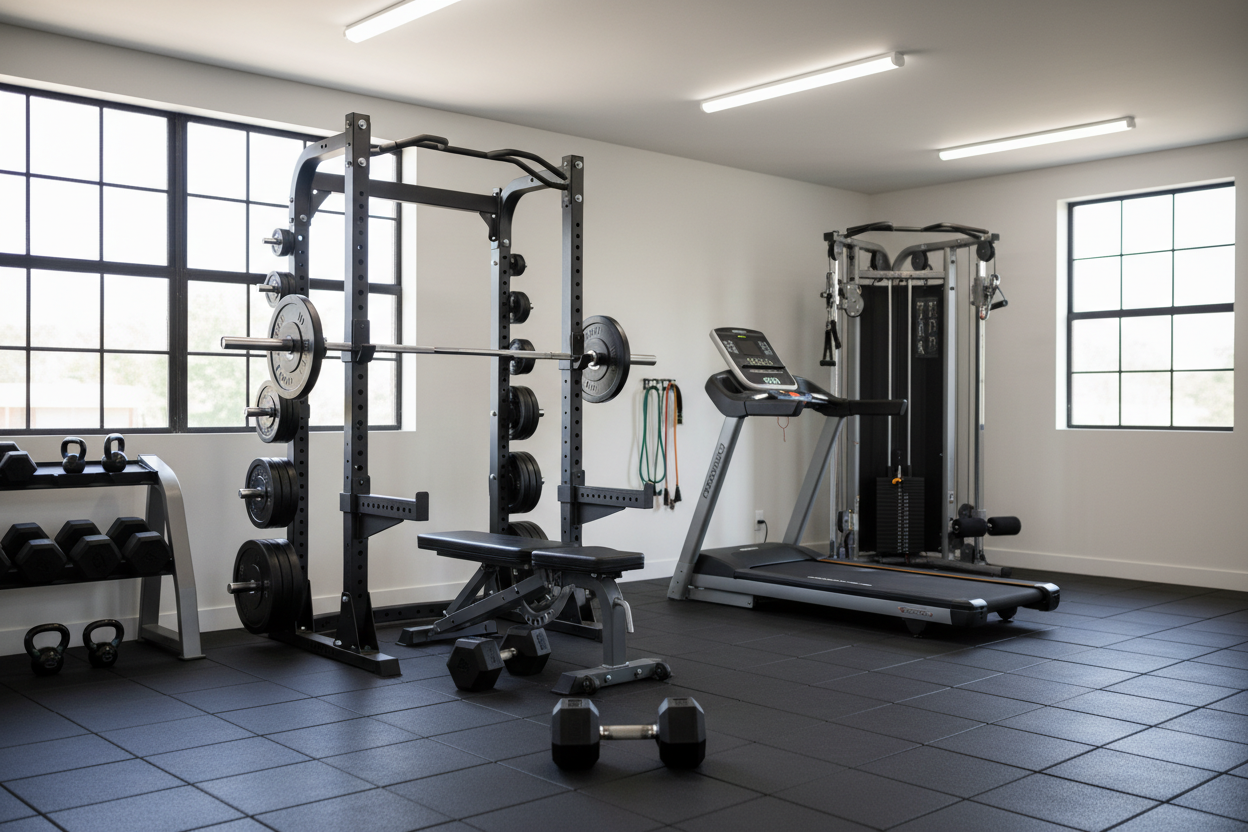
You don't need a $5,000 functional trainer to do this. I have done my best chest and back sessions with nothing but a power rack and a barbell. If you have a solid weight set and bench, you have 90% of what you need. The beauty of this split is its simplicity.
Focus on the big compound movements. A heavy row and a heavy press are the bread and butter. If you have a pull-up bar attached to your rack, you are golden. Don't overcomplicate it with fancy machines; the barbell is your best friend for building a thick, wide torso.
My Personal Experience
I once tried to run a high-volume chest and back day after a night of poor sleep and too much coffee. I hit a PR on the bench, but when I got to the heavy rows, my lower back was so fatigued from stabilizing the bench press that I tweaked a muscle. The lesson? This split demands respect. If you are feeling beat up, drop the weight and focus on the contraction. It is a marathon, not a sprint.
FAQ
Is it better to train chest and back together or separate?
It depends on your recovery. Training them together allows for higher frequency (hitting them twice a week). If you are a powerlifter focusing on a single big lift per day, separate might be better.
How many exercises should I do for chest and back on the same day?
Stick to 3-4 exercises for each. Since you are pairing them, that is 6-8 total movements. Any more than that and you are likely just performing junk volume with diminishing returns.
Can I do this split as a beginner?
Yes, but keep the volume low. Start with two pairs of exercises. As your work capacity improves, you can add a third or fourth pair to increase the intensity.