I Cut My Routine to This Simple List of Strengthening Exercise
I remember staring at a 20-page PDF from a 'pro' influencer, wondering why I needed four different angles of cable flyes. My garage gym was a mess of cheap attachments, and my joints felt like they had been through a woodchipper. I finally realized that a massive list of strengthening exercise is usually just a distraction from the fact that you are not training hard enough on the basics.
- Focus on SFR: Only keep movements with a high stimulus-to-fatigue ratio.
- Equipment Minimalism: You only need a few heavy-duty pieces to get elite results.
- Floor Protection: Heavy pulls require a dedicated buffer between your iron and your slab.
- Frequency Matters: Doing the right things three times a week beats doing the wrong things six times.
Why Most Workout Menus Are Absolute Garbage
Fitness magazines and Instagram 'gurus' have spent decades brainwashing us into thinking we need 'muscle confusion.' They sell the idea that if you do not hit your biceps from 40 different angles, they will simply stop growing. It is total nonsense. Most people are doing way too much junk volume—sets that make you tired but do not actually force your muscles to grow.
I spent years doing five different types of lateral raises and three variations of the leg extension. All I got was tendonitis and a mediocre physique. When you look at a typical strength training exercises list, it is usually bloated with fluff designed to make you feel busy rather than make you strong. Real strength is built by getting exceptionally good at a handful of brutal, high-yield movements.
The Stimulus-to-Fatigue Rule for Any Strength Exercise List
The secret to a sustainable home routine is the Stimulus-to-Fatigue Ratio (SFR). If an exercise leaves your lower back screaming for three days but your quads barely felt a pump, it gets cut. We want movements that hammer the target muscle while leaving your joints and nervous system intact for the next session. This is why I stopped doing high-rep back squats and switched to heavy split squats.
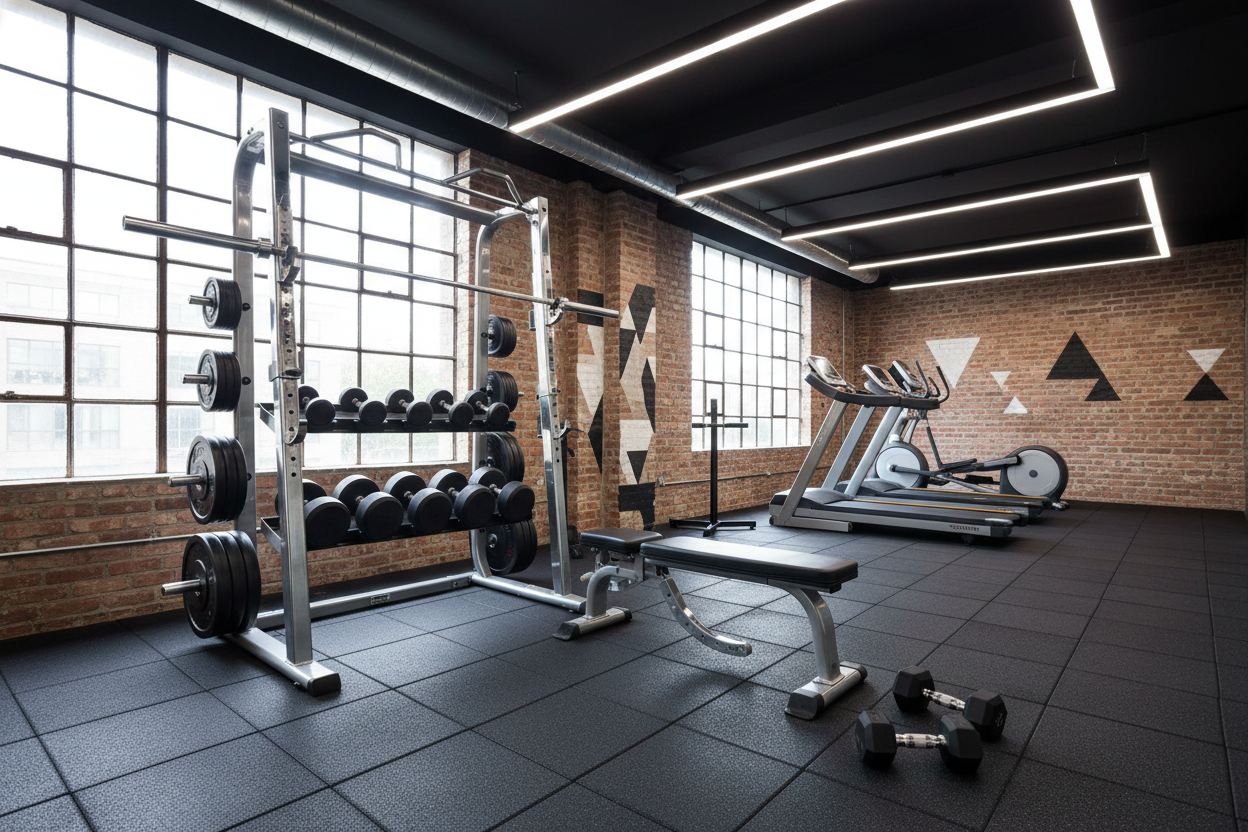
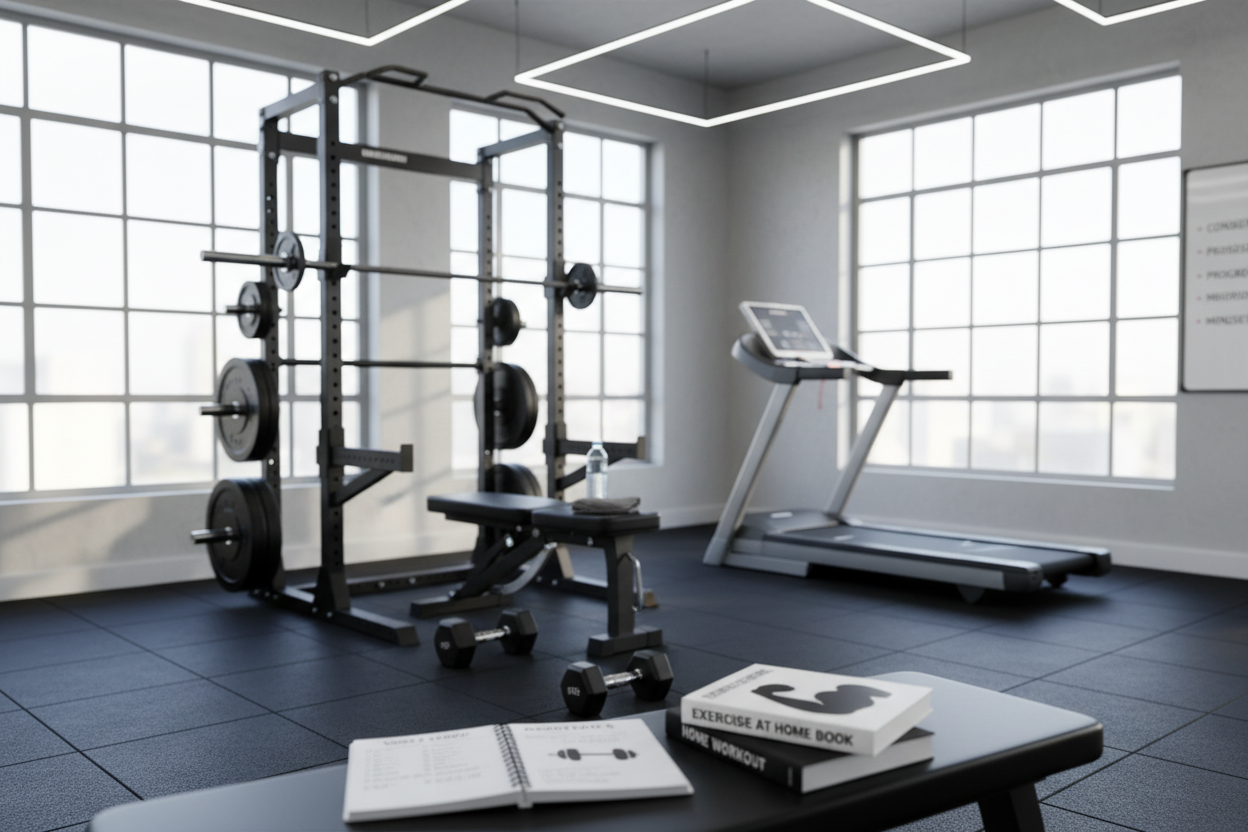
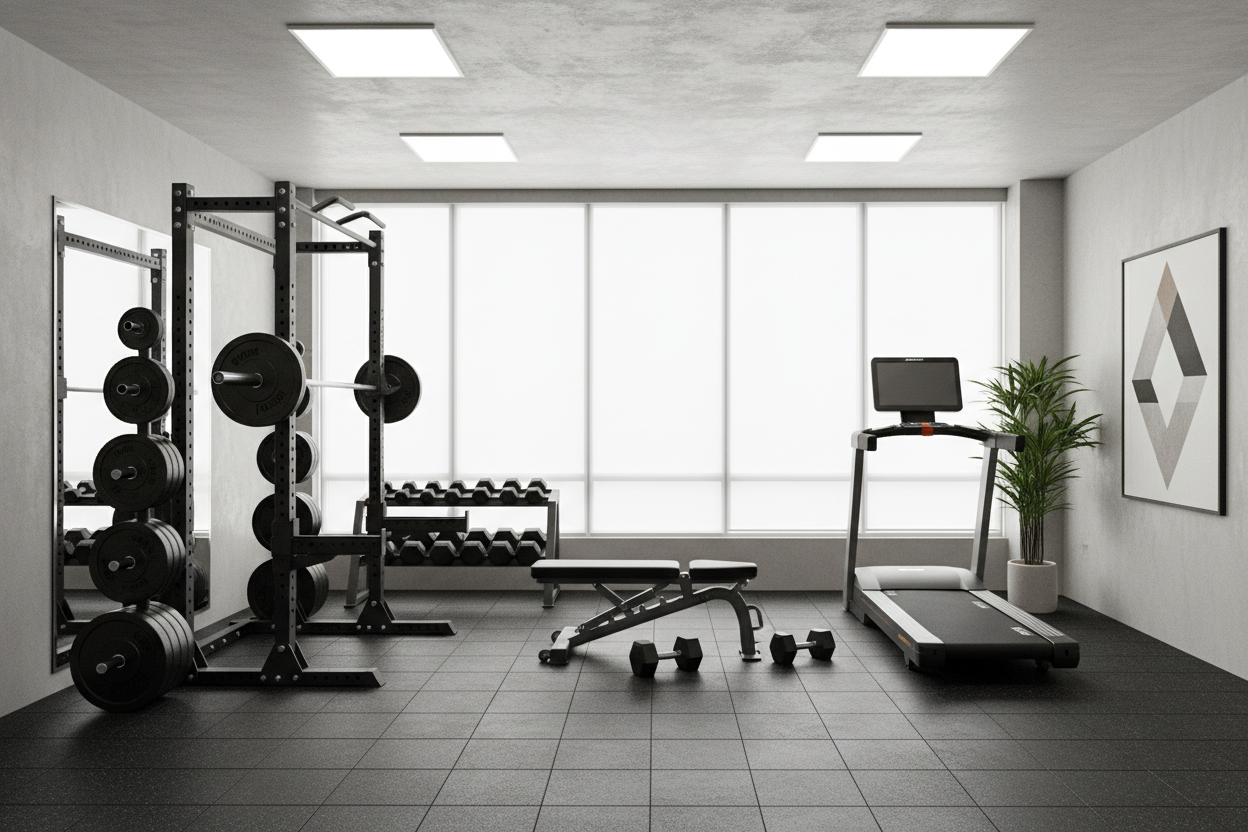
By investing in basic strength equipment, you can prioritize these high-tension movements without needing a 5,000-square-foot commercial gym. A solid rack, a high-quality barbell, and a set of heavy dumbbells are enough to build more muscle than 90% of the people at your local health club. If a movement requires a specialized machine just to 'feel' the muscle, it is probably not worth the floor space in your garage.
My High-Yield List of Strengthening Exercise
After years of trial and error, I pruned my routine down to the essentials. My strength exercise list now consists of four main categories: a horizontal push, a vertical pull, a hinge, and a squat. That is it. For my upper body, I stick to weighted dips and rows. Dips provide a stretch that no bench press can match, and heavy rows build a thick back that actually supports your spine.
When it comes to the lower body, I look for movements that provide maximum tension without the massive systemic fatigue of a 500-pound deadlift. You can find the definitive list of lower body exercises that I use to keep my legs growing without needing a wheelchair the next day. The goal is to get in, hit the high-yield lifts, and get out to recover.
Lower Body Grinds That Actually Work
The Bulgarian split squat is the undisputed king of home leg training. It is miserable, it is hard, and it works. Because you are on one leg, you do not need a massive amount of weight to reach failure, which saves your lower back. I focus on proper exercise of lower body mechanics by leaning slightly forward to put more tension on the glutes and hamstrings.
I also keep Romanian Deadlifts (RDLs) in the rotation. Unlike standard deadlifts, RDLs focus entirely on the eccentric portion of the lift, which is where the muscle growth actually happens. You can move 225 lbs for sets of 10 and get more out of it than a 400-lb ego pull from the floor.
Protecting Your Floors During Heavy Pulls
If you are training at home, you have to respect your foundation. I learned this the hard way after cracking a concrete slab because I thought a thin rug was enough protection for my 90-lb dumbbells. Now, I never do rows or floor presses without a large exercise mat 6x4 under my working area.
This mat acts as a critical barrier. It dampens the noise so my family doesn't think the house is collapsing, and it prevents the weights from chipping the floor or the plates themselves. Even if you are not 'dropping' weights, the cumulative pressure of resting a heavy barbell between sets will eventually destroy your flooring if you do not have a dense rubber buffer.
How to Steal This Strength Training Exercises List
To implement this, stop trying to do everything at once. Pick three days a week—Monday, Wednesday, Friday. In each session, pick one movement from each category: a push, a pull, and a leg exercise. For example, Monday could be Dips, Pull-ups, and Split Squats. Wednesday could be Overhead Press, Rows, and RDLs.
Focus on 'progressive overload.' This does not just mean adding weight. It means doing more reps with the same weight, or slowing down the tempo to increase time under tension. If you can do 3 sets of 10 with 50-lb dumbbells this week, try for 3 sets of 12 next week. Once you hit that, bump the weight up. It is simple, boring, and incredibly effective.
Personal Experience: The 'More is Better' Trap
I used to spend two hours in the gym, six days a week. I was constantly sore, but my lifts never moved. I bought a cheap 300-lb barbell set from a big-box store, and the knurling was so smooth it felt like holding a wet noodle. My grip failed before my back did. I finally invested in a real bar and cut my volume by 60%. My strength exploded. I realized that my body didn't need more exercises; it needed more intensity on fewer movements.
FAQ
Can I build muscle with only 5 exercises?
Absolutely. Most of the greatest physiques in history were built on a foundation of less than 10 core movements. The key is intensity and consistency, not variety.
Do I need a power rack for this list?
A rack is the safest way to go heavy, but you can get 90% of the way there with a set of heavy adjustable dumbbells and a solid mat.
How long should I rest between sets?
For big strength movements, rest 2 to 3 minutes. You want your nervous system to recover so you can push maximum weight on the next set.