I Changed How I Workout Back Shoulder Muscles and My Pull-Ups Exploded
I spent three years stuck at a plateau of ten pull-ups. I was doing all the 'right' things—heavy rows, weighted chin-ups, and enough lat pulldowns to build a back like a barn door. But my numbers wouldn't budge. I finally realized that my workout back shoulder muscles routine was the problem. I was treating my rear delts as a minor detail rather than the structural foundation of my entire upper body.
Quick Takeaways
- Rear delts are stabilizers that prevent the nervous system from 'shutting down' your lats during heavy pulls.
- Barbell rows often allow the lats and traps to bully the movement, leaving the posterior deltoid untouched.
- Isolation with dumbbells and bands is mandatory for 3D shoulder development.
- Proper flooring is essential for the stability required in bent-over isolation movements.
The Hidden Weak Link in Your Pulling Chain
It is frustrating to feel like your lats have plenty of gas left while your shoulders start to round and shake halfway through a set of pull-ups. That was my life for a long time. I thought I just needed more lat strength, but the reality was my posterior deltoids were giving out. They are small muscles, but they are the primary stabilizers of the humerus in the shoulder socket.
When those stabilizers fatigue, your brain essentially pulls the emergency brake. It won't let you pull more weight or do more reps because it senses the shoulder joint is becoming unstable. Once I started to prioritize how I workout back shoulder muscles, my pull-up numbers jumped from 10 to 16 in about six weeks. It wasn't magic; it was just fixing the weakest link in the chain.
Why Heavy Barbell Rows Aren't Enough
I love a heavy barbell row as much as the next guy, but it is a terrible movement for isolating the rear delts. When you load up 225 lbs on a bar, your body is going to use the biggest, strongest muscles to move that weight. That means your lats and rhomboids do 90% of the work. If you want to actually hit the back shoulder muscles workout effectively, you have to lighten the load and change the angle.
Focusing on the posterior deltoid helps you build a V taper with this at home back and shoulder workout because it adds width to the upper corner of your frame. Without that rear delt 'pop,' your shoulders look flat from the side and back, no matter how wide your lats are. I stopped chasing heavy triples on rows and started chasing the burn in the back of the shoulder.
My 3-Move Back Shoulder Muscles Workout
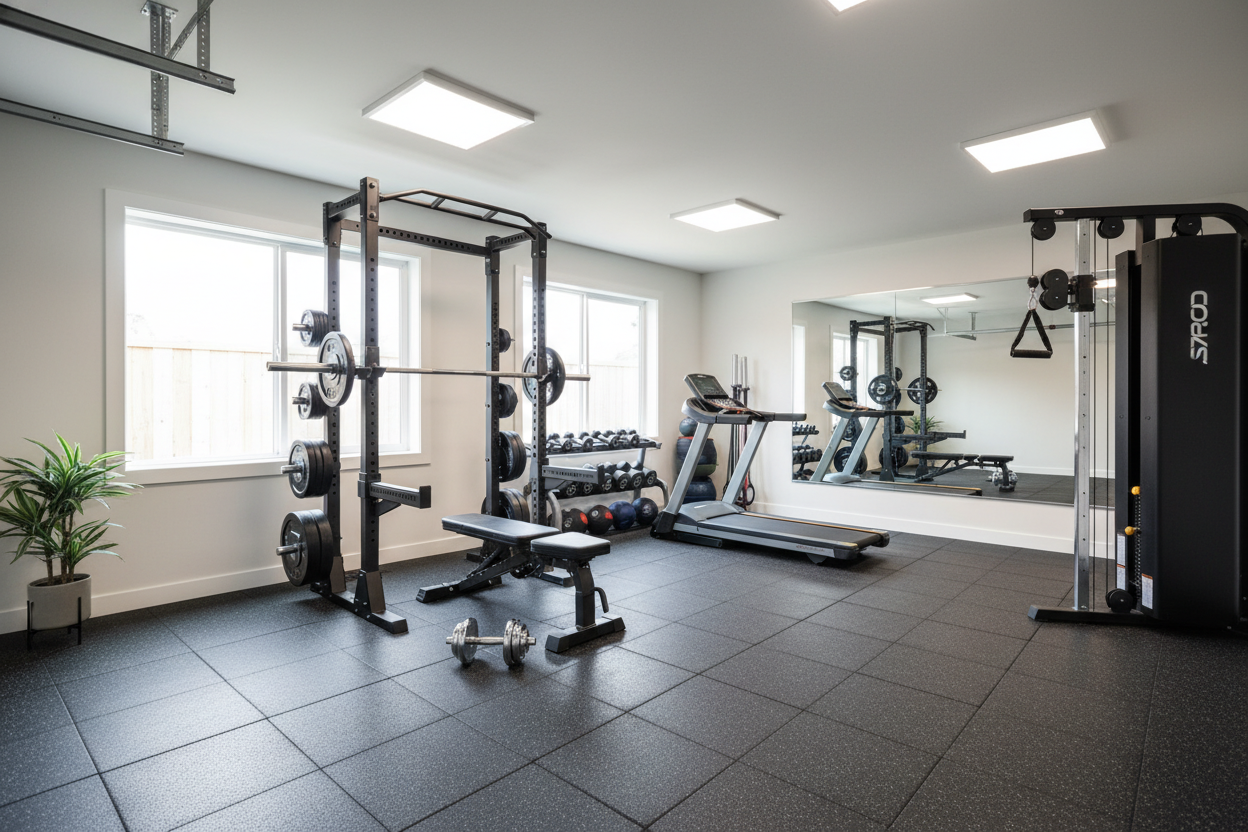
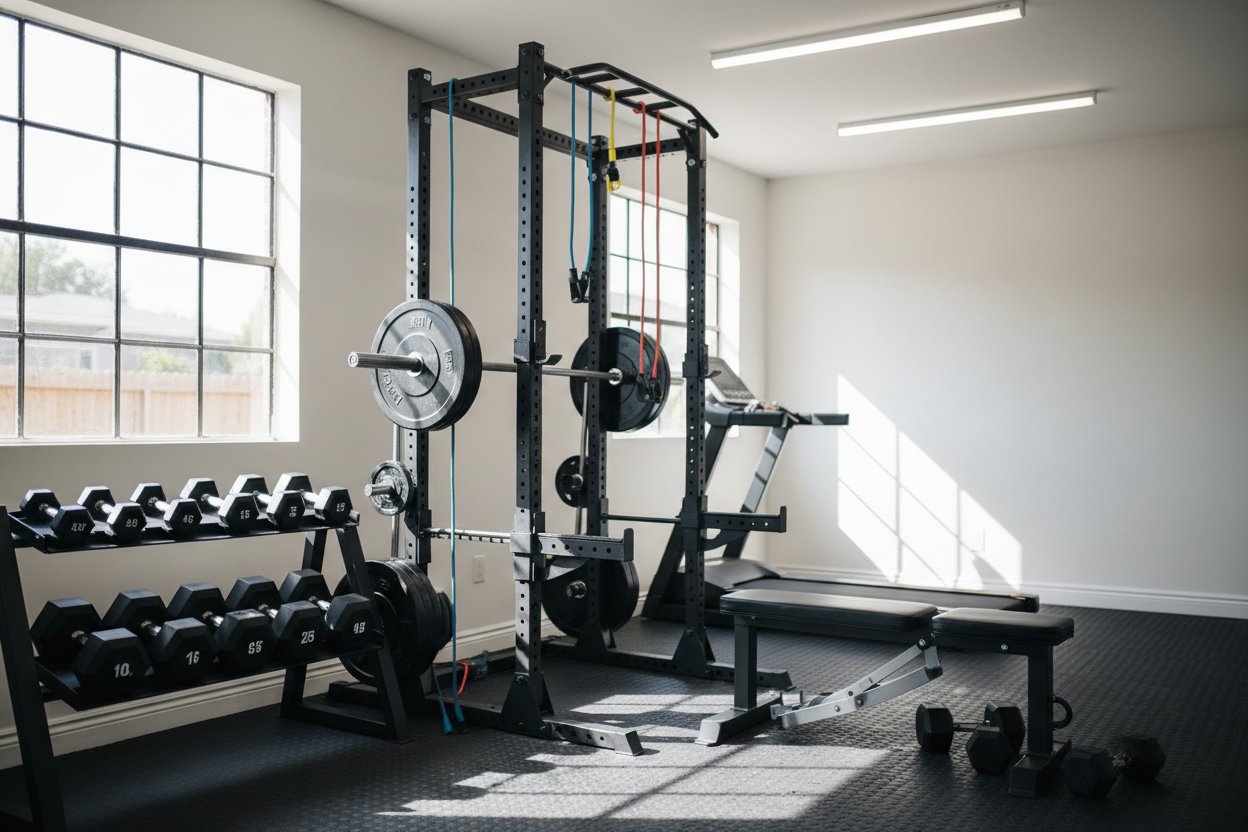
I simplified my routine down to three specific movements that I do twice a week. First: Chest-supported rear delt flyes. I use a bench set at a 45-degree angle. By putting my chest on the pad, I eliminate the 'cheat' momentum from my hips. I use 15-lb or 20-lb dumbbells—anything heavier and my traps start taking over. I focus on keeping my pinkies up and pulling with the back of the shoulder.
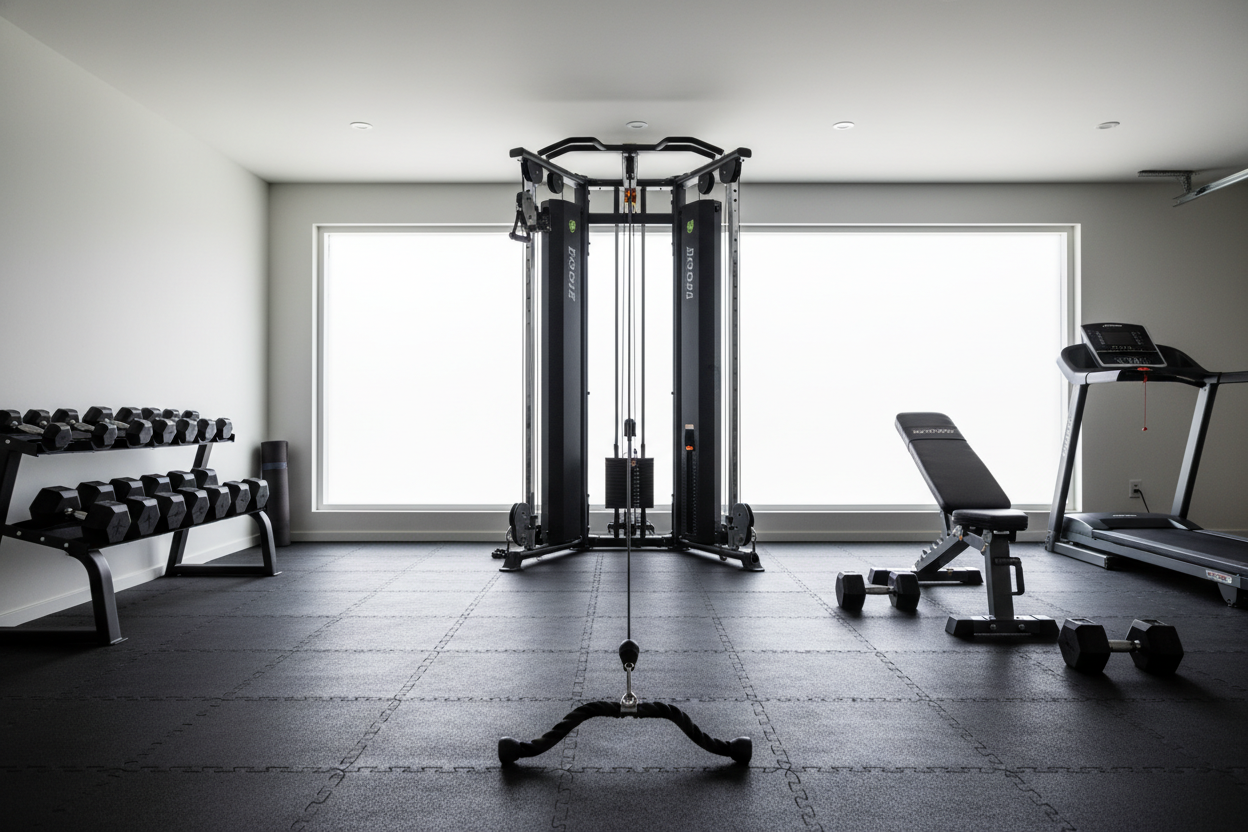
Second: Band pull-aparts. I keep a resistance band looped over my power rack and do 100 reps a day, broken into small sets. Third: Face pulls. These are the gold standard for shoulder health. If you don't have a cable machine, a heavy-duty resistance band works just as well. You can find more variations of these movements in our Workout Hub to keep your training from getting stale.
How to Program This Without Wrecking Your Recovery
You can't just tack on ten sets of rear delt work to the end of a two-hour session and expect results. I moved these exercises to the beginning of my 'Pull' days when I was fresh. I also realized that the traditional 'bro-split'—hitting shoulders once a week—wasn't enough frequency for these stubborn muscles. This shoulder back muscles workout approach works best when you hit the muscles 2-3 times a week with moderate volume.
I usually do 3 sets of 15-20 reps. These are endurance muscles; they respond better to time-under-tension than to low-rep power sets. Since I started this high-frequency approach, my shoulder joints actually feel more 'lubricated' and stable during my heavy bench press days, too. It’s a win-win for both aesthetics and performance.
Stop Slipping During Bent-Over Lifts
One thing people overlook in a home gym is traction. If you are doing bent-over lateral raises on a dusty garage floor, your toes are constantly fighting for grip. You can't focus on the mind-muscle connection in your delts if you're worried about your feet sliding out from under you. It sounds like a small thing, but it ruins the lift.
I finally got tired of the 'garage floor slide' and put down a 6x8ft exercise mat gym flooring. The difference in stability is massive. Having a high-traction surface allows you to root your feet and maintain a rigid torso, which is the only way to ensure the dumbbells are being moved by your shoulders and not by a weird full-body shimmy.
FAQ
Can I do this workout every day?
You can do band pull-aparts every day for postural health, but the weighted dumbbell movements should be limited to 2-3 times per week to allow the muscle fibers to actually repair and grow.
What if I only have heavy dumbbells?
Rear delt work requires control. If your dumbbells are too heavy, use a resistance band instead. Doing the movement with poor form using a 50-lb dumbbell is significantly less effective than doing it perfectly with a $10 band.
Will this fix my shoulder pain?
In many cases, yes. Most lifters are 'front dominant' from too much bench pressing. Strengthening the rear delts balances the tension on the shoulder joint, which often alleviates that nagging ache in the front of the shoulder.