I Built an Exercise Program for Over 50 That Won't Wreck Your Weekend
I woke up last Tuesday feeling like I’d been hit by a freight train, and all I’d done the day before was a 'moderate' chest session. It’s a rude awakening when the high-volume bodybuilding splits that kept you ripped at 25 start leaving you sidelined at 52. I realized I didn't need more 'hustle'; I needed an exercise program for over 50 that stopped treating my recovery time like an infinite resource.
The truth is, most fitness advice for our age group is either 'go for a nice walk' or 'keep doing what you did in college but lighter.' Both are wrong. You need to lift, but you need to lift smarter. I’ve spent the last year refining a three-day split that prioritizes heavy carries, joint-friendly floor work, and actual recovery.
- Frequency: 3 days a week (Total Body).
- Focus: Structural integrity over muscle hypertrophy.
- Recovery: 48 hours between sessions.
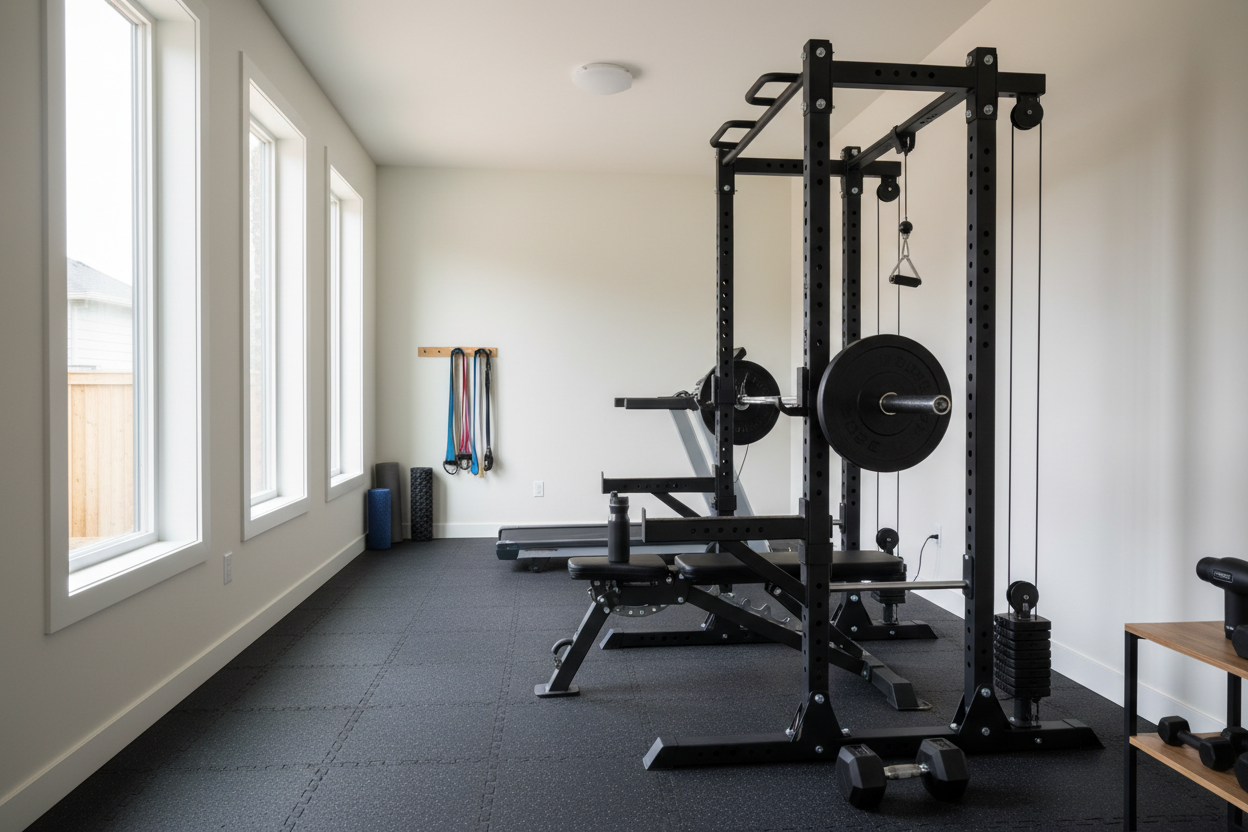
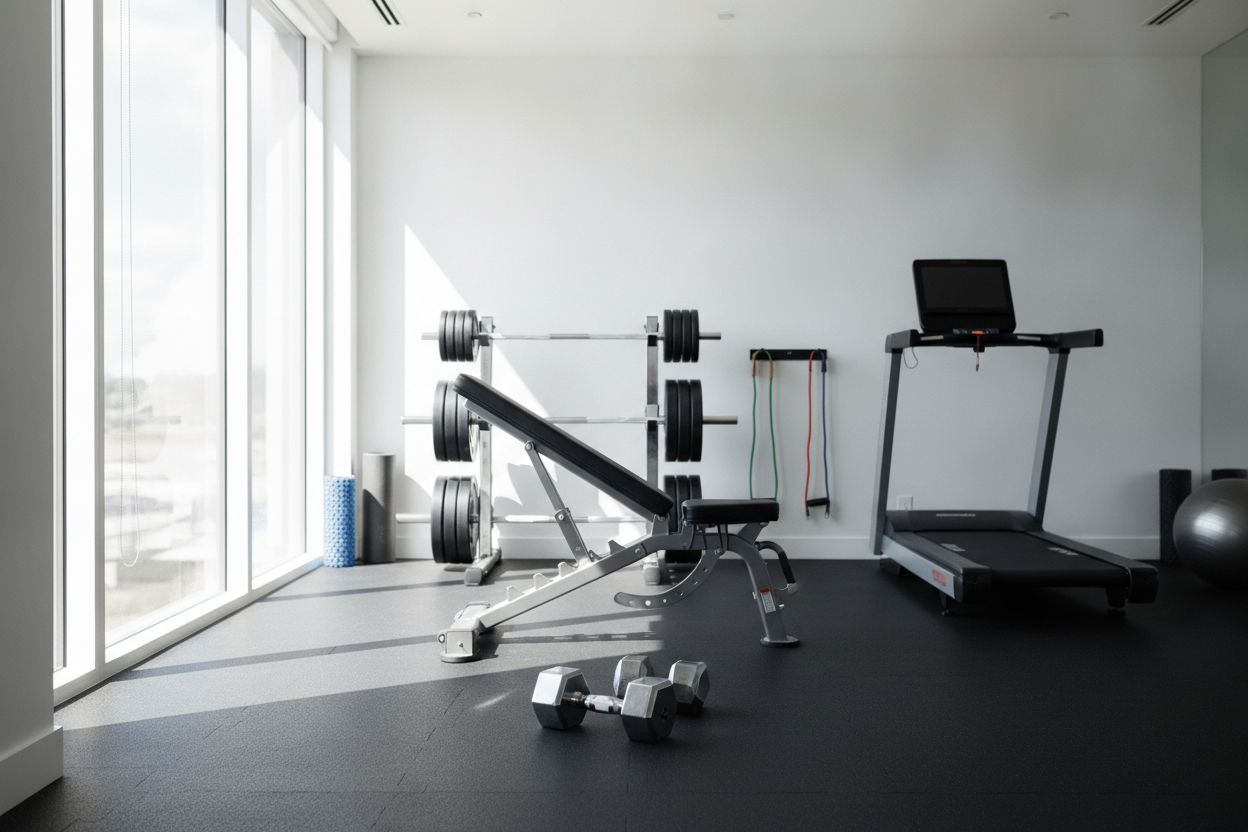
- Equipment: Dumbbells, a solid bench, and a high-density mat.
Why Your Current Routine Leaves You Feeling Smashed
The fundamental flaw in most training programs is the assumption that more is always better. When you're 22, you can recover from a 20-set leg day by eating a pizza and sleeping six hours. At 50, that same volume creates systemic inflammation that lingers for days. If you're constantly 'smashed,' you aren't training; you're just digging a hole.
I’ve found that the minimum effective dose is the sweet spot. You want to stimulate the muscle and the bone without redlining your central nervous system. This means moving away from the 'muscle group of the day' approach. Instead of hitting chest until you can't lift your arms, we hit the whole body with one or two high-quality sets per movement. This allows you to maintain a workout routine for over 50 that actually builds strength instead of just accumulating fatigue.
Think of your recovery like a bank account. In your twenties, you had a massive credit line. Now, you’re on a debit system. You have to spend your energy where it yields the highest return: big, compound movements that keep you functional and capable.
The Non-Negotiables of a Workout Plan for Over 50
A solid exercise plan for over 50 has to address three things: mobility, load-bearing strength, and recovery. If you skip mobility, your joints lock up. If you skip heavy loads, your bone density tanks. If you skip recovery, you get injured. It’s a simple tripod, and if one leg is missing, the whole thing falls over.
I used to think stretching was for people with too much time on their hands. Then my lower back started screaming every time I picked up a 45-lb plate. Now, I start every session with ten minutes of dedicated floor work—90/90 hip switches, cat-cow, and t-spine rotations. But doing this on a cold, hard concrete garage floor is a recipe for bursitis. You need a dedicated space. I finally cleared out a 6x8 area and laid down a large exercise mat for home gym use. It’s not just about comfort; it’s about creating an environment where you actually enjoy doing the 'boring' stuff that keeps you healthy.
Strength training at this age isn't about vanity—it's about 'life insurance.' We are fighting sarcopenia every single day. That means we need to move weights that actually challenge us. We aren't just moving 5-lb pink dumbbells; we’re looking for loads that make us work.
The 3-Day Exercise Plan for Over 50 (That Actually Works)
This routine is designed for Monday, Wednesday, and Friday. This leaves your weekends completely open for hiking, golf, or just not feeling like a pile of sore muscles. Each session is a full-body blast that takes about 45 minutes.
We start with a hinge (think Romanian Deadlifts) and a squat variation (Goblet squats are my go-to because they're easier on the spine). Then we move to a push and a pull—overhead presses and 1-arm rows. But the real 'secret sauce' comes at the end. Instead of hopping on a treadmill for 20 minutes, I’ve switched to a heavy carry instead of endless cardio. Grab the heaviest dumbbells you can hold for 40 seconds and walk. It builds grip, core stability, and cardiovascular health all at once.
This workout plan for over 50 works because it’s repeatable. You aren't dreading a two-hour marathon. You’re hitting the big lifts, getting your heart rate up with carries, and getting out. I personally use a pair of 52.5-lb adjustable dumbbells for this, which covers almost every movement in the plan without taking up a whole wall of rack space.
Give Your Joints a Break During Floor Work
If you're still trying to do core work or stretching on a thin yoga mat or, heaven forbid, bare concrete, stop. Your elbows and knees will pay the price. A thin mat bottoms out immediately under a 200-lb frame. I recommend a 6x8ft exercise mat that’s at least 7mm thick. It provides enough shock absorption for your joints during planks or bird-dogs, and it’s large enough that you aren't constantly repositioning yourself. It makes the 'maintenance' part of your workout feel less like a chore and more like a recovery session.
Is This Really Enough to Make a Difference?
There’s a common fear that if you aren't in the gym six days a week, you're failing. That’s a lie. For those of us over 50, intensity and consistency beat frequency every time. One heavy set of squats is worth more for your longevity than five days of low-effort machine work.
I often hear people ask is walking enough exercise to stay fit. Look, walking is great for your mental health and basic movement, but it won't keep your muscles from wasting away. You need the stimulus of resistance. By focusing on three high-intensity days, you give your body the signal to keep its muscle mass without overtaxing your joints. This is the ultimate exercise program for over 50 because it balances the biological need for stress with the biological reality of aging.
Personal Experience: The Lesson I Learned the Hard Way
A few years back, I tried to jump into a high-intensity interval program designed for CrossFit competitors. I thought I could 'tough it out.' Within three weeks, my shoulder was clicking, and I couldn't sleep because my hips were throbbing. I had to take two months off just to feel normal again. That was my 'ego check.' Now, I use the 3-day split. I’m actually lifting heavier now than I was during that 'hardcore' phase because I’m never too injured to train. Consistency is the only real 'hack' left.
FAQ
How heavy should I lift?
Aim for a weight where you could do 2 more reps at the end of a set. This is called RPE 8. It’s heavy enough to build strength but safe enough to avoid injury.
What if I have bad knees?
Swap standard squats for box squats or step-ups. They reduce the shear force on the knee while still hitting the quads and glutes.
Do I need a full gym?
Nope. A set of dumbbells, a bench, and a good mat are all you need to run this entire program effectively in a garage or spare bedroom.