I Bought a Dedicated Hip Thruster Machine. Was It Worth the Cash?
I remember the day I hit a personal best of 405 pounds on the thrust. It wasn't the glute pump that stuck with me; it was the nasty purple bruises on my hip bones and the five minutes I wasted dragging a utility bench to the power rack, finding the foam pad, and rolling the bar into place. I finally snapped and bought a dedicated hip thruster machine to see if I could reclaim my training time and my skin.
Quick Takeaways
- Setup time drops from five minutes of wrestling bars to about 30 seconds.
- Padded belts on specialized units are vastly superior to barbell pads for heavy loads.
- The footprint is massive—you need at least 20 square feet of dedicated floor space.
- Angled footplates solve the 'sliding feet' issue that plagues barbell glute bridges.
The Brutal Reality of the Barbell Setup
Setting up for heavy thrusts is easily the most annoying part of any lower-body day. You’re wrestling a seven-foot bar in a crowded gym or a tight garage. By the time you have shimmed the plates and centered the foam pad, you have already burned half your mental energy. It is a friction point that makes most people skip the movement entirely.
If you are pushing serious weight, rolling a knurled bar over your shins is a recipe for scrapes and frustration. This is usually the moment lifters start hunting for a thrust exercise machine. You want to train your glutes, not participate in a furniture-moving simulation every Tuesday night.
What Does a Dedicated Machine Actually Change?
A specialized hip thruster equipment setup fundamentally changes the pivot point. Unlike a standard bench that can slide across the floor or tip backward if you don't anchor it, a dedicated hip thrust bench machine like the Gxmmat Hip Thrust Bench provides a fixed back-pad height. This locks you into the perfect leverage point every single rep.
The biomechanics are just cleaner. When the bench is integrated into the frame, you can drive your upper back into the pad without any fear of the equipment shifting. This stability is what allows you to reach true muscular failure safely. You are not balancing a bar; you are just moving weight.
The Belt vs. The Barbell Pad
Barbell pads eventually compress and fail, leaving you with cold steel pressing against your pelvis. A heavy-duty padded belt found on a commercial hip raises machine or hip up machine distributes the load across a much wider surface area. It feels like a firm, secure hug rather than a pipe trying to snap your hip bones in half.
Footplates and Glute Isolation
Most hip thrust board designs or machines feature an angled footplate. This is a massive win for isolation. On a flat floor, your feet tend to drift forward as you fatigue, which shifts the load into your quads. The angled plate on a thrust workout machine lets you drive through your heels and keeps your shins vertical, ensuring your glutes do 100% of the work.
Is It Worth the Garage Gym Footprint?
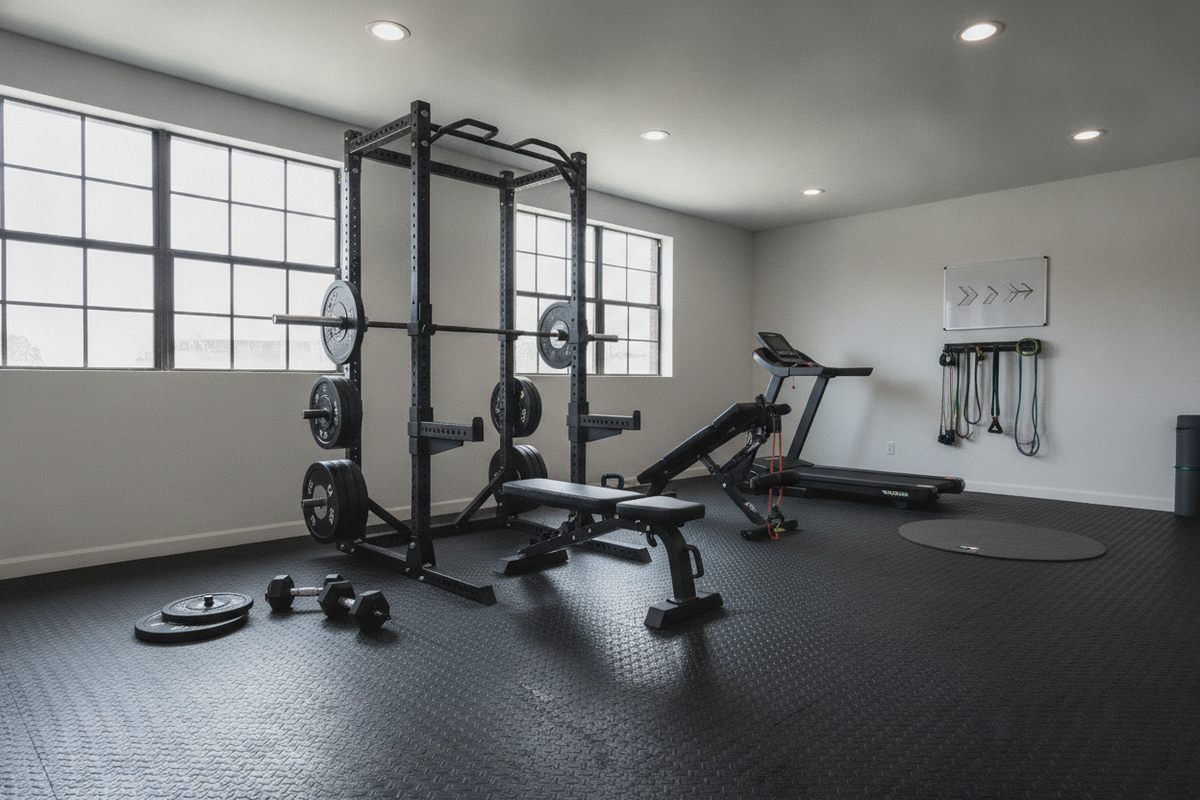
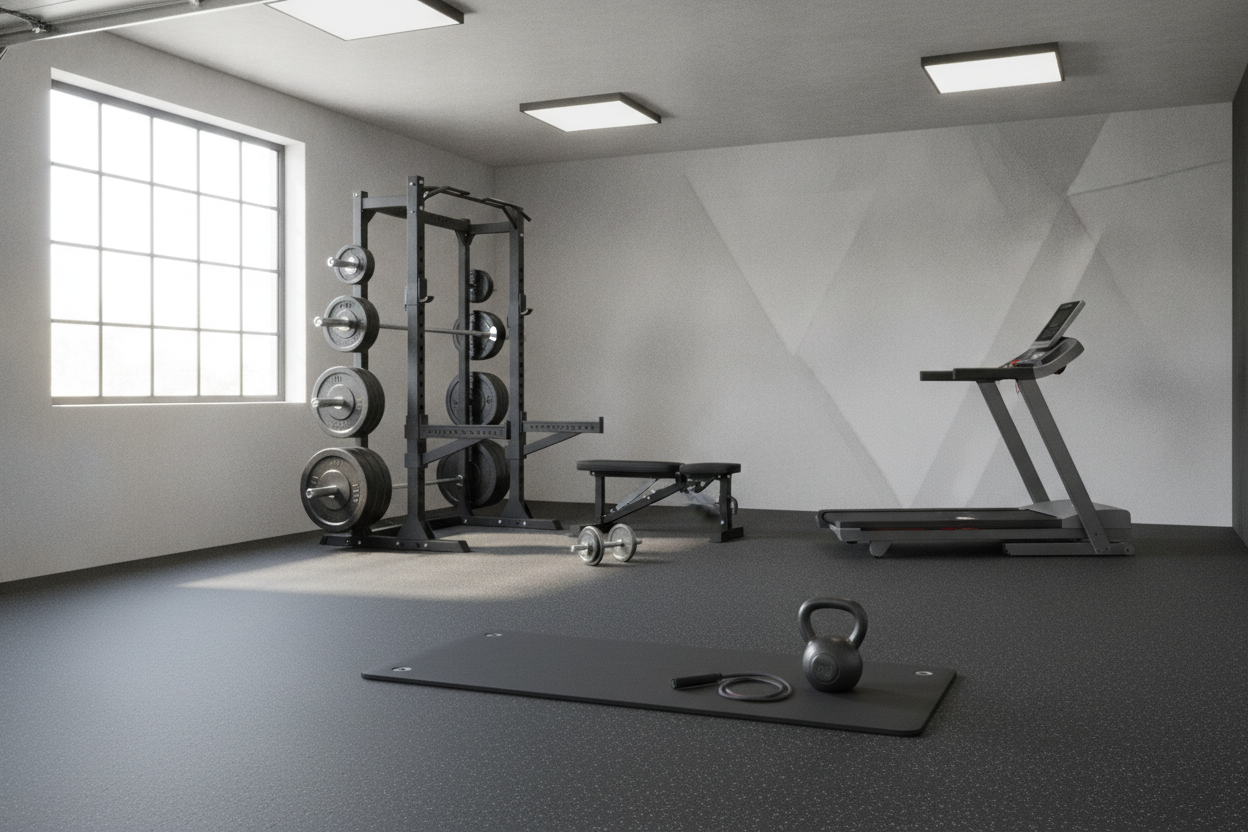
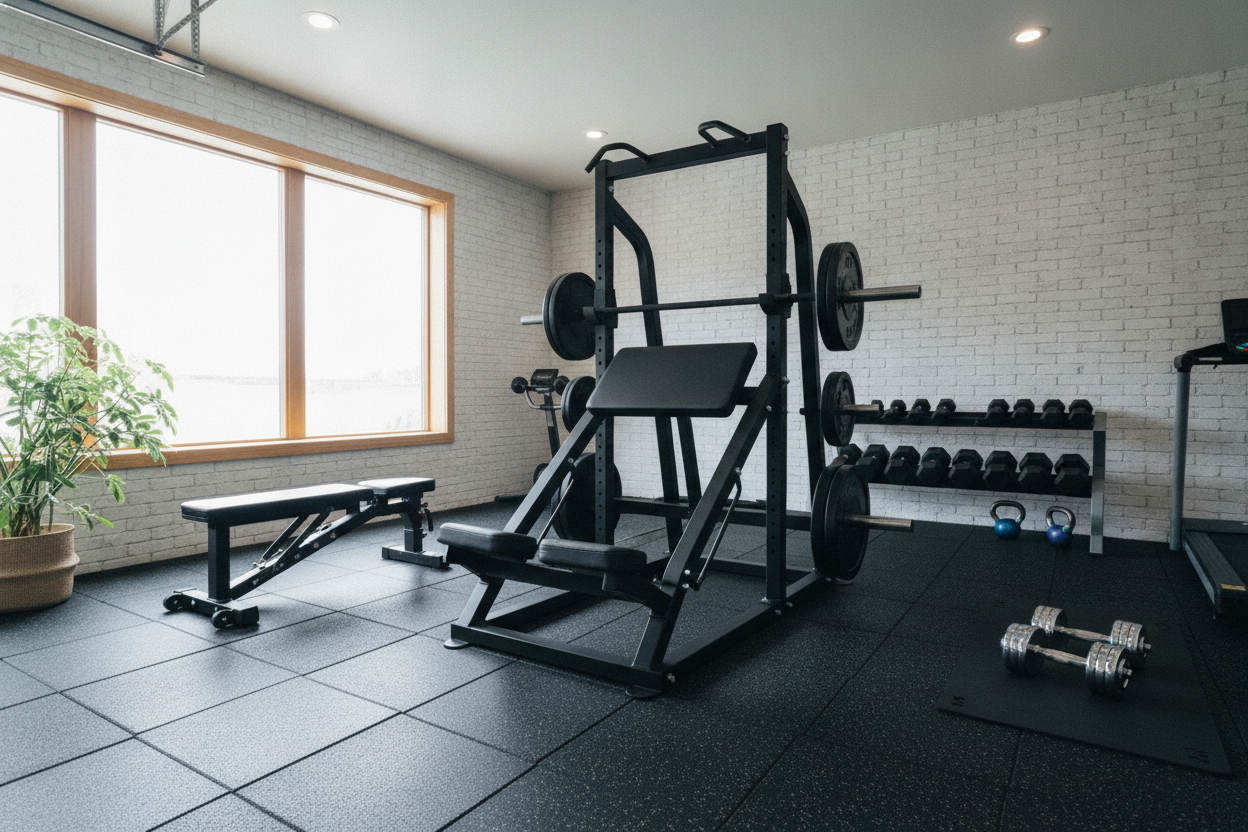
Let's be real: a glute bridge machine home setup is a space hog. Most of these units are about 60 inches long and 40 inches wide. If you are working in a single-car garage, that is a huge chunk of real estate for one exercise. I had to move my rower just to make it fit.
Before you buy new, I highly recommend looking for a hip thrust machine for sale used on local marketplaces. People often buy these during a 'booty building' phase and then realize they need the space back for a lawnmower. If you are building a balanced gym from scratch, you have to weigh this against a more versatile Leg Machine that might offer leg curls or extensions in the same footprint.
Alternatives If You're Not Ready to Commit
If you don't have the space or the $800 to $1,200 budget, you can mimic the feel. Creating a DIY hip thrust band machine by hooking heavy resistance bands to the base of your power rack is a solid bridge. It provides that peak tension at the top that a hip thrust resistance band machine is known for without the bulk.
If you train at a commercial spot, the Smith Machine Hip Thrust The Ultimate Glute Building Guide is your best friend. It offers the stability of a machine without the setup headache. For those in more basic gyms, check out How To Crush Glute Workouts Without A Hip Thrust Machine At Planet Fitness to see how to use hip thrust machine with bands or dumbbells to get the job done.
The Final Verdict: Who Actually Needs One?
If you are a competitive powerlifter or a bodybuilder who thrusts more than twice a week, the investment is a no-brainer. The time saved on setup and the lack of hip pain will pay for the machine in six months of consistent use. You will simply work harder when the setup isn't a chore.
However, if you are a casual lifter or someone with a 10x10 foot gym space, stick to the barbell and a high-quality 2-inch thick foam pad. It’s not as sexy as a booty band machine, but it leaves you enough room to actually move around your gym.
FAQ
Can I use a leg extension machine for hip thrusts?
You can, but the range of motion is usually restricted and the pad angle is often wrong. It works in a pinch, but it is a poor substitute for a real hip raises machine.
How much weight do these machines usually hold?
Most plate-loaded units are rated for 400 to 600 pounds. If you are stronger than that, you likely need to stick to a specialized barbell setup anyway.
Is a machine better for glute growth than a barbell?
The best exercise is the one you actually do. If the barbell setup is so annoying that you skip it, then the machine is infinitely better for your gains.