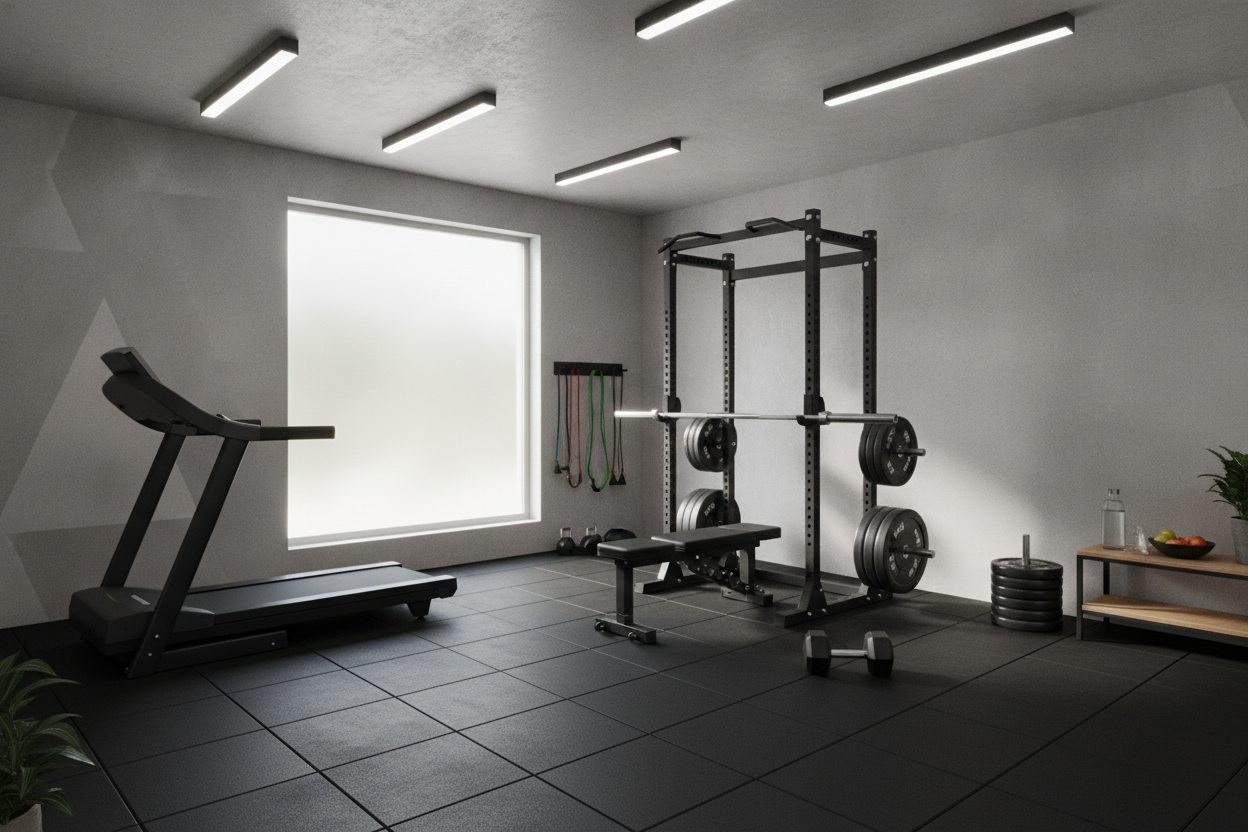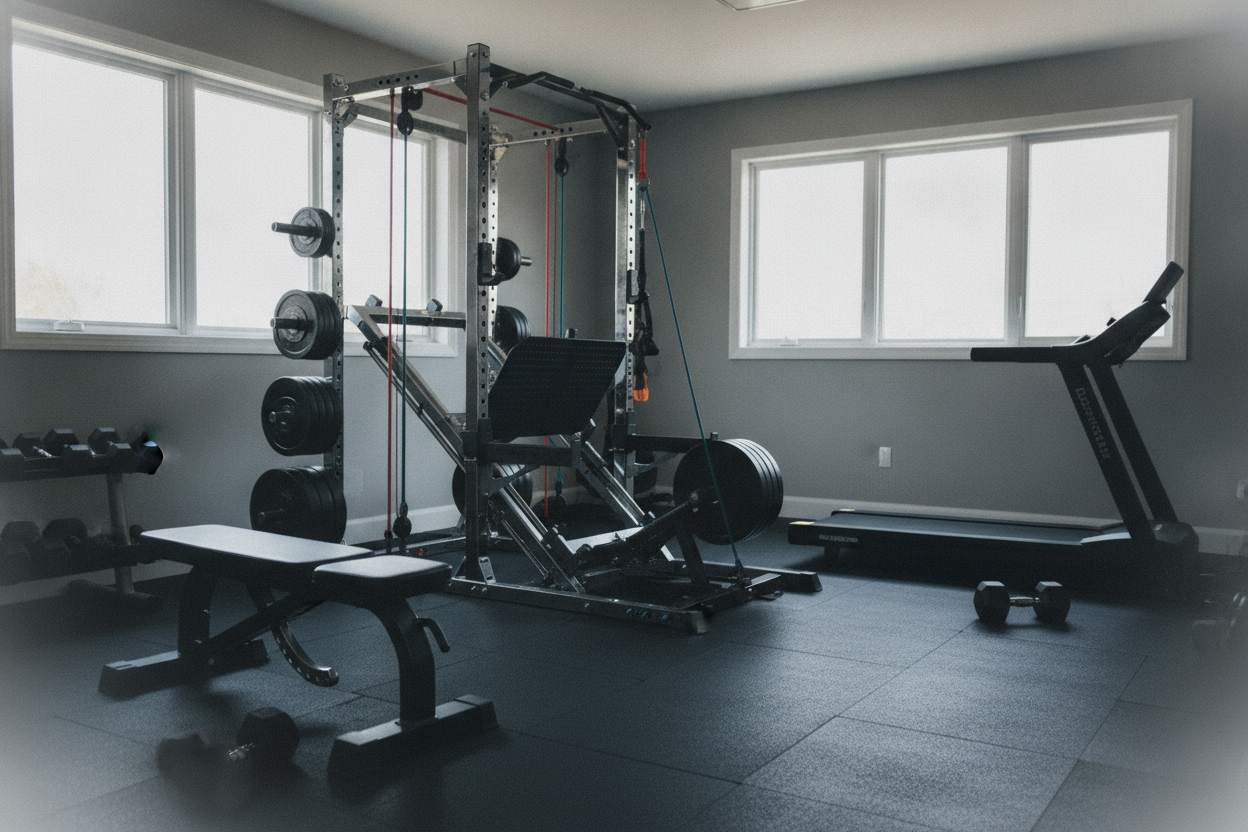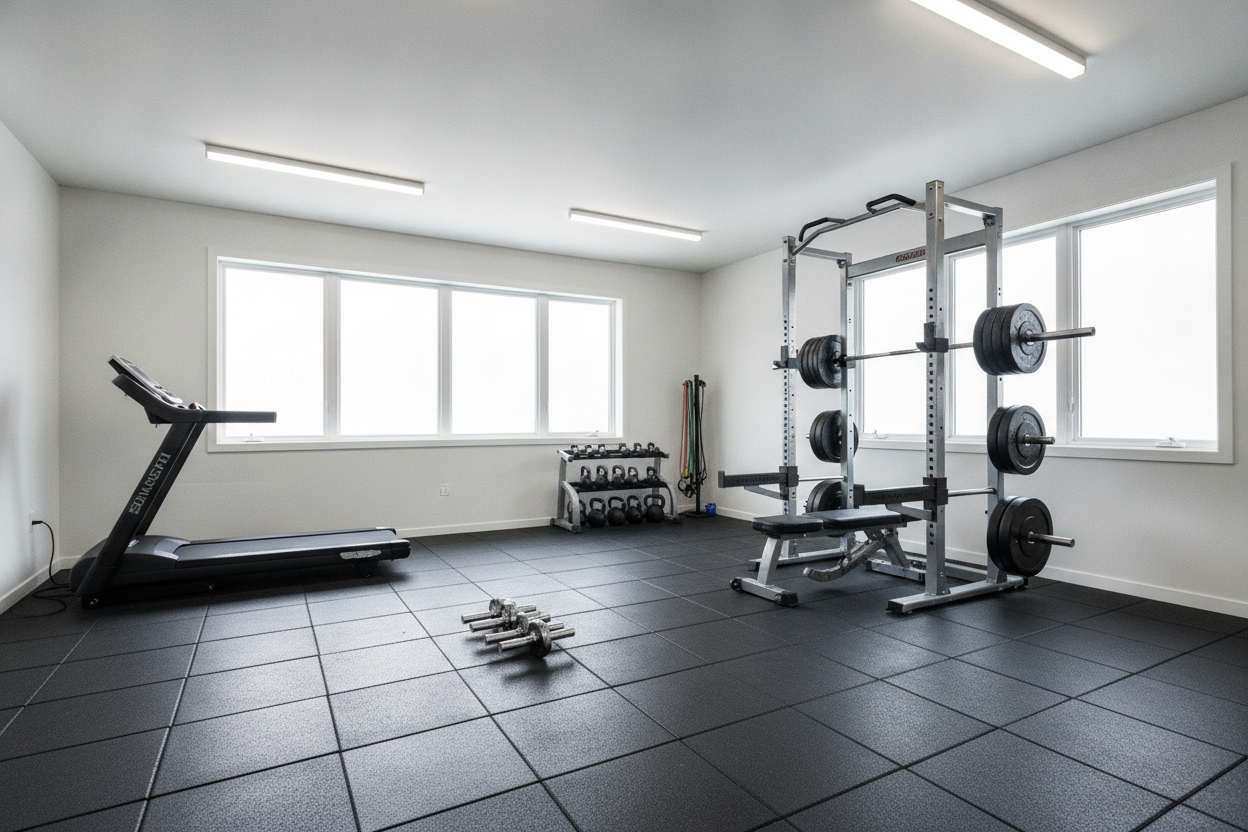
How to Walk Into an Exercise Machine Store Without Getting Ripped Off
I have spent thousands of dollars on equipment that looked incredible in a high-res rendering but felt like a wet noodle the moment it arrived at my door. We have all been there: scrolling through a website at midnight, trying to guess if a 2-inch by 2-inch rack will actually hold a 400-pound squat without tipping over. That uncertainty is exactly why I still find myself walking into a local exercise machine store every now and then.
- The Shake Test: If it rattles in the showroom, it will scream in your garage.
- Motor Specs over Screens: A 22-inch tablet is worthless if the treadmill motor is under 3.0 CHP.
- Steel Gauge Matters: Look for 11-gauge steel; anything higher (like 14-gauge) is for clothes racks, not heavy lifting.
- Negotiate Everything: Showrooms often have 'floor model' margins that give you room to haggle.
Why I Still Step Foot in a Physical Fitness Equipment Showroom
You cannot feel the knurling of a barbell through a computer screen. I have bought 'aggressive' bars online that felt like a smooth piece of PVC pipe once they were in my hands. A physical fitness equipment retailer gives you the chance to actually put skin on the steel. I want to know if the knurling is going to cheese-grater my shins or if the sleeves have a quiet spin or a gritty grind.
Then there is the 'shake test.' I have seen fitness equipment shops display functional trainers that look like tanks but wobble the second you pull a pin. In person, you can grab the uprights and give them a violent shove. If the whole unit shifts an inch, it is not going in my gym. You are paying for the frame, not the fancy logo on the side.
The 'Floor Model' Trap (And How to Actually Test Gear)
Retailers are smart. They tighten every bolt on a gym equipment store floor model until it is as rigid as a bridge. They grease the guide rods on the new exercise machines every morning so they glide like butter. Do not just stand there and look at it. You need to treat this gear like you are already mid-workout.
If you are looking at a squat rack, hang your body weight off the pull-up bar. If you are testing a gym machine store's leg press, check the pulley material. Are they cheap plastic or solid aluminum? Ask the gym equipment retailer what the actual weight capacity is—not the 'static' capacity, but the 'working' capacity. There is a huge difference between a rack that can hold 800 lbs and one that stays stable while you are racking 300 lbs after a heavy set.
Deflecting the Overzealous Treadmill Dealer
Walk into any home fitness equipment stores and a salesperson will immediately steer you toward the treadmill with the biggest touchscreen. Ignore the screen. The screen is a distraction from a weak motor. A treadmill dealer wants to sell you a subscription service, but I want you to look at the Continuous Duty Horsepower (CHP).
In most fitness machine stores, they will try to sell you a 2.0 or 2.5 HP motor. For anyone doing more than a light walk, that motor will burn out in two years. Demand a 3.0 CHP or higher. Check the belt thickness too. A thin, single-ply belt is loud and wears down fast. You want a multi-ply belt that feels substantial under your feet, not like a piece of sandpaper on a roller.
When to Buy In-Store vs. When to Hunt for Online Deals
There is a time and place for the convenience of a home gym equipment store. If you need a single kettlebell or a pair of 25-pound plates today, just buy them locally. But for big-ticket items, you have to be smart. I always pull up my phone right in the middle of the showroom to compare their 'sale' prices against home gym equipment deals available online.
If the local fitness retailers cannot match the price or throw in free delivery and professional assembly, I am walking out. Shipping heavy steel is expensive, but many online companies bake that cost into a price that still beats the brick-and-mortar markup. Use the showroom for the 'feel' test, then buy where the value actually lives. Do not let 'convenience' cost you an extra five hundred bucks.
Don't Forget the Heavy Stuff They Rarely Stock
Most exercise shops make a killing on accessories because they know you are already there. They will try to sell you those interlocking foam 'puzzle' mats at the register. Do not do it. Those mats are garbage for anything other than a yoga session; they slide, compress under heavy weights, and eventually tear.
Instead of settling for the thin store-bought foam, I always recommend sourcing proper gym flooring for home workout that actually stays put. You need high-density rubber that can take a dropped dumbbell without cracking your foundation. Most local shops do not stock the heavy-duty stuff because it is a nightmare for them to ship and store, but it is the one thing you absolutely cannot skimp on.
The Ultimate Playbook for Building Your Space
Building a home gym is a marathon, not a sprint. I once bought a 'commercial grade' functional trainer from a local retailer that felt smooth in the store, but once I got it home and loaded it with 100 lbs on each side, the pulleys started squealing. I had failed to check if the pulleys had ball bearings or just cheap bushings. That mistake cost me a Saturday afternoon and a return trip in a rented truck.
Use your local shops as a laboratory. Test the grip, check the stability, and grill the staff on the technical specs. Once you have a list of essential equipment for every fitness level, you can make an informed decision. Whether you buy it there or order it online, you will know exactly what is landing in your gym.
FAQ
Is it okay to negotiate at a fitness showroom?
Absolutely. Most showrooms have a 'floor model' or 'open box' discount they can apply if you ask. If you are buying multiple items, always ask for a package deal.
What is the most important spec for a power rack?
Look at the steel gauge and the hole spacing. 11-gauge steel is the gold standard for home gyms. Westside hole spacing (1-inch gaps through the bench zone) is a massive plus for safety.
Should I pay for professional assembly?
If it is a complex functional trainer with a cable system, maybe. For a squat rack or a bench? Save your money. If you can't put your own rack together, you probably shouldn't be lifting heavy on it.