How to Spot a Terrible Beginner Personal Trainer in 5 Minutes
I’ve spent fifteen years in commercial gyms, and nothing makes my blood boil faster than watching a trainer stare at their phone while a client’s knees cave in on a leg press. You’re paying for a coach, not a spectator. Finding a beginner personal trainer shouldn't feel like a blind date where you're the one paying for the expensive dinner.
Most big-box gyms hire anyone with a weekend certification and a pulse. They’re taught sales scripts before they’re taught how to fix a rounded back during a deadlift. If you don't know what to look for, you'll end up with a high-priced cheerleader who thinks 'variety' is more important than progress.
- If they don't perform a movement assessment on day one, they are guessing, not coaching.
- Sweating is a byproduct of work, not a metric of a good program.
- A quality coach should eventually make themselves redundant.
- If their program is on a sticky note or in their head, it’s not a program.
The $100-an-Hour Cheerleader Problem
The commercial fitness industry is built on a high-turnover model. Most 'coaches' you meet at the front desk are actually just entry-level salespeople. They are pressured to sign you up for 24 sessions before they even know if your ankles have enough mobility to hit a parallel squat. This is why finding a competent personal trainer for beginner lifters is a minefield.
A bad coach relies on 'muscle confusion' or random circuits to keep you entertained so you don't realize you haven't added a single pound to the bar in three months. You aren't paying for a workout partner; you're paying for an expert to manage your physical development. If they spend more time talking about their weekend than your bracing technique, fire them.
3 Red Flags Your Gym Trainer for Beginners Is Winging It
The first red flag is the 'No-Assessment Trap.' If you walk in and they immediately put you under a barbell without checking your overhead mobility or hip hinge, they are dangerous. This lack of data is especially egregious when looking for a personal trainer for older adults, where ignoring joint limitations isn't just lazy—it's a recipe for a hospital visit.
The second flag is the 'Crush Mentality.' A gym trainer for beginners who tries to make you puke or leave you unable to walk for a week is a hack. Recovery is where the progress happens. If they can’t explain the 'why' behind an exercise other than 'it burns,' they don't know the 'how' either.
Finally, watch their eyes. A trainer should be circling you, checking angles, and watching your feet, grip, and spine. If they are looking at the gym TV or their own reflection, they’ve checked out. You’re essentially paying $2 a minute for someone to watch you struggle.
What Real Personal Training Basics Actually Look Like
When you start personal training for beginners, the first month should be boring. I’m serious. You should be obsessing over bracing your core, learning how to pack your shoulders, and mastering the tempo of your lifts. If you aren't hearing terms like 'eccentric control' or 'external rotation,' you're just doing calisthenics with a witness.
A real coach focuses on the personal training basics: the hinge, the squat, the push, the pull, and the carry. They should be taking notes on your lift quality and tracking your weights in a logbook. If they aren't recording your numbers, they have no way of ensuring progressive overload, which is the only way you’ll actually get stronger.
The Exit Strategy: Personal Training for Beginners Shouldn't Last Forever
The goal of personal training for beginners is to eventually not need a trainer. After 3 to 6 months, you should have the confidence to walk into any weight room and know exactly what to do. If your trainer is trying to lock you into a lifetime contract, they are a parasite, not a partner.
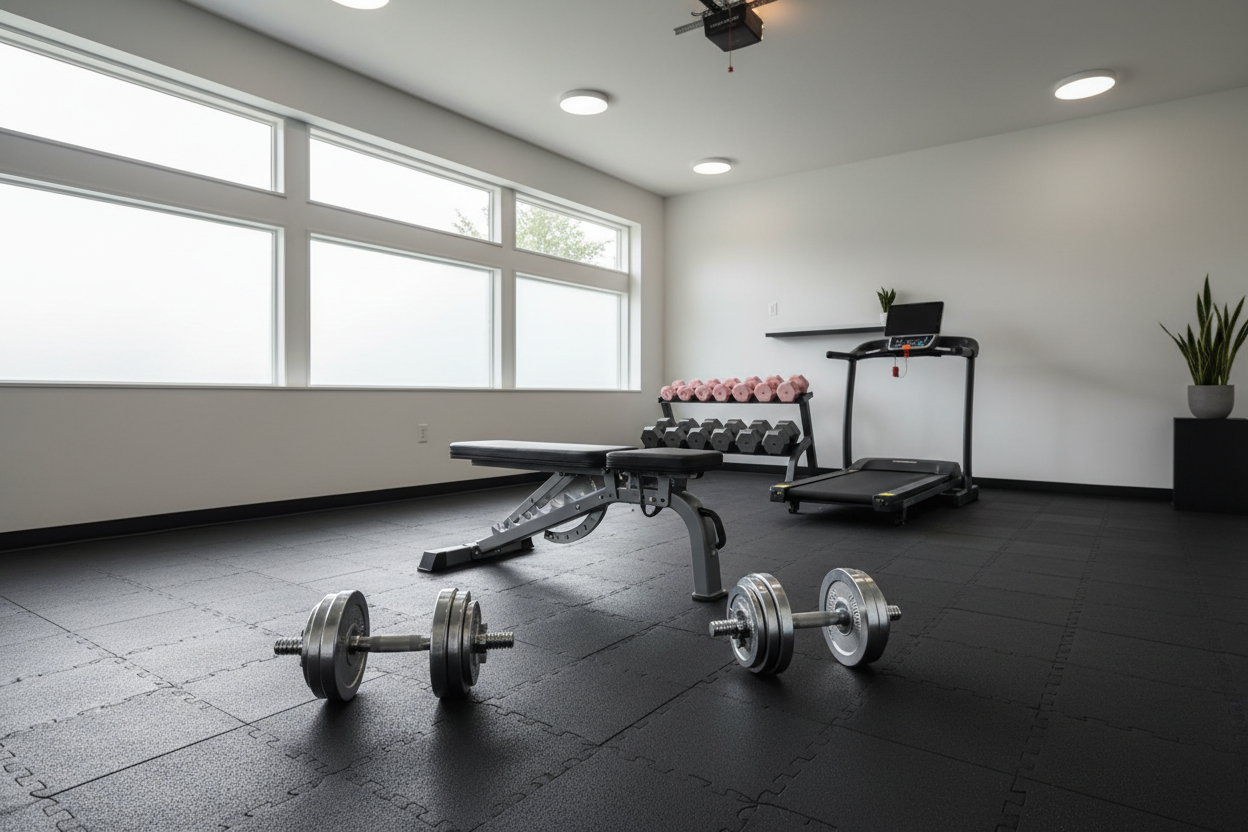
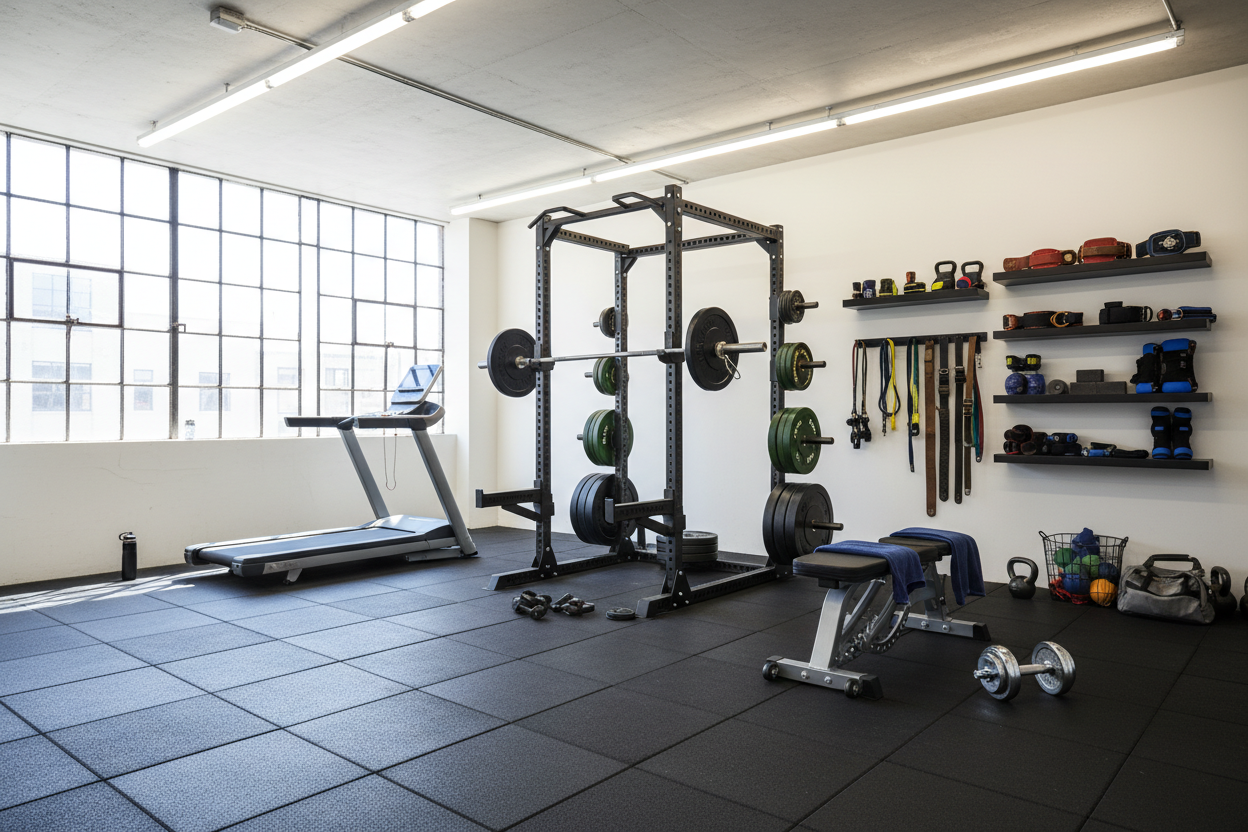
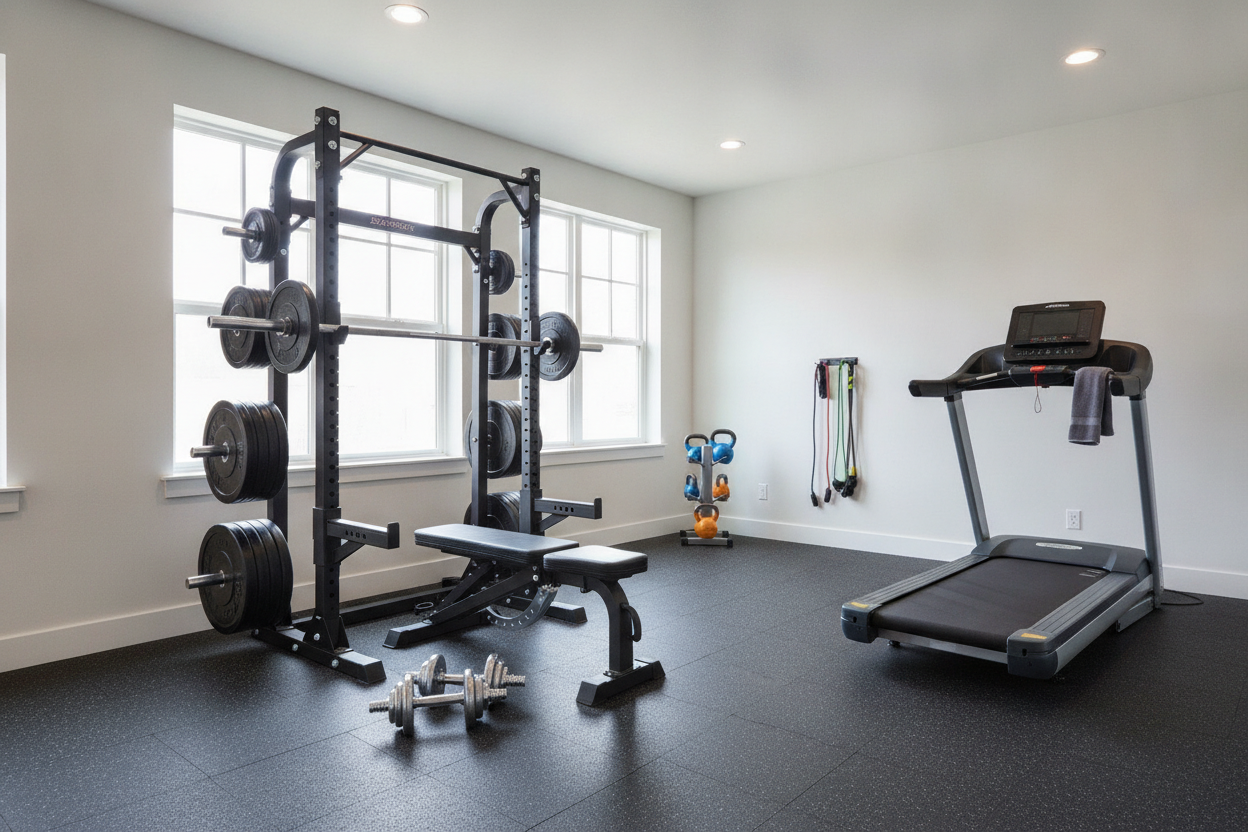
Once you’ve mastered the mechanics, it’s often smarter to invest that monthly training fee into your own space. Transitioning to a personal trainer home gym setup allows you to train on your own terms without the $100-per-hour overhead. You can start small; even a large exercise mat for home gym gives you enough dedicated space to practice the mobility and floor-based strength drills your coach taught you.
How many days a week does a beginner need a trainer?
Two days is the sweet spot. It’s enough to learn form without draining your bank account, leaving you 1-2 days to practice the movements solo.
What should I ask in the first consultation?
Ask how they track progress and what their plan is for your first 12 weeks. If the answer is 'we just see how you feel,' walk away.
Is an online trainer okay for a total beginner?
It’s tough. Without someone there to physically adjust your hip position or feel if your back is rounding, you risk building bad habits. Start in-person, then go online once your form is 90% there.