How to Plan a Lifting Weights Schedule Around a 40-Hour Work Week
I spent years fighting for a parking spot at a commercial gym at 5:30 PM, only to find every squat rack occupied by teenagers filming TikToks. By the time I actually touched a barbell, I was already mentally checked out from my nine-to-five. Trying to maintain a rigid lifting weights schedule while working 40+ hours a week isn't just about discipline; it is about logistics. If your plan doesn't account for your commute, your boss's last-minute meetings, or the fact that you're human, it's going to fail.
I eventually moved my training to my basement because the friction of the commercial gym was killing my progress. You don't necessarily need a home gym to succeed, but you do need a strategy that acknowledges your limited bandwidth. A real-world weight lifting workout schedule should be a tool that serves your life, not a second job that stresses you out.
Quick Takeaways
- Prioritize frequency over duration; three 45-minute sessions beat one three-hour marathon.
- Map your workouts to your high-energy days, not just the days you 'think' you should train.
- Focus on big compound movements to get the most bang for your buck in under an hour.
- Build a minimalist home setup to eliminate the commute and the 'crowded gym' excuse.
- Missing a day isn't a failure—it's a pivot. Just pick up where you left off.
The Problem With 'Optimal' Influencer Routines
The fitness industry is obsessed with 'optimal.' You'll see six-day 'Push-Pull-Legs' splits all over Instagram, usually pushed by people whose entire job is to look good. For a regular adult with a 40-hour work week, a mortgage, and a social life, a six-day split is a recipe for burnout. It leaves zero margin for error. If you miss Tuesday because your kid got sick, the whole week feels like a wash. That is how people end up quitting for months at a time.
A sustainable weight lifting workout schedule needs to be antifragile. It should be built around a 3-day or 4-day baseline. Why? Because if you plan for three days and hit four, you feel like a hero. If you plan for six and hit four, you feel like a failure. Psychological momentum is the most underrated part of training. Stop trying to mimic a professional bodybuilder's volume and start focusing on what you can actually recover from after an eight-hour shift of staring at spreadsheets.
Map Out Your Life Before You Map Out Your Lifts
Most people pick a program and try to force their life to fit into it. I did this for years, and it usually ended with me eating cold chicken in my car at 9:00 PM. Reverse-engineer the process instead. Look at your calendar and mark your 'hard' days—the ones with late meetings or long commutes. Those are your rest days or active recovery days. Don't try to hit a deadlift PR on a day you're stuck in traffic for two hours.
I recommend blocking out your 'Golden Hours.' If you are a morning person, get it done before the emails start flying. If you're a night owl, make sure your gym is on the way home so you don't sit on the couch and lose momentum. Once you see the actual gaps in your week, you can slot in your sessions. This approach turns your training into a non-negotiable appointment rather than a 'when I have time' activity.
Pick the Best Setup for Your Available Days
Your lifting weights schedule should change based on how many days you can realistically commit. If you only have two days, you must do full-body sessions. If you have three, you can do full-body or an upper/lower/full split. If you're lucky enough to have four, an upper/lower split is the gold standard for building muscle and strength without overtaxing your central nervous system.
The key here is efficiency. If you are only training twice a week, you need to prioritize the best weight lifting exercises that recruit the most muscle mass. We are talking squats, hinges, presses, and pulls. Everything else is just noise when you're on a time budget. I've seen guys get stronger on two heavy sessions a week than they did on five 'fluff and buff' sessions because they finally had the recovery time to actually grow.
Compound Movements Over Isolation Fluff
Time is your most valuable resource. If you have 45 minutes to train, spending 15 of them on concentration curls and calf raises is a waste. You need to be the person at the rack doing the hard work. I see people spending twenty minutes on a hyper-specific weight lifting booty workout involving six different cable kickback angles, when they haven't even mastered a basic weighted lunge or a heavy RDL. It’s inefficient.
Stick to a 'Big Five' mentality: a squat variation, a hinge, a vertical push, a horizontal push, and a pull. If you hit those consistently, you will look and perform better than 90% of the people in the gym. Save the isolation work for the end of the session if you have an extra ten minutes, but never let it replace the heavy lifting that actually drives adaptation.
Stop Overcomplicating Your Home Gym Setup
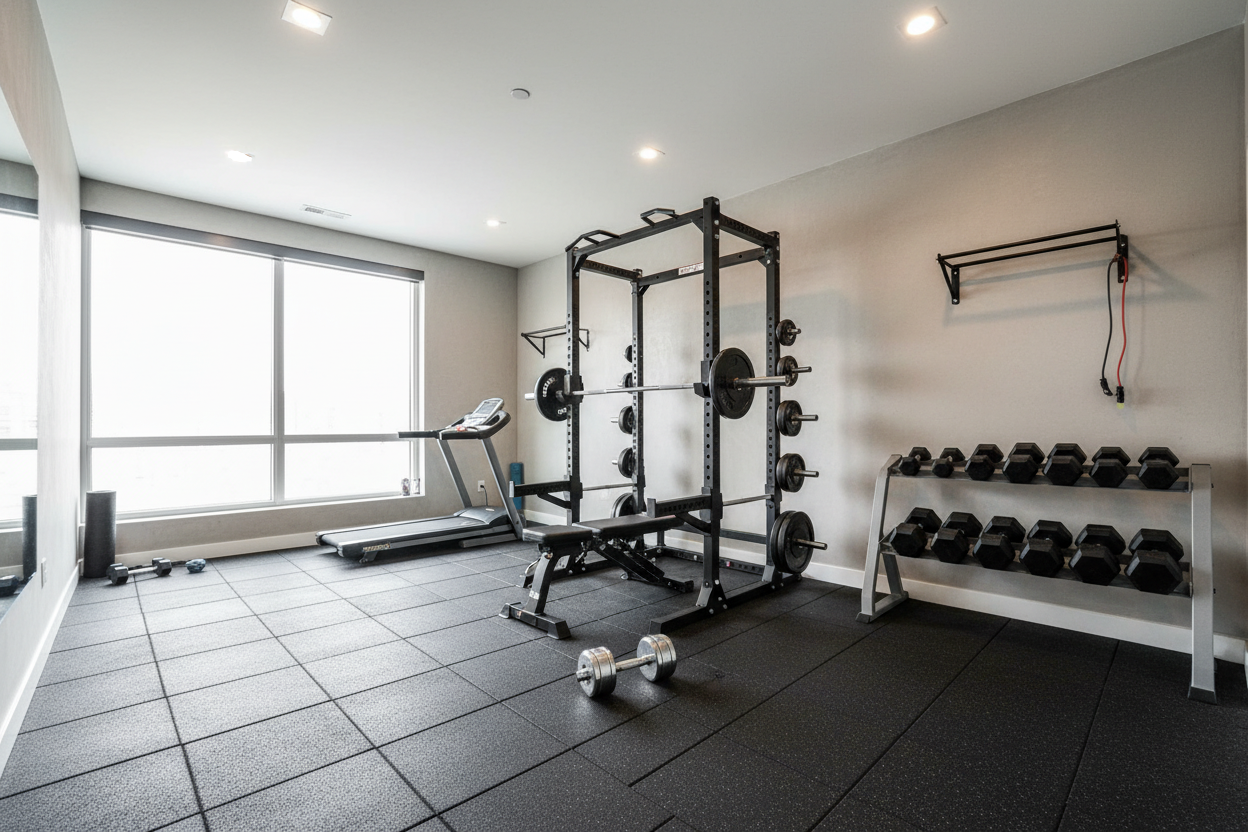
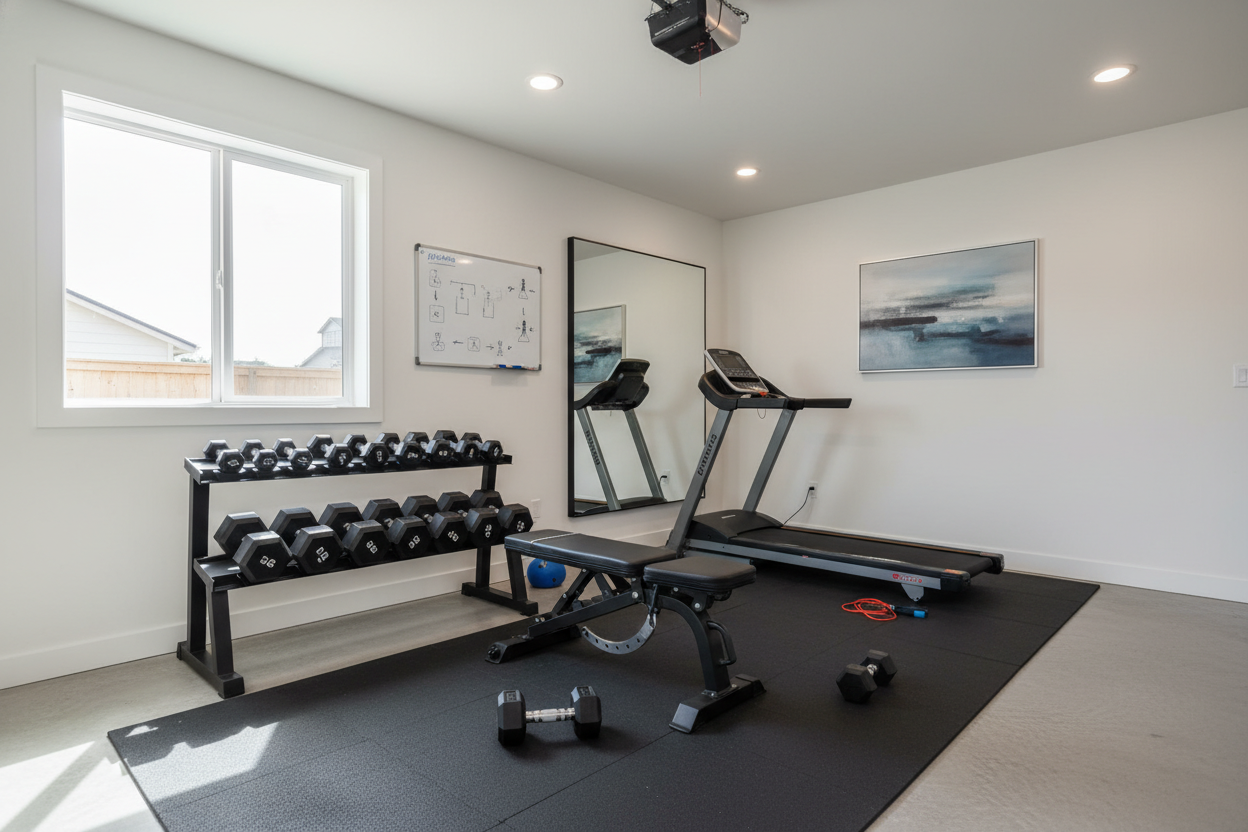
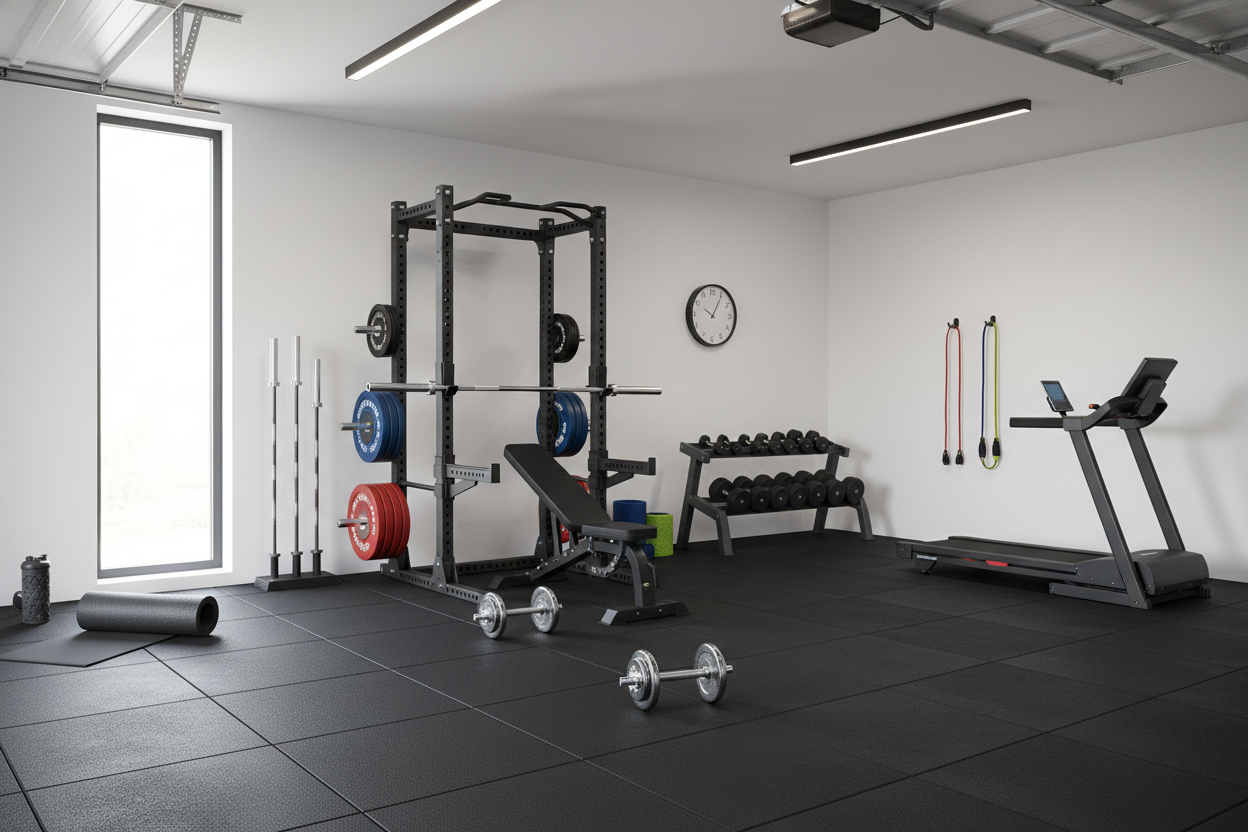
The single biggest hurdle to a consistent lifting weights schedule is the commute. If it takes you 20 minutes to drive to the gym, 10 minutes to change, and 20 minutes to get home, you've wasted nearly an hour before you even did a set. This is why I'm such a huge advocate for home training. You don't need a 2,000-square-foot facility. You need a corner of the garage or a spare room.
The foundation of a high-performance home gym is simpler than you think. An all-in-one power rack weight bench package gives you everything you need to squat, bench, and pull in a footprint that actually fits in a standard room. Add a solid adjustable weight bench so you can hit incline presses and seated rows, and you've effectively replaced a $100/month commercial membership. When the equipment is ten feet from your desk, the 'I don't have time' excuse dies a quick death.
What Actually Happens When You Miss a Day?
Life happens. Your car breaks down, a project goes sideways, or you just wake up feeling like you got hit by a truck. The biggest mistake I see is the 'all or nothing' mentality. If you miss Wednesday, don't try to do a double workout on Thursday. You'll just fry yourself and ruin the rest of the week. Just slide the schedule down by one day and keep moving.
Think of your weight lifting workout schedule as a rolling list of tasks rather than a strict Monday-Sunday calendar. If you miss Workout B on Wednesday, Wednesday becomes a rest day, and you do Workout B on Thursday. It doesn't matter if you finish your 'week' on a Tuesday. The only thing that matters is the total volume you accumulate over months and years, not whether you hit chest on a specific Monday.
Personal Experience: The 5 AM Mistake
I once tried to force myself into a 5:00 AM lifting schedule because that's what all the 'grind' influencers suggested. I lasted three weeks. I was miserable, my strength plummeted because I wasn't fueled, and I was falling asleep at my desk by 2:00 PM. I realized that just because a schedule is 'optimal' for someone else doesn't mean it works for a guy who needs eight hours of sleep to function. I switched to a 4-day upper/lower split right after work, and my lifts immediately shot up. The best schedule is the one you don't have to argue with yourself to start.
FAQ
How long should a workout last for a busy person?
Ideally, 45 to 60 minutes. If you're focusing on heavy compounds and keeping your rest periods to 90-120 seconds, you can get a massive amount of work done in an hour. Anything beyond 75 minutes usually results in diminishing returns for someone with a high-stress job.
Can I build muscle lifting only 3 days a week?
Absolutely. In fact, many people grow better on three days because they finally give their bodies enough time to recover and repair. High-intensity full-body sessions three times a week is a classic, proven way to build serious mass.
Should I do cardio on my lifting days?
If time is tight, keep them separate or do 10-15 minutes of low-intensity walking after your lift. Don't let a long cardio session eat into the time you've allocated for strength training if your primary goal is muscle or strength.
Is a home gym really worth the investment?
If it saves you 40 minutes of commuting three times a week, that’s 100+ hours a year you get back. Between the time savings and the lack of monthly fees, a basic rack and bench setup usually pays for itself in less than two years.