How to Pick Weight Training Programs You Can Actually Finish
I’ve been there at 11 PM, staring at a color-coded Excel sheet, convinced that this specific Russian squat cycle is the missing link to my mediocre total. We all love the 'new program smell.' You download a new 12-week peak, buy the matching wrist wraps, and by Tuesday of week four, you’re already looking at a different weight training programs because your bench press didn't jump 20 pounds overnight. The truth is, most of us don't need a better program; we need to stop being program-hopping junkies who quit the moment the novelty wears off.
- Consistency is the only metric that actually builds muscle.
- If a program is 'fun' every day, it’s probably not working.
- Build your routine around the gear you own, not the gear you wish you had.
- Volume must match your recovery capacity, not your ego.
The Dopamine Trap of the 'Perfect' Routine
There is a specific kind of high that comes with downloading a new PDF or starting a fresh spreadsheet. It feels like progress. You see the percentages, the accessory blocks, and the 'taper week,' and you imagine yourself walking into the garage and effortlessly smashing PRs. This is the dopamine trap. It’s the psychological trick that makes you feel like you’ve already done the work just because you’ve planned the work. I’ve seen guys spend three weeks researching the 'optimal' frequency for rear delts while their squat rack gathers dust.
The problem is that the excitement of a new routine is a mask. It covers up the fact that you’re bored or, worse, that the last program actually got hard. When the weights get heavy enough that you’re genuinely nervous before a set, the brain looks for an exit. 'Maybe this program isn't right for my body type,' you tell yourself as you scroll for a new template. In reality, you’re just avoiding the grind. A 'perfect' routine that you quit after three weeks is infinitely worse than a 'sub-optimal' routine that you grind out for six months. Real progress is found in the boring middle of a program, long after the dopamine from the initial download has evaporated into the cold garage air.
Why Good Weight Training Programs Feel Boring After Week 3
If you’re complaining that your program is too repetitive, you’re probably finally starting to make progress. Muscle isn't built on novelty; it's built on the soul-crushing repetition of the same five or six movements until you're strong enough to move a house. Progressive overload is the most boring concept in fitness because it requires you to do the same thing you did last week, just slightly heavier or for one more rep. There are no shortcuts, and there are certainly no 'secret' exercises that the pros are hiding from you.
By week three or four of any legitimate program, the initial 'fun' is gone. You know exactly what you have to do: you have to get under that bar and fight for a weight that felt heavy seven days ago. This is where most people fail. They mistake boredom for a lack of efficacy. They think that because they aren't 'feeling the burn' in new places every day, the program has stopped working. The reality is that your body is finally adapting. Muscle growth is an expensive process for your body; it doesn't want to do it unless it's forced. Repeating the same patterns with increasing intensity is the only way to apply that force. If you’re constantly changing your exercises, you never get proficient enough at them to actually move enough weight to trigger growth. Stop chasing the pump and start chasing the progression.
What Actually Matters When Choosing Your Next Template
Before you commit to your next 12-week block, you need to filter out the noise. Most programs you find online are designed for people whose entire life revolves around the gym. If you have a job, a family, and a mortgage, you cannot train like a 22-year-old on 'supplements' who sleeps ten hours a day. You need to look at the frequency and the 'big rocks' of the program. Does it prioritize the squat, bench, and deadlift? Does it have a clear path for adding weight? If it’s mostly fluff and 'feel-good' isolation work, skip it. You need a framework that respects your recovery time and your lifestyle constraints.
Match the Volume to Your Life, Not a Pro's
I’ve seen too many lifters try to run a 6-day PPL (Push/Pull/Legs) split while working 50 hours a week. It works for a week, maybe two. Then life happens. You miss a Wednesday, then a Thursday, and suddenly the whole week is a wash. You feel like a failure, and you quit. Instead, look for weight lifting training programs for beginners or intermediates that focus on a 3-day or 4-day full-body or upper/lower split. It is much better to hit a 3-day program with 100% consistency than to attempt a 6-day program and only make it to the gym four times. Consistency isn't about being perfect; it's about making the program fit into the gaps of your real life so you don't have an excuse to skip.
Account for Your Actual Equipment Setup
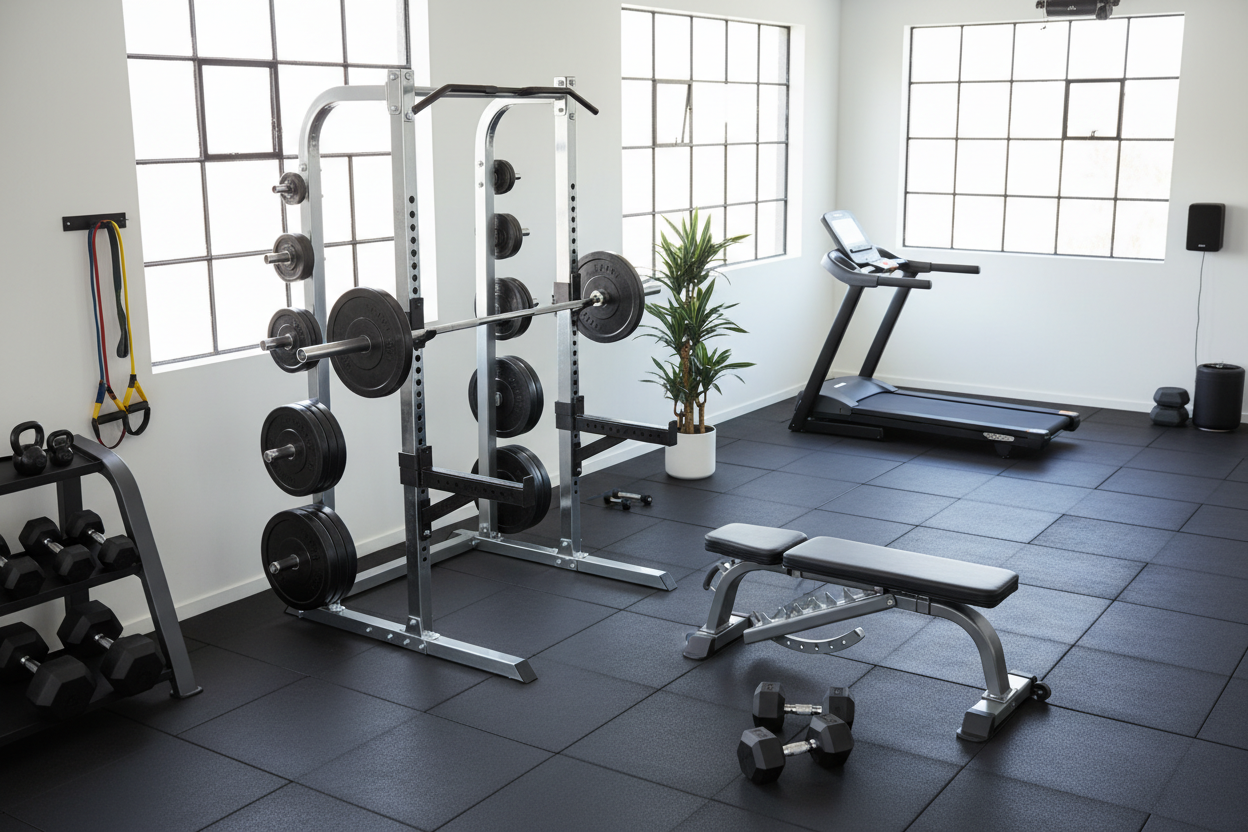
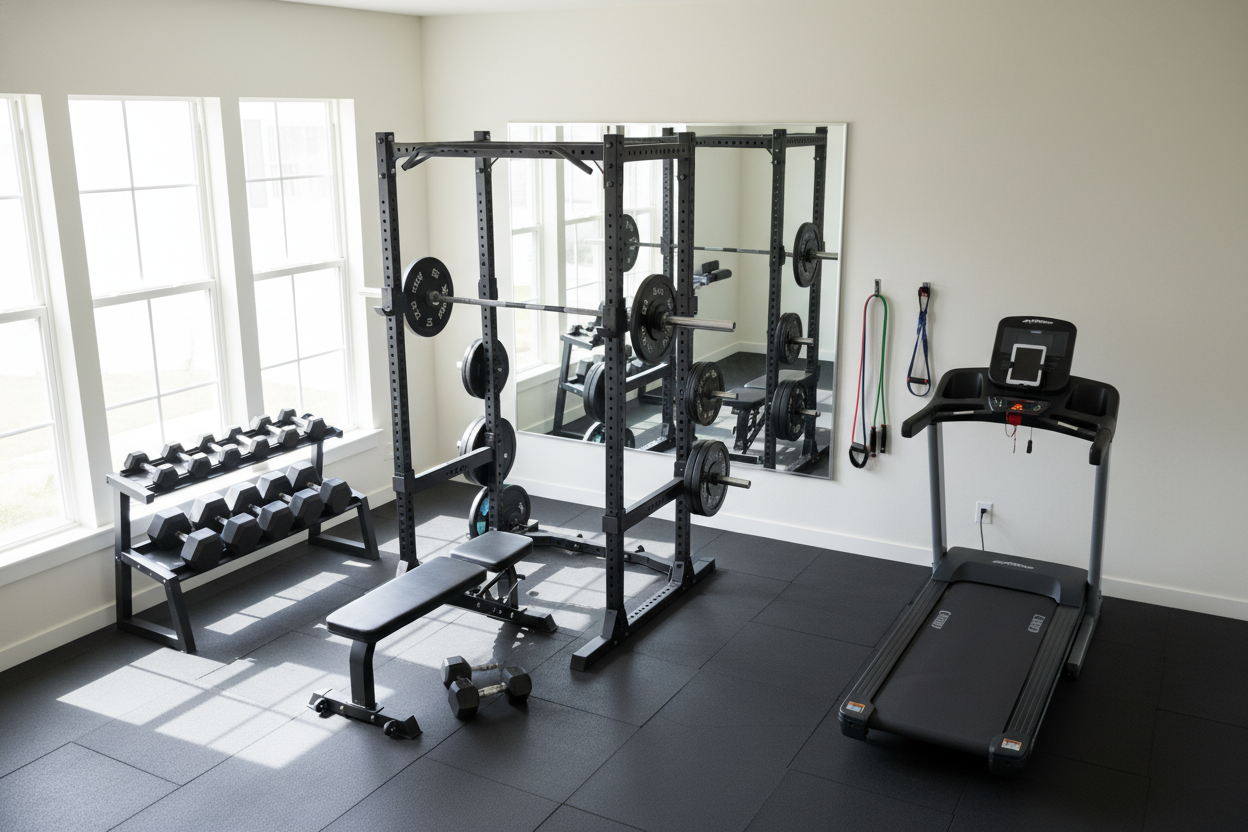
Stop picking programs that require a cable crossover, a leg press, and a functional trainer if all you have is a rack and some iron. You’ll spend half your workout trying to 'hack' a solution with bands and dumbbells, and the stimulus won't be the same. If you want to run a serious, versatile program without the headache of constant substitutions, you need a solid foundation. Something like the Gxmmat X6 Power Rack Weight Bench Package is a literal foundation for 95% of the programs worth doing. It gives you the safety of a rack and the stability of a real bench. When your equipment matches the program's demands, you stop making excuses and start making progress. Don't fight your gear; buy the gear that lets you train.
The 'Just Buy a Bench' Minimalist Reality Check
We love to overcomplicate things. We think we need a commercial-grade leg extension machine to grow quads, but people have been building massive legs with nothing but a bar and a bench for a century. If you're tight on space or budget, stop looking for a program that requires twenty different machines. A high-quality Gxmmat Adjustable Weight Bench and a heavy set of dumbbells can take you further than most people realize. You can hit chest, shoulders, back, and even legs (hello, Bulgarian split squats) with just that setup. If you can't get strong with a bench and some iron, no amount of specialized equipment is going to save you. Minimalism forces you to focus on the movements that actually move the needle.
How to Know When It's Actually Time to Switch
So, when do you actually pull the plug? It’s not when you’re bored. It’s when you’ve genuinely stalled for three or four weeks in a row despite sleeping and eating enough. If your lifts have plateaued, and you’ve already tried 'resetting' the weight by 10% and working back up, then—and only then—is it time to look for a new stimulus. Another sign is chronic joint pain. If a program's specific exercise selection is beating up your elbows or knees, swap the exercises or find a template with a different focus. But if you’re just 'not feeling it' this week? Tough. That’s when the real training happens. Finish the block. Prove to yourself you can stick to something for 12 weeks. The discipline you build by finishing a 'boring' program is more valuable than the muscle you build during it.
My Personal Failures
I once tried to run a high-volume Smolov squat cycle while I was moving houses and working a high-stress job. I thought I could 'out-will' the fatigue. By week three, my knees felt like they were filled with broken glass, and I was so exhausted I could barely function at work. I had to quit the program, and I felt like a failure for months. The mistake wasn't the program—Smolov works—the mistake was my ego. I chose a program for the person I wished I was, not the person who was carrying boxes 10 hours a day. Now, I pick routines that I know I can finish even on my worst day. That’s how you actually get strong.
FAQ
Can I swap barbell rows for dumbbell rows?
Yes. As long as you’re hitting the same muscle group with a similar intensity, swaps are fine. Just don't swap a hard exercise (like squats) for an easy one (like leg extensions) and expect the same results.
How long should a weight training program last?
Most solid programs are designed in 8 to 12-week blocks. This gives your body enough time to adapt to the stimulus and for you to actually see measurable progress in your strength and hypertrophy.
What if I miss a workout?
Don't double up the next day. Just pick up exactly where you left off. If you miss a week, repeat the previous week's weights to get your momentum back. The only way to truly fail is to stop entirely.