How to Buy a Set of Weights for Sale Without Getting Scammed
I remember my first 'steal' on a set of weights for sale. I drove forty minutes into the suburbs to buy what looked like a pristine iron set, only to find plates so rusted they were literally fusing to the bar. It was a waste of gas and a lesson in skepticism. If you are tired of your local commercial gym raising rates while the equipment falls apart, building a home gym is the move—but you have to be smart about it.
The internet is flooded with weight sets on sale that look like a bargain but perform like trash. Whether you are scrolling through Amazon at midnight or hitting up a local clearance rack, you need to know the difference between a genuine discount and a marketing scam designed to offload low-quality scrap metal on unsuspecting lifters.
Quick Takeaways
- Avoid plastic-coated weights filled with sand or cement; they are a short-term 'fix' that leads to a long-term mess.
- Standard pricing for used iron should never exceed $1 per pound unless it is a premium machined brand.
- Always verify the hole diameter—1-inch 'standard' plates won't fit the 2-inch Olympic bars you actually want to use.
- Check the weight tolerance; cheap plates can be off by as much as 5-10%, which ruins your progressive overload.
The Mirage of the 'Perfect' Local Classified Deal
We have all been there, refreshing Facebook Marketplace hoping for that one person moving cross-country who just wants their weights gone. Usually, you just find guys trying to sell rusty, chipped weights set sale items for more than they cost at a retail store. It is a weird phenomenon where people think their sweat-stained iron appreciates like fine wine.
If you are looking for a weight lifting set for sale locally, bring a scale. I have seen '45-pound' plates that actually weighed 41 pounds. If you are trying to hit a PR, that 4-pound discrepancy is a massive deal. Unless the plates are from a reputable brand like Rogue, York, or Ivanko, do not pay premium prices for someone else's basement clutter.
Cement, Sand, and Plastic: The Holy Trinity of Garbage
When you see those ultra-cheap clearance weight sets at big-box retailers, look closely at the material. If it is 'vinyl-coated' or 'poly-composite,' it is almost certainly filled with sand or cement. These are fine for a week, but the moment you drop them—or even set them down too hard—the plastic casing cracks. Once that happens, you have a literal sandstorm in your garage.
This is why buying a weight lifting set with weights is usually a trap. These manufacturers save money by using the cheapest filler possible, knowing you will have to replace them in six months. Real training requires iron or rubber. Anything else is just a toy that takes up space.
So, How Much Are Weight Sets Supposed to Cost?
Knowing the market rate is your best defense against getting ripped off. For a basic discount weight set of cast iron plates, you should be looking at roughly $1.20 to $1.50 per pound brand new. If you find a sale that drops it closer to $1 per pound, you are doing well. Machined plates, which are more accurate and have a cleaner finish, usually run $2.00 to $2.50 per pound.
Bumper plates are a different beast because they allow you to drop the bar without shattering your concrete floor. Expect to pay $1.50 to $2.25 per pound for decent virgin rubber bumpers. If you see a 'set of weights for sale' that includes a bar and 300 lbs of plates for $200, run away. That bar is likely a 'beater' bar with a 250-lb capacity that will bend the first time you try to squat heavy.
Spotting Fake Holiday Markdowns and Inflated MSRPs
Retailers love to play the 'discount' game. They will hike the price of a weight set to an absurd $800 in October just so they can claim it is 50% off during Black Friday. Don't fall for the percentage; look at the final price per pound. A 'sale' is only a sale if the price is lower than the average market rate for that specific material.
I have tracked prices on various weights set sale events over the years, and the most honest deals usually happen in mid-summer when gym equipment sales slow down. January is actually the worst time to buy because demand is at an all-time high, and 'clearance' items are often just the leftover stock that nobody else wanted.
When It Actually Makes Sense to Just Buy New
Sometimes, the headache of hunting for used gear isn't worth the $50 you save. When you buy new from a reputable company, you get a warranty and, more importantly, a bar that won't snap under load. If you are starting from scratch, investing in a reliable weight set and bench is the smartest way to ensure your foundation is solid.
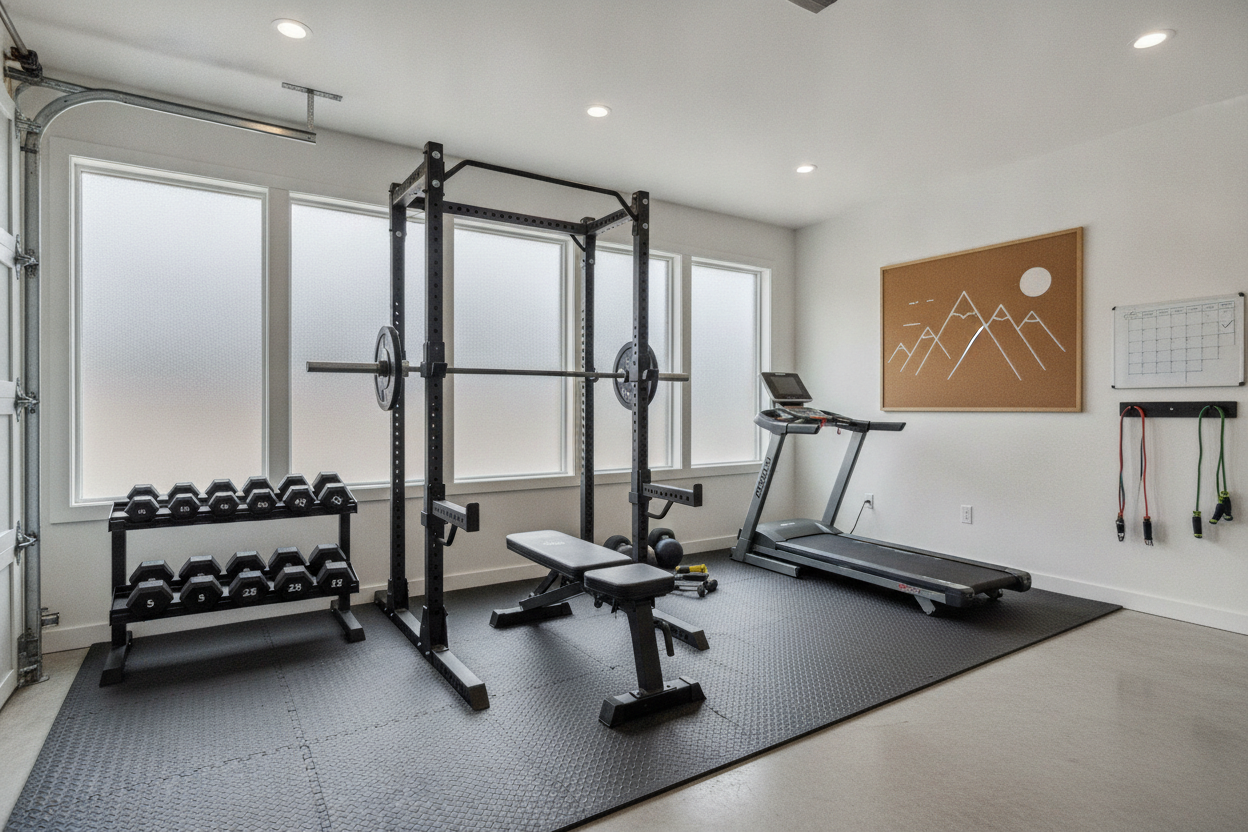
For those who want to skip the guesswork, a package like the Gxmmat X6 Power Rack Weight Bench Barbell Bumper Plate Set provides everything you need in one shot. It beats spending three months trying to find a matching set of plates from five different strangers on the internet. You get a rack that fits in a standard garage and plates that actually weigh what they say they do.
Personal Experience: My $100 Mistake
Years ago, I bought a 'standard' 110-lb weight set from a local shop because it was on clearance. I didn't realize 'standard' meant the bar was only 1 inch thick. None of my future Olympic plates would fit that bar, and the 1-inch plates I bought were useless once I got a real rack. I ended up giving the whole set away for free just to get it out of my sight. Buy 2-inch Olympic equipment from day one—it is the only stuff that scales with your strength.
FAQ
How can I tell if a weight set is high quality?
Look at the center hole. On iron plates, it should be clean and snug on the bar. On bumpers, look for a stainless steel insert that is firmly seated. If the rubber smells like a tire fire or the paint is flaking off in your hands, walk away.
Are 'recycled' rubber bumper plates any good?
Crumb rubber bumpers (the ones that look like they have colorful flecks) are incredibly durable and great for outdoor use. However, they are thicker than virgin rubber, meaning you can't fit as many on the bar. If you plan on deadlifting over 400 lbs, stick to thinner plates.
Is a 300-lb weight set enough for a home gym?
For most people starting out, yes. A standard 300-lb set includes a 45-lb bar and 255 lbs of plates. It will cover your squats, benches, and deadlifts for the first year or two of serious training. You can always add individual pairs of 45s later.