The 'Base Camp' Gym Beginner Guide for Total Novices
You know that feeling. You walk into a big-box gym, the air smells like industrial cleaner and old socks, and every machine looks like a mid-century torture device. You're trying to follow a gym beginner guide you found online, but some guy is doing bicep curls in the only squat rack, and you're pretty sure half the room is watching you struggle with the pin on the leg press. It is a recipe for quitting before you even start.
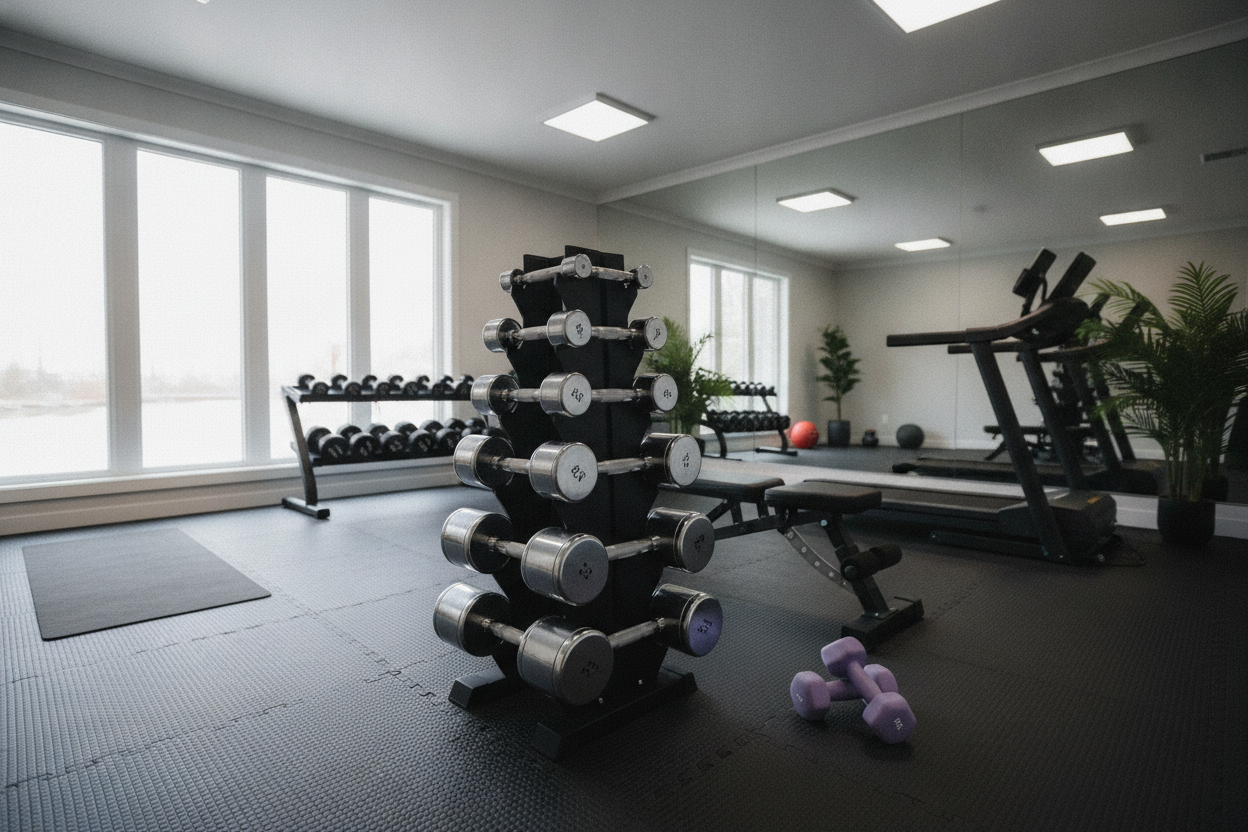
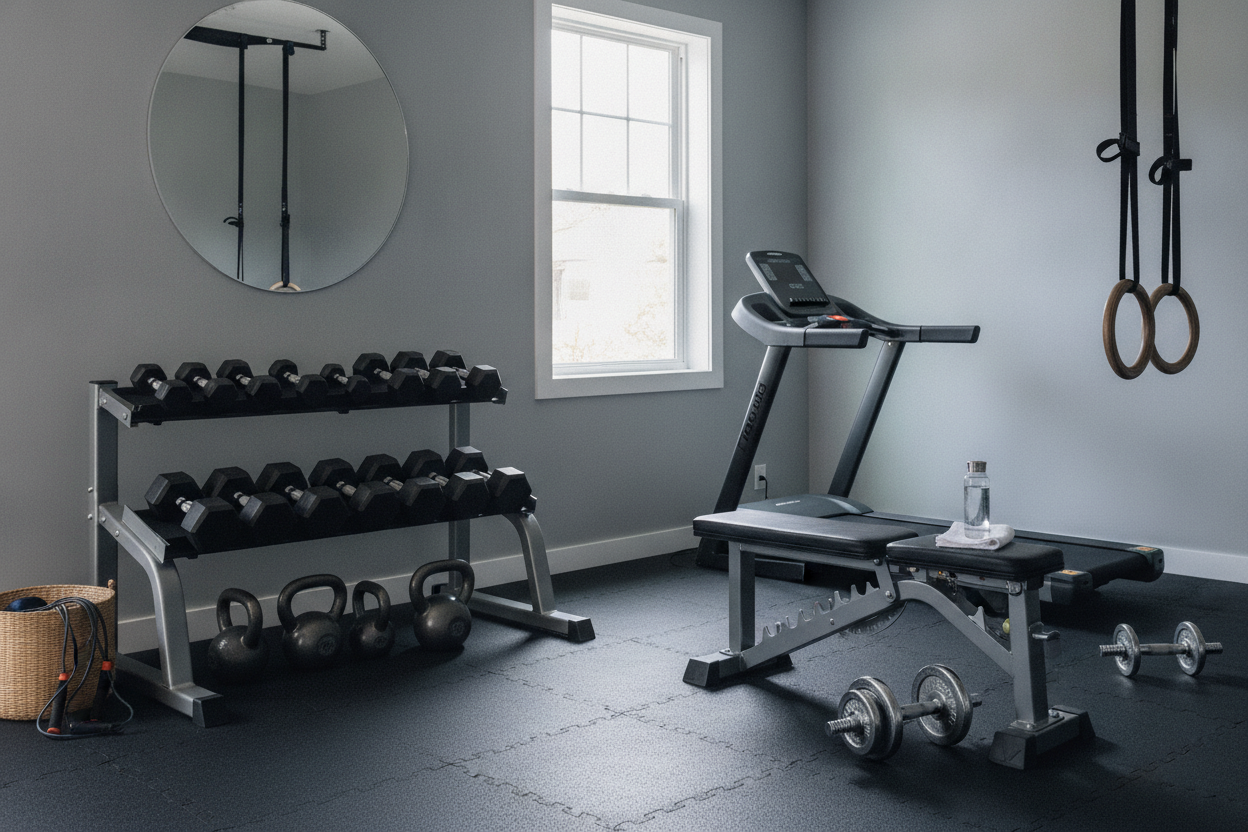
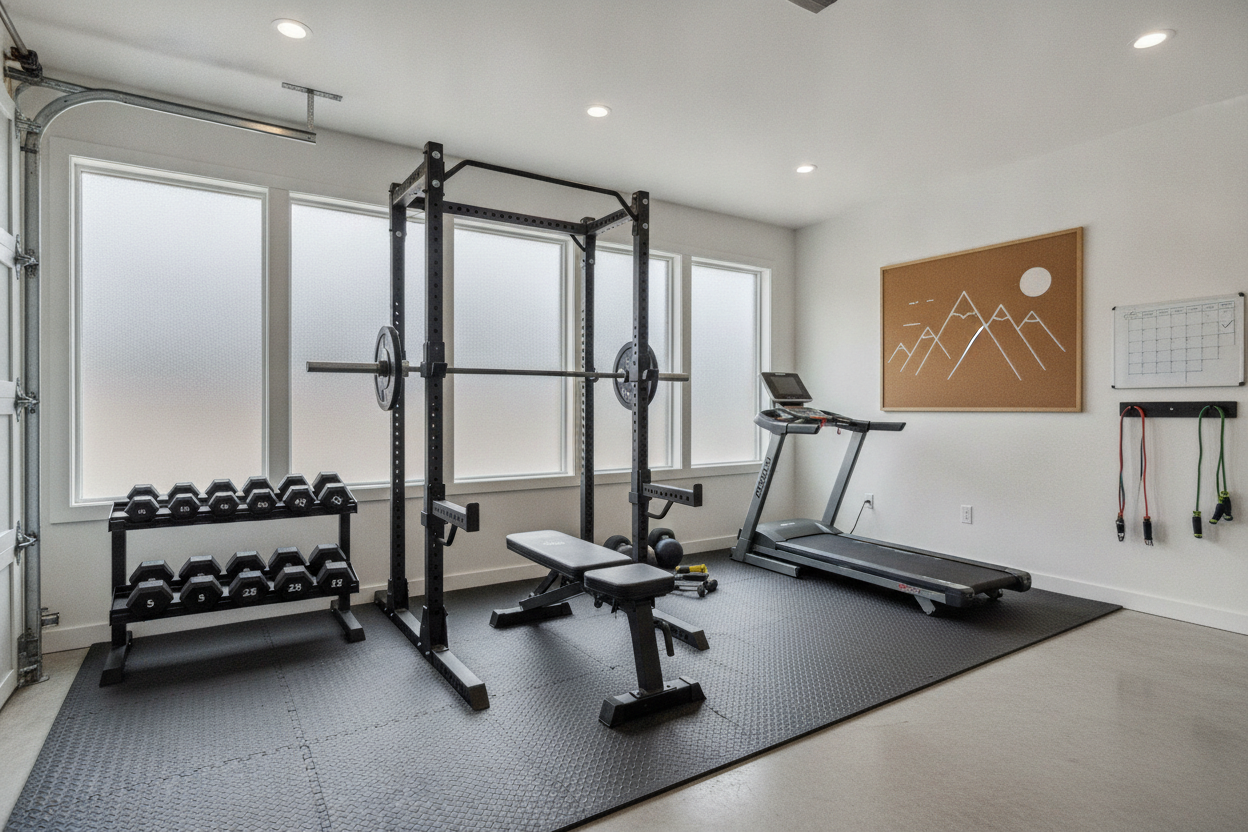
Instead of throwing yourself into the deep end, I advocate for the 'Base Camp' approach. This is about building your foundation in a low-stakes environment—your own home. By mastering the basics in your living room or garage, you walk into a commercial facility later with a plan and the physical competence to back it up.
Quick Takeaways
- Start at home to eliminate 'gymtimidation' and sensory overload.
- Define a dedicated training space to prime your brain for work.
- Master bodyweight mechanics (squat, hinge, push) before touching a barbell.
- Invest in versatile staples like mats and bands before buying big machines.
- Graduate to a commercial gym only after hitting specific movement milestones.
Why Your First Workout Shouldn't Be in Public
Walking into a commercial gym on day one is like trying to learn a new language while standing in the middle of a freeway. There is too much noise, too much ego, and too much friction. If you have to fight for a parking spot and then wait twenty minutes for a bench, your motivation will evaporate. Starting at home is a tactical advantage, not a compromise.
At home, you control the variables. You can fail a rep without an audience. You can record your form on your phone without feeling like a 'fitness influencer.' Most importantly, you can focus on how your muscles actually feel rather than worrying about whether you're using the equipment correctly. This phase is about neurological adaptation—teaching your brain to talk to your muscles—and that happens best in a quiet, controlled environment.
Setting Up Your 'Base Camp' Without Breaking the Bank
You do not need a $5,000 power rack to get started. You need a 'Base Camp'—a designated 6×8 ft area that signals to your brain that it is time to work. I have seen people try to train in the middle of a cluttered living room, and it never lasts. You need a clear boundary between 'relaxation space' and 'training space.'
The first thing you need is a solid foundation. Don't train on bare hardwood or slippery carpet. I always recommend starting with a large exercise mat for home gym setup. It protects your joints, keeps your floor from getting destroyed by sweat, and psychologically anchors your workout. Once that mat is rolled out, you are in the 'gym.' The cost is minimal compared to a monthly membership, and the ROI on consistency is massive.
Mastering Your Own Bodyweight First
I have seen guys who can bench press 315 pounds but can't perform a single controlled bodyweight lunge without their knees collapsing inward. That is a fast track to the physical therapist's office. Before you touch heavy iron, you must master the 'Big Three' of bodyweight movement: the air squat, the hip hinge, and the push-up.
Use a 6x8ft exercise mat to practice these movements. The extra surface area is vital for lateral lunges and core stability work where you need to sprawl out. If you can't hold a perfect plank for 60 seconds or perform 15 deep, controlled squats with your heels glued to the floor, you have no business adding external weight. This gym for beginners guide focuses on the 'Base Camp' protocol because movement quality is the only thing that prevents injury in the long run.
When (and How) to Start Adding Equipment
Once bodyweight movements feel like a warm-up, it is time to add resistance. This is where most people go wrong—they buy a complicated cable machine that ends up as a clothes rack. Stick to the staples. A single kettlebell, a set of resistance bands, and maybe a pair of adjustable dumbbells are all you need for the first six months.
Avoid the 'as seen on TV' gimmicks. They are built with cheap plastic and have zero resale value. If you're unsure what to buy first, check out this practical home gym equipment guide for beginners. It breaks down the gear that actually survives a high-intensity session. Remember, the goal of Base Camp is versatility. You want tools that allow you to perform hundreds of different exercises, not a machine that only does one thing.
Your 'Gym For Beginners Guide' Graduation Checklist
How do you know when you're ready to leave Base Camp? It isn't about a date on the calendar; it is about hitting milestones. Can you do 20 perfect push-ups? Can you hold a goblet squat for 30 seconds with a 20lb weight? Do you have the discipline to train three times a week for a month straight? If the answer is yes, you've graduated.
At this point, you have two choices: take your new skills to a commercial facility or double down on your home setup. Many of my readers find that they actually prefer the privacy and efficiency of training at home. If that is you, move on to a simple home gym setup guide for beginners to start looking at squat stands and barbells. You've built the habit; now it's just about upgrading the tools.
Personal Experience: My First Gear Mistake
When I first started, I bought a $20 door-frame pull-up bar. I thought I was being savvy. On my third rep, the plastic brackets snapped, I hit the floor, and I took a chunk of the door trim with me. I spent more money fixing the door than I would have spent on a quality wall-mounted bar. The lesson? Cheap gear is a tax on the poor. If you can't afford the 'good' version of a piece of equipment yet, stick to bodyweight until you can. Your safety and your drywall will thank you.
FAQ
Do I really need a mat to start?
Yes. Aside from protecting your floors, it provides the necessary grip for your feet and hands. Doing mountain climbers on a rug is a great way to face-plant.
How long should I stay in the 'Base Camp' phase?
Usually 4 to 8 weeks. That is enough time to build the mind-muscle connection and the basic strength needed to handle gym machines or free weights safely.
Is bodyweight training enough to build muscle?
For a beginner, absolutely. Your muscles don't know the difference between a 45lb plate and the weight of your own torso. Resistance is resistance.