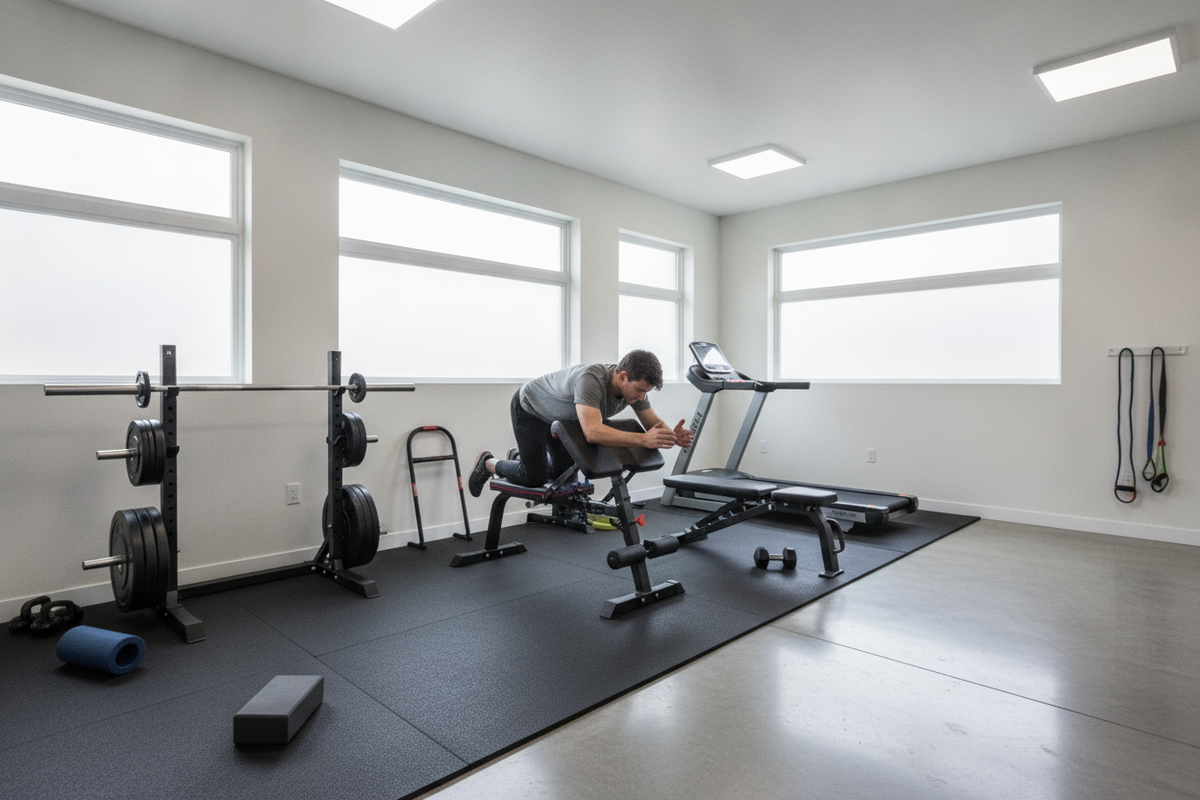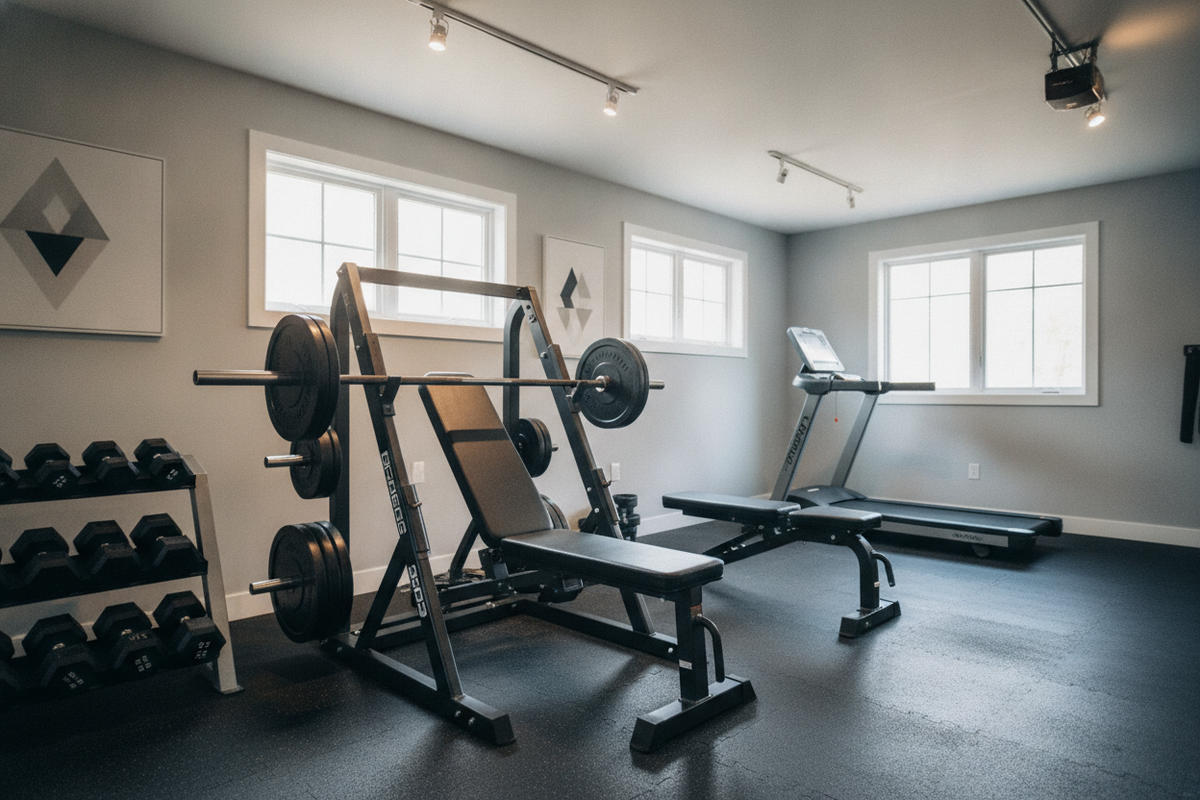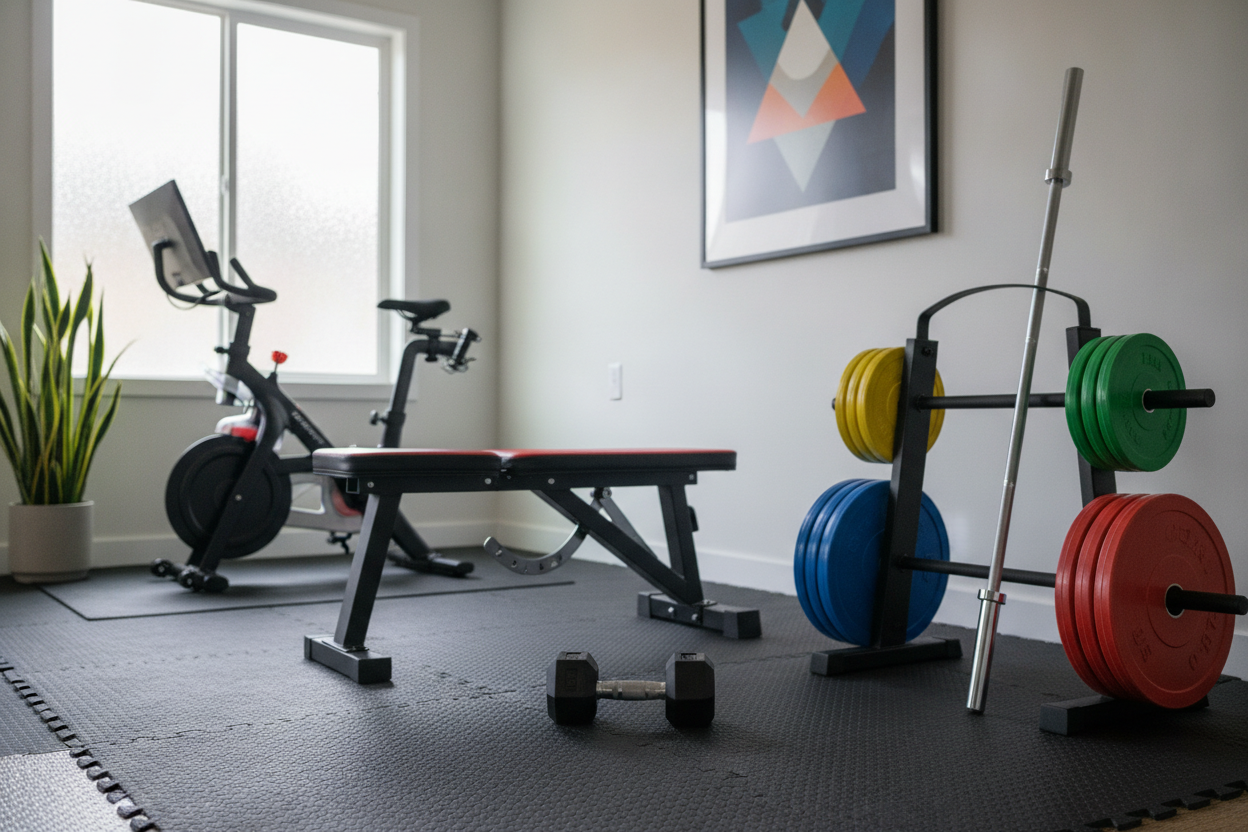
How to Buy a Beginner Weight Set for Teenager Lifters (That Won't Break)
I remember the day my oldest son asked if he could start lifting in the garage. My first instinct was to run to the local big-box sporting goods store and grab whatever was on sale. I almost bought one of those plastic-coated, sand-filled sets that look like toys. I’m glad I didn’t. If you are hunting for a beginner weight set for teenager lifters, you have to look past the shiny packaging and find gear that won't end up in a landfill by next Christmas.
Quick Takeaways
- Avoid plastic-coated concrete weights; they leak sand and have zero resale value.
- Stick to 2-inch 'Olympic' sized bars and plates for long-term compatibility.
- A power rack with spotter arms is the single most important safety feature for solo lifting.
- Prioritize a high-capacity bench over fancy machines.
The Flimsy Plastic Trap (And Why You Need to Avoid It)
Walk into any department store and you’ll see 'starter' sets made of vinyl and cement. They’re cheap, sure, but they are a nightmare for a developing athlete. These weights are incredibly bulky, making it impossible for a teen to maintain proper form on movements like rows or cleans because the diameter of the plates is all wrong.
A proper starter weight set for teenager athletes needs to be made of real cast iron or low-bounce rubber. When a kid drops a plastic-coated weight, the casing cracks and the sand starts leaking all over your floor. Iron lasts forever. Plus, there is a psychological component: lifting real metal feels like actual training. It builds respect for the equipment and the process.
I’ve seen too many parents buy the 'quiet' plastic weights only to replace them six months later because their kid outgrew the 100-lb limit of the flimsy bar. Buy iron once, and your kid might still be using those same plates in their own garage twenty years from now.
What Actually Makes the Best Weight Set for Teenager Gains?
When you’re looking for the best weight set for teenager safety and progression, you have to talk about the bar. Most 'cheap' sets use 1-inch standard bars. These are a dead end. They have low weight capacities, they bend under moderate loads, and you can’t find quality accessories for them. You want a 2-inch Olympic bar.
Proper knurling—that sandpaper-like texture on the bar—is also non-negotiable. If the bar is smooth and slippery, it’s dangerous once their hands get sweaty. You want a grip that feels secure without being so sharp it draws blood. This is part of the broader guide to buying the right weight set that focuses on long-term value over the lowest sticker price.
Finally, look for 'bumper' plates if they plan on doing any explosive movements. Rubber bumpers allow for a safe drop if a lift goes wrong, protecting your concrete floor and the teen’s joints. If they are just sticking to the basics, iron is fine, but bumpers are the gold standard for home safety.
Dumbbells vs. Barbell: Where Should They Actually Start?
Dumbbells are great for accessory work, but if your teen is playing high school sports, the barbell is king. The big three—squat, bench, and deadlift—build the kind of foundational strength that carries over to the football field or the wrestling mat. You can’t easily replicate the heavy central nervous system loading of a barbell with light dumbbells.
I usually recommend starting with a weight set and bench combo. This setup allows them to perform every major compound movement safely. It teaches them how to stabilize a single heavy object, which is a vital skill for athletic development. Dumbbells can come later as they start to care more about bicep peaks and shoulder definition.
The goal at this age isn't just 'getting big.' It's about learning mechanics. A barbell forces a symmetrical pull and push, which helps identify and correct muscle imbalances before they become permanent issues.
The One Piece of Gear You Can Never Skimp On
You can save money by buying used iron plates that are a little rusty. You can save money by skipping the fancy chalk. But do not, under any circumstances, buy a cheap, wobbly bench. I’ve seen benches from big-box stores literally fold under 200 pounds. That is a recipe for a trip to the ER.
A sturdy adjustable weight bench should feel like a tank. It shouldn't rock when you sit on it, and the 'gap' between the seat and the backrest should be minimal. Look for a weight capacity of at least 600 lbs. That might sound like overkill for a 150-lb teen, but that rating includes the weight of the lifter PLUS the weight they are holding. A 300-lb capacity bench is actually very close to its breaking point with a growing teenager and a decent set of weights.
Why Buying a Packaged System Beats Piecing It Together
I learned this the hard way. I spent three months scouring Facebook Marketplace and Craigslist, driving all over the county to save twenty bucks here and there. By the time I factored in gas, my time, and the fact that half the stuff I bought was rusted or bent, I realized I was wrong about piecing my gym together. It’s a headache you don’t need.
Buying a complete power rack and weight package is the move for most parents. These bundles are designed to work together. The bar fits the rack perfectly, the plates are the right diameter, and most importantly, they usually include spotter arms. If your teen is lifting alone in the garage while you're inside making dinner, those spotter arms are their best friend. They catch the bar if the lifter hits failure, preventing a pinned chest or a dropped squat.
It’s a larger upfront investment, but it’s a one-and-done purchase. You won’t be back at the store in six months because a bolt sheared off or the bar started to flake chrome into your kid's eyes.
FAQ
Is lifting weights safe for a 14-year-old?
Yes, provided they focus on form over weight. Modern sports science shows that strength training is safe for teens and actually helps prevent sports injuries by strengthening tendons and ligaments. Just keep the 'ego lifting' in check.
How much weight should I buy to start?
A standard 160-lb to 230-lb set is plenty for a beginner. It gives them enough weight to grow into for squats and deadlifts without cluttering the garage with plates they won't use for three years.
Do I need a platform for the weights?
If you're using iron plates on bare concrete, you'll eventually crack the floor. At the very least, grab some 3/4-inch rubber stall mats. They dampen the noise and save your foundation.