Your Lower Back Hurts Because Your Hip Thrust Form Sucks
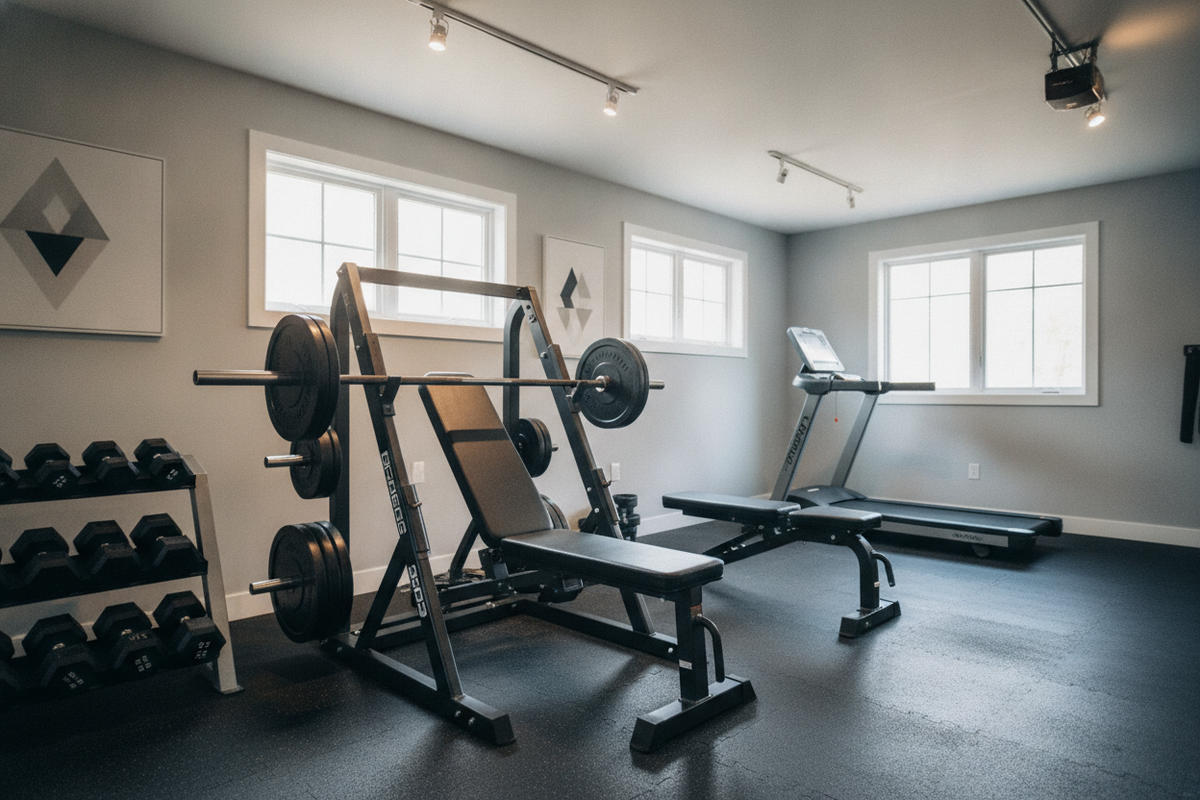
I have spent the last decade in my garage gym loading bars, dropping weights, and occasionally making a fool of myself trying to master the latest 'must-do' movement. Right now, that movement is the hip thrust. It is the undisputed king of glute training, but most people I see doing it look like they are trying to snap their lumbar spine in half. If you are feeling this more in your lower back than your backside, you are doing it wrong.
Quick Takeaways
- The primary hip thrust target muscle is the gluteus maximus, not the lower back.
- Bench height is the most common failure point; aim for about 16-17 inches.
- A chin tuck and posterior pelvic tilt are mandatory to protect your spine.
- Barbell hip thrusts allow for maximum loading, but dumbbells work for high-rep burnout.
The Glute Builder That Usually Just Wrecks Your Back
The hip thrust workout has exploded in popularity because, frankly, it works. Unlike squats or deadlifts where your grip or your back might give out first, the thrust allows you to move massive weight using the strongest muscles in your body. But let's be real: it is an awkward exercise. You are hucking a loaded barbell across your pelvis while staring at everyone in the gym.
Because it feels weird, people rush the setup. They grab a bench that’s too high, they don't use a pad, and they end up arching their back to get the weight up. What should be a glutes thrust becomes a lower-back extension. If you want to know what are hip thrusts good for, the answer is explosive power and a better-looking posterior, but you won't get either if you're sidelined with a disc injury.
What Muscles Does a Hip Thrust Actually Work?
When you ask what muscle does hip thrust work, the answer is overwhelmingly the gluteus maximus. Because the weight is placed directly over the hips and the knees are bent, you take the hamstrings out of the equation more than you would in a stiff-leg deadlift. This is pure glute isolation at its heaviest.
Secondary hip thrust muscles worked include the hamstrings, adductors, and even your core, which has to stabilize the torso. While this is the 'big' movement for mass, I often tell people to build rounder glutes with the hip abductor machine to hit the glute medius and minimus. The thrust builds the 'meat,' while abduction work builds the 'shelf.'
How to Nail Proper Hip Thrust Form (Without Looking Stupid)
Proper hip thrust form starts with the pivot point. Your shoulder blades (specifically the bottom of the scapula) should be anchored against the bench. If the bench is too high, you’ll slide; if it’s too low, you can’t get the full range of motion. I recommend a dedicated platform like the Gxmmat Hip Thrust Bench because it’s at the correct 17-inch height and won't tip over when you lean against it.
Next is the 'scoop.' As you drive up, tuck your chin to your chest and look forward, not at the ceiling. This helps maintain a posterior pelvic tilt—think about tucking your tailbone between your legs. Your shins should be vertical at the top of the movement. If your feet are too far out, you’ll feel it in your hamstrings; too close, and it’s all quads. This is the secret to the perfect hip thrust form for glutes.
Home Gym Setup: Barbell vs. Dumbbell vs. Floor
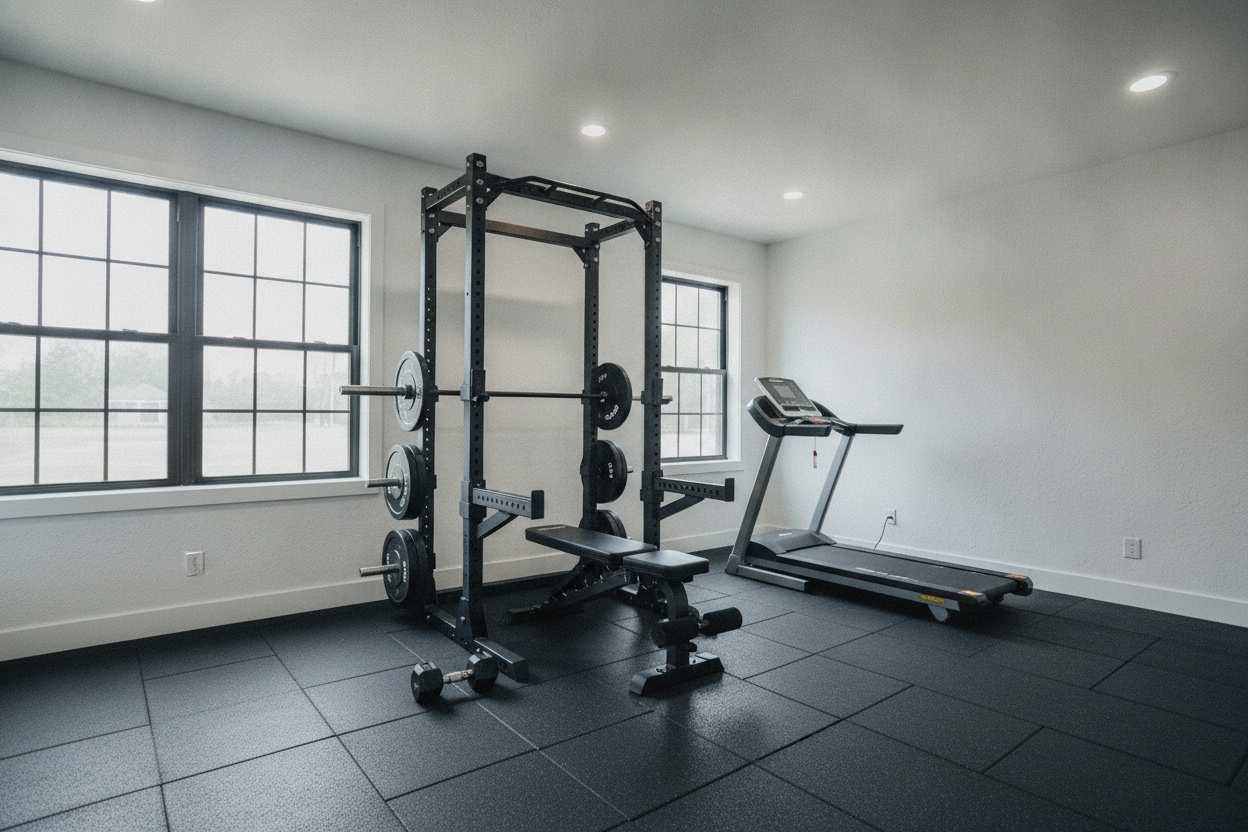
In my garage, I prefer the barbell hip thrust because I can load it over 400 lbs. The barbell hip thrust muscles worked are identical to other variations, but the stability of a long bar makes it easier to balance. However, if you are just starting, a dumbbell hip thrust is a great way to learn the movement without the setup hassle.
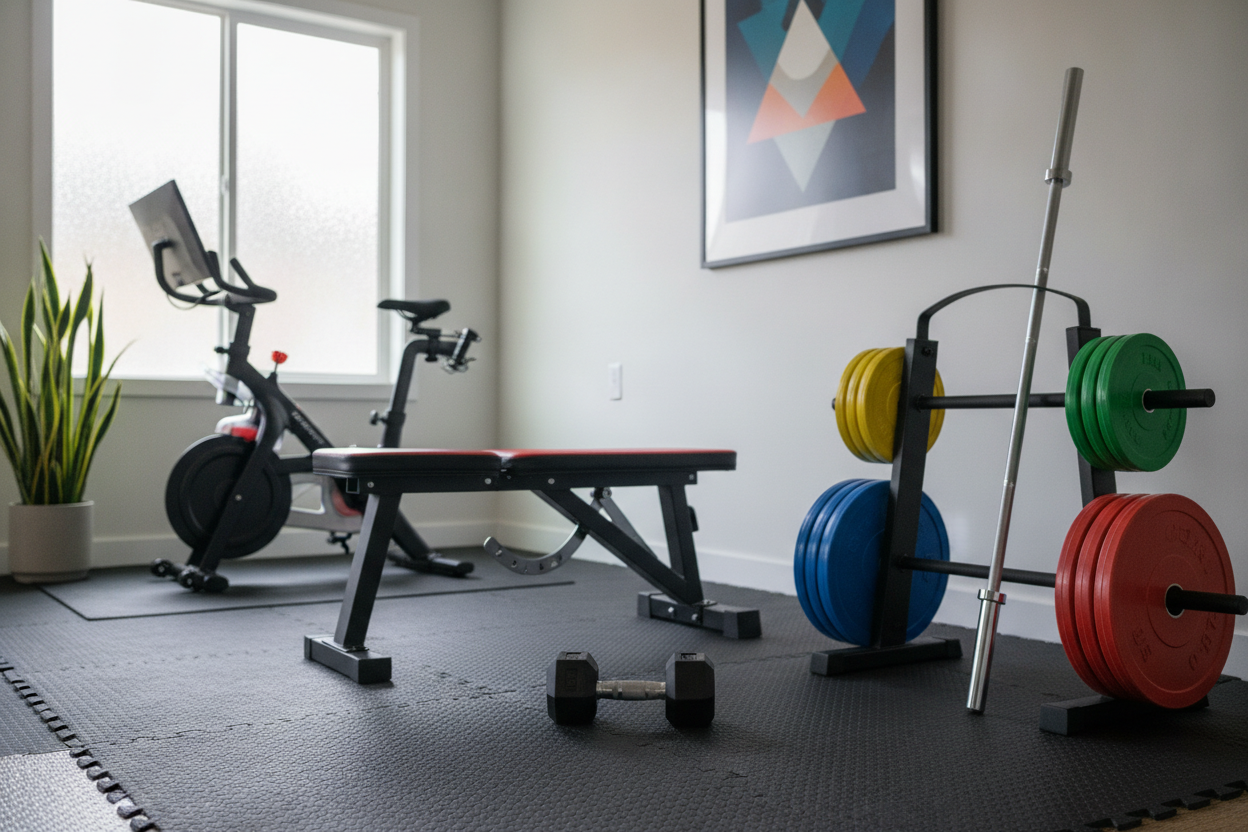
If you don't have a bench, you can do a floor hip thrust, often called a glute bridge. The floor hip thrust muscles worked are the same, but the range of motion is much shorter. It’s great for high-rep finishers, but I recommend using a thick exercise mat yoga mat gym flooring to protect your tailbone and keep your feet from sliding on the concrete. Traction is everything when you are trying to drive through your heels.
The 3 Biggest Mistakes Killing Your Thrust Workout
First, stop looking at the ceiling. When your head goes back, your ribs flare and your lower back arches. Keep your eyes on the wall in front of you. Second, don't skip the top. The hardest part of the hip thrust muscle contraction is at the very top of the rep. Hold it for a second and squeeze like you're trying to crush a walnut between your cheeks.
Third, watch your stance. A wide hip thrust stance for glutes is usually better for most people, as it allows for more external rotation. If you feel your lower back taking over, shorten your range of motion and focus on that pelvic tilt. You don't need to go into hyper-extension to get a good workout.
Do You Really Need a Dedicated Machine?
I get asked this a lot: is the La Fitness hip thrust machine better than a barbell? For pure hypertrophy, machines are great because they remove the need to balance. You can push to absolute failure without worrying about the bar sliding off your hips. However, for a home gym, a machine takes up a massive footprint. A barbell and a solid bench are more versatile and teach you better body control.
Personal Experience: My 'Aha' Moment
For the first six months I did hip thrusts, I hated them. My lower back was always tight, and I felt like my quads were doing all the work. I realized two things: my bench was 20 inches high (way too tall) and I was letting my back arch at the top. I swapped to a lower 16-inch box, focused on the 'chin tuck,' and suddenly my glutes were so sore I could barely walk the next day. The setup is 90% of the battle with this exercise.
FAQ
What muscles do hip thrusts work?
The primary target is the gluteus maximus. It also involves the hamstrings, quadriceps, and core stabilizers to a lesser degree.
Why do I feel hip thrusts in my lower back?
You are likely arching your back instead of tilting your pelvis. Tuck your chin and keep your ribs down to keep the tension on your glutes.
How high should the bench be for hip thrusts?
Most people find the sweet spot between 15 and 17 inches. If the bench is too high, you'll struggle to get your hips high enough to achieve a full contraction.