How to Build a Free Weight Exercise Plan You Won't Quit in 3 Weeks
I’ve spent the last decade in my garage, surrounded by the smell of stall mats and the sound of clanging iron. I’ve seen countless neighbors buy a full set of hex dumbbells in January only to have them gathering dust by March. The reason? They tried to follow a free weight exercise plan designed for a pro bodybuilder with a chemical advantage and 24-hour gym access. Progression isn't just about slapping more plates on the bar every Monday; it's about making the work harder with what you already have in your rack.
Quick Takeaways
- Linear progression is a trap for home lifters without fractional plates.
- Focus on the four pillars: Squat, Hinge, Push, and Pull.
- Use tempo and rest intervals to drive growth when you run out of weight.
- A stable bench and a solid rack are non-negotiable for safety.
Why Most Internet Routines Guarantee a Fast Plateau
The biggest lie in the fitness industry is that you can add five pounds to your lifts every single week indefinitely. If that were true, we’d all be benching 600 pounds within three years. Most online templates assume you have access to a commercial floor full of weight lifting machines to bridge the gap when your compound lifts stall. When you’re training in a garage, you don’t have a leg press to add volume without taxing your spine.
I’ve seen people download a generic free weight strength training program PDF and burn out in a month because they hit a wall. In a commercial gym, you can move the pin on a cable machine by 2.5 pounds. In a home gym, your smallest jump is often a pair of 5-pound plates. That 10-pound total jump is a massive 10% increase if you’re pressing 100 pounds. It’s a recipe for shoulder impingement and frustration.
The 4 Pillars of a Real Weight Training Program
A sustainable weight training program free weights style needs to be built on movements, not specific muscles. If you’re spending 20 minutes on concentration curls but you haven’t done a heavy row, you’re majoring in the minors. The problem with every free weight exercise program online is the obsession with 'mirror muscles.' Natural lifters need compound movements to trigger a real hormonal response.
You need a squat (front, back, or goblet), a hinge (deadlift or RDL), a push (overhead or bench), and a pull (rows or pull-ups). That’s it. Everything else is just seasoning on the steak. When you focus on these four, you build a base of functional strength that actually carries over to real life, like lugging 80-pound bags of concrete or moving a couch without throwing your back out.
How to Progress When You Can't Just Add 5 Pounds
So, you’ve hit a wall with your 50-pound dumbbells. You can’t do a single rep with the 55s, but the 50s feel a bit too easy. This is where most people quit their workout program free weights routine. Instead of buying more gear, you need to manipulate the 'hidden' variables: tempo and rest. I spent six months training with only a pair of 45-pound plates because I was broke, and I got bigger than ever by slowing down.
Try a 4-0-1-0 tempo. That means 4 seconds on the way down, no pause at the bottom, 1 second to explode up, and no rest at the top. It turns a standard chest press into a grueling test of stability. You can also use 'dead stops' or pauses. Pausing for two seconds at the bottom of a squat removes the bounce (the stretch reflex), forcing your muscles to do 100% of the work. You’ll find that 135 pounds with a pause feels heavier than 185 pounds with a bounce.
Putting It Together: A Bare-Bones Weekly Weights Routine
This weights routine is designed for a three-day split (Monday, Wednesday, Friday). It hits every major muscle group twice a week and leaves you enough recovery time to actually grow. We aren't doing 30 sets per session. We are doing 10 to 12 sets of high-quality, focused work that leaves you gassed but not broken. You don't need a complex spreadsheet; you need a notebook and a stopwatch.
Day 1: Heavy Push and Hip Hinge
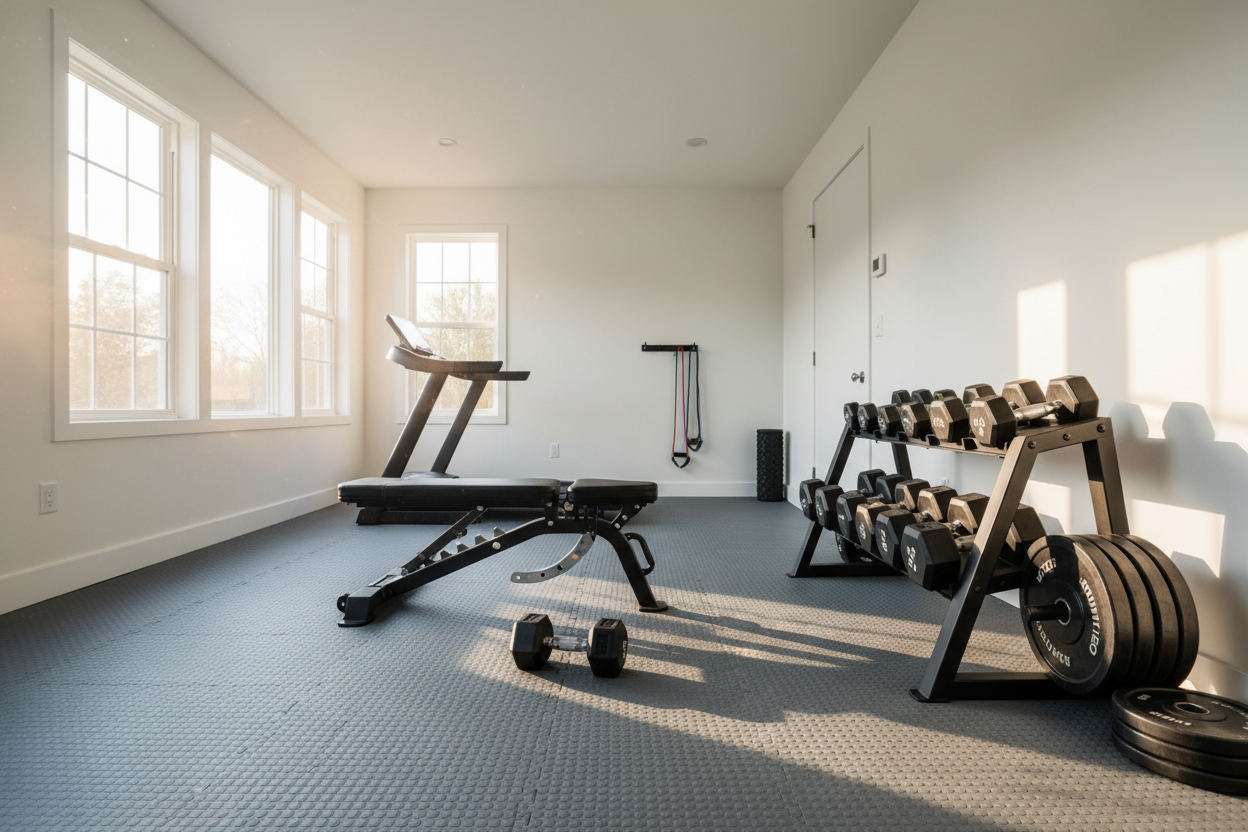
Start with the big stuff. You’ll be doing Flat Barbell or Dumbbell Presses followed by Romanian Deadlifts. For the press, you need a surface that doesn't feel like it's going to collapse. I've used cheap, narrow benches that made my shoulders feel unstable under load. Using a Gxmmat Adjustable Weight Bench gives you a 12-inch wide pad that actually supports your scapula, allowing you to drive through your feet without the bench wobbling. Aim for 3 sets of 6-8 reps on the press and 3 sets of 10-12 on the RDLs.
Day 2: Deep Squats and Vertical Pulls
Wednesday is for the legs and back. Back Squats are the king, but if your mobility is trash, start with Front Squats. Pair these with Pull-ups or Heavy Barbell Rows. If you can’t do a pull-up yet, do slow negatives—jump to the top and take 5 seconds to lower yourself. This builds the eccentric strength needed to eventually knock out full reps. For squats, focus on 'tri-pod foot'—keep your big toe, pinky toe, and heel glued to the floor. No lifting the heels.
The Only Gear You Actually Need to Pull This Off
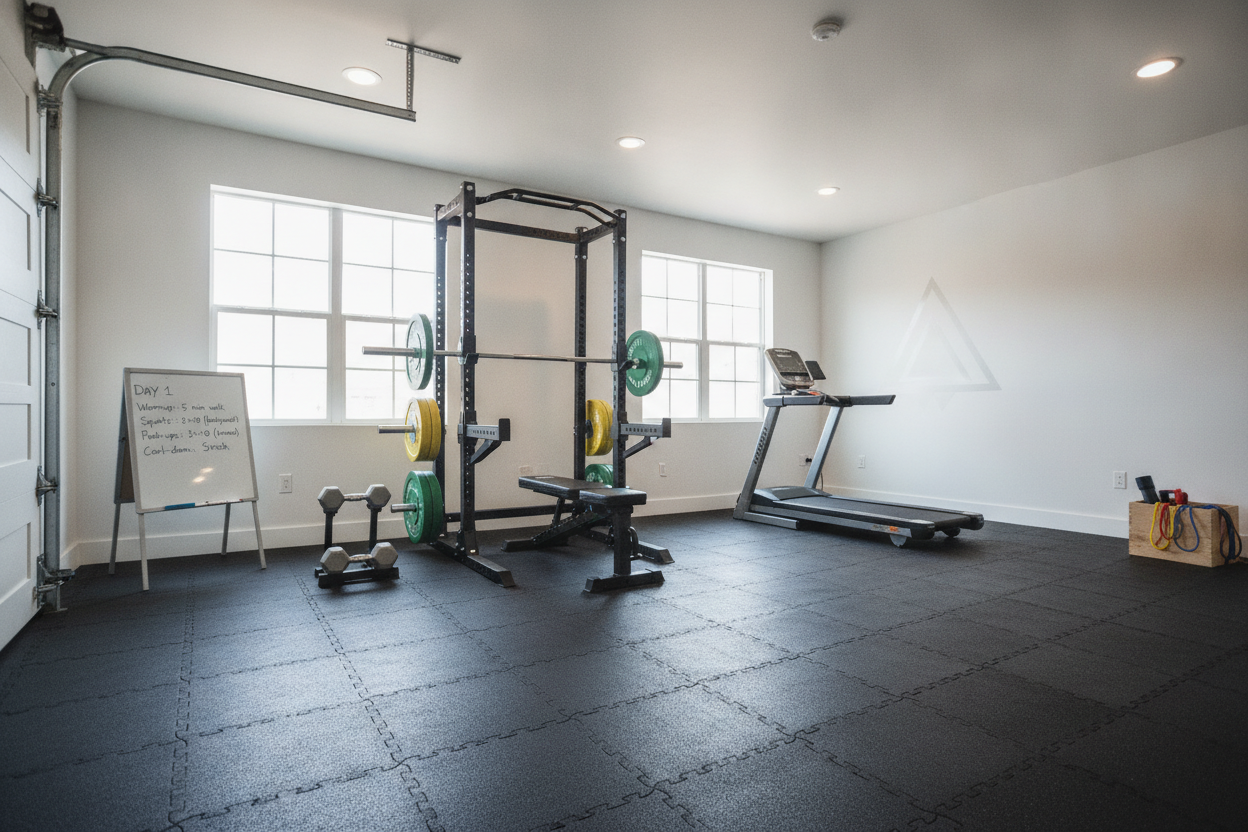
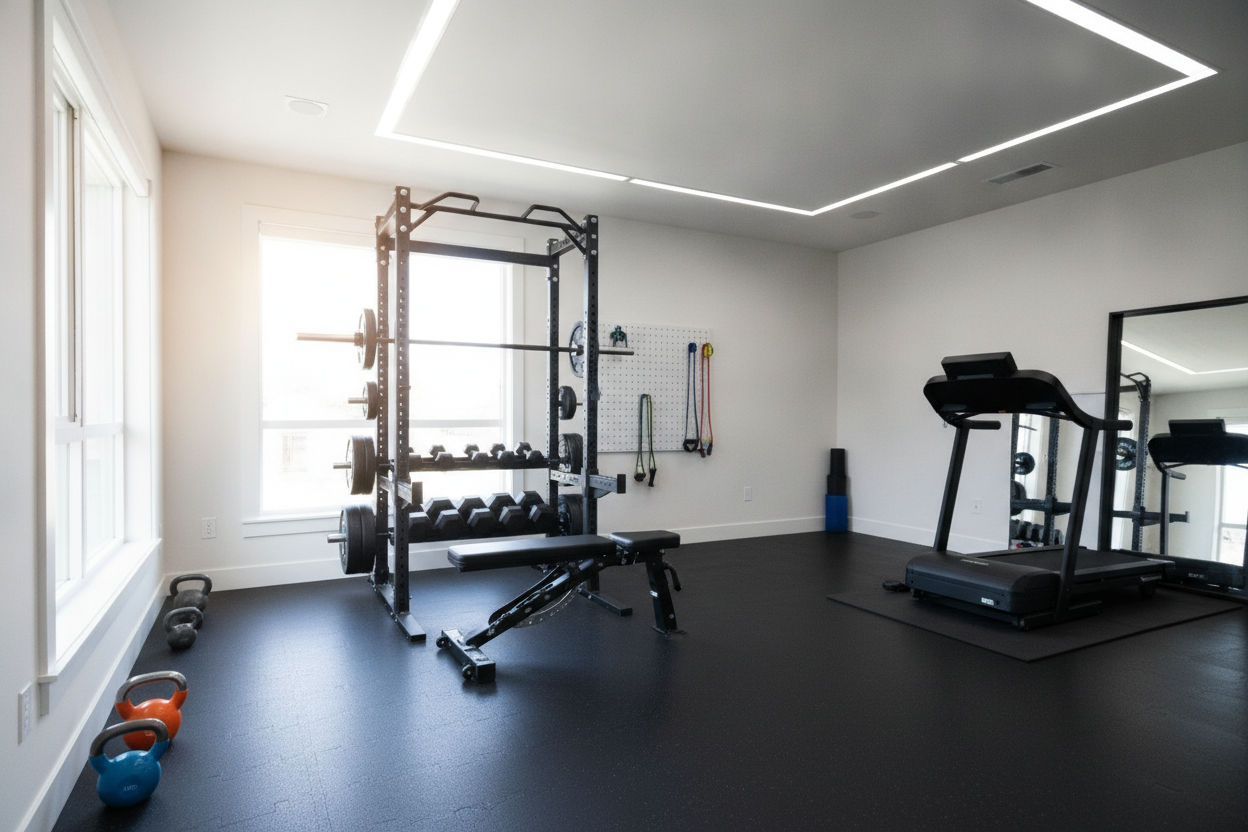
You don't need a 5,000-square-foot facility to get elite results. You need a barbell, about 300 pounds of plates, and a way to stay safe when you're training alone. I’ve seen too many 'close calls' where guys almost pinned themselves under a bench press because they didn't have safety arms. If you want a setup that handles everything from heavy squats to incline presses, the Gxmmat X6 Power Rack Weight Bench Package is the smartest way to buy. It’s a one-and-done solution that fits in a standard garage corner.
Personal Experience
I once tried to follow a high-volume 'German Volume Training' plan in my basement. I was doing 10 sets of 10 reps for everything. By week three, my elbows were so inflamed I couldn't even grip a coffee mug. I realized that as a home lifter, I didn't have the fancy recovery tools or the machines to isolate around an injury. I switched to a low-volume, high-intensity compound plan—the same one I've outlined here—and my strength shot up while my joint pain vanished. Lesson learned: more isn't better; better is better.
FAQ
How long should I rest between sets?
For your main lifts (squats, deadlifts), take 2 to 3 minutes. You need your ATP stores to recover so you can move heavy weight. For accessory work like curls or lateral raises, 60 seconds is plenty.
Can I do this with just dumbbells?
You can, but you'll eventually 'outgrow' them for lower body movements. A 100-pound dumbbell is hard to get into position for a squat, whereas 100 pounds on a barbell is just a warm-up. Eventually, you'll want a rack.
What if I miss a workout?
Don't try to 'make it up' by doing a double session. Just pick up exactly where you left off. Consistency over a year matters way more than a single missed Monday.