How to Avoid Holiday Weight Gain: 10 Tips and a Holiday Workout Plan
Quick answer: Most adults gain less over the holidays than they fear, typically around 1 pound, not 5–10. The problem is that the pound often never comes off, so it adds up year after year. The simplest way to avoid it is to keep training (even short sessions), stay active between meals, prioritize protein and enjoy the big meals without turning every day into a feast.
Key takeaways
- Typical holiday gain is small but tends to stick, which is why it matters.
- Holidays are a few days, the season is six weeks. Enjoy the big days; keep normal habits on the rest.
- Maintain, don't diet: holding your weight from Thanksgiving to New Year's is a win.
- Short workouts count. 20–30 minutes of strength training keeps your progress.
- Walk after big meals. 10–15 minutes helps digestion and blood sugar.
Why we gain weight over the holidays
- More food, more often: parties, office treats and leftovers stretch one feast into many.
- Liquid calories: eggnog, cocktails, wine and specialty coffees add up fast.
- Less movement: travel, cold weather and busy schedules cut workouts and steps.
- Less sleep and more stress, which both push appetite up.
Calories in common holiday foods and drinks
Approximate values for typical servings. They vary by recipe.
| Food or drink | Serving | Approx. calories |
|---|---|---|
| Eggnog | 1 cup | ~350 |
| Pecan pie | 1 slice | ~450–500 |
| Pumpkin pie | 1 slice | ~300 |
| Stuffing | 1 cup | ~350 |
| Mashed potatoes with butter | 1 cup | ~240 |
| Roast turkey, white meat | 4 oz | ~170 |
| Glass of wine | 5 oz | ~120–125 |
| Sugar cookie | 1 medium | ~150 |
Turkey is lean and high in protein, so build your plate around it and then add your favorites.
10 ways to avoid holiday weight gain
- Keep 2–3 strength sessions a week. Even 20–30 minutes maintains muscle and strength.
- Walk 10–15 minutes after big meals. Make it a family tradition.
- Eat protein at every meal (turkey, eggs, Greek yogurt). It keeps you fuller.
- Don't skip meals to "save up." Arriving starving usually leads to overeating.
- Pick your favorites. Have the dishes you only get once a year; skip the ones you can have any time.
- Alternate drinks with water.
- Use a smaller plate and wait 10 minutes before seconds.
- Send leftovers home with guests.
- Protect your sleep where you can.
- Weigh in weekly, not daily. Salty meals cause temporary water-weight swings.
A holiday-season workout plan (Thanksgiving to New Year's)
| Week type | Strength | Cardio |
|---|---|---|
| Normal weeks | 3 × 45 min full body | Daily walks, 1–2 Zone 2 sessions |
| Busy or travel weeks | 2 × 20–30 min (squat, press, row, hinge) | Walk after meals |
| Holiday days | A short morning circuit | Family walk |
Ready-made sessions: our Thanksgiving "turkey burn" workout and the 12 Days of Christmas workout. For a bigger goal, try a Winter Arc.
20-minute "no excuses" holiday circuit
Do 4 rounds: 10 goblet or barbell squats, 10 push-ups or presses, 10 rows, 10 Romanian deadlifts, 30-second plank. Rest 60 seconds between rounds.
Make it easy: train at home
When the house is full and the gym has holiday hours, a home setup keeps your routine alive:
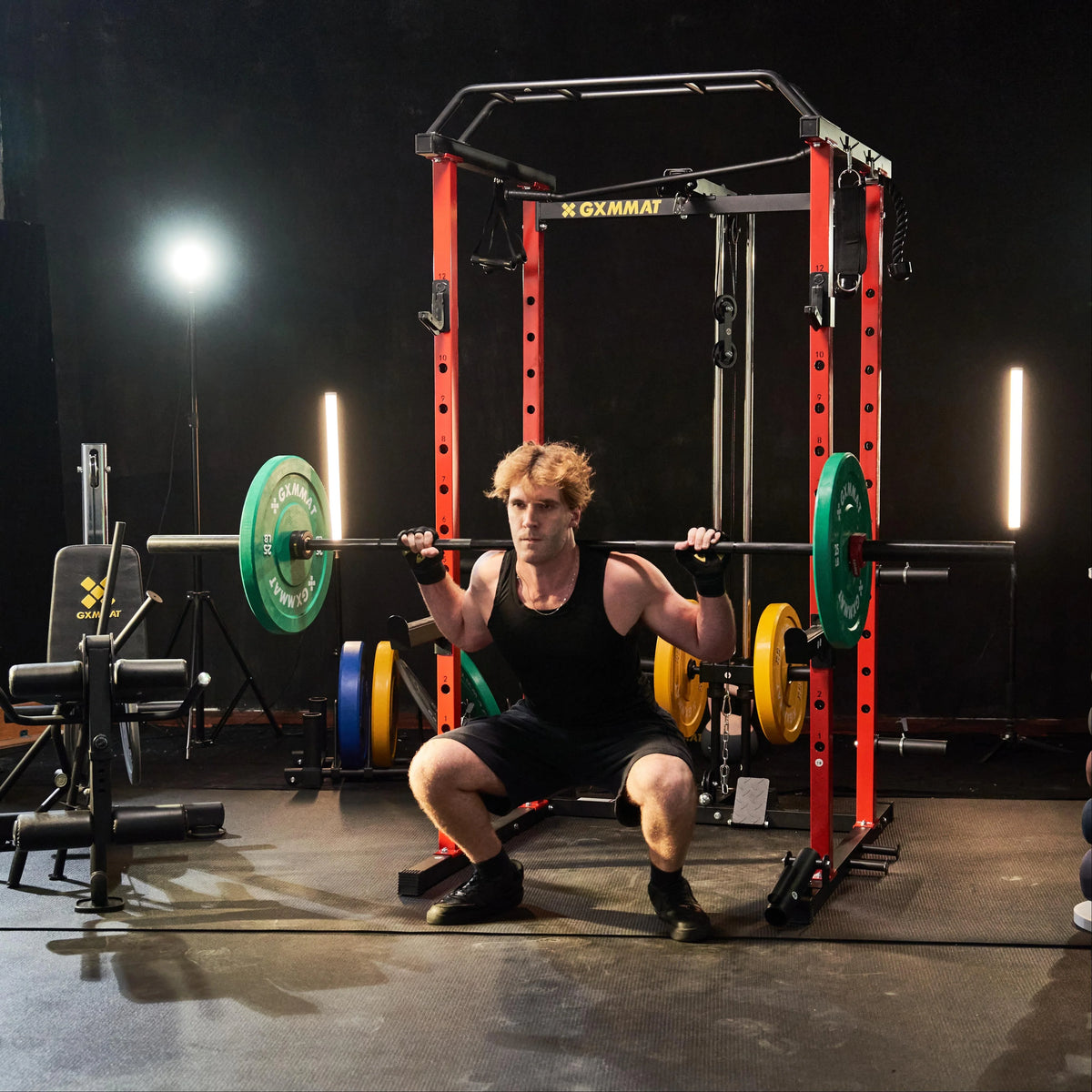
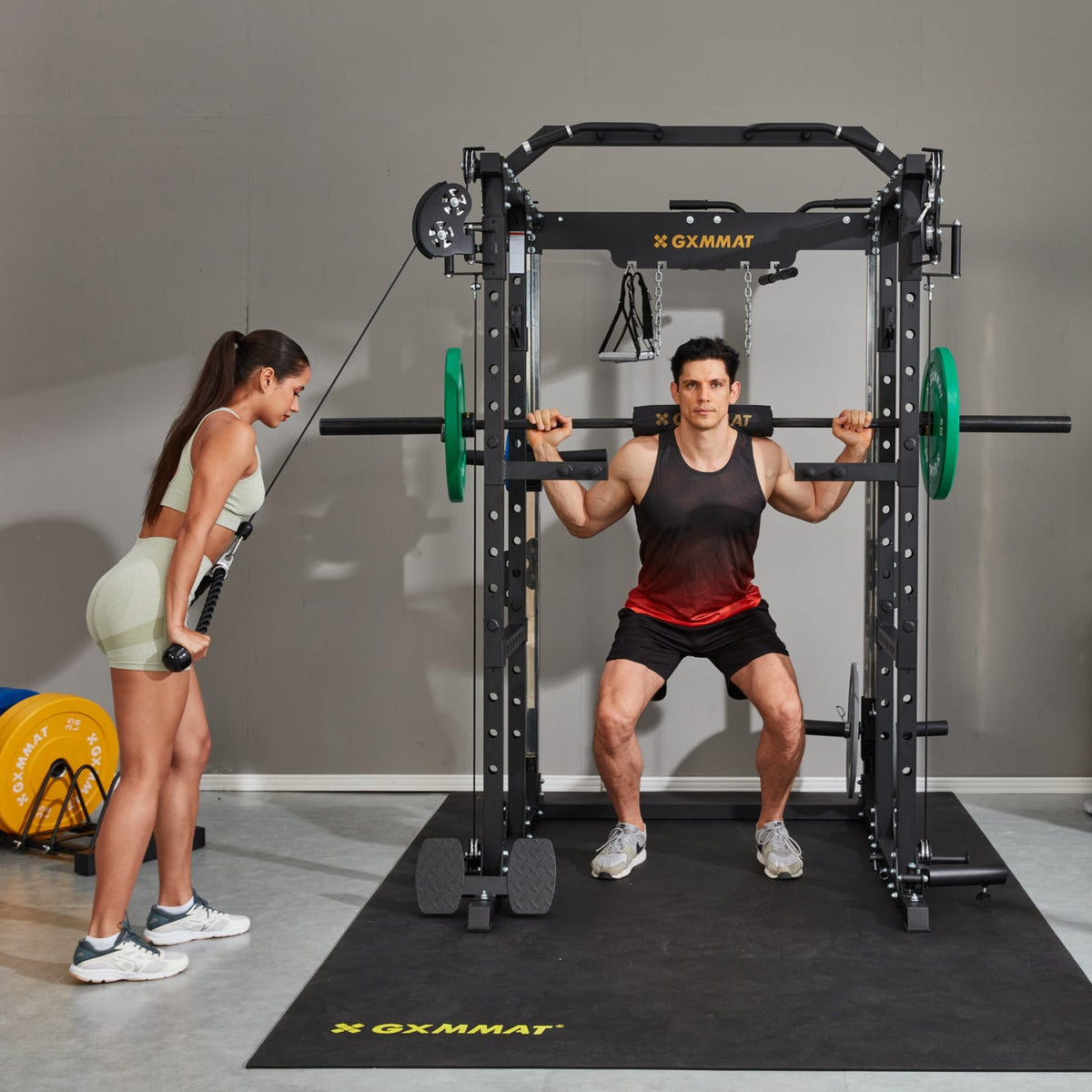
- Train together: the GXMMAT X6 lets two people work at once, one on the barbell and one on the cables. A fun way to get the family moving.
- Compact option: the G5 covers squats, presses, pull-ups and pulldowns in a small footprint.
- Floor space for everyone: a 6' × 16' extra-large mat fits family workouts, stretching and kids' play.
Shopping for deals? See our Black Friday home gym guide, or give a fitness gift from our Christmas gift guide.
FAQ
How much weight do people gain over the holidays?
On average about 1 pound, far less than the 5–10 pounds often claimed. The concern is that it usually isn't lost afterward, so it accumulates over the years.
How do I avoid gaining weight during the holidays?
Keep strength training at least twice a week, walk after big meals, eat protein at every meal, limit liquid calories and enjoy the main holiday meals without making every day a feast.
Can you gain 5 pounds in one day?
Not of fat. A big salty, carb-heavy meal causes temporary water weight that usually drops within a few days. Gaining a pound of fat takes roughly 3,500 extra calories.
Should I diet during the holidays?
For most people, aiming to maintain weight is more realistic than losing weight. Save the fat-loss phase for January.
What is the best exercise after a big meal?
A 10–15 minute walk is easy, comfortable and helps with digestion and blood sugar. Save hard workouts for a few hours later or the next morning.
Written by Yuvien Royer for GXMMAT. Calorie values are approximate. This article is general fitness information, not medical or nutrition advice.