How I Define Weightlifting Versus Just Sweating in the Garage
Three years ago, I was banging my head against a 225-lb bench press plateau that felt more like a brick wall. I was in my garage every day, sweating through my shirt and moving some cheap hex dumbbells around. I thought I was training. I wasn't. I was just doing a random define weightlifting routine I found on some influencer's Instagram. It took a reality check from a buddy who actually competes to realize I was just playing with iron, not lifting it.
- Weightlifting requires intentional progression, not just random movement.
- The 'Sport' involves specific Olympic movements (Snatch, Clean & Jerk).
- Training is governed by a logbook; exercising is governed by a mood.
- Quality gear like a 3x3-inch steel rack is the foundation of real progress.
The Day I Realized I Wasn't Actually 'Lifting'
I used to think any 'what is weight lifting exercise' that made my muscles burn was the ticket to gains. I’d grab the 25s, do some curls, maybe some lunges, and call it a day. My garage was 90 degrees, my heart rate was up, and I felt 'worked.' But my numbers stayed exactly the same for six months. I was chasing the 'pump' but ignoring the physics of load.
Realizing you’re just a 'sweaty guy in a garage' instead of a trainee is a hard pill to swallow. I was doing a lot of movement, but I lacked a specific weight lifting description for my goals. I was exercising to burn off a burger; I wasn't training to get strong. If you aren't tracking your sets and reps with the goal of beating your past self, you aren't lifting—you're just vibrating with heavy objects in your hands.
So, How Do We Actually Define Weightlifting?
Let's get the lifting weights definition straight. If you look it up in a standard dictionary, you get some dry fluff about 'the sport or activity of lifting barbells.' In the real world, we need to distinguish between the capital-W sport and the general act. The weightlifting definition most people mean when they talk at the water cooler is just general resistance training.
However, if you walk into a specialized black-iron gym and say you're a 'weightlifter,' they’re going to expect you to be proficient in the Snatch and the Clean and Jerk. That is the Olympic weightlifting meaning. For the rest of us garage dwellers, the weight lifting definition usually encompasses any form of moving external resistance to get bigger, faster, or stronger. But the distinction matters because the gear you buy for a 500-lb deadlift is very different from the gear you need for a 150-lb snatch.
The Sport vs. The Hobby
Powerlifters, Olympic lifters, and bodybuilders argue over the lift weights meaning like they’re defending holy land. Powerlifters want the shortest range of motion to move the most weight. Olympic lifters want explosive speed and technical precision. Bodybuilders just want the muscle to look a certain way. For a home gym owner, stop the bickering. Your focus should be on progressive mechanical tension. Whether you use a barbell, a 100-lb sandbag, or a pair of adjustable dumbbells, the goal is to make the weight feel 'lighter' over time by getting stronger.
Exercising vs. Training: The Harsh Truth
This is the divide that most people miss. Exercising is what you do when you want to 'stay active.' It’s great for your heart, but it’s a terrible way to build a physique. Training, or true weightlifting, requires a plan. It requires a blueprint for a weight lifting home gym that allows for consistent, incremental growth.
A proper weight lifting description involves three things: intent, progression, and recovery. If you go into the garage and just 'do what feels good,' you’re exercising. If you go into the garage knowing you need to hit 185 lbs for 3 sets of 5 because you hit 180 lbs last week, you are training. That intent is what separates the people who look like they lift from the people who just talk about it.
Equipping Your Space for Intentional Training
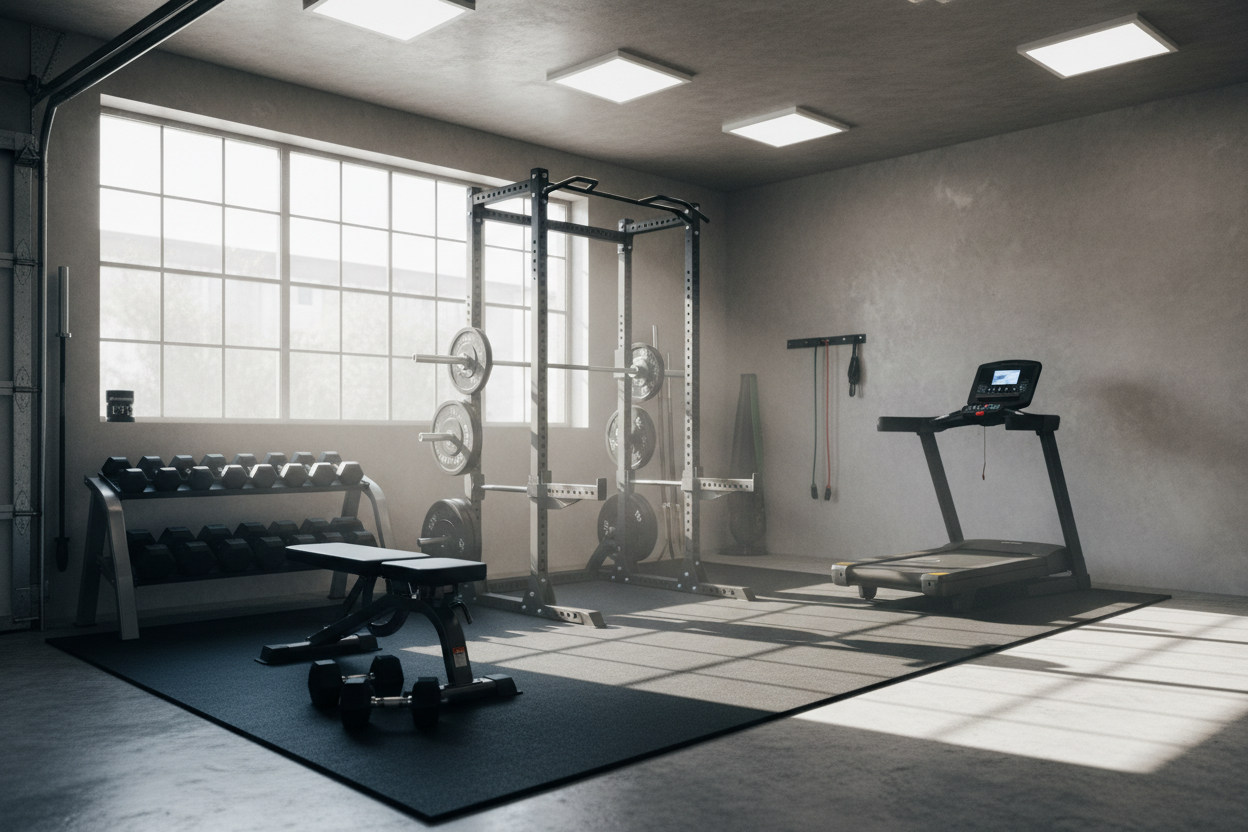
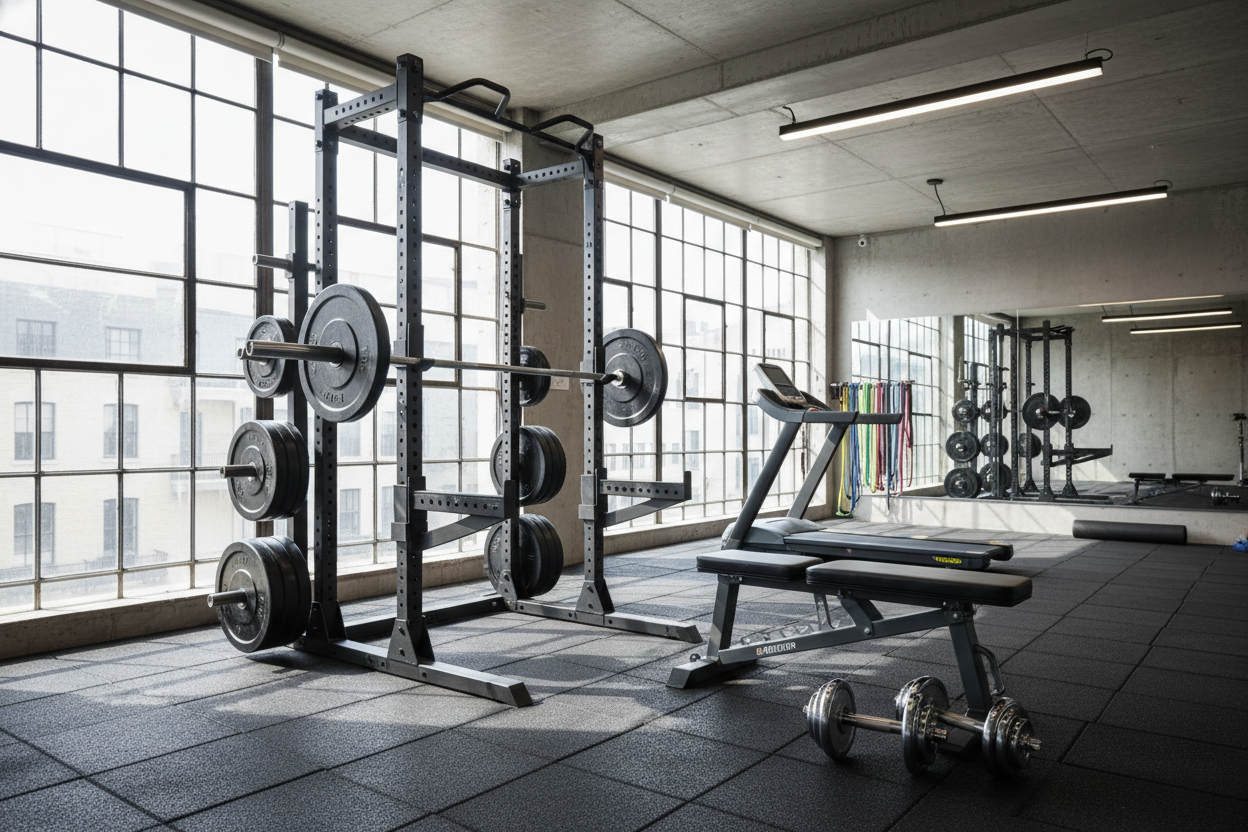
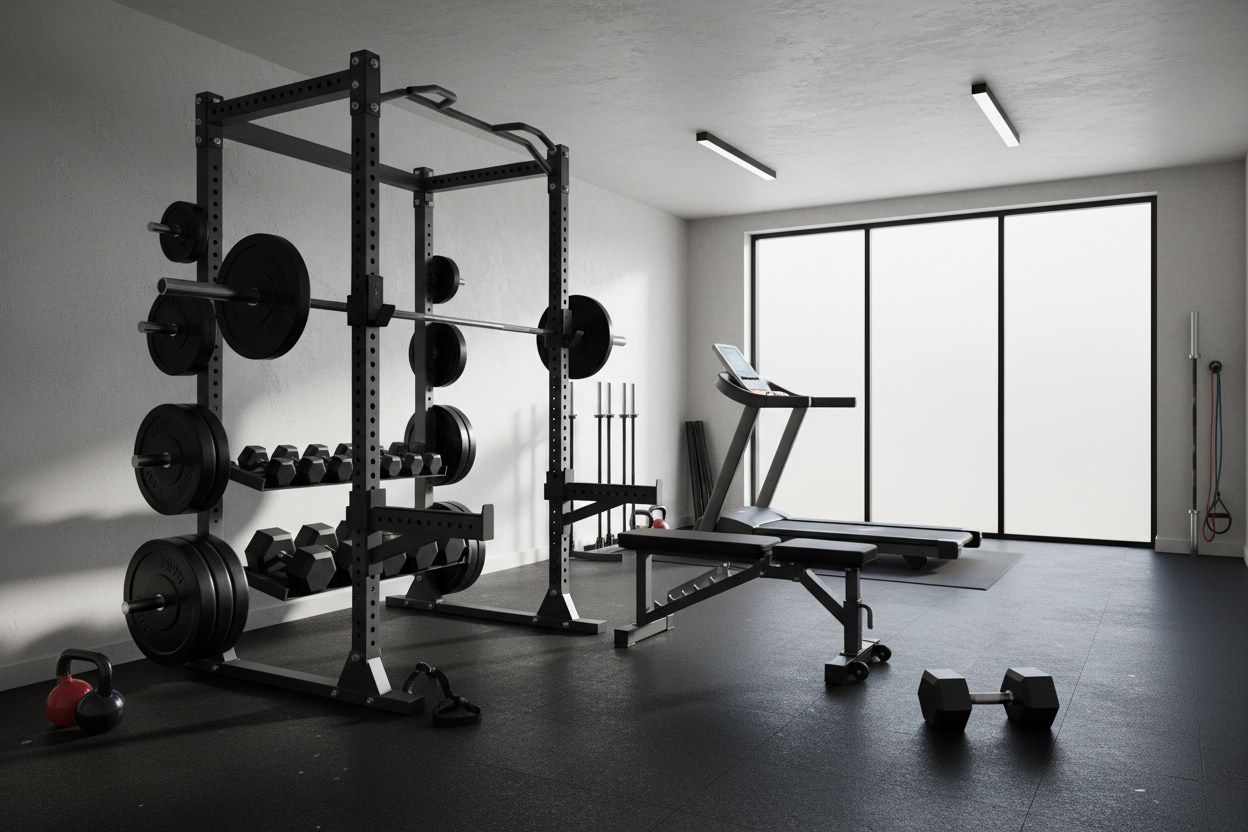
You can't train for serious strength on a plastic-coated set of weights from a big-box store. Once you get serious about the weight lift meaning, you need a power rack and weight bench package. I’m talking about 11-gauge steel and a bench that doesn't wobble when you've got a loaded bar over your face. I’ve used the cheap stuff; it’s fine for a month, but once you start moving 300+ lbs, you’ll wish you spent the extra money on something that won’t collapse.
Once you have the foundation of a rack and a barbell, you can invest in home weight lifting machines to round out your accessory work. Machines are great for isolation, but the 'what is weightlifting' answer for most people should always start with a solid piece of iron and a way to rack it safely. I wasted a year on a 'total body' cable machine before I realized my squat was never going to improve without a real rack.
Stop Overthinking It and Just Move the Iron
The weightlifting meaning isn't found in a textbook or a fancy app. It’s found in the grit of the knurling on your palms. Stop worrying about whether you're a 'powerlifter' or a 'bodybuilder' or what the 'correct' weight lift meaning is. Pick a heavy compound movement—squat, press, or pull—and focus on adding five pounds to the bar next week. That’s it. That’s the whole secret. If you do that consistently for five years, you won't need a dictionary to tell you what weightlifting is. You'll see it in the mirror.
FAQ
What is the difference between weightlifting and weight lifting?
In professional circles, 'Weightlifting' (one word) refers specifically to the Olympic sport of Snatch and Clean & Jerk. 'Weight lifting' (two words) is the general term for any resistance training using weights.
Is weightlifting better than cardio?
They serve different purposes. Cardio is for your engine (heart/lungs); weightlifting is for your chassis (muscles/bones). You need both, but only one of them makes you look better in a t-shirt.
Do I need a coach to start weightlifting?
You need a plan more than a coach. Use YouTube to learn form (look for reputable sources like Mark Rippetoe or Juggernaut Training Systems) and film your sets. If you can afford a coach, great, but don't let the lack of one stop you from starting.