How I Built a Complete Home Gym for Under $500 (And You Can Too)
Building a home gym doesn't require a second mortgage or converting your entire garage into a fitness palace. After years of paying for gym memberships I barely used, I discovered that setting up quality workout equipment at home was not only possible on a tight budget—it was actually smarter than throwing money at monthly fees.
The truth is, you can create an effective workout space with cheap gym equipment for home that delivers real results. I started with less than $500 and gradually built a setup that rivals what most commercial gyms offer for basic strength training and cardio.
What You Actually Need (And What You Don't)
Most people overthink their home gym setup. You don't need every machine you've seen at your local fitness center. A few versatile pieces of gym equipment for home cheap can cover nearly every major muscle group and workout style.
The foundation of any budget home gym starts with adjustable dumbbells or a basic barbell set. These cheap home gym machine options provide incredible versatility—you can perform hundreds of exercises with just these tools. I picked up a set of adjustable dumbbells for around $150, and they've been the workhorse of my routine for three years running.
A basic weight bench is your next priority. You can find solid options for $80-150 that will handle most pressing and support exercises. Look for one that adjusts to multiple angles—this single feature multiplies the exercises you can perform.
Smart Shopping for Home Body Building Equipment
Resistance bands deserve more credit than they get. For $30-50, you can buy a complete set that provides progressive resistance comparable to expensive cable machines. I was skeptical at first, but these bands have become essential for warm-ups, accessory work, and even main lifts when I'm traveling.
Pull-up bars are another game-changer. A doorway pull-up bar costs about $25-40 and opens up a world of upper body exercises. Combined with resistance bands for assistance, even beginners can work toward their first pull-up while building serious back and arm strength.
For those interested in a cheap weight lifting machine, multi-function home gym systems can be found in the $300-600 range. These combine several exercise stations into one compact unit. While they won't match the feel of individual machines, they're remarkably space-efficient and cover most basic movements.
Where to Find Home Gym Equipment Cheap
The secret to building home gym equipment for cheap isn't just knowing what to buy—it's knowing where to buy it. I've furnished my entire setup through a combination of strategic shopping and patience.
Facebook Marketplace and Craigslist are goldmines for used equipment. People buy home gym gear with the best intentions, use it for a month, then sell it for a fraction of retail price. I scored a barely-used weight bench for $60 that retails for $200. The key is checking listings regularly and being ready to move fast on good deals.
Sporting goods stores have clearance sections that most people walk right past. End-of-season sales, floor models, and discontinued items can save you 40-70% off regular prices. I bought my barbell and weight plates during a January clearance sale for less than half the normal cost.
Big-box retailers like Walmart and Amazon often have surprisingly decent budget options. Their house brands might not have the prestige of premium manufacturers, but for beginners and intermediate lifters, they perform just fine. Read reviews carefully and look for items with hundreds of ratings—the crowd is usually right about quality.
Building Your Space Gradually
One mistake I made early on was trying to buy everything at once. Start with the essentials and add equipment as your budget allows and your training needs evolve. This approach also gives you time to learn what you actually use versus what sounds good in theory.
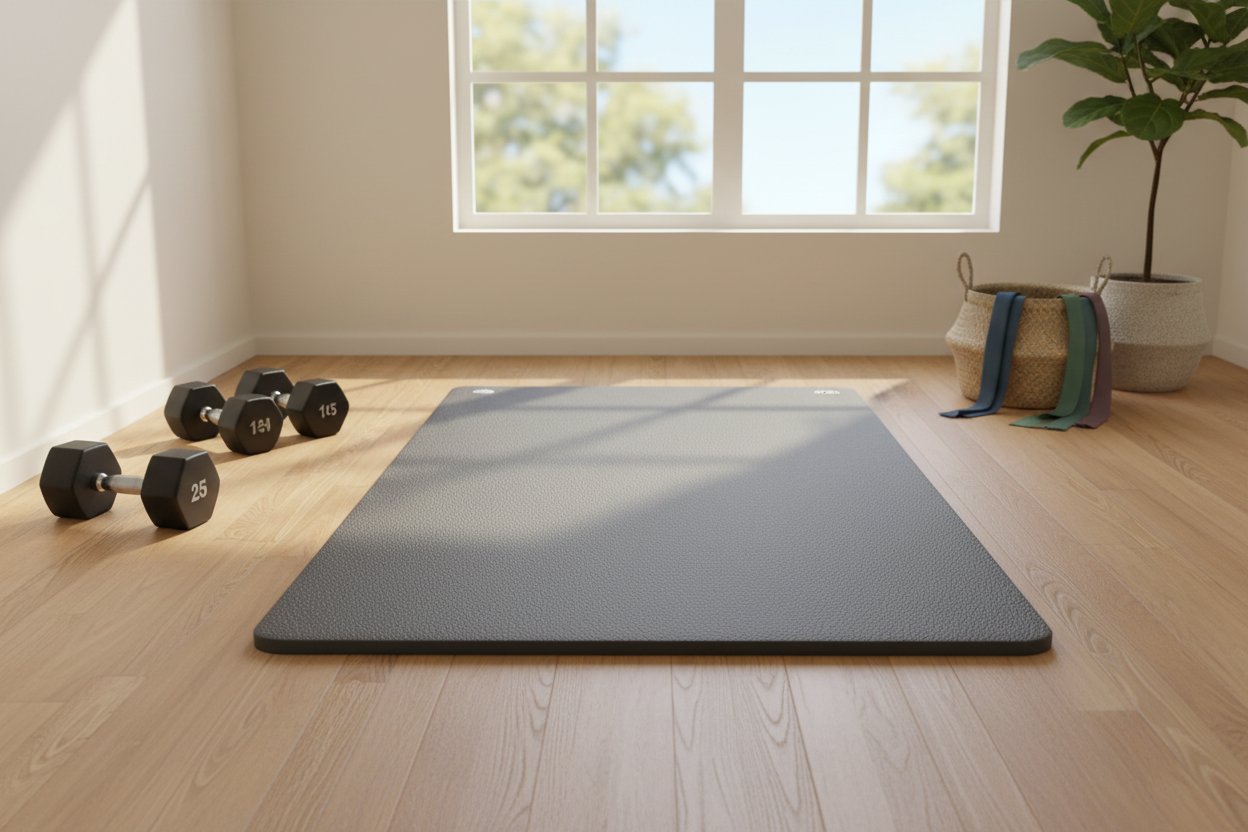
My first month, I worked out with just dumbbells and a yoga mat. The second month, I added a bench. Three months in, I got a pull-up bar. This gradual build-up meant I never felt overwhelmed by equipment I didn't know how to use, and I avoided buyer's remorse from impulse purchases.
Maximizing Your Investment in Cheap Gym Machines
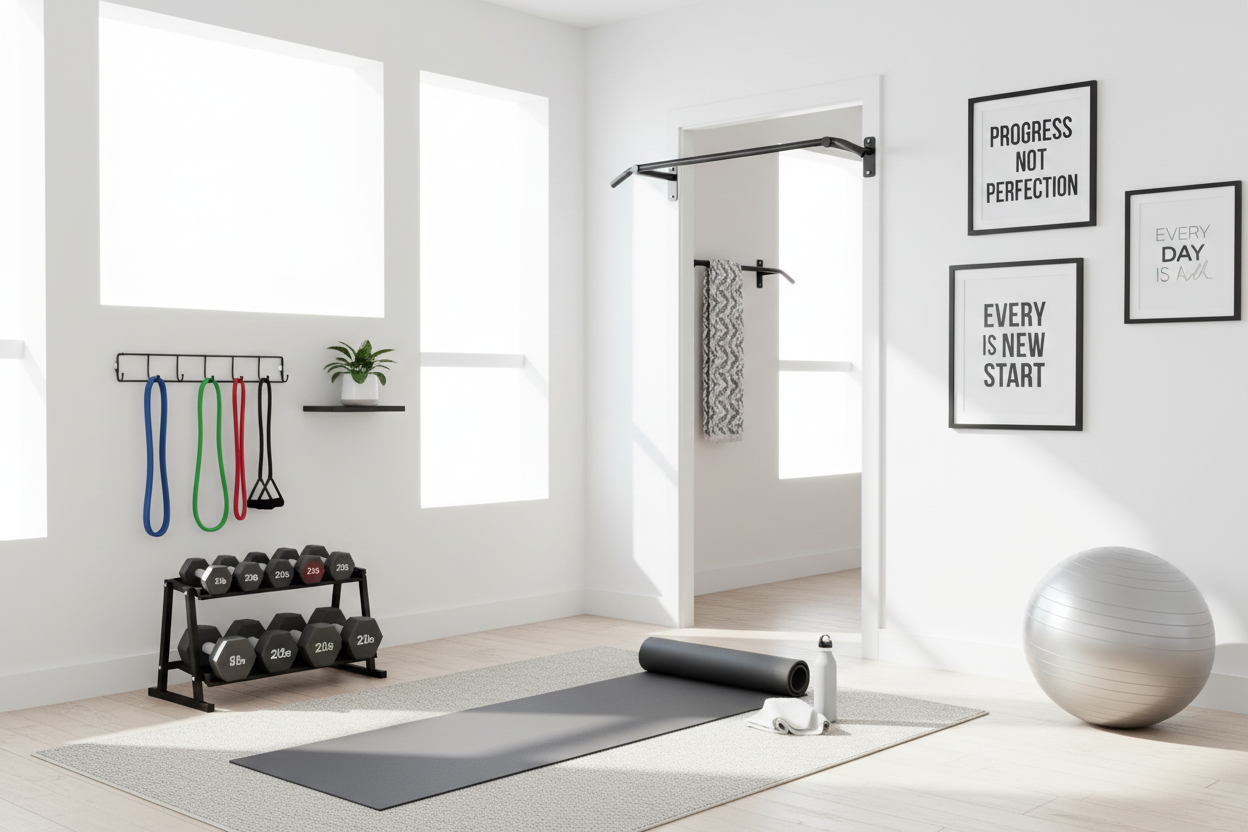
Even budget equipment will last years if you treat it right. I keep my weights organized on a simple rack (built from scrap wood for about $20), which prevents damage and keeps the space functional. Resistance bands hang on hooks, and my bench folds up against the wall when not in use.
Quality matters more than quantity. One well-made piece of home gym equipment cheap will serve you better than three poorly constructed items. Check weight capacities, read user reviews about durability, and don't be afraid to spend a bit more on items you'll use daily.
Home gym systems cheap options have improved dramatically in recent years. Modern budget systems include features that used to be exclusive to premium models—like multiple cable attachment points, leg press stations, and smooth pulley systems. The $400-600 range offers particularly good value if you want an all-in-one solution.
Making It Work in Small Spaces
My home gym fits in a 10x10 spare bedroom. Space constraints actually forced me to be smarter about equipment choices. Adjustable dumbbells take up far less room than a full rack of fixed weights. A foldable bench disappears when not needed. Resistance bands store in a drawer.
Wall-mounted solutions are your friend in tight quarters. A wall-mounted pull-up bar, foldable squat rack, or peg board for storing bands and accessories keeps floor space clear. I installed a few heavy-duty hooks and a small shelf system for under $50, which doubled my usable space.
The Real Cost Comparison
My total investment after one year was around $650. A gym membership in my area runs $40-60 monthly, which would have cost me $480-720 in the same period—and I'd have nothing to show for it. By year two, my home gym had completely paid for itself, and I was working out more consistently than I ever did with a membership.
The convenience factor is impossible to overstate. No commute, no waiting for equipment, no crowds during peak hours. I can squeeze in a 20-minute workout between meetings or train at midnight if that's when I have energy. This flexibility has been worth more than any amount of money saved.
Common Pitfalls to Avoid
Don't buy specialized equipment before mastering the basics. That fancy ab roller or suspension trainer can wait until you've built a foundation with fundamental movements. I wasted $100 on gadgets I used twice before realizing compound movements with basic equipment delivered better results.
Beware of "as seen on TV" fitness products promising revolutionary results. These cheap gym instruments for home are usually more marketing than substance. Stick with proven equipment that's been around for decades—barbells, dumbbells, benches, and pull-up bars have stood the test of time for good reason.
Assembly matters. Budget equipment often requires more careful setup than premium gear. Take your time, follow instructions exactly, and double-check all bolts and connections before use. A wobbly bench or loose weight collar is a safety hazard waiting to happen.
Your home gym is an investment in health that pays dividends far beyond the initial cost. With smart shopping and realistic expectations, cheap gym equipment for home can transform your fitness journey without transforming your bank account.
Frequently Asked Questions
How much space do I really need for a basic home gym?
You can create a functional workout space in as little as 6x6 feet with the right equipment choices. Adjustable dumbbells, a foldable bench, and resistance bands provide a complete workout in minimal space. If you want to add a barbell for exercises like squats and deadlifts, plan for about 8x8 feet to allow safe movement.
Is used gym equipment worth buying?
Used equipment can be an excellent value, especially for items like weight plates, benches, and power racks that have few moving parts. Avoid used resistance bands (they degrade over time) and carefully inspect any equipment with cables or pulleys for wear. Always test equipment in person before buying and negotiate based on condition.
What's the minimum budget for a complete home gym?
You can start with $200-300 for absolute basics: a set of adjustable dumbbells ($100-150), a basic flat bench ($60-100), and resistance bands ($30-50). This covers pushing, pulling, and leg exercises. Adding $200-300 more gets you a barbell set or a budget multi-function machine, creating a more comprehensive setup.