How Do You Gain Muscle Mass Fast? I Fixed My Floor First
I remember the day I finally hit a wall with my progress. I was grinding through a 5x5 program in my garage, eating enough steak to bankrupt a small nation, yet my squat had stalled for three months. I blamed my programming, my sleep, and my genetics. Then I looked down. I was standing on those cheap, interlocking foam puzzle mats you find in the toy aisle. Every time I stepped under the bar, my heels sank an inch. If you are wondering how do you gain muscle mass fast, the answer might be literally right under your feet.
- Force transfer is everything; squishy floors steal your gains.
- Stability signals your nervous system to allow maximum muscle fiber recruitment.
- High-density rubber is the gold standard for home gym foundations.
- Proper flooring prevents joint compensation and injury during heavy compound lifts.
The Hidden Power Leak in Your Garage Gym
Most lifters think hypertrophy is just a matter of sets, reps, and protein. They overlook the physics of the lift. When you are trying to figure out how to get muscles quickly, you have to look at energy leaks. If your floor is soft, your body is wasting energy just trying to stay upright. Instead of that force going into the barbell to create mechanical tension, it is being absorbed by the floor.
Think of it like trying to jump as high as you can while standing on a mattress. You won't get very far. The same logic applies to your bench, deadlift, and overhead press. Every millimeter of compression in your flooring is a percentage of strength you are leaving on the table. You cannot build a massive structure on a swampy foundation.
Physics, Not Supplements: Ground Reaction Force
To make muscle fast grow, you need to maximize Ground Reaction Force (GRF). This is the force exerted by the ground on a body in contact with it. If the ground is firm, it pushes back with equal intensity. If the ground is squishy, it dampens that return. Your brain is hardwired for survival; if it senses an unstable surface, it downregulates your power output to protect your joints from shearing forces.
You might think you're pushing at 100%, but your central nervous system is holding back. By switching to a high-density surface, you unlock that hidden potential. You'll suddenly find you can move 5-10% more weight simply because your body finally feels safe enough to exert its full strength. That extra load is the primary driver for rapid muscle growth.
The Leg Day Dilemma: Squatting on Sponges
Leg day is where the floor matters most. You simply cannot grow fast muscle in your lower body if your ankles are constantly hunting for stability. I used to feel a weird twinge in my left knee every time I went over 275 pounds. I thought it was a mobility issue. It wasn't. It was the foam mat under my left foot compressing more than the one under my right.
When you learn how to grow leg muscles fast, you realize that a stable foot is the start of the kinetic chain. On a solid surface, your glutes and quads can fire without the stabilizers overworking. I ditched the foam, moved to heavy-duty rubber, and my knee pain vanished within two sessions. My squat depth improved, and my quad sweep actually started to show.
Upgrading the Foundation (What Actually Works)
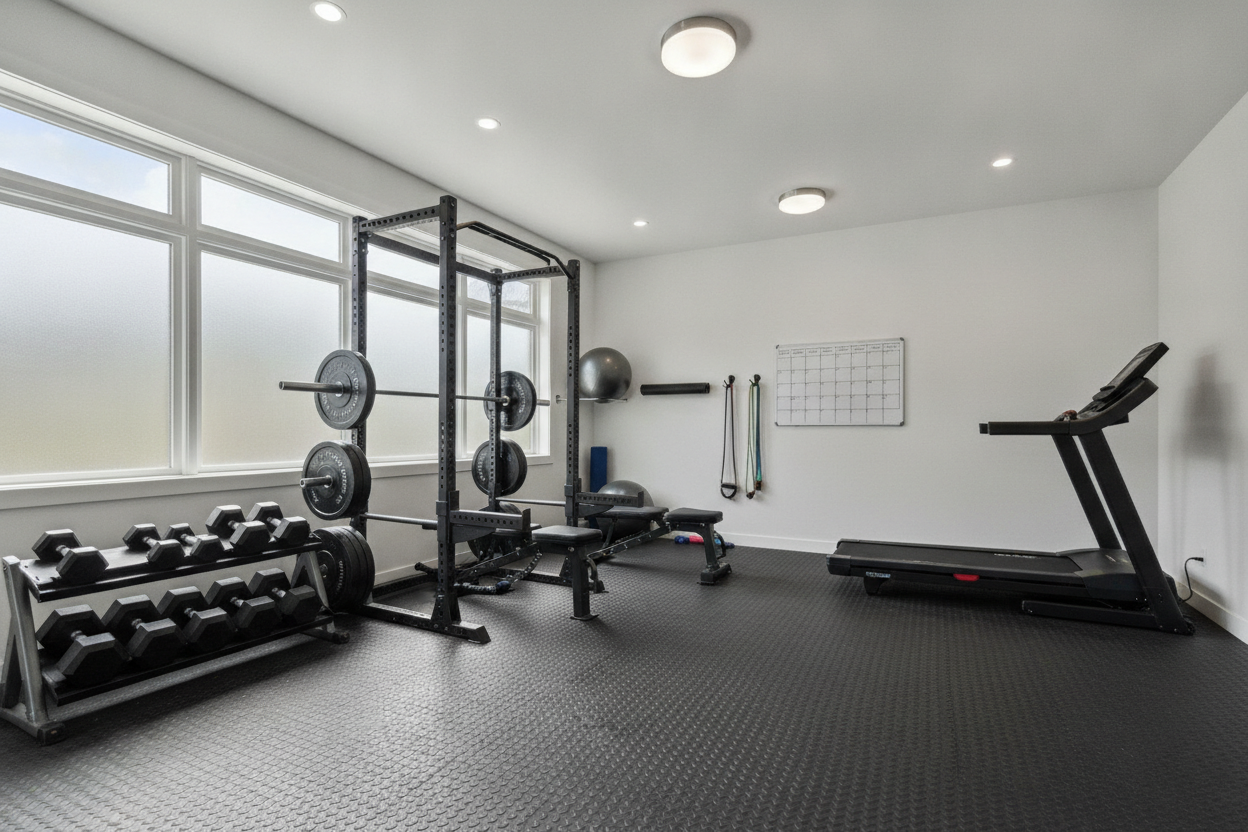
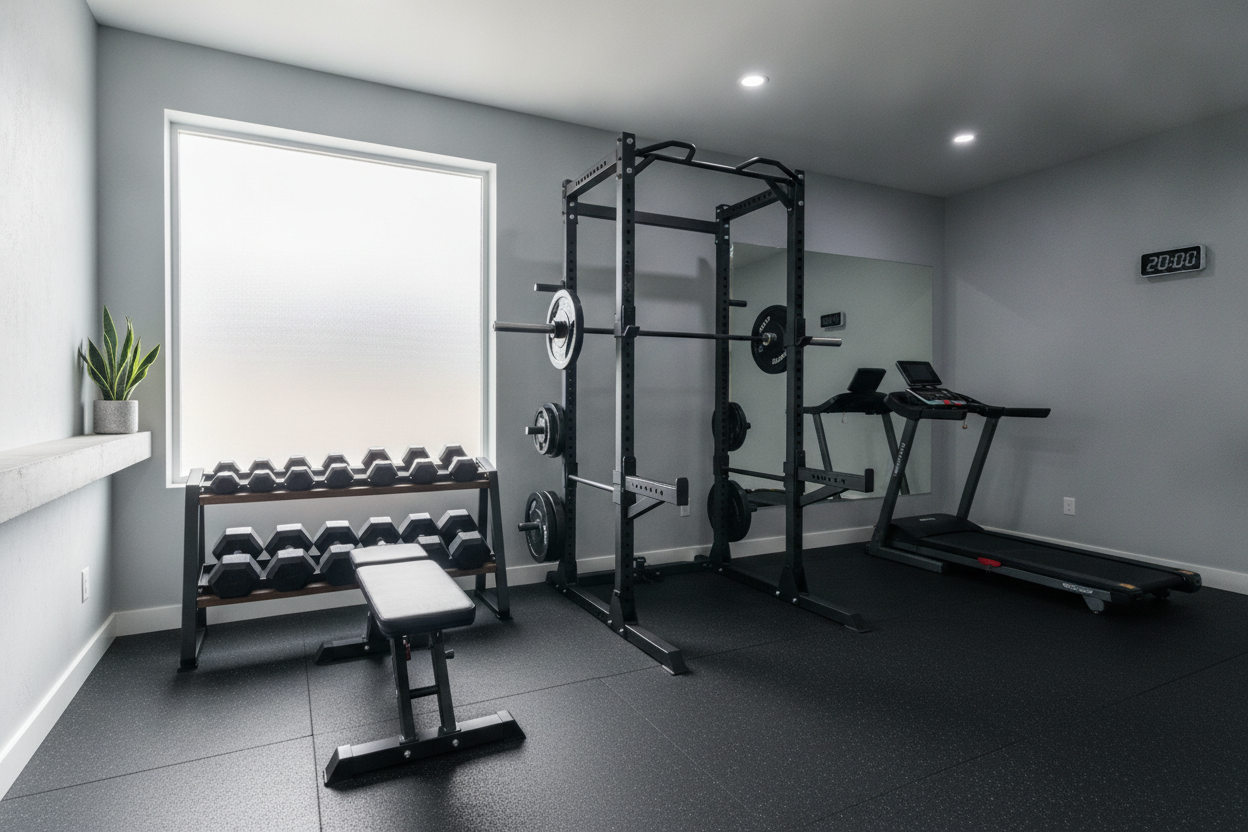
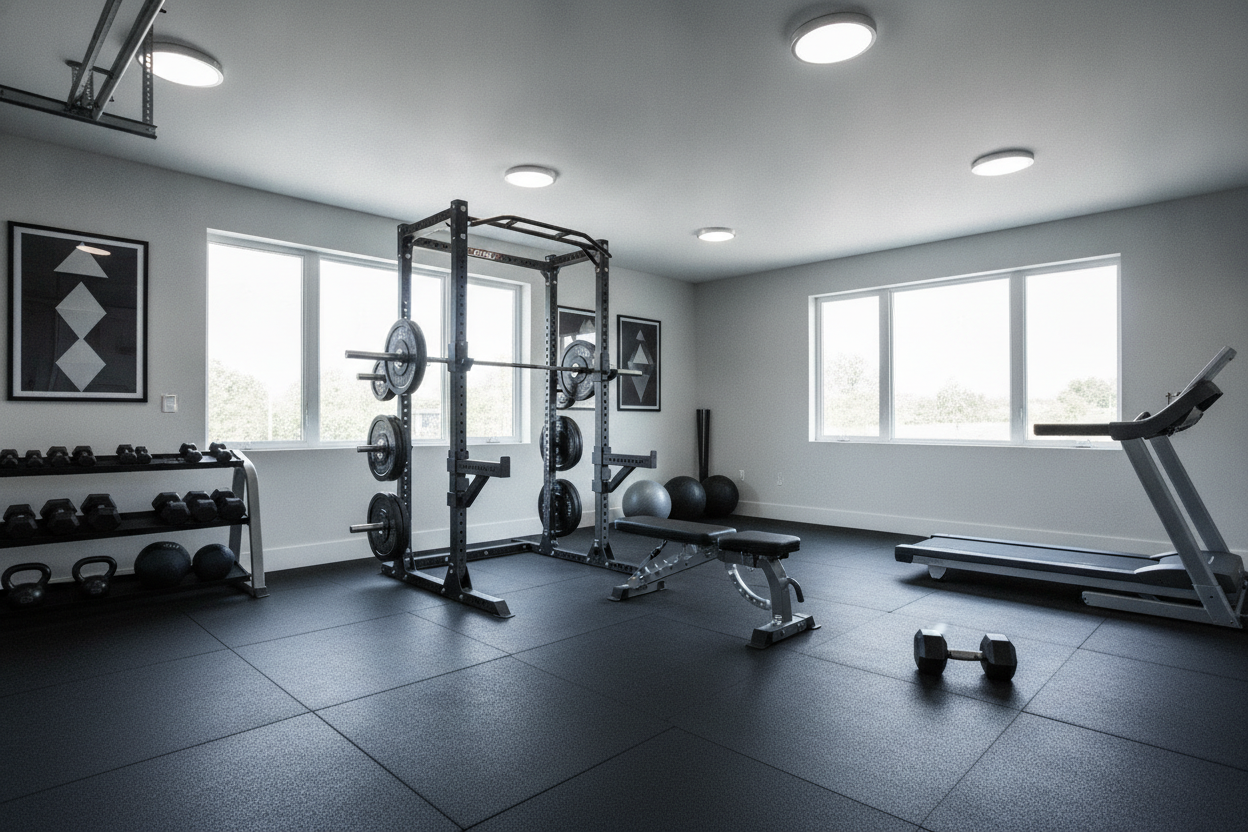
When guys ask me how do i get bigger muscles fast, they expect me to recommend a new pre-workout or a fancy cable machine. I tell them to buy real mats. You need something that won't migrate across the floor or compress under a 400-pound load. I eventually upgraded to upgraded exercise mats extra wide enough to cover the entire footprint of my power rack.
Standard 4x6 stall mats are great, but they smell like a tire fire for six months. High-density gym flooring is the move if you're training in a finished space. Look for at least 7mm to 10mm thickness. Anything thinner is just a yoga mat with an ego. You want a surface that feels like concrete but has just enough 'give' to protect your joints and your subfloor when you're pulling heavy deadlifts.
Eating to Match Your New Output
Once you fix your floor, your lifts are going to spike. You're going to be moving more total tonnage per week than ever before. This is where you learn how to make muscles bigger fast by fueling the fire. You can't stay in a maintenance calorie phase when your strength is exploding. You need a surplus.
Aim for a 300-500 calorie surplus with a heavy focus on protein (1g per pound of body weight). Because you're finally training on a stable surface, your recovery demands will change. You'll feel a deeper, more 'productive' soreness in the target muscles rather than a vague ache in your joints. Feed that growth, and the scale will finally start moving in the right direction.
Personal Experience: My $40 Mistake
I wasted forty bucks on those interlocking EVA foam tiles because they were cheap and easy to ship. Within a month, the 'teeth' of the tiles started pulling apart during lunges. Even worse, the heavy feet of my power rack permanently indented the foam, making the whole rack lean slightly to the right. I ended up throwing them in the trash. Save your money. Buy high-density rubber once, and you'll never have to think about your floor again.
FAQ
Can I just lift on bare concrete?
You can, but it's brutal on your joints and your equipment. Concrete has zero shock absorption, which can lead to stress fractures over time if you're doing high-impact movements. It also destroys the knurling on your barbells if you drop them.
How thick should my gym floor be?
For most home lifters, 8mm to 10mm is the sweet spot. If you are doing heavy Olympic lifting or dropping 500-lb deadlifts regularly, you might want to look at 3/4-inch stall mats or a dedicated lifting platform.
Will better flooring actually make me stronger?
Indirectly, yes. It allows for better force production and nervous system efficiency. You aren't 'gaining' strength magically; you are simply stopping the floor from stealing the strength you already have.