Hip Crunches Form Guide for Home Core Workouts
When organizing a home bodyweight workout, standard abdominal work often hits a wall when lifters experience neck fatigue or strained hip mechanics. Adding hip crunches to your regimen offers a targeted way to emphasize the pelvic region and deep midsection without relying on harsh upper-body pulling. Integrating the hip crunches exercise into your routine challenges trunk stability by blending forward torso curling with a controlled pelvic lift. Done consistently, hip crunches help reinforce trunk coordination while maintaining steady control across the floor.
What muscles do hip crunches work?
Hip crunches work primarily the lower portion of the abdominal wall, the deep core muscles, and the stabilizing hip flexors. Unlike traditional sit-ups that pull heavily through the hip crease, performing a disciplined hip crunch demands that the lower torso curl inward to draw the pelvis upward toward the ribcage. This specific angle shifts work away from excessive neck tension directly into the lower abs.
During standard crunches, the upper spine flexes while the pelvis stays anchored to the floor. In contrast, hip crunches introduce a dynamic shift where the pelvis rotates backward. This movement pattern recruits both the rectus abdominis and the internal and external obliques to stabilize the midsection. While the hip flexors participate as secondary stabilizers during the bottom of the movement, the goal of proper hip crunches is to avoid letting those hip tendons overpower the primary work of the abdominal wall. Reading a detailed guide to crunches and abdominal training can clarify how basic trunk flexion compares to pelvic-driven trunk flexion.
How do you perform a hip crunches exercise correctly?
You perform a hip crunches exercise correctly by initiating the movement with an intentional posterior pelvic tilt and lifting the tailbone smoothly upward rather than kicking with your legs. Maintaining steady repetition control throughout each phase prevents momentum from taking over and keeps tension centered across your core muscles.
Setup and Starting Position
Lie face up on your mat with knees bent and feet resting lightly on the ground or elevated at roughly a right angle. Flatten your spine so there is no large arch under your lower back. Place your fingertips lightly behind your ears or keep your arms flat along the floor beside your hips to assist balance. Maintain neutral spinal alignment through the neck by keeping your chin slightly tucked away from the chest.
Execution and Form Cues
To execute the hip crunches exercise, focus on these essential form cues:
- Press the small of your lower back firmly into the ground to set an active pelvic tilt.
- Simultaneously curl your upper shoulder blades off the floor while initiating a subtle hip lift that rolls the tailbone an inch or two upward.
- Exhale as your pelvis curls toward your ribcage, focusing effort strictly across the lower abs.
- Pause at the peak of the hip crunch for a deliberate second without swinging your legs or tucking your knees abruptly toward your chest.
- Lower your pelvis and upper back under strict control to return to the starting position without letting the spine arch aggressively.
A common error during hip crunches is using kicking momentum to drive the hips up. When athletes swing their knees, the hip flexors dominate the lift, reducing direct tension on the core muscles. Another mistake is collapsing back into the floor between reps; continuous repetition control keeps hip crunches effective without requiring erratic speed.
Why does my tailbone hurt when doing hip crunches?
Your tailbone hurts during hip crunches because hard, unyielding floors concentrate body weight directly onto the sacrum as the pelvis curls upward. When rolling through repetitive floor exercises, that localized tailbone pressure can cause friction and discomfort against thin flooring, making it difficult to maintain proper spinal alignment.
Standard hard surfaces like concrete, tile, or thin laminate provide almost zero shock absorption. When performing continuous hip crunches, the rolling motion of each hip lift repeatedly compresses sensitive tissue over hard floorboards. Over a long session, excessive tailbone pressure often forces people to compensate by arching their back or twisting their hips unevenly, which undermines good technique and stresses the lower back.
Solving this issue requires supportive workout flooring with genuine high-density padding. Unlike soft, spongy foam that squishes flat under pressure, resilient padding cradles the spine while keeping your base firm. Setting up a dedicated mat from a quality cushioned exercise mat collection distributes pressure evenly during the pelvic rotation. A firm exercise mat with a textured, non-slip surface prevents slipping during sweaty core sessions and keeps your hips properly positioned rep after rep.
Effective Crunch Variations and Complementary Pairings
Once you are comfortable with base hip crunches, introducing deliberate crunch variations can broaden your midsection training. Exploring different movement paths challenges the trunk through rotational and transverse planes while maintaining disciplined mechanics.
Reverse Hip Crunch
In a reverse hip crunch, your upper back remains grounded while your lower body performs the curl. Keeping the shoulders stationary isolates the lower abs and demands strict stabilization from the deeper layers of the abdominal wall. This variation is especially useful if your neck becomes tired during standard crunches.
Twisting Hip Crunches
Adding a slight diagonal rotation to your hip crunches engages the internal and external obliques. As you execute the hip lift, angle one hip slightly toward the opposite shoulder. This variation enhances rotational control while challenging your hip flexors to guide the movement without wobbling.
Pairing Hip Crunches with Hip Thrusts
A well-rounded training routine balances anterior abdominal flexion with posterior hip extension. Pairing flexion-heavy hip crunches with posterior-chain drills like hip thrusts ensures balanced pelvic support. While a hip crunches exercise engages your front core via flexion, hip thrusts activate the glutes and hamstrings through extension. Reviewing a practical hip thrust workout breakdown shows how direct glute activation stabilizes pelvic posture and balances the anterior load from core training. Alternating between sets of hip crunches and hip thrusts creates a balanced stimulus across the entire hip girdle.
Setting Up Your Space for Dedicated Floor Exercises
Executing continuous floor exercises comfortably requires enough dedicated clearance and reliable surface grip. A cramped corner where your legs bump into furniture ruins the smooth cadence of hip crunches and limits your range of motion.
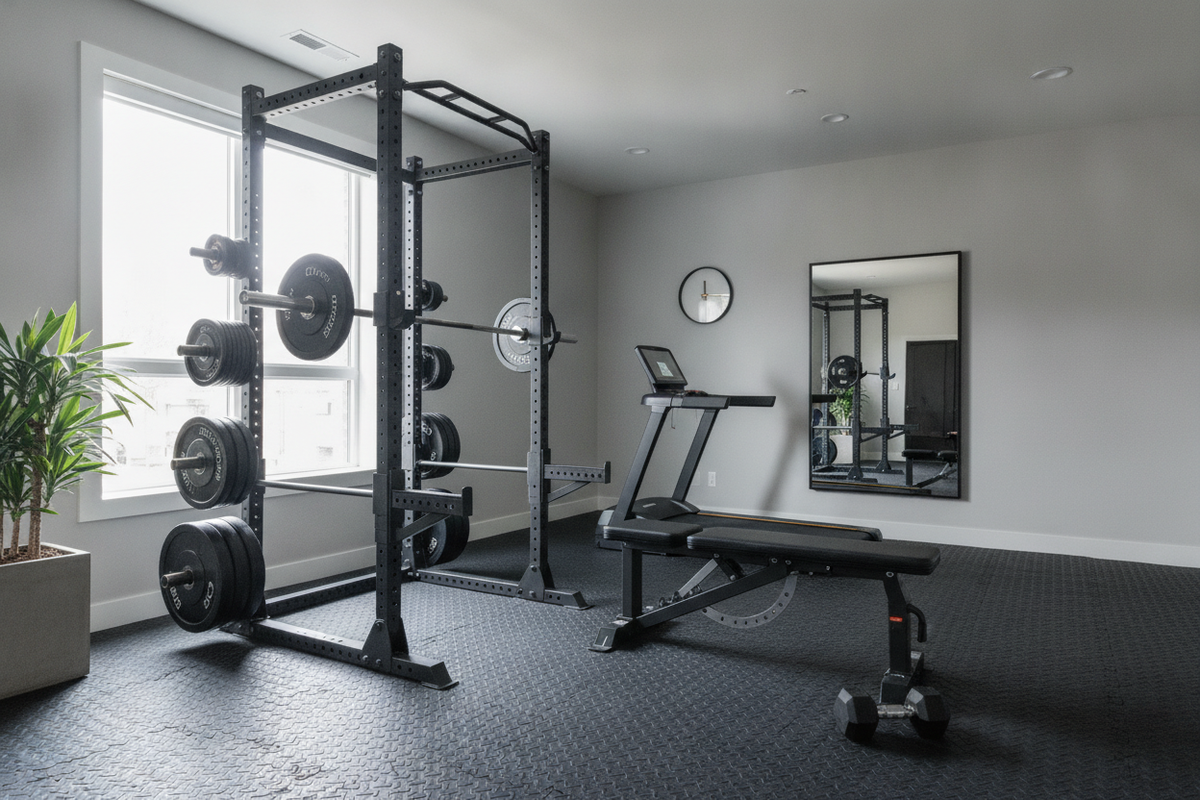
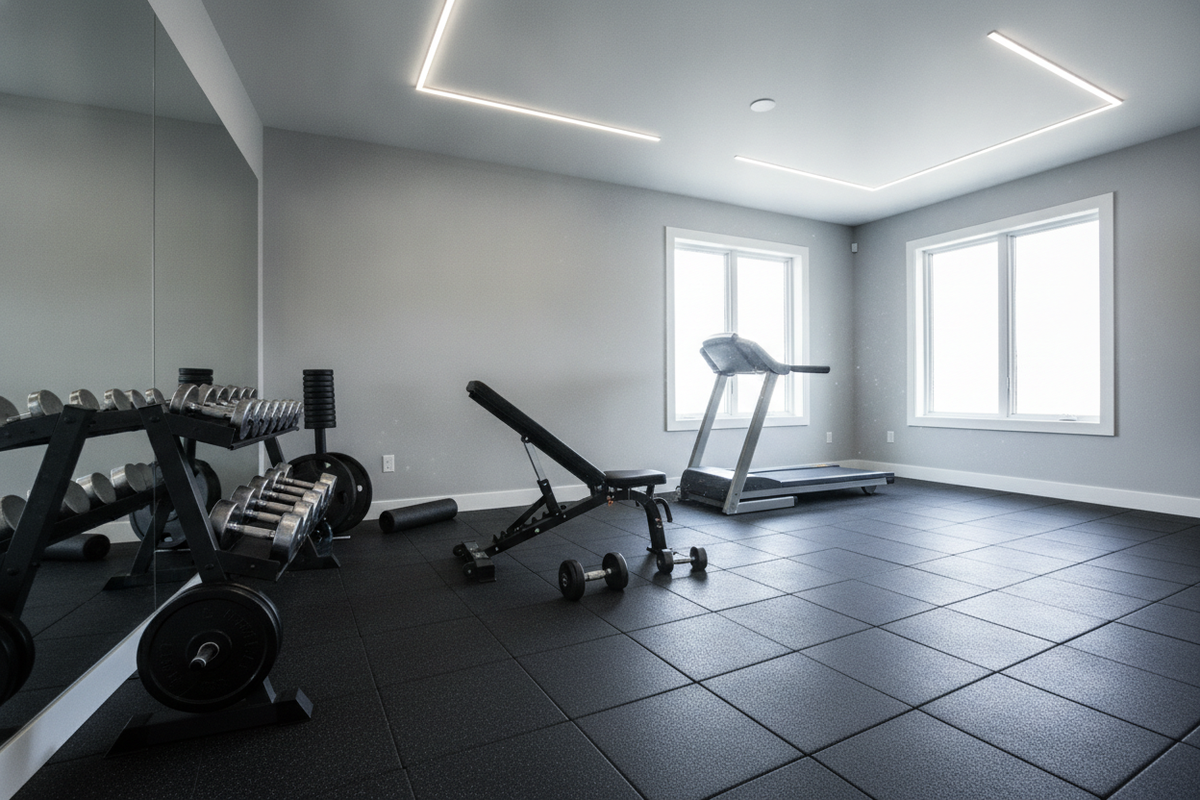
When outfitting your space for a floor-based bodyweight workout, lay down a dependable large exercise mat that gives you room to stretch out. Having ample workout flooring ensures that both your upper torso and extended legs stay completely on cushioned material throughout your sets. Investing in durable large exercise mat options transforms any spare room into a practical training zone without worrying about edge curling or mat slippage.
Ensure that your training surface features a stable non-slip surface on both sides. The mat should grip the floor beneath it while giving your feet and shoulders stable purchase above. High-grade high-density padding preserves proper spinal alignment under load, dampening harsh tailbone pressure during every rep of your hip crunches exercise. After wrapping up a session of crunches, wipe down your exercise mat with a gentle damp cloth to keep your home gym fresh, clean, and ready for your next workout.