Hammer Strength Plate Loaded: The Truth About Iso-Lateral Gains
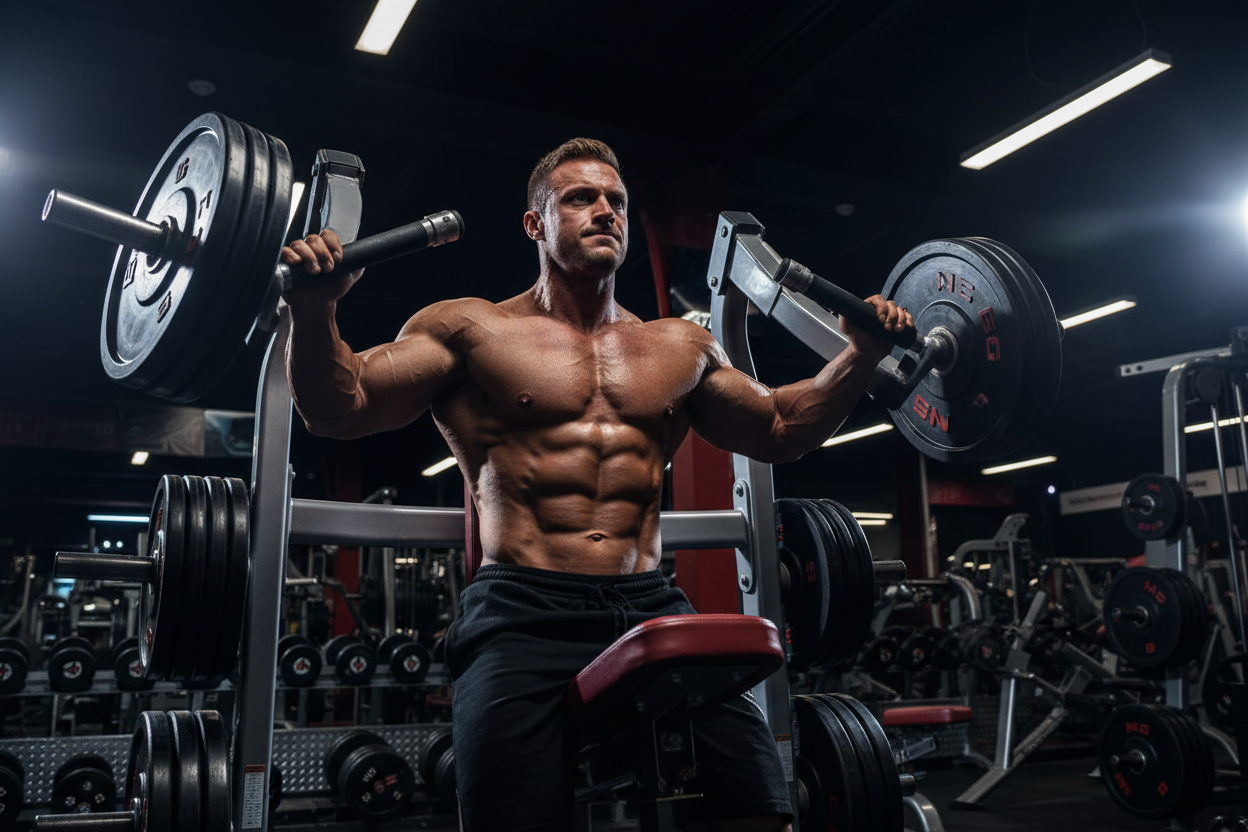
Walk into any serious bodybuilding gym, and you will see them. Usually bright red, black, or yellow, sitting heavy on the floor. We aren't talking about standard pin-loaded machines here. We are talking about the hammer strength plate loaded line. For decades, these machines have bridged the gap between the raw feel of free weights and the safety of machines.
But are they actually superior for growth, or is it just branding hype? If you have been sticking strictly to barbells or generic selectorized machines, you are missing out on a specific biomechanical advantage that can fix imbalances and drive hypertrophy.
Key Takeaways
- Iso-Lateral Technology: Unlike standard machines, Hammer Strength allows each arm or leg to move independently, preventing your dominant side from taking over.
- Converging/Diverging Arcs: The movement paths mimic natural human joint mechanics rather than a straight, unnatural line.
- Safety at Limit Loads: You can push to absolute failure safely without a spotter, unlike a barbell bench press.
- Strength Curve: These machines maintain tension throughout the range of motion, often peaking where the muscle is strongest.
The Science Behind the Design
The magic of hammer strength plate-loaded equipment lies in the engineering of the movement arm. Gary Jones, the creator, didn't just weld metal together; he used CAD software in the late 80s to map the natural movement of the human body.
When you press a barbell, you are locked into a fixed bar path. When you use hammer strength plate-loaded machines, specifically the pressing movements, the handles converge (come together) at the top of the rep. This mimics the natural adduction of the pectoral muscles. Conversely, on pulling movements, the handles diverge, allowing for a fuller stretch of the lats.
Why Iso-Lateral Matters
Most gym-goers have one side stronger than the other. On a standard machine, your strong side compensates for the weak one. With hammer strength plate loaded machines, you cannot cheat. If your left arm is weaker, the weight won't move on that side. This forces symmetry and balanced muscle development, which is critical for both aesthetics and injury prevention.
Plate Loaded vs. Selectorized: The Feel
Selectorized (pin-loaded) equipment relies on pulleys and cables. While effective, the friction of the pulley system can sometimes dampen the eccentric (lowering) phase of the lift. There is a distinct "drag."
Hammer strength plate-loaded gear connects you directly to the weight. There are no cables. It is just a lever and a pivot point. This provides a crisp, raw feel similar to a barbell. You feel every pound of resistance. Furthermore, the loading capacity is generally much higher. You can load four, five, or six plates per side on a Hammer Strength row, whereas a cable stack might max out at 200lbs.
My Training Log: Real Talk
I want to step away from the specs and talk about what these machines actually feel like at 6:00 AM when the pre-workout hasn't kicked in yet.
I've spent years on the Iso-Lateral Super Incline Press. There is a very specific nuance to this machine that spec sheets don't tell you. It's the "thud." When you are grinding out that last rep and your triceps are screaming, you don't have to worry about racking a bar. You just let the arms bottom out. There is a satisfying, heavy metal-on-metal sound that signals the set is done.
However, it's not all perfect. If you are training in an older gym, you know the struggle of the "sticky start." If the bearings on the pivot points haven't been greased in a decade, that first inch of movement requires a disproportionate amount of force to break inertia. I also have a love-hate relationship with the seat adjustments. On the older models, the spring-loaded pin can be incredibly stiff—I've pinched my fingers more than once trying to drop the seat height between sets. But despite the grit and the occasional finger pinch, nothing isolates my upper chest quite like the converging motion of that incline press.
Conclusion
If your goal is pure strength, the barbell remains king. But for hypertrophy—building muscle mass safely and symmetrically—hammer strength plate-loaded equipment is arguably the best tool in the gym. It allows you to overload muscles safely, match your body's natural mechanics, and correct left-to-right imbalances.
Frequently Asked Questions
Are Hammer Strength machines better than free weights?
They are not necessarily "better," but they are different. Free weights require more stabilizer muscles, while Hammer Strength machines allow for greater isolation and safety when training to failure. A complete program usually includes both.
How much does the starting resistance weigh?
This varies by machine. On most upper body hammer strength plate-loaded units, the starting weight of the movement arm is between 7 to 15 lbs. However, leg presses and squat machines have a much heavier starting resistance, often exceeding 40 lbs.
Why do the handles move independently?
This is the "Iso-Lateral" feature. It ensures that your dominant side cannot carry the load for your weaker side, which helps correct muscle imbalances and symmetry issues.