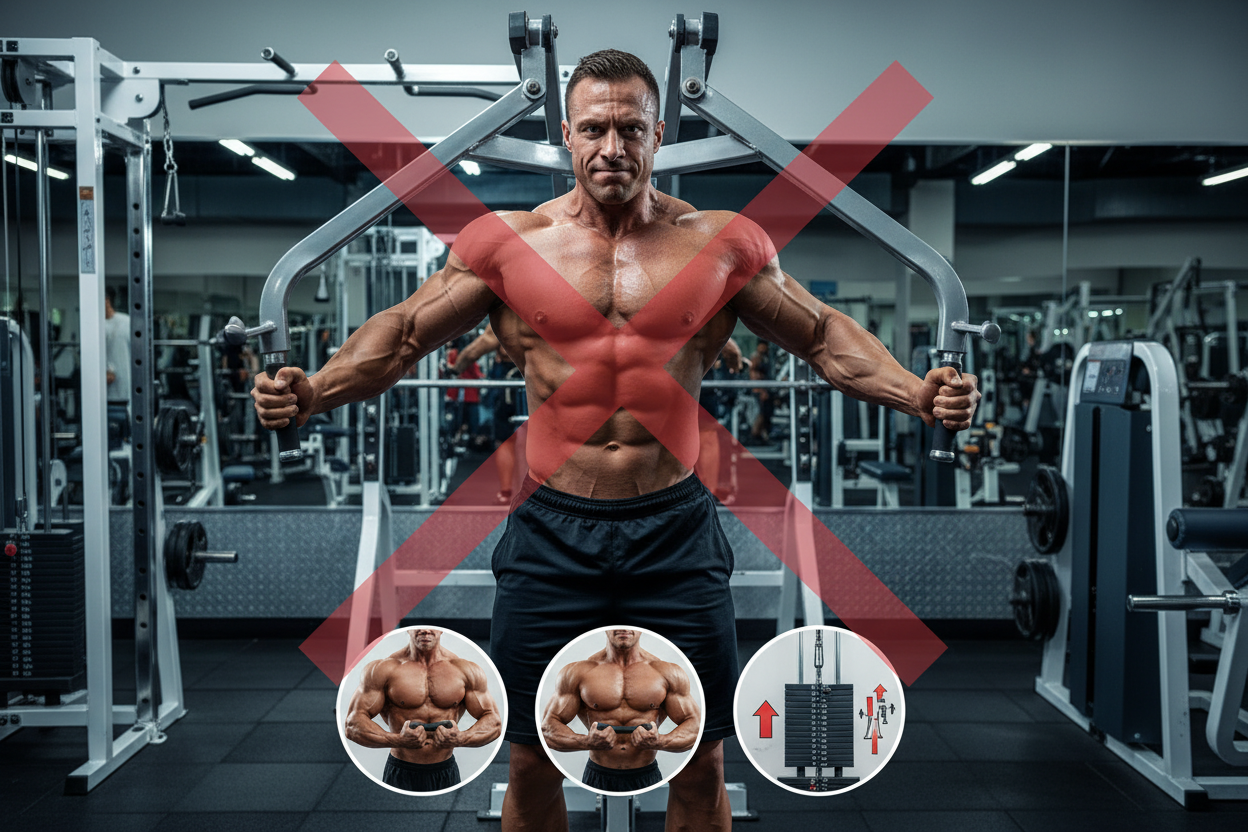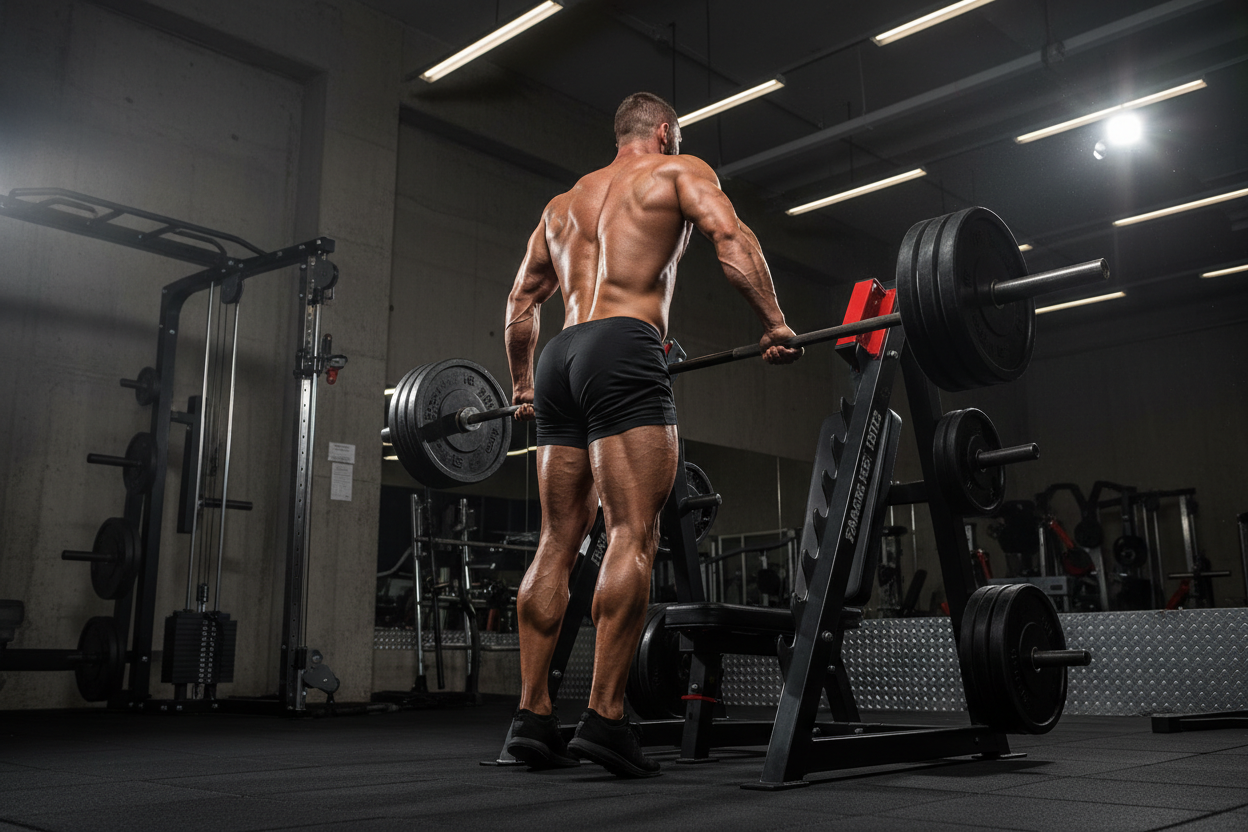
Hammer Strength Deadlift Machine: The Ultimate Hypertrophy Guide
We need to have a serious conversation about the risk-to-reward ratio in your back training. While the barbell deadlift is often hailed as the king of exercises, it comes with a steep tax on your central nervous system and lumbar spine. Enter the hammer strength deadlift machine.
Many purists scoff at machines, calling them "soft." I used to be one of them until I realized that stability is actually the precursor to force production. If you want to load your posterior chain heavily without worrying about stabilizing a 500lb bar in free space, this machine is not just an alternative; it is a superior tool for pure muscle growth.
Key Takeaways: Why Use This Machine?
- Reduced Shear Force: The fixed path minimizes dangerous torque on the lumbar spine compared to free weights.
- Targeted Hypertrophy: Allows you to overload the lats, traps, and erectors without grip or balance becoming the limiting factor.
- Versatility: Excellent for performing the hammer strength rdl to isolate hamstrings and glutes.
- Safety at Failure: You can push to absolute mechanical failure safely without a spotter.
The Mechanics: Why It Works
The magic of the Hammer Strength equipment lies in its iso-lateral technology. Unlike a standard Smith machine, which forces both sides to move together, the hammer deadlift allows each arm to work independently.
This matters because most of us have imbalances. If your right side is dominant, a barbell deadlift lets your left side slack off. This machine exposes that weakness immediately.
The Stability Factor
Hypertrophy requires tension. When you use a barbell, a significant amount of your energy goes into stabilizing the weight rather than lifting it. The Hammer Strength machine provides external stability.
Because the path of motion is fixed, you can direct 100% of your neural drive into contracting the target muscle. This is why bodybuilders often prefer this machine closer to a show—they can maintain high intensity with lower injury risk.
Mastering the Hammer Strength RDL
While the standard deadlift on this machine is great for the upper back, the Romanian Deadlift (RDL) variation is where this piece of kit truly shines. Performing a hammer strength rdl removes the balance component that ruins many barbell RDLs.
To set this up, face the machine. Instead of squatting down, grab the handles and walk your feet back slightly. Keep a soft bend in the knees and hinge purely at the hips. Because the handles are fixed, you can sit back into your heels aggressively, stretching the hamstrings far more than you could with a barbell without falling over.
Common Mistakes to Avoid
Even with a machine, you can mess this up. Here are the errors I see constantly:
1. Squatting the Weight
This is a deadlift, not a leg press. Do not drop your hips too low. If your knees are shooting forward, you are using your quads. Keep your shins relatively vertical to ensure the load stays on the posterior chain.
2. Shrugging at the Top
There is no need to shrug your shoulders up to your ears at the lockout. This puts unnecessary strain on the neck. Finish the movement by driving the hips through and squeezing the glutes, keeping the shoulders down and back.
My Training Log: Real Talk
I want to be transparent about my experience with this machine. The first time I used it, I hated the handle placement. Depending on the specific model year of the Hammer Strength machine your gym has, the neutral grip handles can feel surprisingly wide.
I remember loading up four plates per side, thinking it would be a breeze. The first thing I noticed wasn't the weight—it was the knurling. It’s aggressive. If you don't use straps, it will tear your hands up faster than a worn-down gym barbell because the handles don't rotate. The friction is constant.
Another specific quirk: there is zero "slack" to pull out. With a barbell, you hear that click-clack before the plates leave the floor. On the Hammer machine, the resistance is immediate and jarring. I learned the hard way that you cannot jerk the weight up; you have to grind it from the very first millimeter, or you'll feel a shockwave run right up your forearms.
Conclusion
The hammer strength deadlift machine isn't a replacement for the barbell deadlift if you are a powerlifter competing in the big three. However, if your goal is a thick, dense back and massive hamstrings, it is an indispensable tool.
It allows you to train past failure safely and fixes strength imbalances that barbells hide. Stop worrying about what looks "hardcore" and start using the tools that provide the best stimulus for growth.
Frequently Asked Questions
How much does the starting weight weigh on a Hammer Strength deadlift?
On most standard iso-lateral Hammer Strength deadlift machines, the starting resistance is roughly 4-5 lbs (approx 2kg) per arm due to the leverage of the empty arm. However, the friction and mechanics make it feel slightly heavier than moving air.
Can I replace barbell deadlifts with the Hammer Strength version?
If your goal is bodybuilding or general fitness, yes. You will build similar muscle mass with less risk of injury. If you are a powerlifter, you still need to perform barbell deadlifts to practice the specific skill of the lift.
Is the Hammer Strength RDL better for glutes or hamstrings?
It targets both, but you can bias the muscle based on foot position. A straighter leg with a high hip hinge targets the hamstrings. If you bend the knees slightly more and focus on the lockout squeeze, you will recruit more glutes.