Custom Foam Mat: Don't Buy Until You Read This
If you have ever tried to hold a plank on a freezing basement floor or watched your expensive dumbbells chip on raw concrete, you know the importance of proper flooring. Yet, so many home gym owners settle for mismatched, slipping puzzle pieces that look terrible and perform worse.
Upgrading to a custom foam mat is one of the highest-ROI improvements you can make to your training space. In this guide, we will break down exactly what to look for, how to measure your space, and whether this flooring solution is actually right for your specific workout style.
Key Takeaways
- Thickness matters: Aim for at least 3/4-inch to 1-inch thick EVA foam for adequate shock absorption.
- Seamless fit: Precision-cut edges prevent the mat from shifting during high-intensity lateral movements.
- Personalization: Modern manufacturing allows for logos, turf-lines, and specific colorways.
- Not for heavy drops: While great for bodyweight and light dumbbell work, dedicated powerlifters will still need rubber drop zones.
Fitting Your Unique Gym Layout
One of the biggest headaches in North American home gyms—whether it is a two-car garage or a cramped spare bedroom—is dealing with awkward dimensions. Standard 4x8 mats rarely fit perfectly without tedious manual cutting.
Wall-to-Wall vs. Dedicated Zones
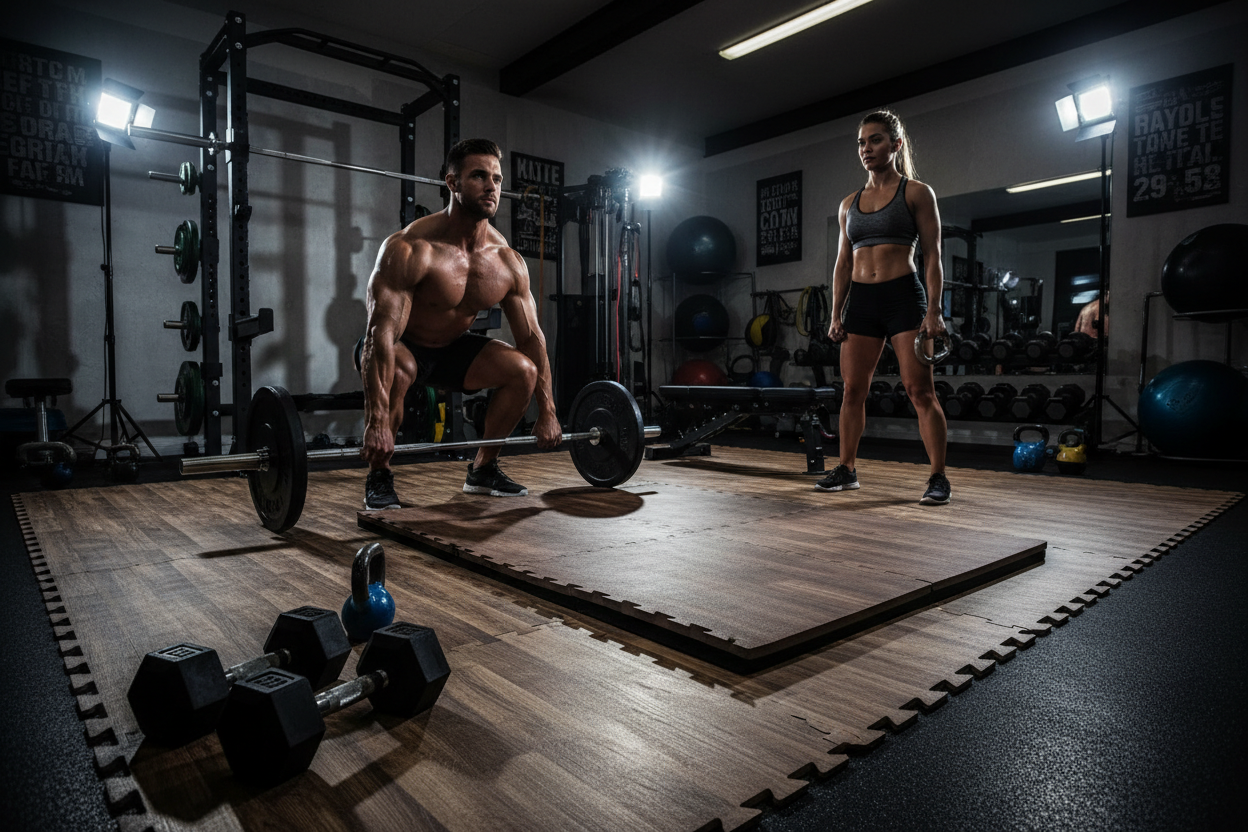
By opting for custom foam floor tiles, you can precisely map out your floor plan. If you are outfitting a multi-use room, a dedicated 8x8 custom zone might be perfect. For a dedicated basement gym, wall-to-wall interlocking tiles provide a cohesive, professional aesthetic while insulating the room against cold concrete.
Elevating Your Space with Design
Your home gym should be a place you actually want to spend time in. Gone are the days of choosing between basic black or primary-color playroom mats.
The Rise of Personalized Flooring
Today's printed foam tiles allow you to embed your own home gym logo, motivational quotes, or specific agility markers directly into the floor. This UV-printed technology resists fading and wear, meaning your custom design will not rub off after a few months of sweaty burpees and kettlebell swings.
Durability and Training Applications
Not all foam is created equal. High-density EVA (Ethylene-Vinyl Acetate) foam provides a firm, supportive base that will not leave you feeling like you are sinking into a mattress during heavy squats.
Best Use Cases
These mats shine for HIIT, yoga, mobility work, and general strength training. The high-density foam protects your joints during plyometrics and shields your subfloor from dropped kettlebells. However, if you are regularly dropping heavy barbells from overhead, you will want to integrate a solid rubber lifting platform into your layout.
From Our Gym: Honest Take
When we overhauled our testing facility's mobility and dumbbell zone last year, we swapped out standard rubber rolls for a 1-inch thick custom setup. The immediate difference was the temperature and acoustic control—the foam drastically dampened the echo in our garage setup and was infinitely more comfortable for floor presses and stretching.
However, I will be completely honest about a minor caveat: heavy, static loads. We left a 300-pound functional trainer sitting directly on the foam for three months. When we moved it, the feet had left permanent indentations. If you are placing heavy racks on your custom flooring, I highly recommend placing rigid furniture pads or a thin sheet of plywood under the contact points to distribute the weight.
Frequently Asked Questions
Is a custom foam mat good for heavy weightlifting?
Foam is excellent for general strength training and dumbbell work. However, for heavy Olympic lifting or deadlifts, you should use high-density rubber stall mats or a dedicated wooden lifting platform to prevent floor damage and ensure maximum stability.
How do you clean printed foam tiles?
Maintenance is incredibly easy. Simply sweep or vacuum up loose debris, then mop with a mild soap and warm water solution. Avoid harsh chemicals like bleach, which can degrade the foam and fade the printed designs over time.
Can I park my car on custom foam floor tiles in a garage gym?
No. While high-density EVA foam is durable enough for intense workouts, the concentrated weight and heat from car tires will compress, warp, and ultimately destroy the foam. If you share your garage with a vehicle, consider easily removable mats or a half-and-half garage setup.