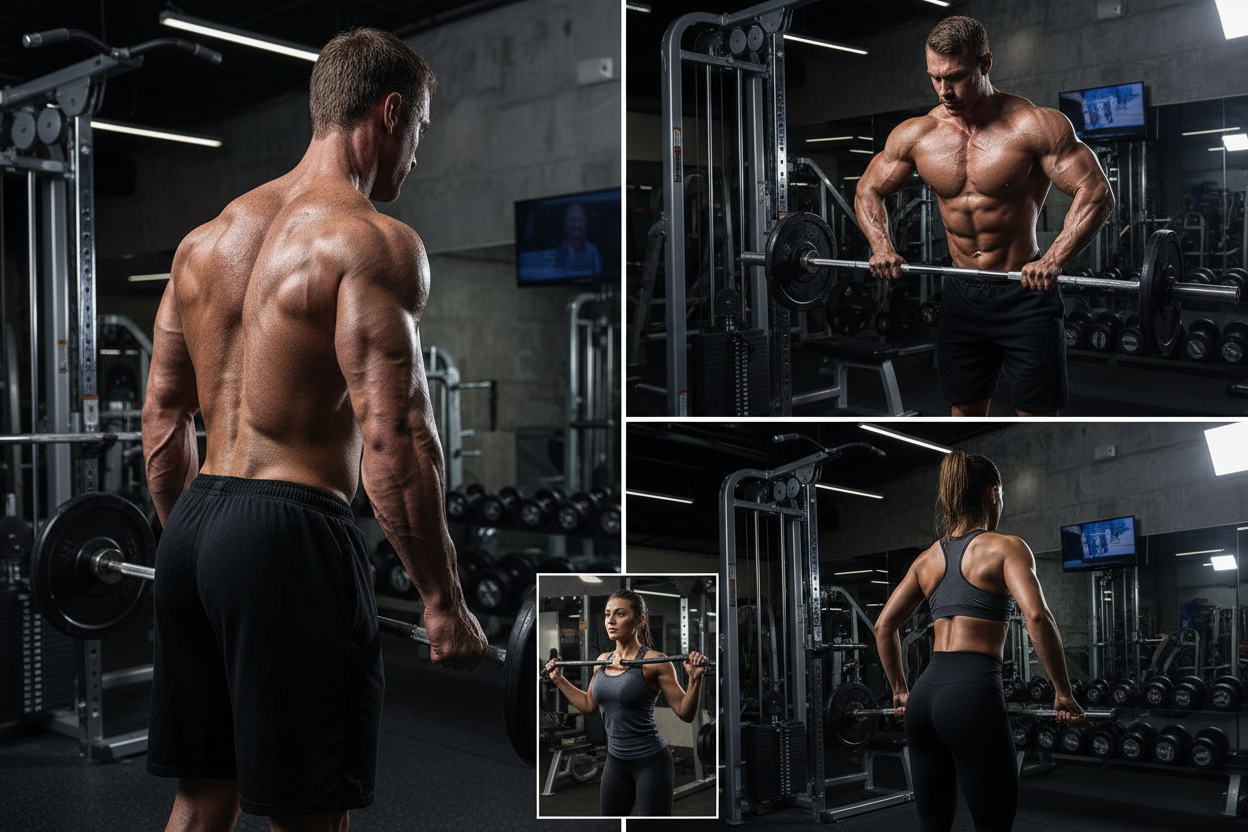
Gym Equipment Pictures and Names: The Ultimate Visual Blueprint
Walking into a commercial gym for the first time—or even the fiftieth—can feel like stepping into an airplane cockpit without a flight manual. You see rows of chrome, black leather, and complex pulley systems. You know they build muscle, but you aren't quite sure what they are called or, more importantly, what they actually do.
This confusion leads to "gymtimidation." You stick to the treadmill because the weight room looks like a puzzle you can't solve. Understanding gym equipment pictures and names is about more than just vocabulary; it is about safety, efficiency, and confidence. When you can identify a piece of kit by sight, you understand its intended biomechanics before you even sit down.
Let’s decode the gym floor so you can stop guessing and start training effectively.
Key Takeaways: Equipment Identification Cheat Sheet
If you are scanning the floor trying to find your next station, here is the quick categorization of what you are looking at:
- Free Weights: Equipment not attached to a pulley or wall (Dumbbells, Barbells, Kettlebells). Requires high stability.
- Selectorized Machines: Machines with a weight stack and a pin. Fixed path of motion (Leg Press, Chest Press, Lat Pulldown).
- Plate-Loaded Machines: Lever-based machines where you add round weight plates manually (Hammer Strength rows, Hack Squats).
- The Racks: Steel cages used for safety during heavy lifts (Power Rack, Squat Stand).
- Cable Systems: Adjustable pulley towers (Functional Trainer, Cable Crossover) allowing freedom of movement.
Deciphering Free Weights
Free weights are the bread and butter of strength training. They are defined by gravity; the resistance only goes down.
The Barbell
This is the long steel bar (usually 45 lbs or 20kg) with sleeves on the ends for plates. If you see a thick bar with rough texture (knurling) on the grip, that is your primary tool for squats, deadlifts, and bench presses. Pro tip: Standard Olympic bars have rotating sleeves to prevent your wrists from snapping during a lift.
The Dumbbell vs. The Kettlebell
Dumbbells are the handheld weights with equal mass on both sides of the handle. They are excellent for correcting muscle imbalances. Kettlebells, however, look like a cannonball with a handle. The center of gravity is offset, meaning the weight tries to pull your hand downward, forcing your core to work harder to stabilize it.
Selectorized Machines: The "Pin-and-Go" Series
When searching for gym machine names and pictures, these are usually what beginners look for first. They are user-friendly because the path of motion is fixed.
The Lat Pulldown
Look for a machine with a seat, knee pads, and a long bar hanging from a cable above. This mimics a pull-up. The visual cue here is the overhead pulley. If you are pulling vertically from above your head, you are targeting the Latissimus Dorsi (back width).
The Leg Extension vs. Leg Curl
These two look similar but function oppositely. The Leg Extension has a roller pad that rests on your shins; you kick up to work the quads. The Leg Curl has a pad that rests behind your ankles (or you lie on your stomach); you curl your heels towards your glutes to work the hamstrings. Confusing these two is a common rookie error.
The Heavy Hitters: Plate-Loaded and Racks
This section of the gym is often where the most confusion occurs regarding names of gym equipment with pictures because everything looks like a cage of steel.
The Smith Machine vs. The Power Rack
This is the most critical distinction to make. A Power Rack is a simple steel cage. You take a barbell inside it. The bar is free-moving. If you fall, the safety bars catch the weight.
A Smith Machine looks similar, but the barbell is attached to vertical guide rails. It cannot move forward or backward, only up and down. Visually, look for the hooks attached permanently to the bar. While the Smith Machine removes the need for stabilization, it forces your body into a rigid path that isn't always natural.
The Leg Press
Look for a massive machine set at a 45-degree angle with a large platform (sled). You load plates onto the pegs and push the platform away with your feet. It allows you to move significantly more weight than a squat because your back is supported, removing the spinal load.
My Personal Experience with Gym Equipment Pictures and Names
I’ve been lifting for over 15 years, but I still remember the embarrassment of my first month. I walked up to what I thought was a standard shoulder press machine. I sat down, didn't adjust the seat height, and when I pushed the handles up, the mechanical leverage felt... wrong. My shoulders were clicking, and I felt zero tension in the muscle.
I realized halfway through the set that I was using a "Converging Chest Press" backwards. I was facing the pad instead of away from it. The machine had a small diagram on it—those little yellow placards we all ignore—showing the red muscles being worked. I had ignored the visual aid completely.
Another specific detail I learned the hard way involves the "Cable Crossover." I once grabbed a handle that had a frayed rubber stopper. When I let the weight stack drop, the metal clip pinched the skin of my palm right between the thumb and index finger. It was a small blood blister, but it taught me a valuable lesson: knowing the name of the machine is step one; inspecting the wear and tear on the cables and clips is step two. Now, I always run my finger over the cable casing before I start a fly movement.
Conclusion
Mastering the layout of the gym floor removes the mental friction between you and your workout. Once you can connect the gym equipment pictures and names to their functions, the gym stops being a maze and starts being a toolbox. Don't be afraid to walk around the gym without headphones for a day, reading the placards on the machines. It’s the fastest way to turn "gymtimidation" into authority.
Frequently Asked Questions
What is the machine with the two ropes called?
That is typically the Battle Ropes station (often anchored to a wall or heavy sled) or a Cable Crossover machine if the ropes are attached to weight stacks. Battle ropes are for conditioning, while cable machines provide constant tension for muscle building.
Is a Smith Machine safer than a Squat Rack?
Not necessarily. While the Smith Machine has locking mechanisms, the fixed path of motion can force your joints into unnatural angles if your form isn't perfect. A Power Rack (Squat Rack) with properly set safety pins is generally safer and better for long-term joint health and strength development.
What is the best equipment for a total beginner?
Start with Selectorized Machines (the ones with the pin and weight stack). They stabilize your body and dictate the movement path, reducing the risk of injury while you build a base level of strength and learn which muscles control which movements.