Full Body Workout Intense: The Ultimate Home Gym Training Guide
If you have hit a wall in your home gym training, it is time to rethink your programming. Spending hours isolating individual muscle groups works for bodybuilders, but for the average garage gym athlete juggling work and family, efficiency is everything. Stepping up to a full body workout intense enough to trigger serious adaptation might be exactly what you need to break that plateau.
This guide breaks down how to structure the ultimate high-effort, total-body routine using the equipment you already have. We will cover exercise selection, essential gear, and how to survive the volume without overtraining.
Key Takeaways
- Focus on heavy compound movements like squats, deadlifts, and presses to maximize systemic fatigue.
- Keep workouts under 60 minutes to maintain high intensity without burning out your central nervous system.
- Utilize versatile home gym equipment like power racks and adjustable dumbbells to seamlessly transition between lifts.
- Prioritize 48 to 72 hours of recovery between sessions to allow muscle repair and growth.
Structuring the Hardest Full Body Workout
Designing the hardest full body workout is not just about throwing random exercises together until you collapse. It requires a strategic approach to muscle recruitment and energy systems, ensuring you get the most out of every minute spent in your home gym.
Prioritize Compound Lifts
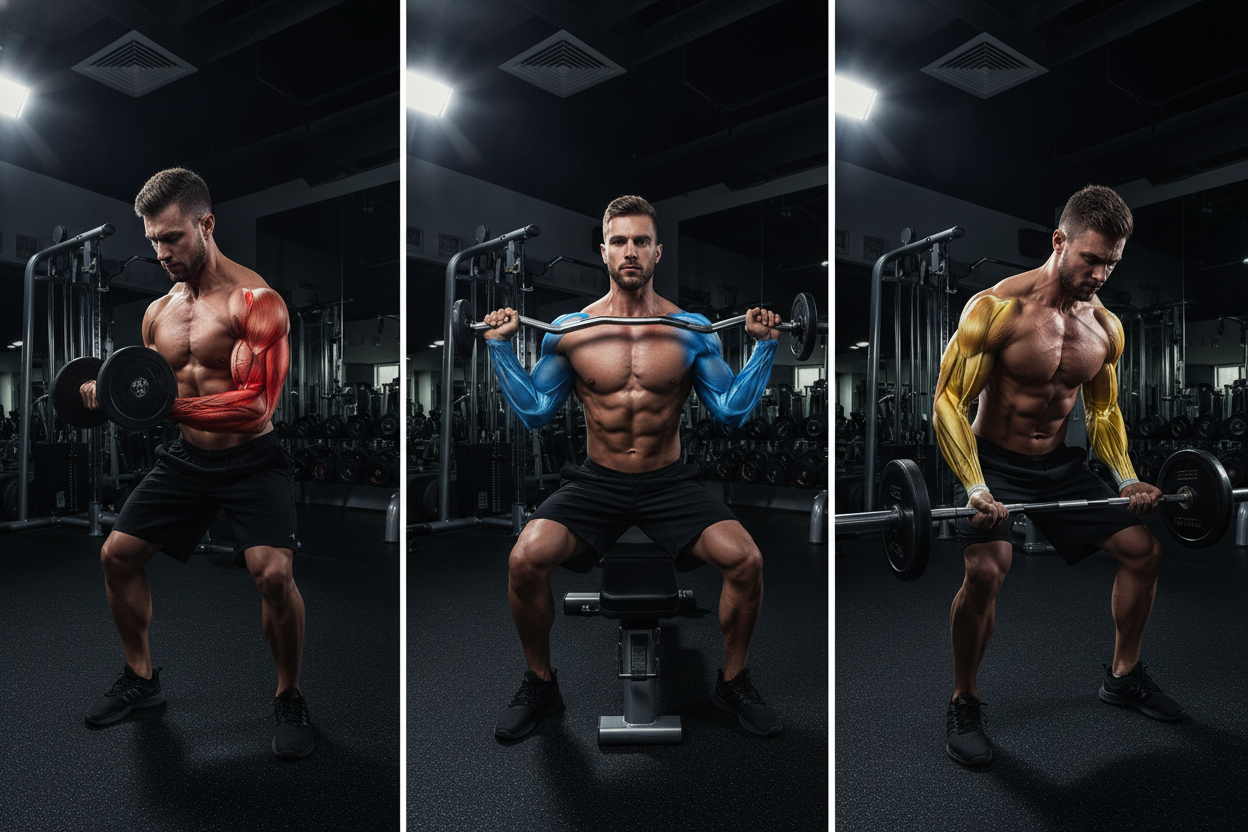
To make a hard full body workout truly effective, you must start with multi-joint movements. Think barbell back squats, overhead presses, and bent-over rows. These exercises demand the most energy and should be performed early in the session when your central nervous system is fresh.
Supersets and Density Training
To push this into full body workout extreme territory, incorporate antagonistic supersets. Pairing a push movement (like a barbell bench press) with a pull movement (like pull-ups) allows one muscle group to rest while the other works. This keeps your heart rate elevated and maximizes your time under tension.
Essential Gear for a Full Body Killer Workout
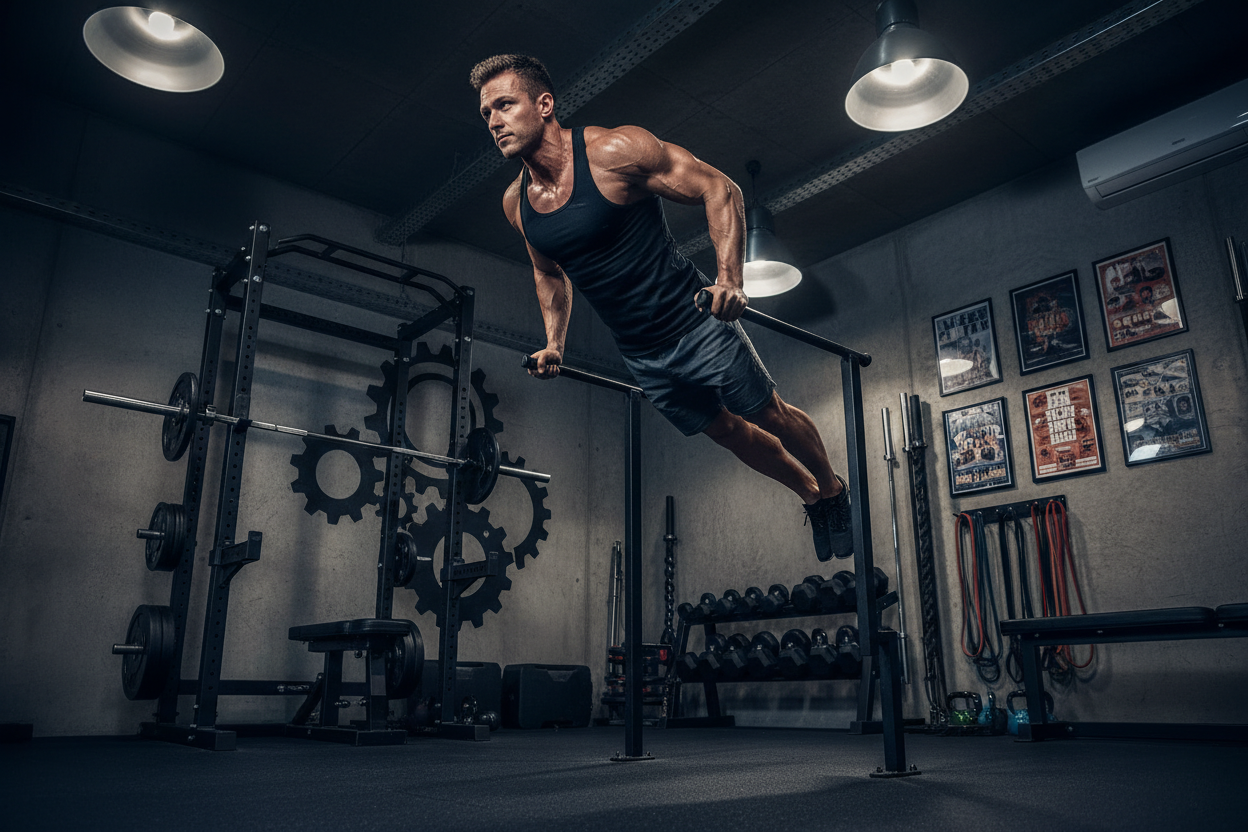
You do not need a massive commercial facility to execute a full body killer workout. However, having the right foundational pieces in your home gym setup makes a massive difference in safety and effectiveness.
The Power Rack and Barbell
The centerpiece of any extreme full body workout is a heavy-duty power rack. Look for a rack with at least a 1,000-pound weight capacity and solid safety pins or straps. This allows you to push to failure on squats and bench presses safely, even if you are lifting alone in your basement. Pair this with a high-quality Olympic barbell and bumper plates for a versatile setup.
Adjustable Dumbbells
For accessory work and drop sets, adjustable dumbbells are a massive space-saver. They allow you to quickly strip weight for metabolic finishers without cluttering your floor space with a massive rack of fixed weights. They are perfect for lunges, shoulder presses, and heavy rows.
From Our Gym: Honest Take
I have tested countless routines in my own garage gym, but transitioning to an intense, three-day-a-week full-body split completely changed my perspective on training volume. During my first week of this programming, I realized my standard entry-level barbell was not cutting it for the high-rep deadlift finishers. The knurling was too passive, and my grip kept failing before my hamstrings did. Upgrading to a bar with an aggressive, volcano-style knurl was a game-changer—my chalked grip held solid through the heaviest sets.
One caveat: doing heavy squats and heavy bench presses in the exact same session is brutal. I initially underestimated the systemic fatigue and had to dial back my working weights by about 10% to survive the full hour. Check your ego at the door when starting this routine.
Frequently Asked Questions
How often should I do an intense full body workout?
For most home gym athletes, three days a week on non-consecutive days (e.g., Monday, Wednesday, Friday) is the sweet spot. This allows for adequate recovery while providing enough stimulus for muscle growth.
Is a full body routine better than a split routine?
It depends on your schedule. If you can only train 3 days a week, full-body routines are superior for maximizing muscle protein synthesis. Body-part splits are better suited for people training 5 to 6 days a week.
Can I do this with just dumbbells?
Absolutely. While a barbell allows for heavier absolute loads, a pair of heavy adjustable dumbbells can still deliver a punishing stimulus, especially if you utilize tempo reps, paused reps, and high-intensity supersets.