Mastering the self full body workout: Complete Training Guide
Building muscle and burning fat in a home gym doesn't require a personal trainer or a wall of complicated machines. If you're tired of hitting plateaus or struggling to program your own garage gym sessions, mastering a self full body workout is the ultimate game-changer.
By focusing on compound movements and smart equipment selection, you can hit every major muscle group efficiently. In this guide, we'll break down exactly how to structure your training and what gear you actually need to see results on your own terms.
Key Takeaways
- A self full-body workout targets all major muscle groups in a single session, perfect for home gym owners training 3-4 days a week.
- Prioritize compound movements like squats, hinges, pushes, and pulls.
- A power rack, barbell, and an adjustable bench are the core investments needed for heavy lifting.
- Progressive overload is essential—track your weights and reps to ensure continuous growth.
Equipping Your Space for Full-Body Gains
You don't need a commercial facility to get a comprehensive self full-body workout. The secret lies in versatile, multi-use equipment.
The Non-Negotiable Essentials
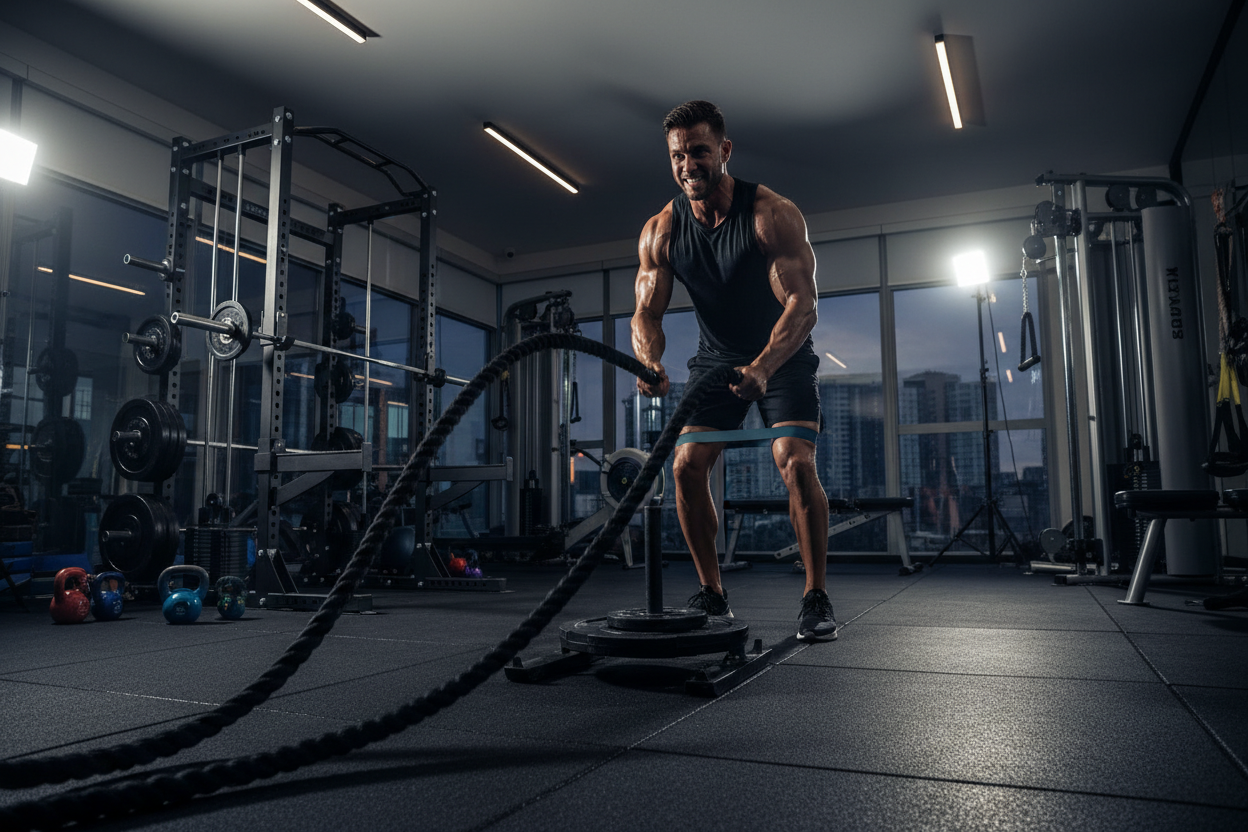
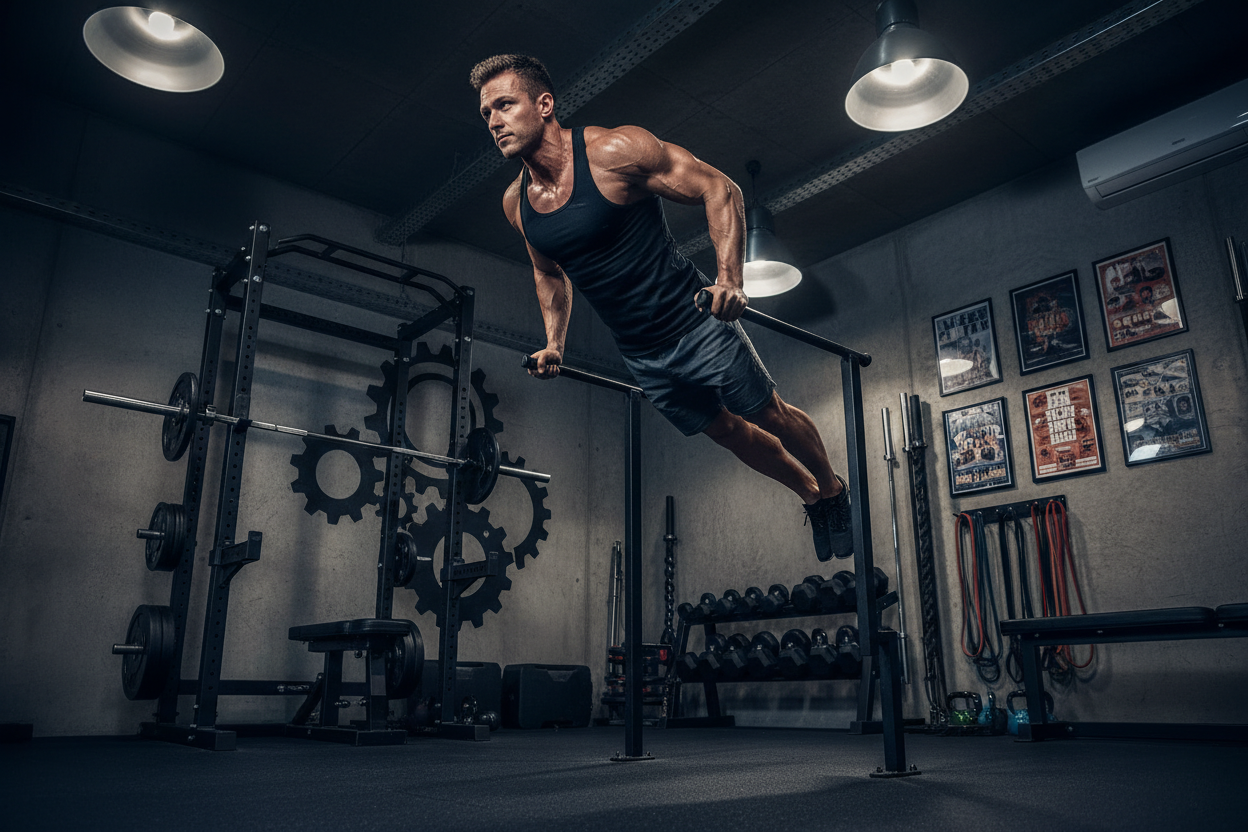
If you're outfitting a garage or basement, focus on the Big Three investments: a sturdy power rack, a high-quality barbell with bumper plates, and a heavy-duty adjustable bench. This combination allows you to safely perform heavy squats, bench presses, and overhead presses without a spotter.
Maximizing Small Spaces
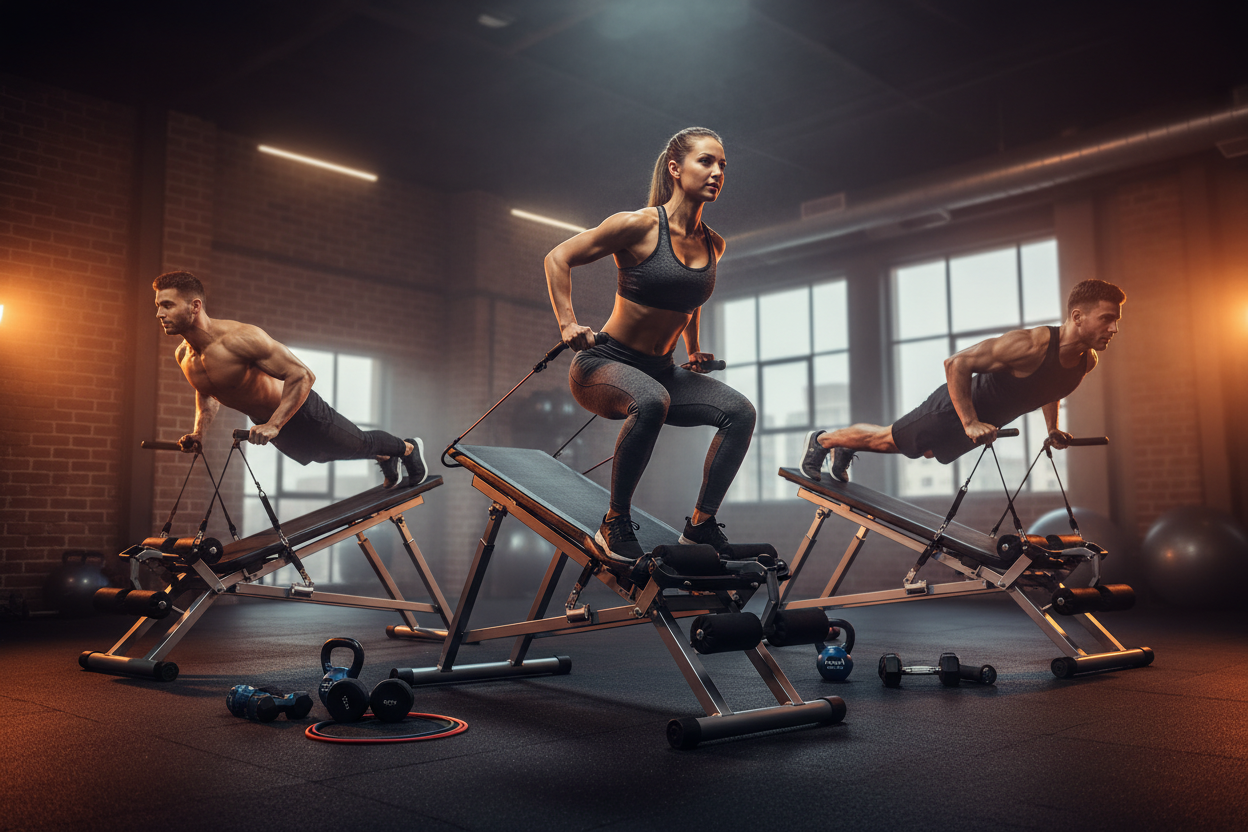
Living in an apartment or dealing with a tight spare room? You can still execute a highly effective routine using adjustable dumbbells and resistance bands. A set of adjustable dumbbells ranging from 5 to 80 pounds replaces an entire rack of weights and takes up less than two square feet of floor space.
Structuring Your Routine
The biggest mistake home gym owners make is trying to replicate a 6-day body part split. When you are the coach, simplicity equals consistency.
The Core Movement Patterns
Every session should include a squat variation, a hip hinge (like a deadlift or kettlebell swing), a horizontal push (bench press), a vertical push (overhead press), and a pull (rows or pull-ups). Hitting these five patterns guarantees you are stimulating the entire body.
Progression and Overload
To see continuous results from your training, you must apply progressive overload. Keep a logbook on your bench. Aim to add 2.5 to 5 pounds to the bar, or squeeze out one extra rep, each week. If you rely entirely on bodyweight or light bands, focus on slowing down the eccentric (lowering) phase of the lift to increase time under tension.
From Our Gym: Honest Take
When I first built my garage gym, I fell into the trap of buying highly specialized, single-use equipment. I had a leg extension machine that took up half my floor space and gathered dust. It wasn't until I stripped my setup down to a heavy-duty half rack and a barbell that my training actually improved.
Executing a self full-body workout in my own space taught me a hard lesson: aggressive knurling on a quality barbell and a rock-solid bench matter infinitely more than fancy accessories. One caveat: doing heavy squats and deadlifts in the same session is brutal. I learned to alternate my heavy days—squat heavy on Monday, deadlift heavy on Friday—to keep my lower back from completely burning out. If you're programming for yourself, listen to your central nervous system.
Frequently Asked Questions
How often should I do a self full-body workout?
For most home gym athletes, three days a week on non-consecutive days (e.g., Monday, Wednesday, Friday) is the sweet spot. This provides adequate stimulus for muscle growth while allowing 48 hours of recovery between sessions.
What equipment is absolutely necessary?
At minimum, a set of heavy adjustable dumbbells and a flat bench can get the job done. However, for maximum long-term progression, a power rack, barbell, and weight plates are the gold standard for home gym setups.
Can I build muscle without a body part split?
Absolutely. In fact, full-body training is often superior for natural lifters because it elevates muscle protein synthesis more frequently throughout the week compared to hitting a muscle group only once every seven days.