Full Body Workout Every Other Day: Transform Your Home Routine
If you're balancing a demanding job, family life, and trying to get a decent sweat in your garage gym, traditional five-day workout splits can feel impossible to maintain. You end up missing a day, throwing off your entire week, and losing motivation. That is exactly why shifting to a full body workout every other day has become the go-to strategy for busy lifters.
By hitting your entire body in a single session and taking a full 48 hours to recover, you maximize muscle protein synthesis without living in your home gym. In this guide, we will break down exactly how to structure this routine, what equipment you actually need, and whether this high-frequency approach is right for your goals.
Key Takeaways
- Optimal Recovery: Training every 48 hours provides the perfect sweet spot for muscle repair and central nervous system recovery.
- Time Efficiency: An every other day workout routine means you only train 3 to 4 days a week, freeing up your schedule.
- Gear Friendly: You don't need a commercial gym; a simple power rack, bench, and barbell setup is plenty.
- High Frequency: Hitting each muscle group more often leads to better strength adaptations compared to once-a-week body part splits.
The Science Behind High-Frequency Training
When lifters ask, "can you do full body workouts every other day?", the answer isn't just yes—it's highly recommended for most natural athletes. Instead of destroying your chest on Monday and waiting a full week to train it again, you stimulate the muscle, let it recover for 48 hours, and hit it again.
Maximizing Your Home Gym Setup
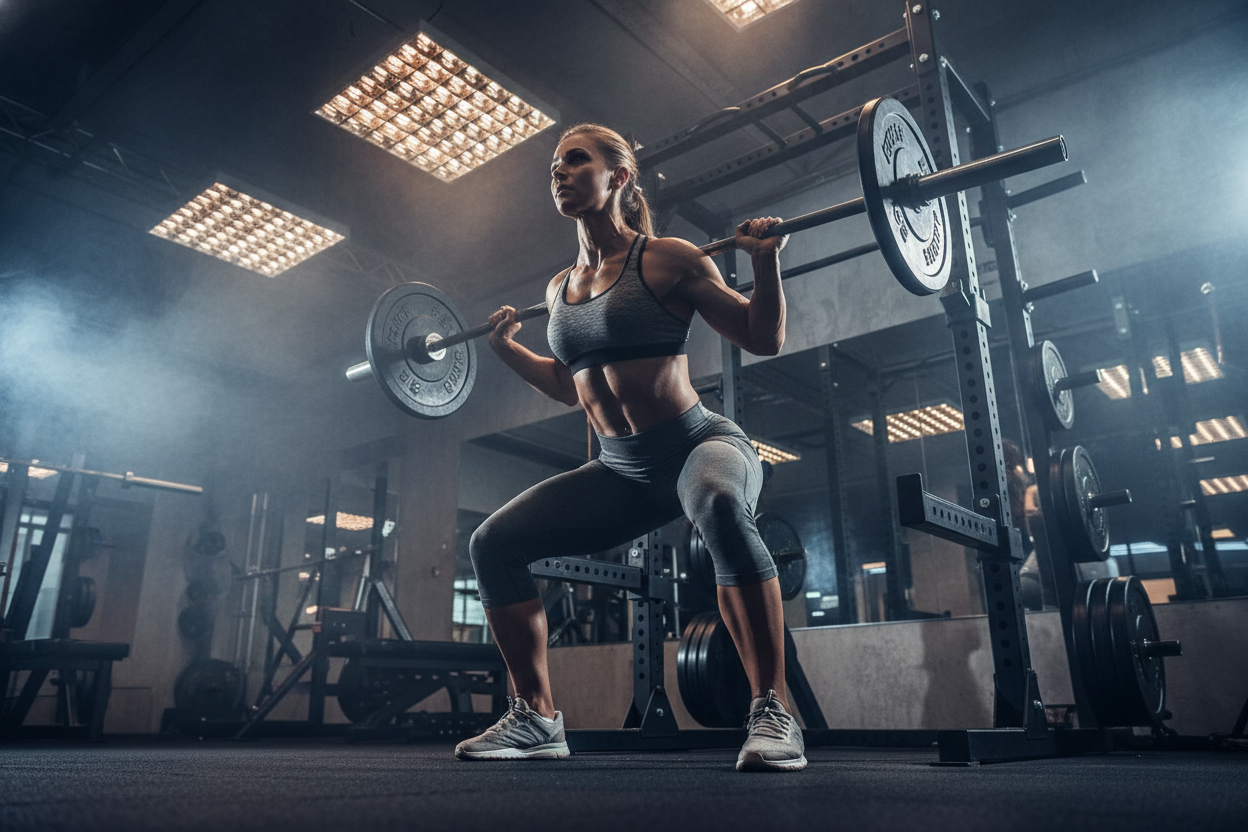
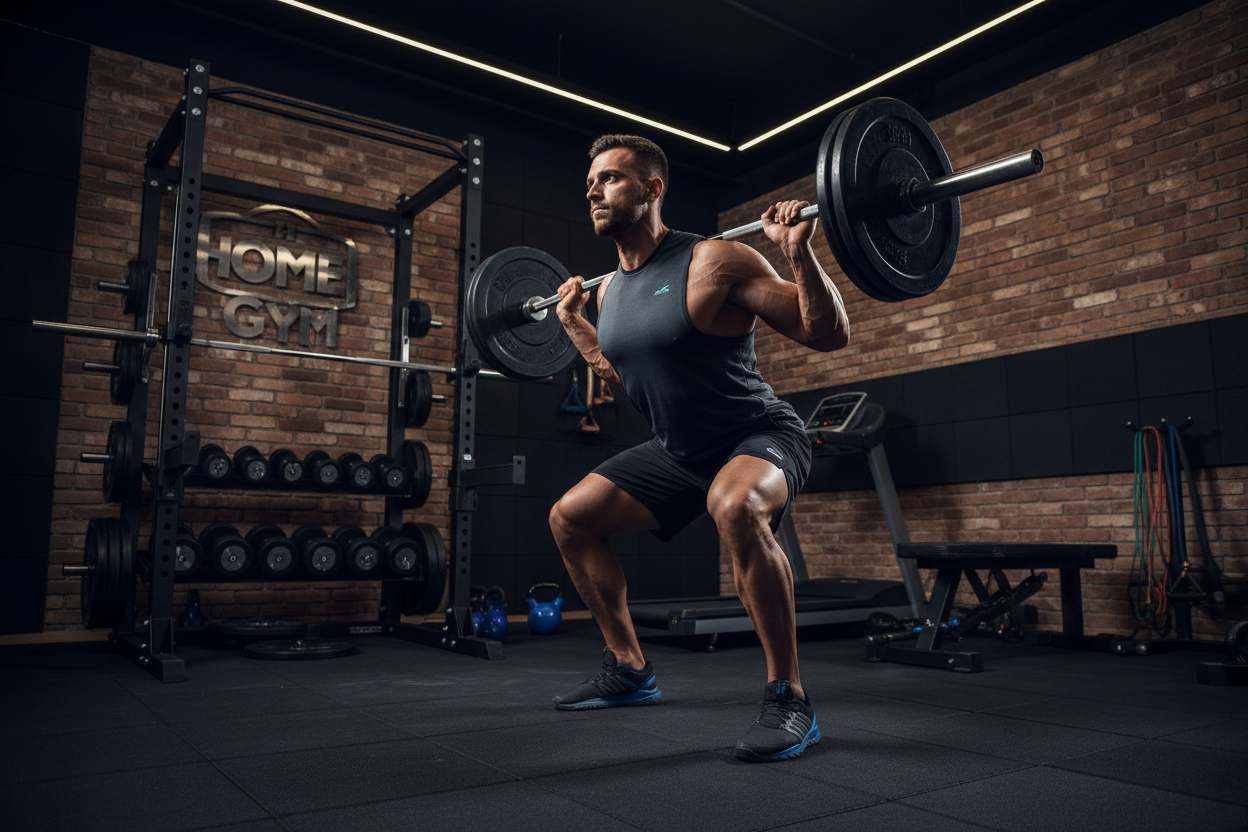
One of the biggest advantages of this training style is how well it pairs with standard home gym equipment. Because you are focusing heavily on compound movements—squats, deadlifts, presses, and rows—you don't need 15 different single-station machines. A quality power rack, a heavy-duty adjustable bench, and a reliable barbell weight set are all you need to execute a flawless routine.
Structuring Your Every Other Day Workout Routine
To avoid burnout, you shouldn't do the exact same exercises every single session. The secret to a sustainable full body every other day program is alternating between two different workouts—usually a "Workout A" and "Workout B" format.
The A/B Split Strategy
For example, Workout A might feature back squats, flat barbell bench presses, and barbell rows. Workout B would then shift the focus slightly to conventional deadlifts, overhead presses, and pull-ups. This ensures you are targeting the entire body while varying the specific joint angles and rep ranges, which keeps your joints healthy and prevents plateaus.
From Our Gym: Honest Take
I transitioned to a full-body routine about two years ago when my basement gym was just a half-rack and a set of 5-90 lb adjustable dumbbells. Honestly, the first two weeks were rough. I was constantly asking myself, can I do full body workout every other day without feeling completely trashed?
The turning point was learning to manage my volume. I stopped taking every single set to absolute failure. I also noticed that having a rack with easily adjustable J-cups and safety pins was a lifesaver, as I was transitioning from squats to bench press in the same session. The only downside? Warm-ups take a bit longer since you have to prep your entire body, not just your upper or lower half. But overall, my strength numbers skyrocketed, and I haven't looked back.
Frequently Asked Questions
Can I do full-body workout every other day as a beginner?
Absolutely. In fact, it is the most recommended split for beginners. It allows you to practice the form on major compound lifts more frequently, which builds the neurological pathways needed for rapid strength gains.
Will I overtrain by doing full body every other day?
Not if you manage your volume and intensity. The 48-hour rest period is generally sufficient for recovery. If you feel overly fatigued, try reducing the number of sets per exercise or leaving 1-2 reps in the tank on your heavy lifts.
What is the minimum equipment required?
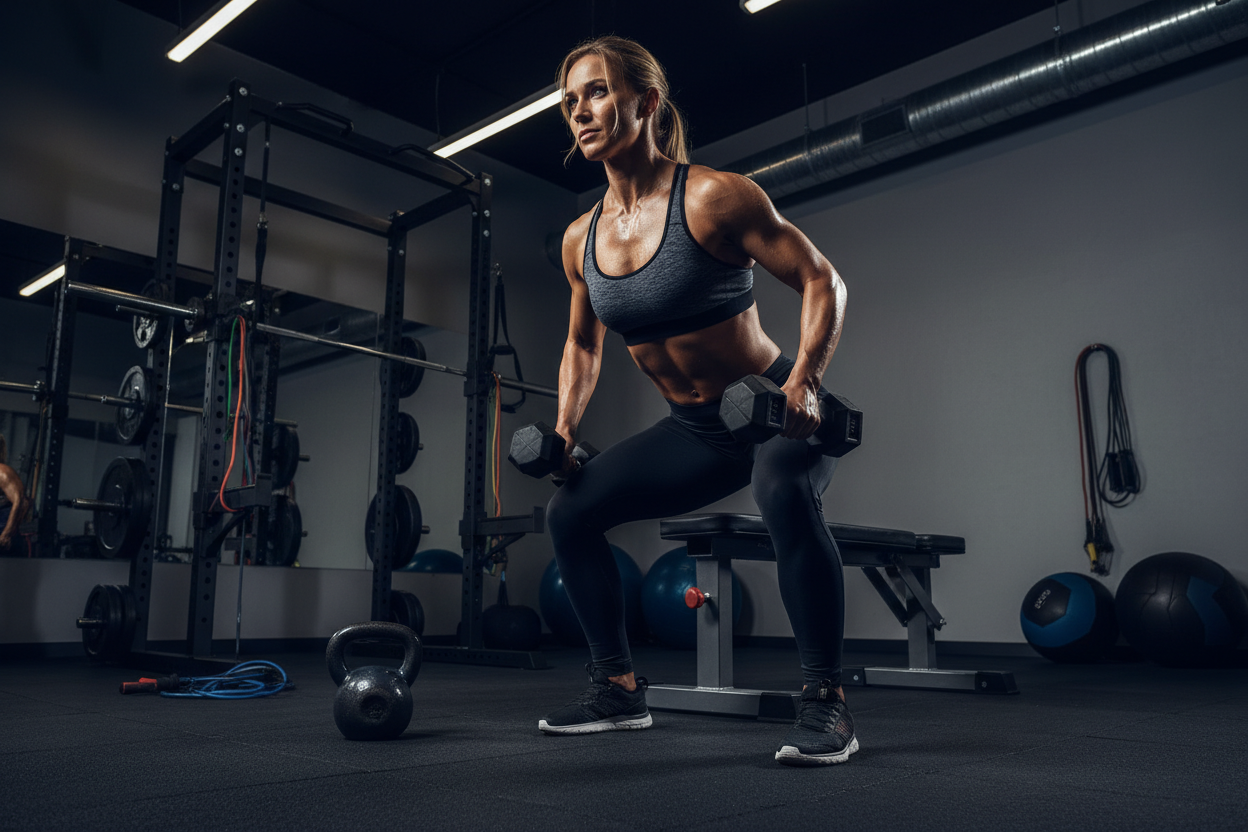
You can start with just a pair of adjustable dumbbells and an incline bench. However, to truly maximize this program long-term, investing in a squat stand or power rack with a barbell and bumper plates will give you the heavy resistance needed for progressive overload.