Exercise & Fitness: The Complete Home Setup Guide
Building a home gym can feel overwhelming. Between navigating limited square footage, budgeting for quality gear, and filtering through endless marketing hype, it is easy to hit a wall before you even break a sweat. If you want to optimize your exercise & fitness journey without cluttering your house with unused equipment, you need a strategic approach.
This guide will help you cut through the noise. We will break down exactly how to assess your space, choose versatile equipment, and build a setup that evolves with your training goals.
Key Takeaways
- Prioritize versatile equipment like adjustable dumbbells and a sturdy power rack to maximize limited space.
- Match your gear to your specific exercise and fitness goals rather than buying trendy, single-use machines.
- Invest heavily in foundational items (barbells, racks) and save on accessories (bands, light kettlebells).
- Ensure proper flooring—3/4-inch rubber stall mats are the gold standard for protecting your home's foundation.
Planning Your Space for Maximum Efficiency
Before buying a single weight plate, you must evaluate your available footprint. The biggest mistake new home gym owners make is underestimating the working clearance needed for dynamic movements.
Garage Gyms vs. Spare Rooms
If you are setting up in a two-car garage, you have the luxury of height. A standard 84-inch power rack fits comfortably, leaving room for overhead presses. However, if you are converting a spare bedroom or basement, ceiling height becomes the ultimate bottleneck. Look for short racks (typically around 72 inches) and prioritize floor-friendly cardio options like a compact rowing machine over a towering elliptical.
Investing in the Right Gear
When it comes to the true exercise of fitness, versatility is your best friend. A well-rounded home gym does not need to replicate a commercial facility machine-for-machine.
Cardio vs. Strength Balance
Your budget should reflect your primary goals. If you are focused on strength, allocate 70% of your budget to a high-quality barbell, a flat utility bench, and a rack with a solid weight capacity (aim for at least 700 lbs). If cardiovascular endurance is your priority, invest in one premium piece of cardio equipment and supplement with kettlebells and resistance bands for strength work.
From Our Gym: Honest Take
Over the last decade of testing home gym setups, I have learned that flooring is the most underrated piece of equipment. When I first set up my garage gym, I used cheap, interlocking foam tiles. Big mistake. During a heavy deadlift session, the foam compressed unevenly, throwing off my stance and nearly causing an injury.
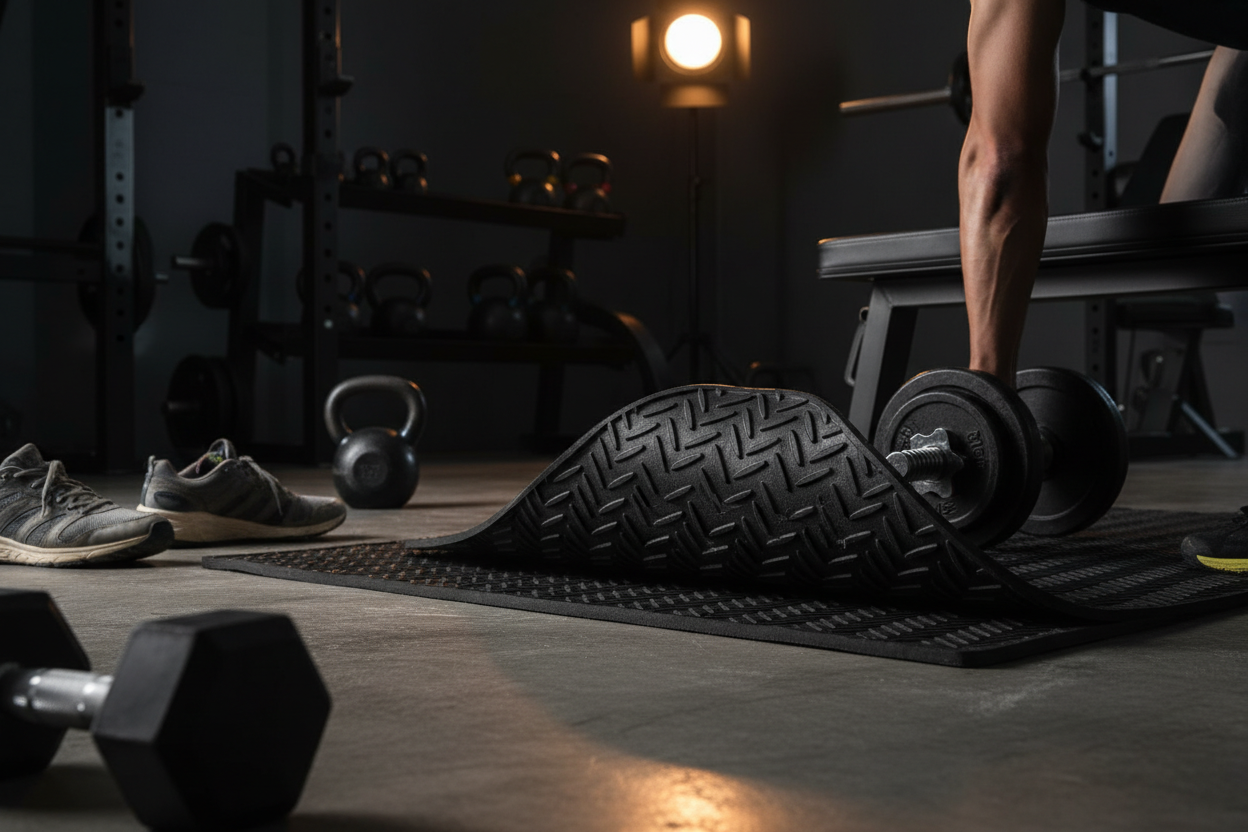
I quickly upgraded to 3/4-inch vulcanized rubber stall mats. Not only do they protect the concrete foundation from dropped weights, but they also provide the dense, stable grip necessary for heavy squats. Yes, they smell like a tire shop for the first two weeks, but it is a necessary trade-off for commercial-grade safety.
Frequently Asked Questions
Is a dedicated exercise & fitness space worth the investment?
Absolutely. While the upfront cost can range from $1,000 to $3,000 for a solid foundational setup, the long-term savings on commercial gym memberships and commuting time usually pay for the equipment within two years.
How much space do I actually need for a home gym?
A functional strength training space requires a minimum of 8x10 feet. This allows enough room for a standard 7-foot Olympic barbell, a rack, and adequate clearance to load plates on either side.
What should be my first equipment purchase?
Start with adjustable dumbbells and an adjustable bench. They require minimal space, allow you to target every major muscle group, and provide a clear pathway to scale your workouts before committing to a full rack system.