Full Body Workout Day: How to Maximize Home Gym Gains
Finding time to train five days a week is a luxury most of us simply do not have. If you are juggling a demanding job, family commitments, or trying to overcome a stubborn strength plateau, dedicating your schedule to a well-planned full body workout day might be the ultimate solution.
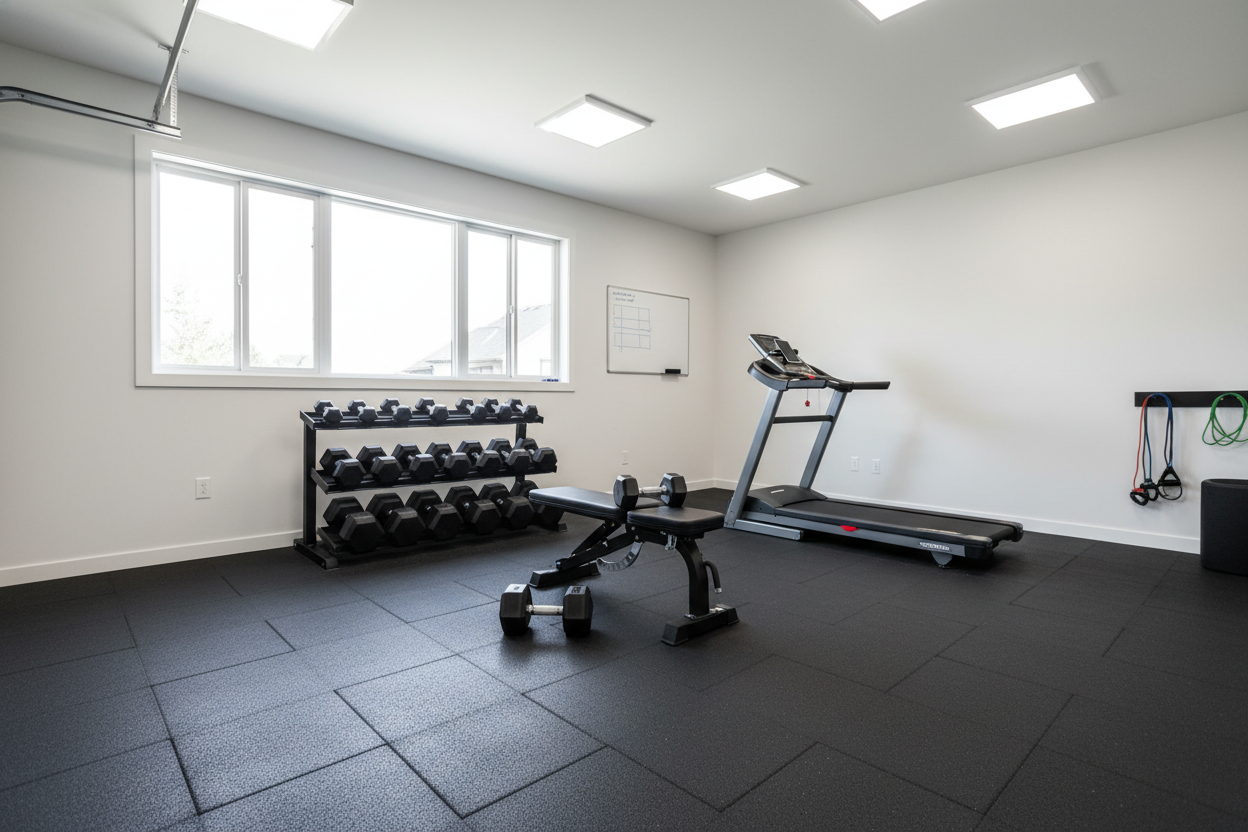
Whether you are training in a fully decked-out garage gym or trying to piece together a routine with a few kettlebells in a basement corner, total body training maximizes your time under tension and metabolic conditioning. In this guide, we will break down exactly how to structure these sessions, the equipment you need, and how to execute them for maximum strength and hypertrophy.
Key Takeaways
- Focus on heavy compound movements (squats, deadlifts, presses) to hit multiple muscle groups efficiently.
- Keep total daily volume manageable; aim for 1 to 2 exercises per major movement pattern.
- Ensure you have at least 48 hours of recovery between sessions to prevent central nervous system fatigue.
- Equipment selection matters: adjustable dumbbells, a flat bench, and a solid power rack are your best investments for total body routines.
What Does a Full Body Workout Consist Of?
A common mistake home gym owners make is trying to cram a traditional body-part split (like chest, back, and arms) into a single session. So, exactly what does a full body workout consist of? Instead of isolating specific muscles, you should program your routine around core movement patterns.
The Big Five Movement Patterns
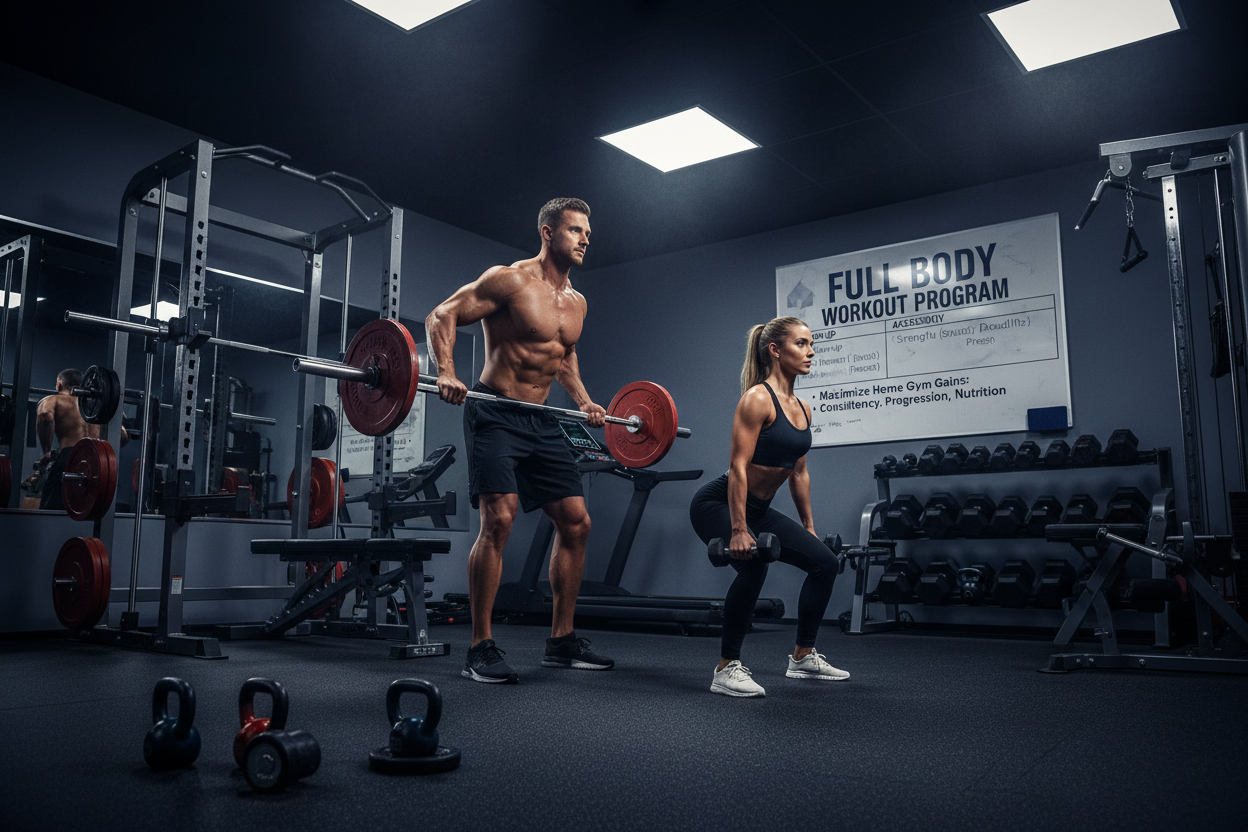
To build a balanced and effective routine, your workout should include a squat (knee dominant), a hinge (hip dominant), a horizontal press, a vertical pull, and a core stabilization movement. By checking off these five boxes, you guarantee a full body stimulus without spending three exhausting hours in the rack.
How to Do Full Body Workouts Effectively
Learning how to do full body workouts effectively comes down to exercise sequencing and smart equipment management. You always want to start with your heaviest, most neurologically demanding lifts first—usually your barbell squats or deadlifts—and finish with lighter isolation or core work.
Home Gym vs. Commercial Gym Execution
If you are looking for a good full body workout at gym facilities, you will have access to machines that can save your lower back from fatigue (like leg presses, chest-supported rows, or cable machines). However, in a home gym setting, you will rely heavily on free weights. To save time and maximize your equipment at home, utilize antagonist supersets—pairing an upper body push (like an overhead press) with a lower body pull (like a Romanian deadlift)—to keep your heart rate elevated and reduce idle rest times.
From Our Gym: Honest Take
I switched to a three-day total body split last winter when my garage gym dropped to freezing temperatures and I wanted to get my lifts done in under 45 minutes. The biggest game-changer for my full body workout day was investing in a heavy-duty half-rack with easily adjustable J-hooks and a multi-grip pull-up bar.
Being able to strip the barbell from heavy back squats and immediately jump up for neutral-grip pull-ups saved me at least 15 minutes a session. One caveat I learned the hard way: doing heavy barbell deadlifts and standing overhead presses in the exact same workout is brutal on the core. I had to drop my working weight by about 10% on the secondary lift to maintain safe form. Listen to your body, manage your fatigue, and do not let ego dictate the load on the bar.
Frequently Asked Questions
Is a full body workout day enough to build muscle?
Absolutely. Muscle protein synthesis remains elevated for about 24 to 48 hours after heavy training. By hitting your whole body two to three times a week, you are actually stimulating muscle growth more frequently than a traditional once-a-week body part split.
How long should a total body session last?
If programmed correctly, you can complete a highly effective session in 45 to 60 minutes. Keep your rest periods strict (90 to 120 seconds for heavy compounds) and focus on multi-joint lifts rather than endless single-joint isolation exercises.
What equipment is best for a home-based full body routine?
A power rack, a high-quality 20kg barbell, bumper or iron plates, and an adjustable bench are the gold standard for home gyms. If floor space is tight, a set of heavy adjustable dumbbells and a sturdy doorway pull-up bar can also get the job done effectively.