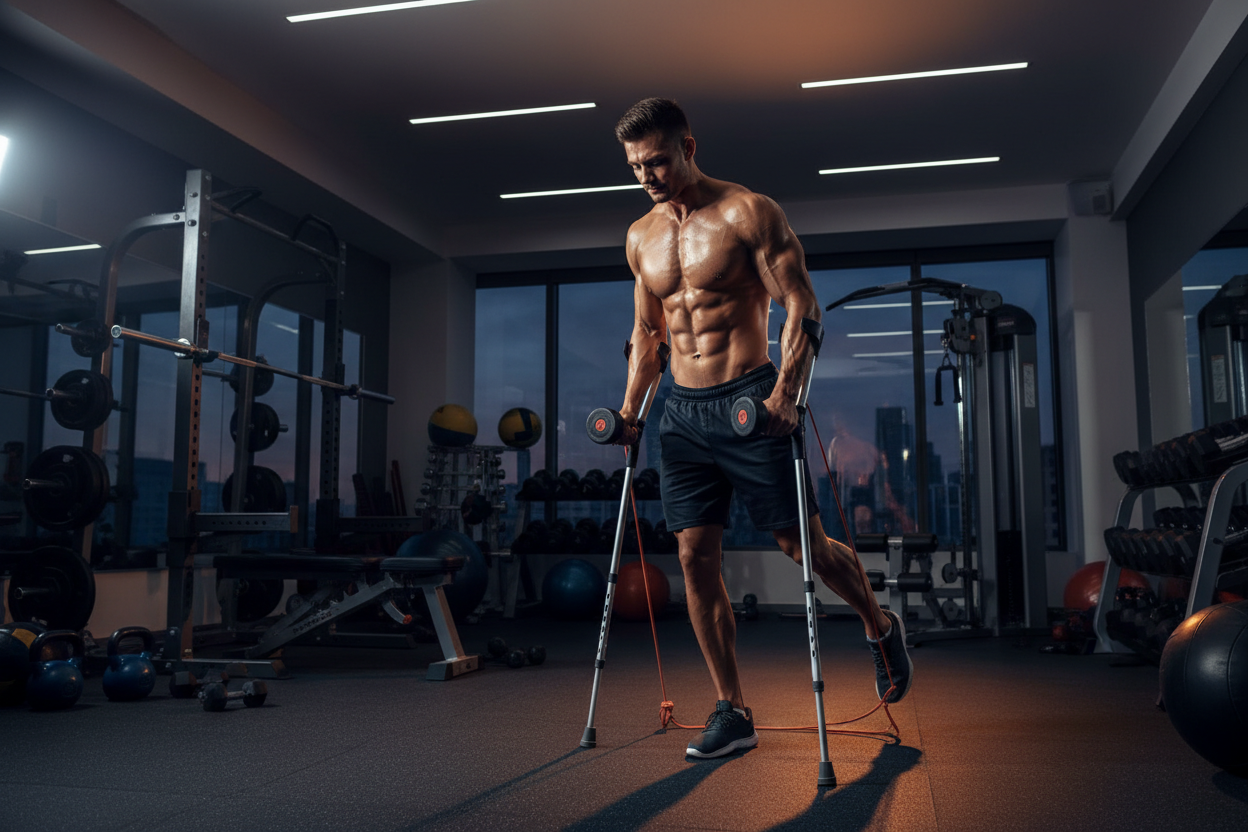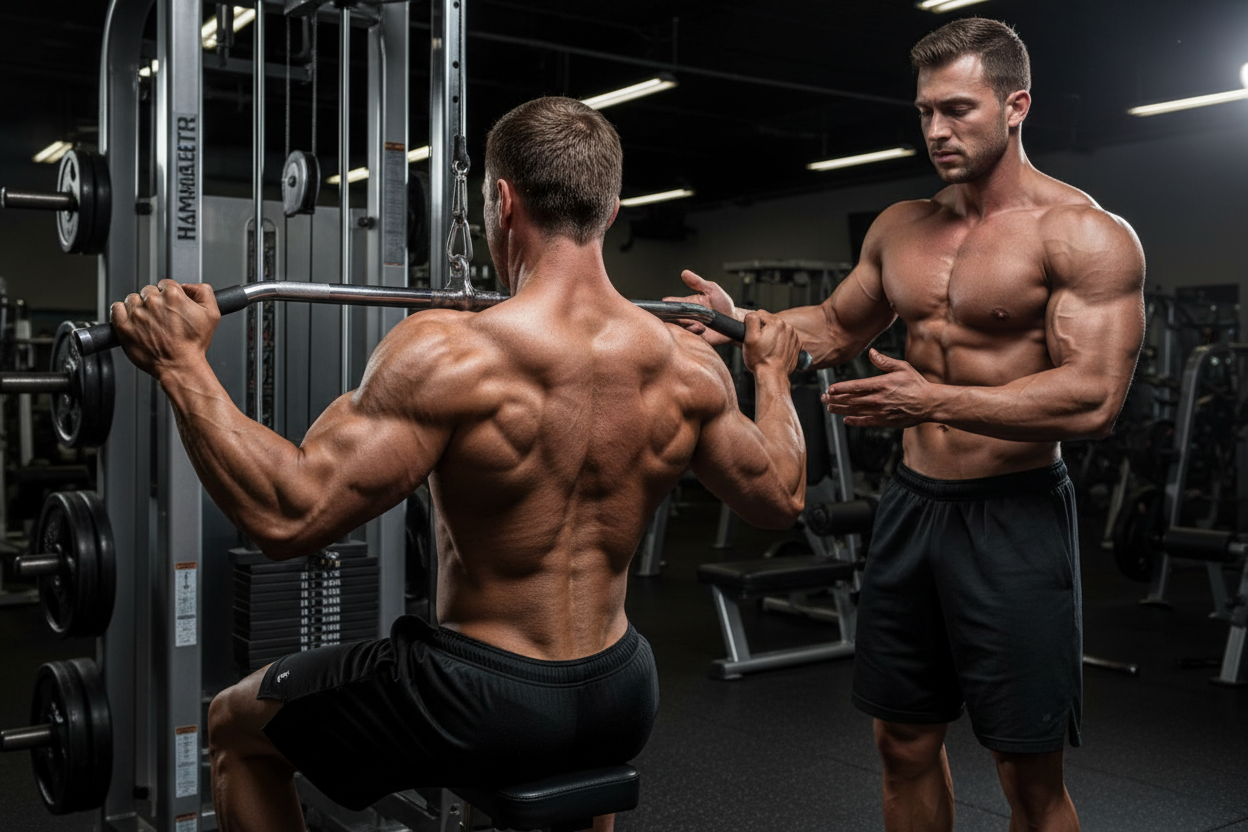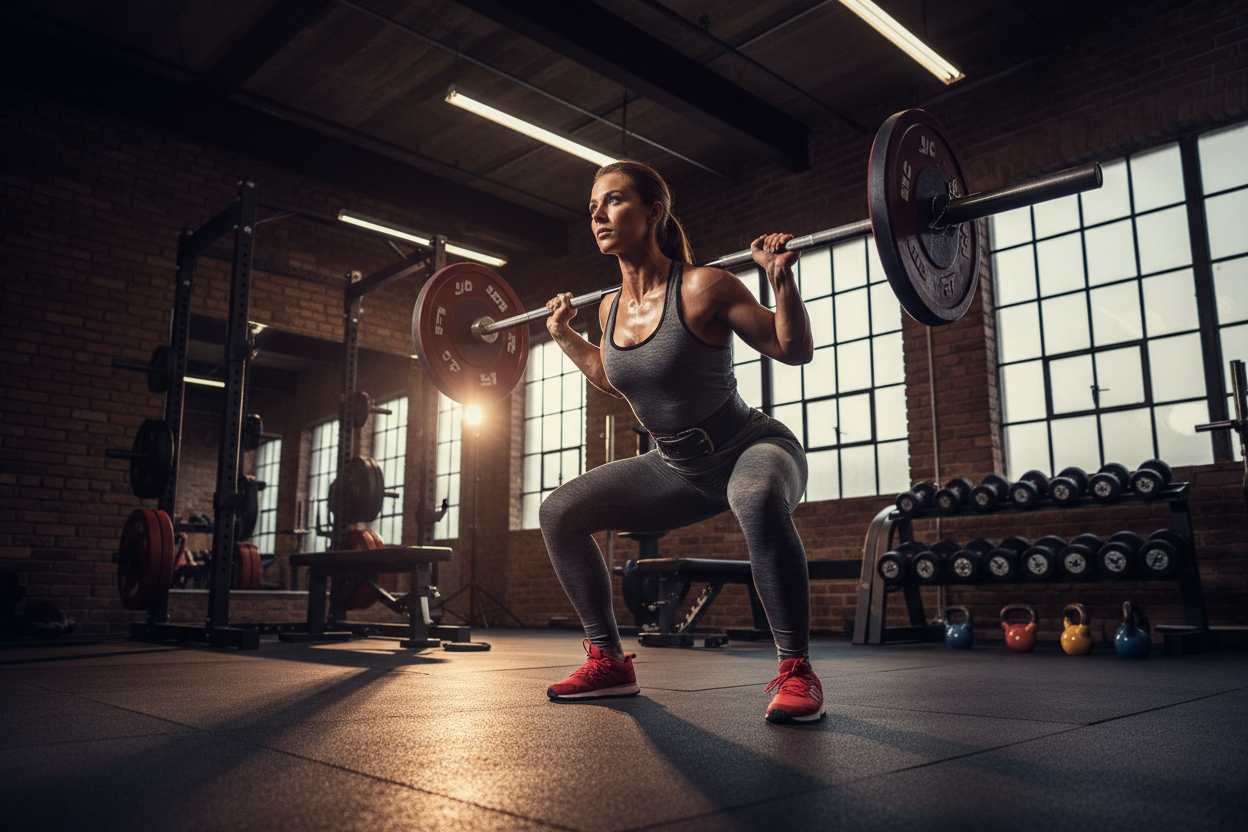
If you have ever stared at a massive, expensive multi-station cable machine and wondered how you will ever fit it into your garage, you are not alone. Space, budget, and versatility are the biggest hurdles for North American home gym owners. But here is the good news: you do not need bulky, single-use machines to build serious muscle. Free weight resistance training remains the absolute gold standard for developing strength, power, and functional fitness right at home.
Whether you are outfitting a two-car garage or carving out a small 10x10 corner in your basement, shifting your focus to barbells, dumbbells, and kettlebells can instantly transform your workouts, challenge your central nervous system, and save you thousands of dollars.
Key Takeaways
- Space Efficiency: Free weights require significantly less square footage than multi-station machines, keeping your garage functional.
- Functional Strength: Lifting without fixed, machine-guided paths forces your core and stabilizer muscles to work overtime.
- Cost-Effective: A quality barbell, weight plates, and a squat rack offer infinite exercise variations for a fraction of the cost of commercial machines.
- Infinite Scalability: You can micro-load your lifts and progress at your own pace without ever maxing out a weight stack.
Why Barbells and Dumbbells Beat Fixed Machines
Engaging Stabilizer Muscles
When you perform resistance training with free weights, you are not just pushing a load from point A to point B. You are actively balancing and controlling the weight through space. A machine chest press isolates the pecs, but a flat barbell bench press recruits your lats, shoulders, and core to keep the bar stable. This translates to real-world, functional strength that benefits everyday movements and athletic performance.
Versatility for Any Setup
A half-rack, a barbell, and adjustable dumbbells can easily fit into a compact footprint. This minimal space requirement allows home gym owners to park their cars inside during the winter while still having a fully functional, heavy-duty training zone.
Structuring Your Home Workouts
Compound Movements First
If you are wondering which activity is recommended when working with free weights, the answer always starts with heavy compound lifts. Squats, deadlifts, overhead presses, and bent-over rows should form the foundational pillars of your programming. These multi-joint movements yield the highest return on investment for both muscle hypertrophy and fat loss because they recruit maximum muscle fiber.
From Our Gym: Honest Take
When I first built my basement gym, I made the classic rookie mistake of buying a massive all-in-one Smith machine hybrid. It took up half the room, the pulleys felt sticky, and I quickly outgrew the 150-pound weight stack. After selling it at a loss and switching to a dedicated power rack and an Olympic barbell, my training completely changed.
The aggressive knurling on a bare steel barbell gave me a chalk-locked grip for heavy deadlift sets that no padded machine handle could ever replicate. However, there is one caveat: dropping heavy iron plates on a concrete floor is deafening and damaging. If you are going the free weight route, investing in 3/4-inch vulcanized rubber stall mats is an absolute necessity, not a luxury.
Frequently Asked Questions
Is free weight resistance training safe for beginners?
Yes, provided you start with light weights (or just the barbell) to master the foundational movement patterns. Unlike machines that lock you into a fixed trajectory, free weights allow your body to move through its natural biomechanical range of motion, which can actually prevent repetitive stress injuries over time.
How much space do I need for a basic free weight setup?
A standard 7-foot Olympic barbell requires an absolute minimum of 10 feet of room width to comfortably load and unload plates without hitting drywall. For depth, an 8x8 foot lifting platform is the sweet spot for housing a rack, an adjustable bench, and a dedicated lifting area.
What is the best free weight equipment to buy first?
Start with a high-quality pair of heavy adjustable dumbbells and a sturdy adjustable bench. As your strength increases and you outgrow those, upgrade to a squat rack, an Olympic barbell, and a set of bumper plates to unlock heavy compound lifting.