Foods for Muscle Health: Nutrition Frameworks and Home Training Synergy
Building physical strength and preserving muscle function requires more than consistent resistance sessions; it demands balanced daily nourishment. The quality of whole foods introduced to your routine directly supports muscular recovery, tissue repair, and the stamina needed to execute challenging lifting regimens. Exploring deliberate combinations of foods for muscle provides the physical foundation necessary to make the most of every home workout session.
The Foundations of Foods for Muscle Growth and Recovery
Muscular tissue undergoes mechanical tension and minor breakdown during exercise, creating a signal for the body to adapt and rebuild. Supplying an array of foods for muscle health ensures the body has access to the building blocks required for natural repair processes. Rather than searching for isolated shortcuts, prioritizing comprehensive, whole-food options offers steady energy release and sustained wellness throughout demanding training cycles.
A well-rounded approach to muscle health food focuses on diverse nutrient profiles. Whole proteins, unprocessed complex carbohydrates, and nutritious fats work in harmony to maintain balanced energy levels. Combining these nutritional pillars with consistent sleep and progressive overload creates an optimal environment for physical development.
Core Food Categories in a Muscle Strengthening Diet
Establishing a reliable muscle strengthening diet involves incorporating versatile food groups that fulfill distinct physiological roles:
- Complete and Complementary Proteins: Lean poultry, eggs, fish, tofu, tempeh, legumes, and dairy provide amino acids that assist in rebuilding muscular fibers following resistance work.
- Complex Carbohydrates: Oats, sweet potatoes, brown rice, and whole-grain breads replenish glycogen stores depleted during intense lifting blocks.
- Beneficial Dietary Fats: Avocados, nuts, seeds, and olive oil provide essential fatty acids that support cellular integrity and overall vitality.
- Micronutrient-Dense Produce: Leafy greens, berries, and cruciferous vegetables provide essential vitamins and minerals that promote general metabolic function.
Integrating these muscle strengthening foods into daily meal planning supports physical output when using dedicated strength equipment in your home gym setup. Selecting quality, healthy food for muscle development ensures that your resistance work translates into sustainable physical adaptations.
Structuring Daily Meals to Complement Resistance Training
Timing and consistency are practical elements of an effective nutritional framework. Distributing nutrient intake across balanced meals helps maintain stable physical readiness throughout the day, avoiding large fluctuations in energy.
Prior to training, consuming easily digestible carbohydrates alongside a moderate protein portion supplies usable fuel for demanding compound movements. Following a session, prioritizing lean protein paired with complex carbohydrates assists in kicking off restorative processes. Coordinating this nutrition strategy with a structured split, such as pairing primary lifts using a muscle strength guide, ensures that each muscle group receives balanced mechanical stimulation and dietary recovery.
Lower-Body Training Demands and Nutritional Support
Compound lower-body exercises place significant energetic demands on the central nervous system and large muscle groups like the quadriceps, hamstrings, and glutes. Adequately fueling these sessions requires a dedicated emphasis on foods for muscle strength to prevent premature fatigue during multi-joint lifts.
When performing heavy squats, lunges, or leg presses on a strength collection apparatus, systemic exertion is especially high. Providing your body with sustained carbohydrate availability and sufficient protein helps sustain force production across repeated working sets. Furthermore, supporting focused stabilization work outlined in a muscle strengthening guide relies on broad-spectrum foods for muscle health to support long-term joint comfort and connective tissue resilience.
Creating a Complete Recovery Environment: Flooring and Equipment Placement
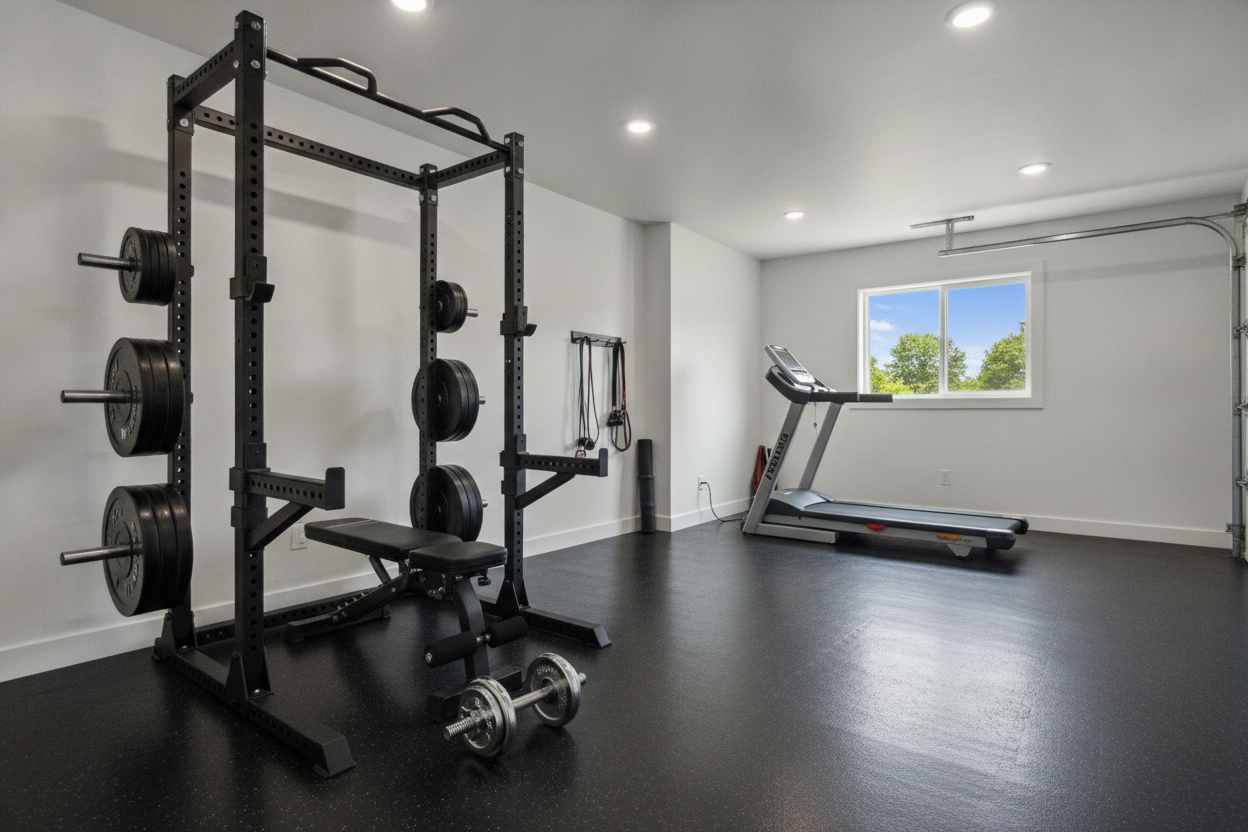
While consuming muscle health food supplies the internal components for recovery, your physical training environment dictates the quality of movement and post-session restorative work. High-density rubber gym flooring and supportive exercise mats create a stable, shock-absorbing base that reduces excessive joint stress during repetitive impacts or heavy ground-based lifts.
A dedicated mat space also provides a clean, comfortable area for mobility routines and floor-based strengthening, such as performing adductor muscle exercises the missing link to total leg strength. Pairing an organized, protective workout floor with the right foods for muscle creates a comprehensive ecosystem where both training output and bodily recovery are fully supported.
Sustainable Nutrition and Training Integration
Long-term physical progress relies on consistency rather than extreme, short-term dietary measures. Building a sustainable lifestyle involves selecting wholesome, enjoyable meals that align with personal preferences while meeting daily energy requirements.
By intentionally combining a structured muscle strengthening diet, purposeful exercise programming, and a well-equipped home gym space, you cultivate a reliable framework for lifelong strength and mobility. Prioritize whole-food nutrition, respect your recovery needs, and maintain a supportive training layout to achieve balanced, lasting physical well-being.