Best Muscle Groups to Pair with Chest Day for Balanced Strength
When planning an effective strength-training routine, pairing your chest workouts with the right muscle groups can make a big difference in your overall progress. This approach helps balance your training load, improve recovery times, and boost performance, especially if you’re aiming for both strength and aesthetics.
Why Pair Chest Workouts with Other Muscles?
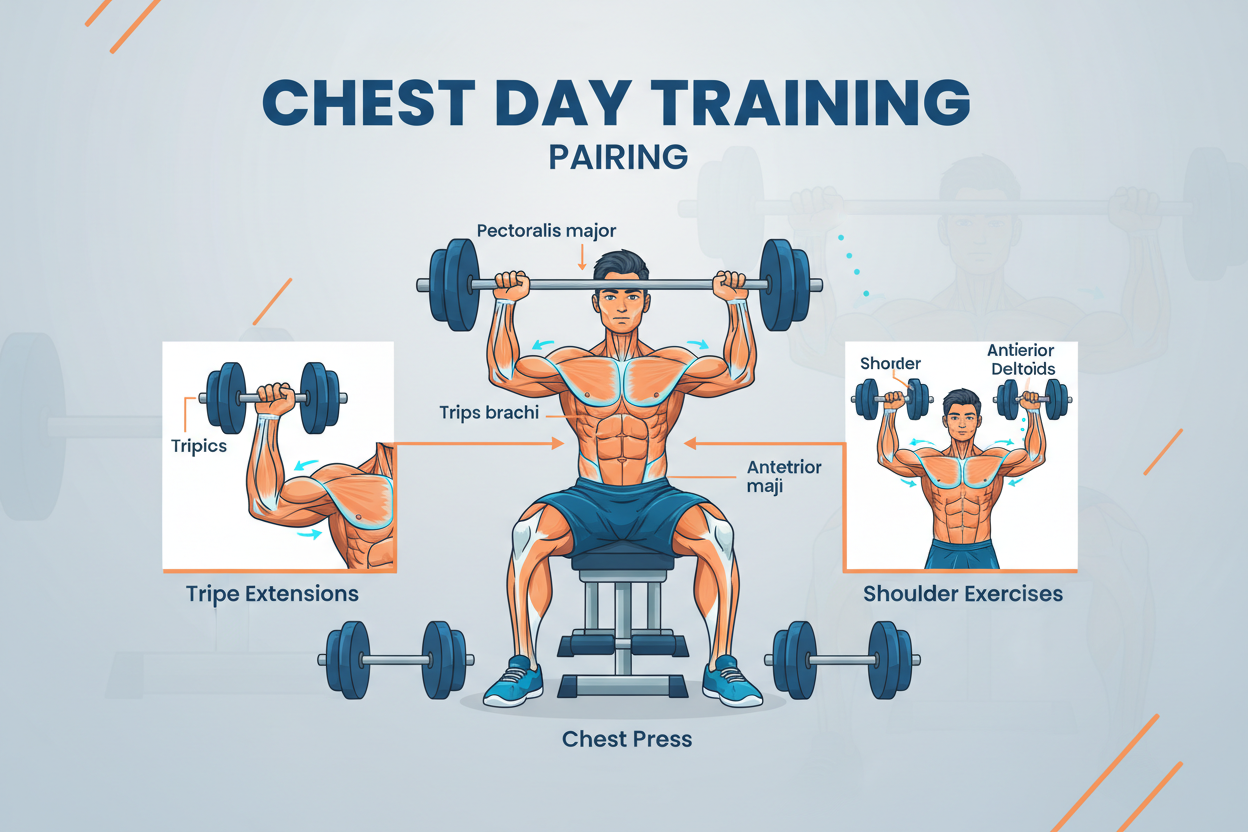
Your chest muscles, primarily the pectoralis major and minor, are involved in pushing movements. Training complementary muscle groups on the same day can enhance efficiency and reduce the need for lengthy gym sessions. It also allows you to target related muscle areas that work synergistically with the chest during many exercises.
Common Muscle Groups to Train with Chest
Chest and Triceps
The triceps are heavily involved in pressing movements like bench presses and push-ups. Pairing them with chest exercises makes sense since they are already warmed up from your chest lifts. For example, after a bench press session, adding tricep dips or close-grip bench presses can give the muscles additional focused work while still being part of the pushing family.
Chest and Shoulders
The anterior deltoids (front shoulder muscles) assist during many chest exercises. Combining chest and shoulder workouts can build upper body strength and symmetry. A sample routine might include incline bench presses followed by overhead presses and lateral raises.
Chest and Biceps
Though not a traditional pairing, some lifters prefer adding biceps to chest day when following a split routine that keeps pulling and pushing muscles separate. In this case, keep bicep work short to avoid overtraining and maintain intensity for chest exercises.
Chest and Back
Training chest and back together can create a push-pull workout, leading to balanced upper body development. For instance, you could alternate between bench presses and barbell rows, ensuring your chest and back get equal attention in the session.
Factors to Consider When Choosing Muscle Pairings
Your overall training goal should guide which muscles you pair with the chest. If muscle growth is the priority, working muscles that are already engaged during chest exercises can help maximize hypertrophy. If strength is the main objective, focusing on complementary movement patterns may be more effective.
Training Frequency
If you train multiple times a week, consider how often you hit each muscle group. Pairing chest with triceps or shoulders can be beneficial, but avoid overlapping too many pushing muscles on consecutive days to prevent fatigue and injury.
Recovery Needs
The recovery period for chest and associated muscles can vary from 48 to 72 hours depending on workout intensity. Pairing muscles with similar recovery needs can help in maintaining a consistent routine without overtraining.
Sample Chest Day Combinations
- Chest + Triceps: Bench press, incline dumbbell press, tricep dips, cable pushdowns
- Chest + Shoulders: Incline bench press, overhead press, lateral raises, front raises
- Chest + Back: Bench press, pull-ups, bent-over rows, dumbbell flyes
Personal Experience with Chest Pairings
When I first started lifting, I used to have a dedicated chest day by itself, but I found my overall progress stalled. Once I began pairing chest with triceps, my pressing strength improved and my arm size increased noticeably. On alternate weeks, I would try chest and back pairings to balance pushing and pulling strength. This variety kept my workouts interesting and gave my upper body a more complete look.
Tips for Effective Chest Pair Workouts
Keep compound lifts first in your routine when your energy levels are highest. Follow them with isolation exercises to target secondary muscles without compromising form. Warm up properly to engage the muscles and reduce joint stress, and always focus on correct technique rather than chasing heavy weights prematurely.
Mind-Muscle Connection
When pairing chest with other muscles, pay attention to how each lift feels. This can help you ensure that you’re targeting the intended area effectively. For example, during a bench press, actively think about squeezing your chest, and during shoulder presses, concentrate on the delts.
Conclusion
Pairing your chest workout with complementary muscles such as triceps, shoulders, biceps, or back can enhance upper body development, streamline your training, and prevent plateaus. The best combination depends on your fitness goals, recovery capacity, and overall program design. A well-thought-out pairing not only improves your strength but also keeps your routine engaging and sustainable long term.