Feel Like You Have No Muscle? Stop Blaming Genetics
I remember staring at my reflection after six weeks of lifting, convinced my scale was broken. I felt like I had no muscle, just a slightly more tired version of the same skinny frame I started with. It is a special kind of hell to put in the work and see zero return on your investment.
Most people in this spot start Googling 'hardgainer' protocols or looking for a magic supplement. They assume their DNA is a brick wall. Usually, they are just making the same three mistakes I made for the first two years of my training life.
Quick Takeaways
- You are likely underestimating your caloric needs by at least 500 calories a day.
- Mechanical tension is the driver of growth, not just 'getting a pump.'
- Medical issues are rare but worth checking if everything else is dialed in.
- Consistency is measured in months, not workouts.
The 'I Have No Muscles' Trap
It is frustrating to look in the mirror and think, 'i have no muscles.' I get it. You see guys on social media who look like they were carved from granite after three months, and you feel like you are biologically doomed. This is the 'hardgainer' trap. It is a mental safety net that lets you off the hook for not seeing results.
The truth is that hypertrophy—the actual growth of muscle tissue—is a slow, metabolically expensive process. Your body does not want to build muscle; it wants to survive. If you are not forcing it to change through overwhelming stimulus and massive amounts of fuel, it will stay exactly as it is. Stop diagnosing yourself as a genetic outlier before you have actually done the boring, heavy work required to prove it.
You Probably Are Not Eating Enough (No, Really)
The math of muscle is brutal. You cannot build a house without bricks, and you cannot build muscle without a caloric surplus. Most people who claim they cannot grow are 'undereating overachievers.' They eat one massive meal, feel stuffed, and assume they are in a surplus. But if you track your weekly average, you are likely hitting maintenance at best.
To stop feeling like you have no muscle, you need to aim for roughly 0.8 to 1 gram of protein per pound of body weight. Then, add 300-500 calories on top of what you need to maintain your weight. If the scale does not move over a two-week period, you are not in a surplus. It is thermodynamics, not a curse. I have seen guys swear they eat 'tons' only to realize they are barely hitting 2,000 calories. That is not enough to fuel a workout, let alone grow a chest.
Your Training Lacks Real Mechanical Tension
Doing three sets of ten with weights that feel 'comfortable' is a waste of your time. Muscle grows when it is subjected to mechanical tension—specifically, heavy loads that force the fibers to adapt. If you are just moving the weight from point A to point B without feeling the strain, you are just doing cardio with extra steps.
You need to focus on progressive overload. This means adding five pounds to the bar or doing one more rep than you did last week. If you are looking for a structured way to apply this, check out The Chest-and-Back Workout for Muscle Mass I Swear By. It focuses on big, compound movements that create the kind of systemic stress necessary to spark growth. Stop chasing the 'burn' and start chasing the weight.
Legit Medical Reasons for Not Gaining Muscle
While most people just need to eat a steak and lift heavier, there are medical reasons for not gaining muscle that can stall even the best program. If you have been in a documented caloric surplus and training with high intensity for six months with zero change, it is time to see a doctor.
Low testosterone is the most common culprit, but hyperthyroidism can also keep your metabolism running so hot that you burn through every calorie before it can be used for repair. Malabsorption issues, like Celiac disease, can also prevent your body from actually using the protein you eat. These are the exceptions, though. Don't use a potential medical issue as an excuse until you've actually tracked every gram of food for ninety days straight.
How to Start Growing When You Are Starting From Zero
If you are truly starting from scratch, keep it simple. A 3-day full-body split is the gold standard. Focus on the 'Big Five': Squats, Deadlifts, Bench Press, Overhead Press, and Rows. These movements recruit the most muscle fibers and trigger the biggest hormonal response.
For the lower body, you do not need a $3,000 leg press to see changes. You can learn No Gym Big Gains How To Build Serious Leg Muscle At Home by using high-volume lunges and Bulgarian split squats. The goal is to create enough stimulus that your body has no choice but to rebuild itself stronger. Three days a week, forty-five minutes a session. No fluff.
Setting Up a Frictionless Home Base
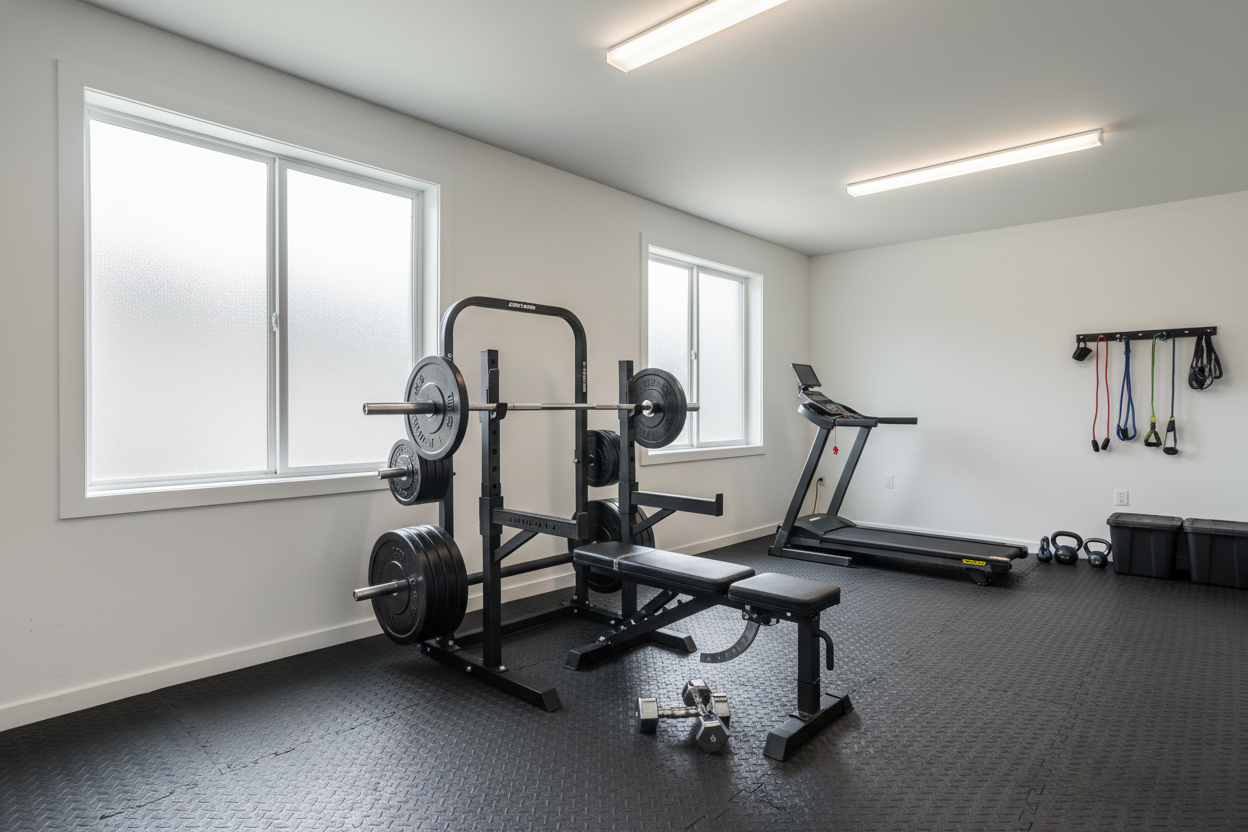
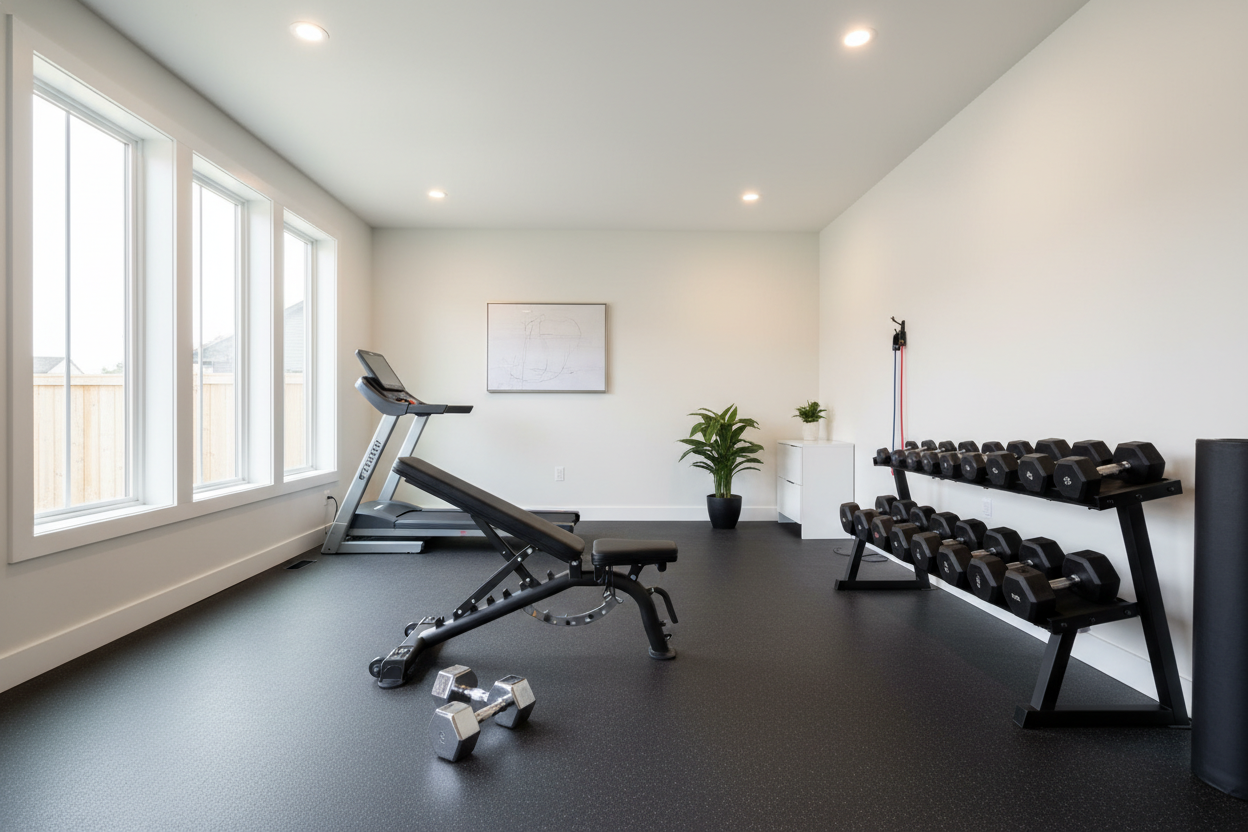
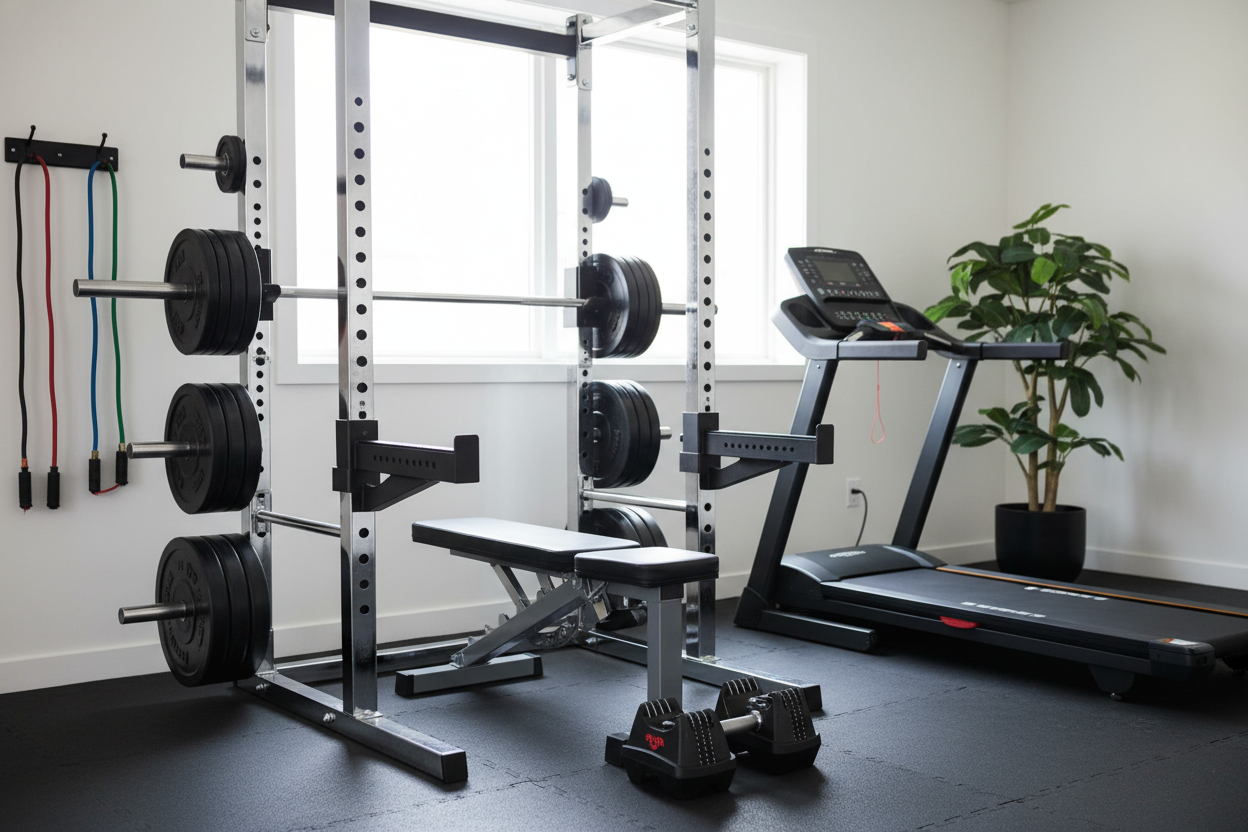
The biggest killer of progress is a missed workout. I built my first gym in a cramped garage because I knew if I had to drive twenty minutes to a commercial gym, I would find an excuse to skip. You do not need a massive rack to start, but you do need a dedicated space that says 'work happens here.'
Start with a solid foundation. A 6X8Ft Exercise Mat Yoga Mat Gym Flooring For Home Workout is the first thing I tell people to buy. It protects your floors, saves your joints during floor presses or burpees, and physically carves out your training zone. Once that mat is down, that space is for growth only.
Personal Experience: My Year of Zero Gains
My first year of lifting was a disaster. I spent five days a week in the gym doing 'arm days' and 'ab days.' I was terrified of getting 'fat,' so I ate like a bird. I stayed 145 pounds for twelve months. I was convinced I had no muscle because of my genetics. I finally swallowed my pride, started a basic 5x5 program, and forced myself to eat until I was uncomfortable. I gained fifteen pounds in the next four months. The problem wasn't my DNA; it was my ego and my kitchen habits.
FAQ
How long does it take to see muscle growth?
If you are training and eating correctly, you will notice increased strength in 2-3 weeks. Actual visual changes usually take 8-12 weeks of consistent effort. Do not judge a program by the first month.
Can I build muscle without a gym?
Yes, but it is harder to provide enough tension. You will need to use high-rep bodyweight movements or invest in some basic gear like dumbbells or a heavy sandbag to keep the stimulus high enough.
What is the best supplement for beginners?
Creatine monohydrate. It is the most researched supplement on the planet. It helps with ATP production, allowing you to squeeze out those last two reps that actually drive growth. Everything else is secondary to food.