Exercise Workout Station Explained: Build Your Perfect Setup
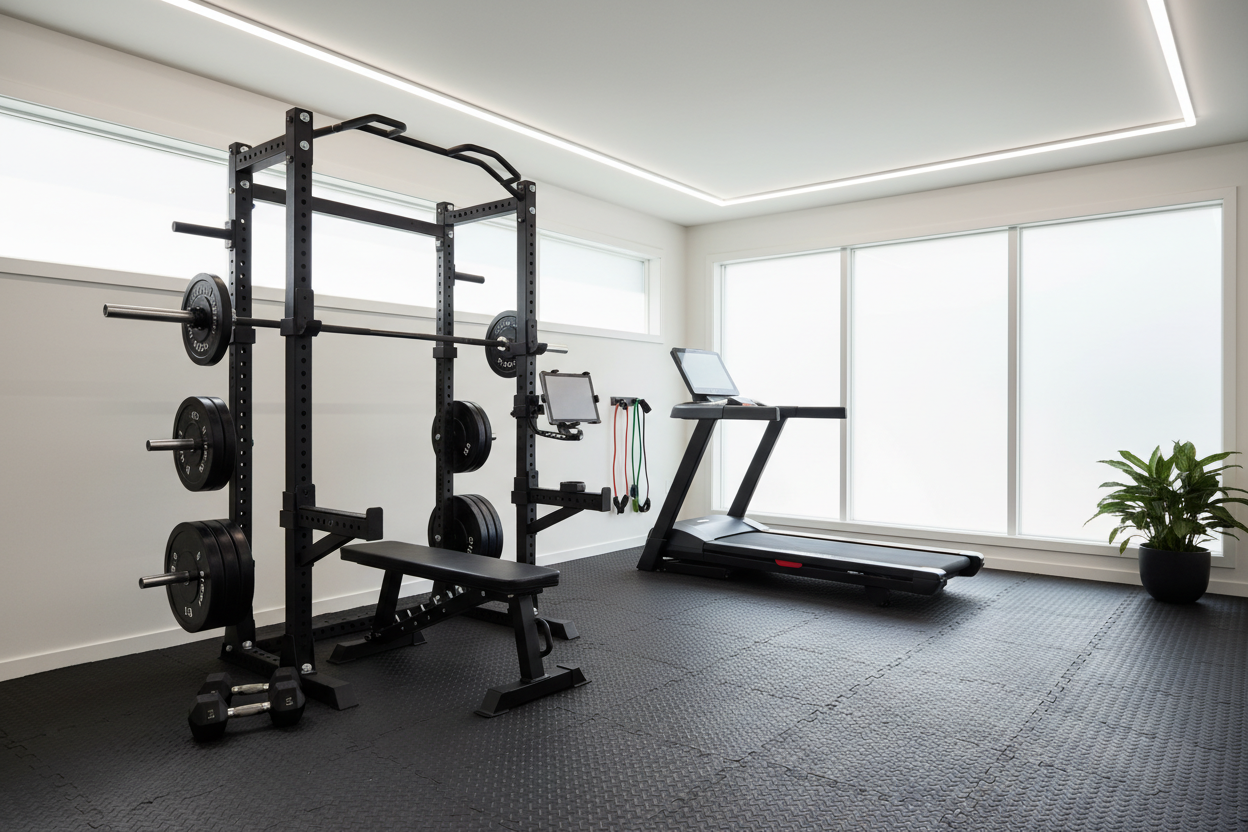
If you have ever tripped over a stray dumbbell in your garage or stared at a cluttered basement wondering how to fit a complete gym into 100 square feet, you are not alone. Space and budget are the two biggest hurdles for strength training enthusiasts. That is where investing in a dedicated exercise workout station changes the game.
Instead of piecing together a patchwork of benches, racks, and loose weights, a unified home exercise station consolidates your training into one efficient footprint. In this guide, we will break down exactly what to look for, how to measure your space, and whether this all-in-one approach is the right fit for your fitness goals.
Key Takeaways
- Space Efficiency: A standard workout station for home replaces up to six individual machines, saving valuable floor space.
- Versatility: Look for dual-pulley systems and adjustable benches to target every major muscle group.
- Resistance Types: Choose between weight stack systems (faster transitions) and plate-loaded systems (higher weight capacity).
- Clearance Matters: Always factor in an extra 24 inches of clearance around the machine for safe movement and bar loading.
Maximizing Your Footprint: Space Planning
Bringing a workout station home requires more than just measuring the base dimensions. You need to account for the dynamic footprint—the space used when you are actually moving.
Dimensions and Active Clearance
Most standard multi-gyms require a minimum footprint of 4 feet by 6 feet. However, if your setup includes a functional trainer or a Smith machine component, you will need at least 7 to 8 feet of width for loading Olympic plates. For basement setups, ceiling height is crucial. Ensure you have a minimum of 84 inches of vertical clearance so you do not smash your ceiling during lat pulldowns or standing shoulder presses.
What Makes a Quality Setup?
Not every at home workout station is built to withstand heavy, daily use. When evaluating your options, look beyond the glossy product photos and check the engineering specs.
Weight Capacity and Cable Smoothness
Entry-level models often use nylon pulleys and unsealed bearings, which can feel jerky under heavy loads. For a commercial-grade feel, seek out stations with aluminum pulleys and sealed ball bearings. Additionally, verify the frame gauge. A 12-to-14-gauge steel frame ensures the unit will not sway or rattle when you are pushing your max weight.
Full-Body Versatility: Training Application
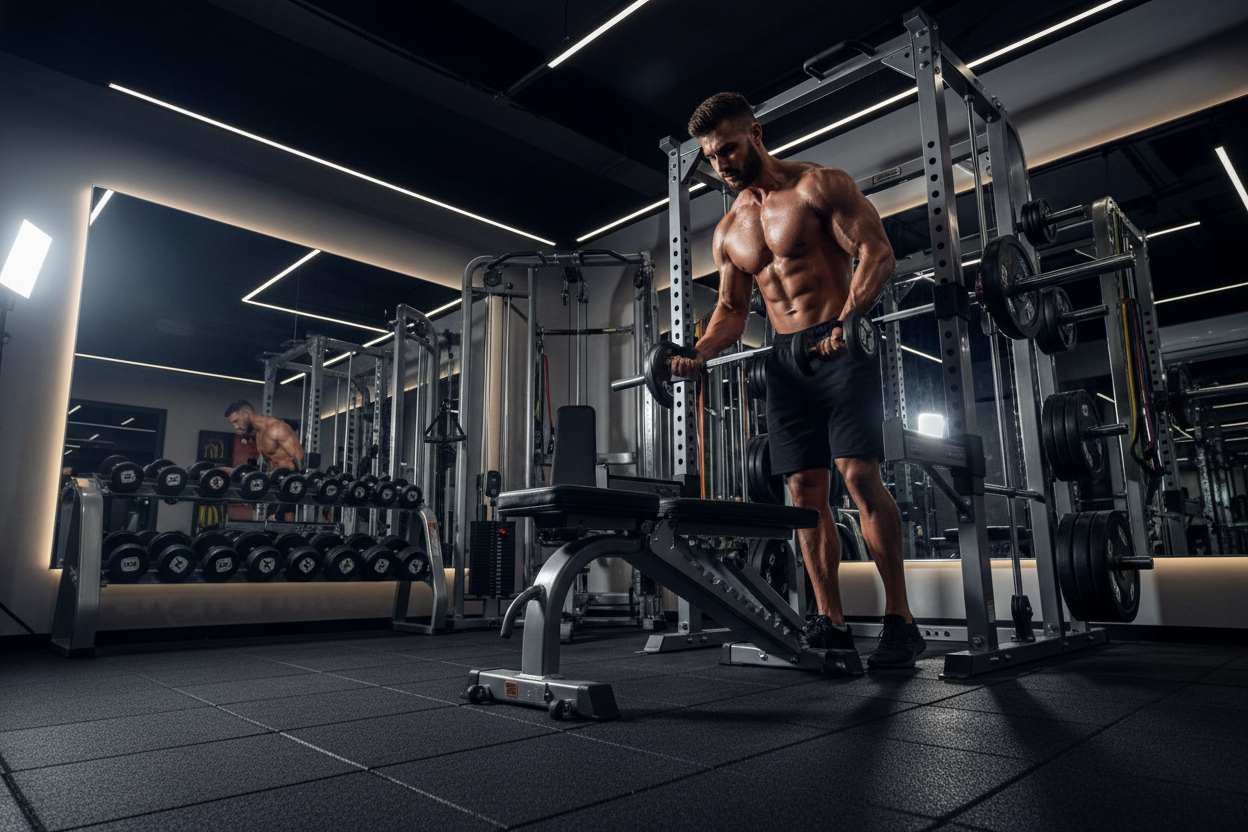
The beauty of a comprehensive workout station at home is the ability to seamlessly transition from compound lifts to isolation movements without walking across a crowded gym floor.
Programming Your Splits
Whether you follow a push/pull/legs split or full-body circuits, these stations accommodate it all. You can move from a heavy chest press directly into a cable crossover for a brutal superset. For beginners, the guided motion of a station provides safety and form correction, while advanced lifters can utilize the cable attachments for functional, unilateral training.
From Our Gym: Honest Take
After testing our latest multi-station prototype for the past six months in a standard two-car garage, I can confidently say the cable ratio makes or breaks the experience. We opted for a 2:1 ratio on the functional trainer side, which provided incredibly smooth, continuous tension for lateral raises and tricep pushdowns.
However, I want to be completely transparent: assembly is not a quick afternoon project. It took two of us roughly six hours to run the cables and bolt the 11-gauge steel frame together. The instructions for routing the high-tensile cables were finicky. But once assembled? The stability is unmatched. Even during explosive heavy rows, the frame did not budge an inch.
Frequently Asked Questions
Is an exercise workout station worth the investment?
Yes, if you value space optimization and convenience. While the upfront cost is higher than buying a cheap bench and a few dumbbells, a high-quality station replaces thousands of dollars worth of commercial gym equipment and gym membership fees over its lifespan.
How much space do I really need?
Plan for a minimum 8-foot by 8-foot dedicated area. This accommodates the machine's static footprint plus the necessary clearance for your body to move comfortably during exercises like cable lunges or flyes.
Can you build muscle with a home multi-gym?
Absolutely. Muscle hypertrophy requires progressive overload and mechanical tension. As long as the station provides enough resistance to challenge you in the 8-to-15 rep range, you will see significant strength and size gains.