

Exercise Program for Toning and Weight Loss: Home Guide
I remember a client who came to me completely exhausted. She was doing 45 minutes of frantic cardio every night in her cramped apartment living room, trying her best not to wake her downstairs neighbors. She was losing pounds on the scale, but she felt weak and frustrated by the lack of muscle definition. That is when I introduced her to High-Low Intensity Sequencing. If you want a real exercise program for toning and weight loss, you have to stop treating your body like a furnace that only burns calories and start treating it like a sculpture that needs shaping.
Quick Takeaways
- Combine heavy resistance training with active recovery for optimal body recomposition.
- Ditch the daily high-intensity cardio to prevent cortisol spikes and central nervous system burnout.
- Invest in space-efficient equipment like adjustable dumbbells to maximize your home workouts.
- Use non-scale metrics like tape measurements and clothing fit to track real progress.
The Science of Losing Fat While Building Definition
People often confuse weight loss with fat loss. When you slash calories and do endless cardio, your body burns both fat and muscle tissue. You become a smaller version of your current self, often feeling softer than you expected. To actually build definition, you need a fitness program for weight loss and toning that prioritizes muscle retention.
Muscle tissue is metabolically active, meaning it burns calories just existing. When you lift weights, you create micro-tears in your muscle fibers. Your body expends significant energy repairing these tears, elevating your resting metabolic rate for up to 48 hours post-workout. This is the core of any successful weight loss and toning gym program. You are building the shape underneath while stripping away the fat layer on top.
I always tell my clients that muscle gives your body its shape, while fat dictates your size. By alternating intense metabolic resistance training with active recovery, you force your body to adapt. High-intensity days trigger the muscle-building stimulus, while low-intensity days facilitate recovery and fat oxidation. This mixed-modality approach prevents the dreaded burnout that stalls so many home gym users.
Structuring Your Weekly Workout Schedule to Lose Weight and Tone
To build an effective workout schedule to lose weight and tone, you need to map out your week with precision. A common mistake is going hard seven days a week. Instead, I use a High-Low Intensity Sequencing method.
A solid fitness routine for weight loss and toning balances intense exertion with active recovery. I typically structure a 7-day split with three high-intensity resistance days, two low-intensity active recovery days, one dedicated mobility day, and one complete rest day. This rhythm ensures your muscles have the 48 hours they need to repair and grow denser. Overtraining spikes cortisol, a stress hormone that actually encourages your body to store belly fat. By strictly adhering to this high-low cadence, you keep cortisol in check while maximizing your metabolic output.
High-Intensity Days: Resistance and Metabolic Conditioning
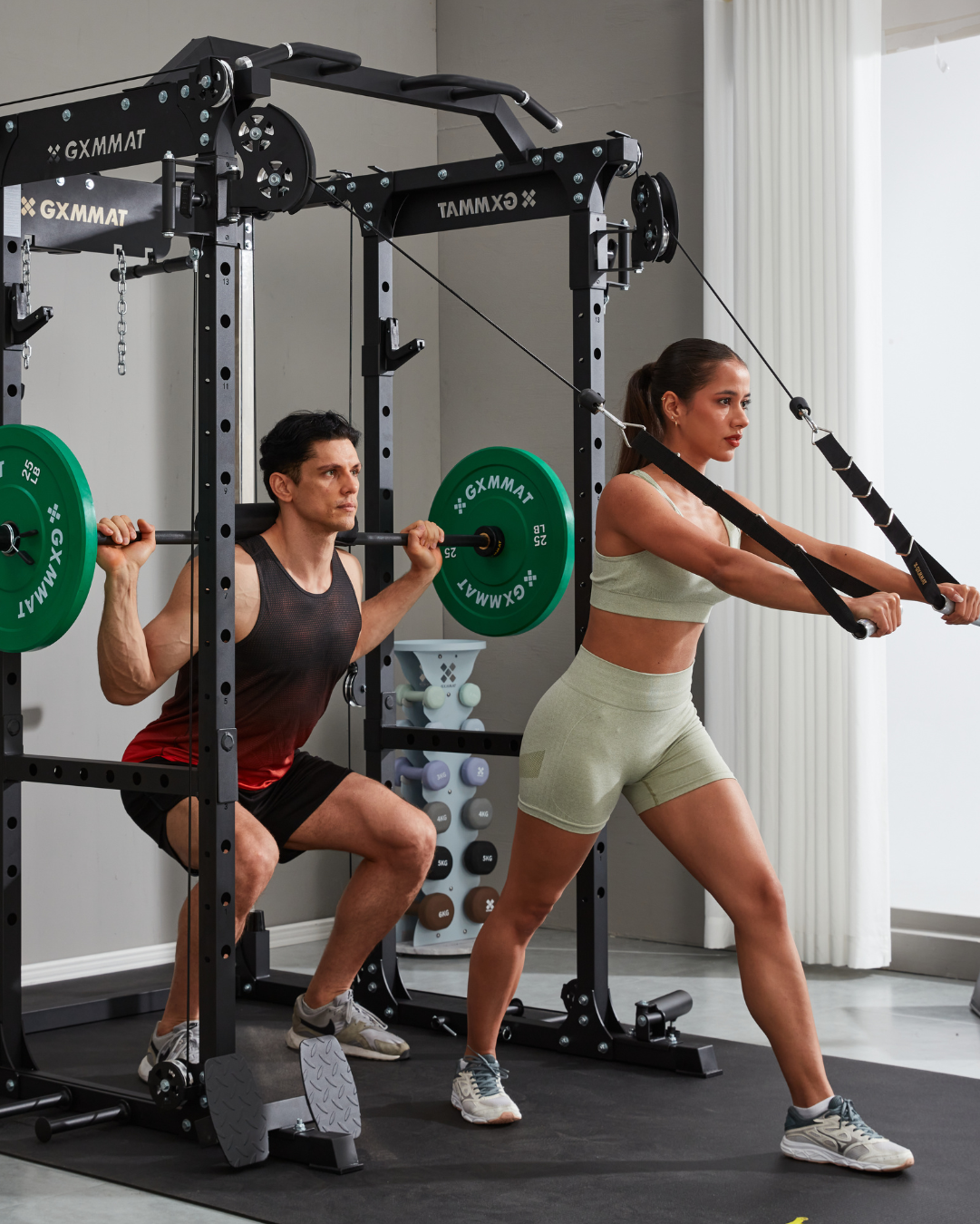
On your high-intensity days, the goal is mechanical tension. This is the heavy lifting portion of your gym routine for toning and weight loss. We focus on compound movements like squats, deadlifts, overhead presses, and rows. These multi-joint exercises recruit the maximum amount of muscle fibers, which in turn burns the highest amount of calories.
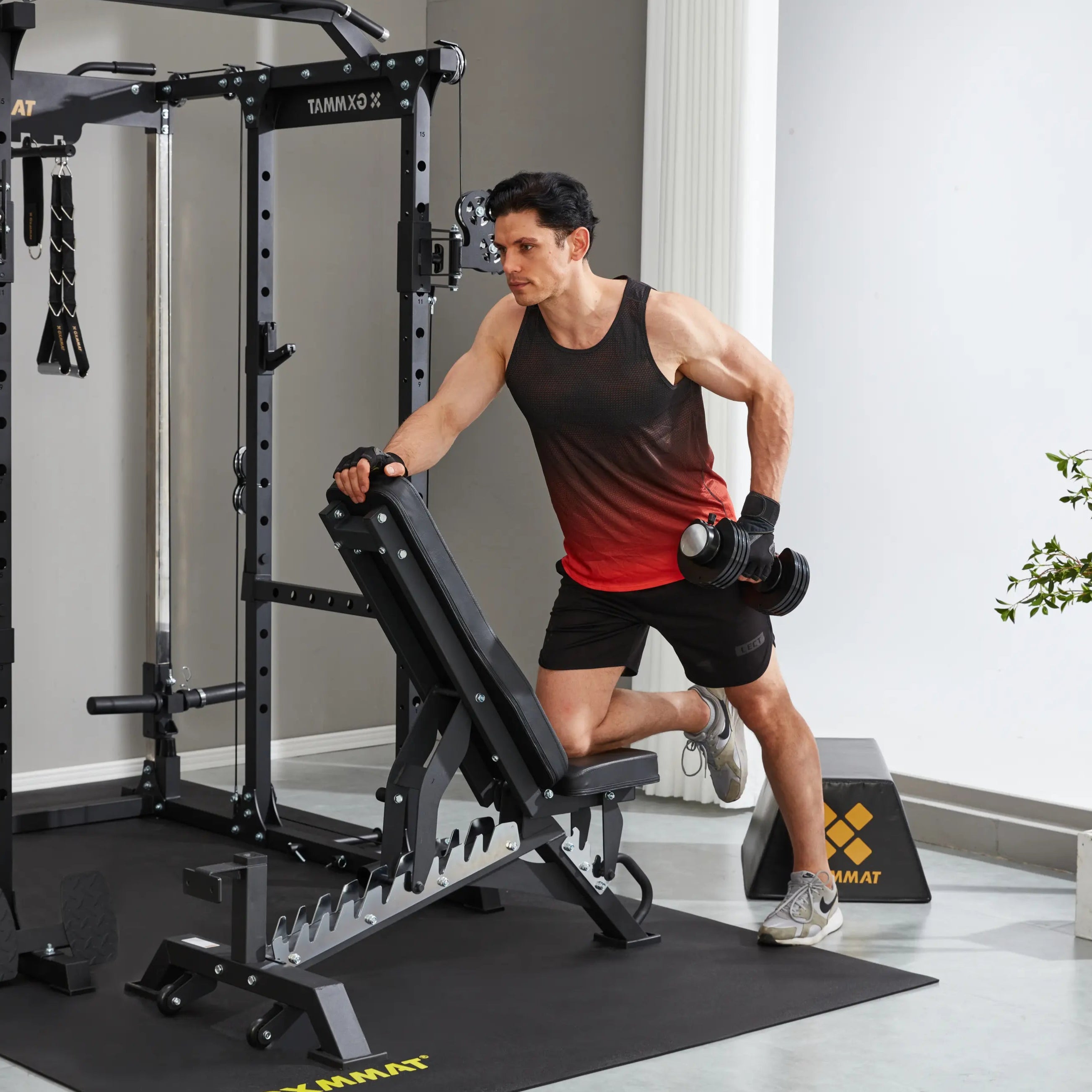
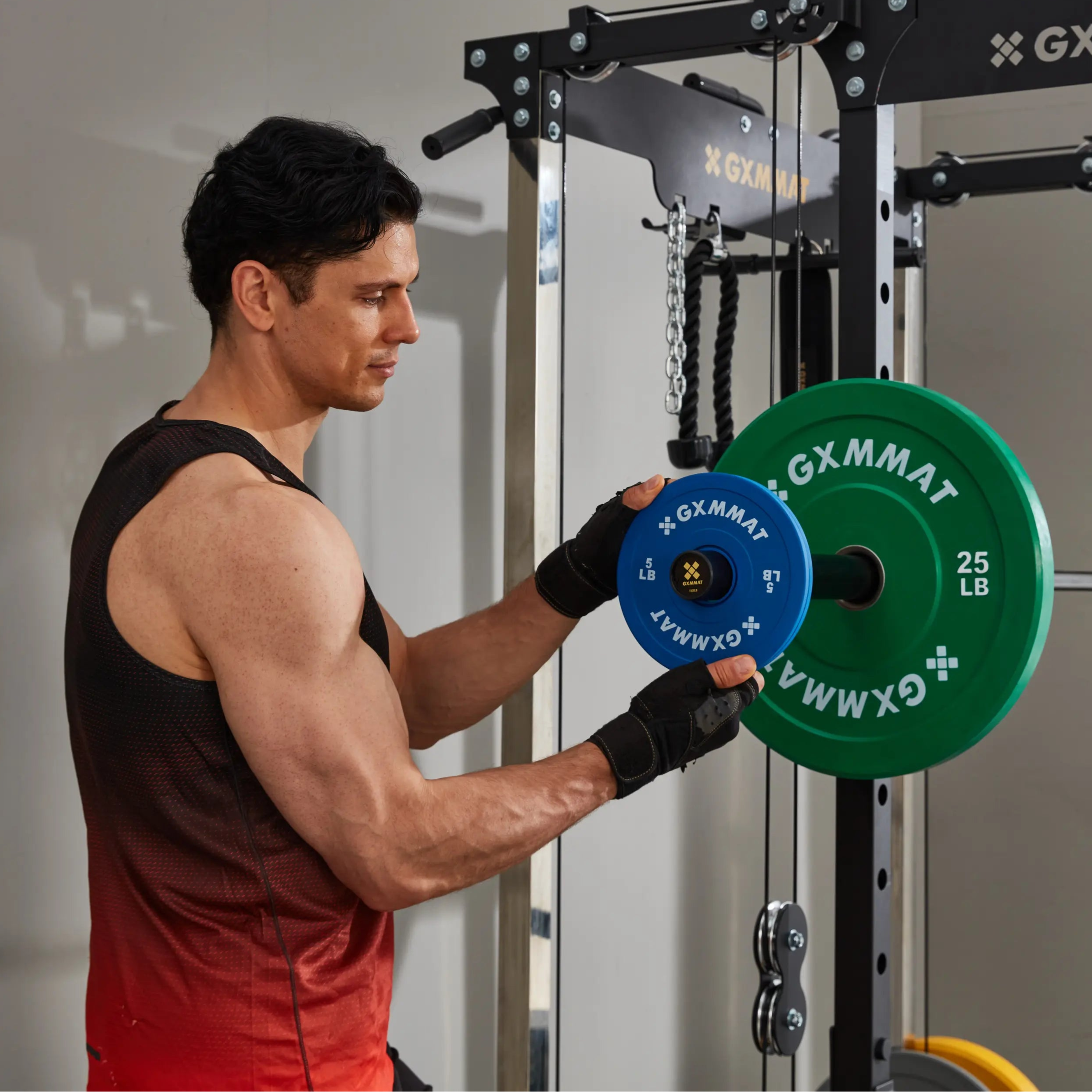
I program these days with a focus on time-under-tension. You want to aim for 3 to 4 sets of 8 to 12 repetitions, controlling the lowering phase of every lift for a full three seconds. You do not need a massive commercial setup; a compact adjustable weight set and bench is usually enough to hit every major muscle group effectively. For example, a pair of dumbbells that adjust from 5 to 52.5 pounds allows you to progressively overload your muscles as you get stronger.
If you are doing a gym workout plan for weight loss and toning, keep your rest periods strictly between 60 and 90 seconds. This incomplete recovery keeps your heart rate elevated, blending strength training with cardiovascular conditioning. You will sweat, you will breathe heavily, and you will stimulate serious muscle growth.
Low-Intensity Days: Active Recovery and Core Toning
Your low-intensity days are just as critical as your heavy lifting days in any lose weight tone up exercise plan. This is where active recovery comes into play. Active recovery means moving your body at a low heart rate to promote blood flow, which flushes out lactic acid and delivers nutrients to the muscle tissues you damaged the day before.
It keeps your metabolism humming without taxing your central nervous system. I heavily rely on modalities like power yoga and Pilates for these sessions. I often have my clients follow a power yoga workout for weight loss on their off days to maintain mobility and build core stability.
These routines focus on isometric holds, deep stretching, and balance. A good low-intensity day should leave you feeling energized, not exhausted. You are still burning calories and engaging your core, which is essential for that toned midsection, but you are not breaking down muscle tissue. This active rest is the secret weapon in any comprehensive workout programs for weight loss and toning.
Essential Equipment for a Weight Loss and Tone Gym Workout at Home
Setting up your physical space is critical when designing a gym plan to lose weight and tone up at home. You need an environment that allows you to seamlessly transition from dropping heavy dumbbells to lying on your back for Pilates core work. Spatial friction, like having to move coffee tables or constantly adjust a sliding yoga mat, will quickly kill your workout momentum.
The foundation of your space is the most important element. I recommend laying down a large 6x8ft exercise mat to protect your floors and your joints. In my own garage gym, I tested dozens of flooring options over the years. I found that a dense 7mm mat absorbs the shock of a dropped 50-pound dumbbell perfectly while still providing a stable, grippy surface for barefoot yoga flows. I have logged over a thousand burpees and heavy deadlifts on my current mat, and it makes a massive difference in joint impact.
The only honest downside I noticed is that these heavier, oversized mats can be tough to roll up and store if you need to reclaim your living room daily. Because of this, dedicating a permanent 6x8 foot corner of a room is your best bet. Once your flooring is set, you simply need your adjustable bench, a set of dumbbells, and a few resistance bands. This minimalist setup supports almost all workouts at the gym to lose weight and tone, brought right into your home. You eliminate commute times and gym intimidation, allowing you to focus entirely on your form and your breathing.
Example 4-Week Fitness Plan for Weight Loss and Toning
Having tested multiple workout plans for losing weight and toning, I have found that a structured 4-week block yields the best initial results. This day-by-day routine is designed to be repeated for four weeks, increasing your dumbbell weight slightly each week as you get stronger.
Monday: Lower Body Resistance. Focus on goblet squats, Romanian deadlifts, and walking lunges. Aim for 4 sets of 10 reps each. Your legs contain the largest muscles in your body, so training them burns massive amounts of calories.
Tuesday: Active Recovery. Spend 30 minutes doing a light vinyasa yoga flow or deep static stretching. Focus entirely on your breathing and unknotting tight hamstrings and hips.
Wednesday: Upper Body Resistance. Move through dumbbell bench presses, bent-over rows, overhead shoulder presses, and bicep curls. Keep your rest periods at 60 seconds to maintain a high heart rate.
Thursday: Metabolic Conditioning. This is where we spike the intensity for a shorter duration. For this mid-week push, I highly recommend a Tabata and Pilates workout supercombo to spike your heart rate and torch calories in under an hour.
Friday: Full Body Heavy. Pick one exercise from each major muscle group, like a front squat, a push-up, and a heavy dumbbell row, and perform 5 sets of 8 reps. Go as heavy as you safely can with perfect form.
Saturday: Core and Mobility. Spend 20 minutes doing Pilates-style core work: dead bugs, bird-dogs, and planks.
Sunday: Complete Rest. Take a walk outside, but do not touch a weight or a yoga mat.
This schedule is a highly effective exercise program to lose weight and tone up because it forces adaptation. By week three, you will notice that the weights feel lighter and your recovery times are faster. That is the signal to increase your resistance and keep pushing your limits.
Tracking Progress: How to Know Your Routine is Working
The biggest mistake people make with any workout routine to tone and lose weight is obsessing over the bathroom scale. Muscle is significantly denser than fat. As you progress through your weight loss and tone workout, you might build three pounds of lean muscle while losing three pounds of fat. The scale will not move a single ounce, but your physical shape will look drastically different.
Instead of weighing yourself daily, track your non-scale victories. Take waist, hip, and thigh measurements every two weeks. Pay attention to how your clothes fit; a shrinking waistline on a pair of jeans is a far more accurate indicator of fat loss than a digital scale. Furthermore, track your strength. If you could only squat 20 pounds in week one, but you are squatting 40 pounds in week four, your program is working. You are building the lean tissue required to look toned. Trust the high-low sequencing process, stay consistent, and let your body recomposition happen naturally.
Frequently Asked Questions
How long does it take to see results from a toning program?
Typically, you will feel stronger and notice improved posture within the first two weeks. Visible changes in muscle definition and fat loss usually take 4 to 6 weeks of consistent high-low intensity training.
Can I tone up with just bodyweight exercises?
Yes, bodyweight exercises are a great starting point. However, to continue building muscle definition over time, you will eventually need to introduce progressive overload using external resistance like dumbbells or bands.
Should I do cardio before or after lifting weights?
Always lift weights first. You want your central nervous system fresh and your glycogen stores full for heavy compound movements. Save your light cardio for after your lifting session or for your active recovery days.


