Exactly How Do Weights Work? (The No-BS Biology of Lifting)
I remember staring at my first set of plastic-coated, sand-filled dumbbells in my parents' garage, wondering if I was actually doing anything or just wasting my Tuesday night. Most of the 'expert' advice online makes it sound like you need a PhD in kinesiology to understand how do weights work, but it is actually much simpler—and more brutal—than that. It is all about stress management.
Quick Takeaways
- Muscle grows by adapting to mechanical tension, not just 'feeling the burn.'
- Weight lifting creates micro-tears that the body repairs to be stronger.
- Compound movements are the most efficient way to trigger growth across multiple muscle groups.
- Recovery (sleep and food) is when the actual muscle building happens.
The Bro-Science Stops Here: Tension and Adaptation
Your body is inherently lazy. It wants to maintain the status quo because muscle tissue is metabolically expensive to keep alive. When you pick up a heavy bar, you are telling your lifting muscles that the current situation is an emergency. This creates mechanical tension—the physical stretching and contracting of fibers under a load they aren't used to handling.
This stress forces an adaptation. Beyond just tension, you deal with metabolic stress—that 'pump' sensation where blood and metabolites pool in the muscle. While the pump feels great for the ego, it is the mechanical tension that primarily signals your brain to start the rebuilding process. You are essentially convincing your body that it needs more armor to survive the next workout.
So, What Muscles Does Lifting Weights Work Anyway?
Beginners often ask what muscles does lifting weights work as if there is a secret list hidden in a locker room. The reality depends on your movement choice. Compound exercises, like squats or presses, utilize kinetic chains. A deadlift isn't just a 'back exercise'; it's a full-body event that taxes everything from your grip to your hamstrings.
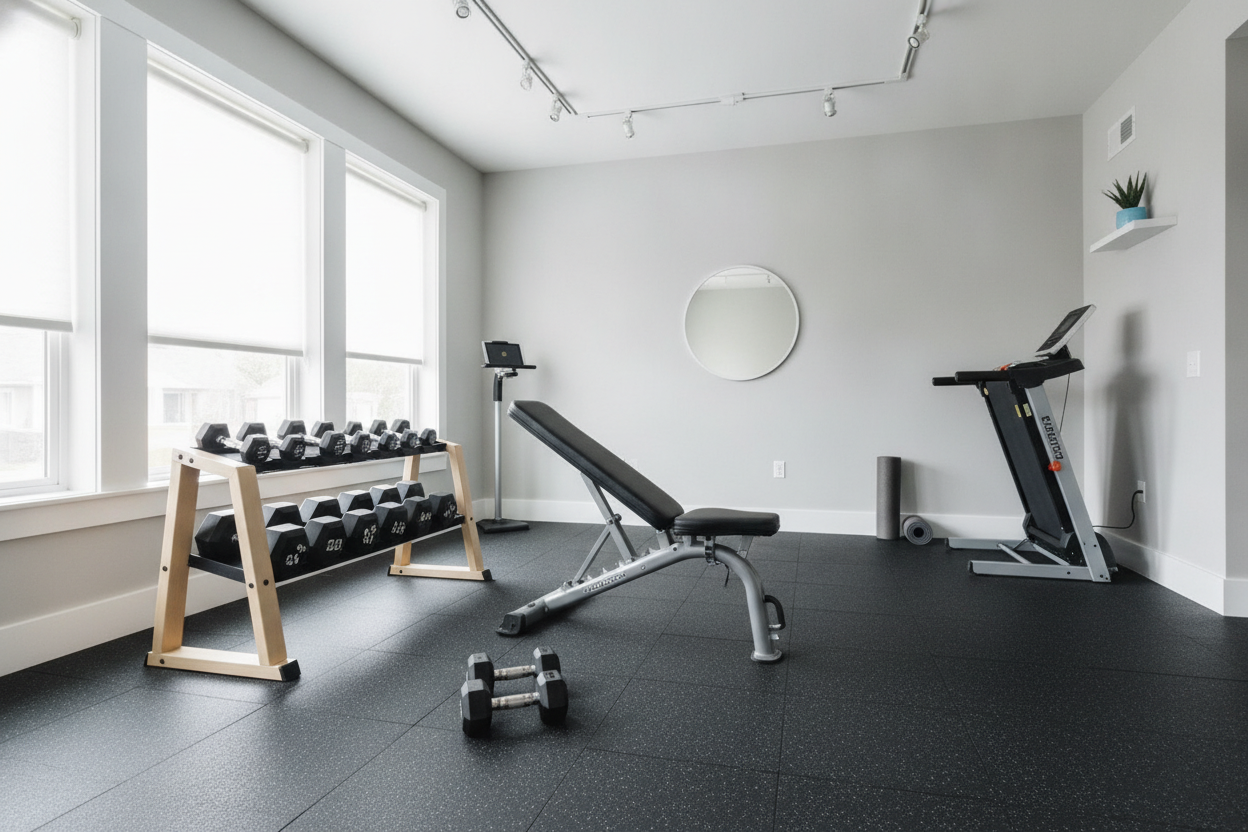
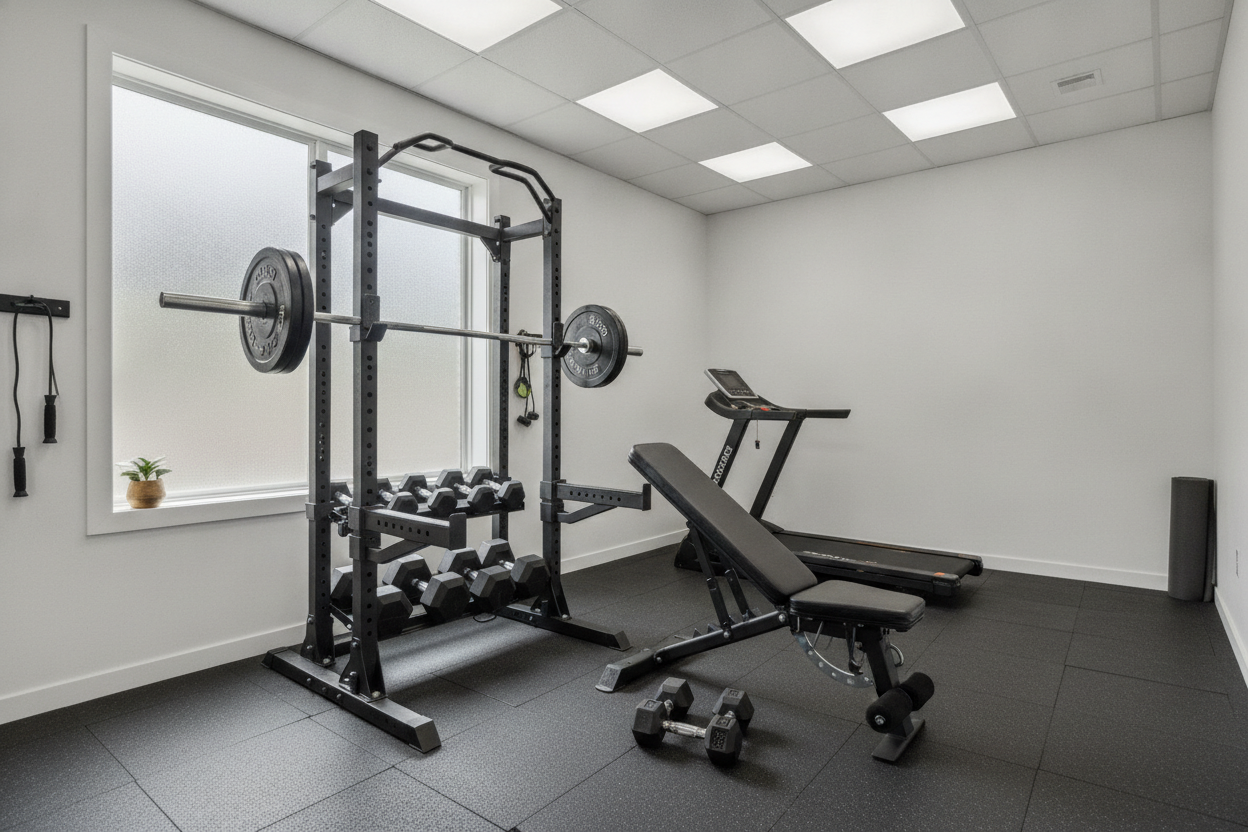
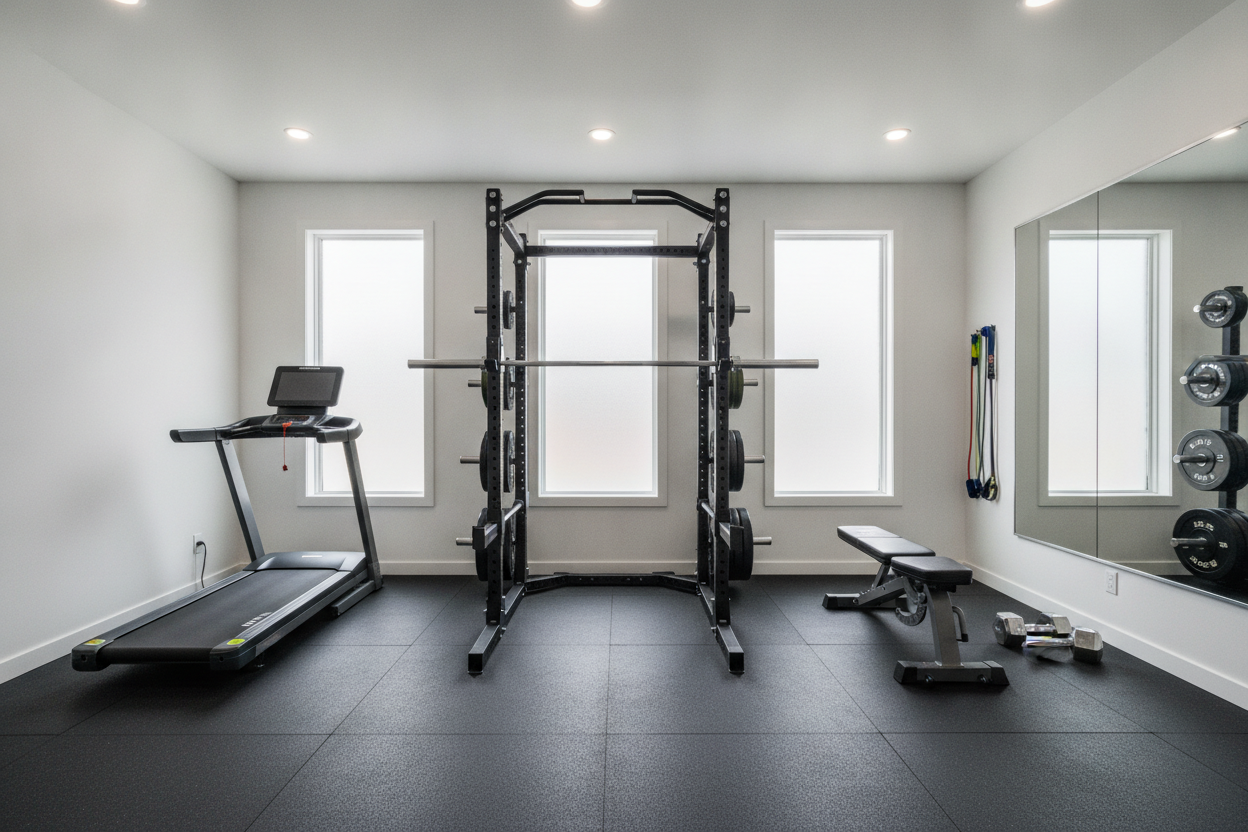
If you are looking to maximize efficiency, a solid weight set and bench setup allows you to hit every major muscle group in the body without needing a 10,000-square-foot commercial gym. By focusing on big movements, you answer the question of what muscles do lifting weights work by hitting the chest, shoulders, and triceps all in one go during a simple bench press.
The 'Micro-Tear' Reality (How You Actually Grow)
Here is the reality check: you don't get stronger while you are in the gym. You actually leave the gym weaker than when you walked in. When a weight lifting muscle is pushed to its limit, the fibers sustain microscopic damage known as micro-trauma. Your body then rushes to repair these tears using satellite cells that fuse to the muscle fibers, making them thicker and more resilient.
This is why recovery is the most underrated part of the equation. I have seen guys spend two hours a day in the rack and never grow because they sleep four hours a night and eat like a bird. Focusing on real weight lifting tips to build muscle means prioritizing the 22 hours you aren't training. If you don't give the 'repair crew' the materials they need, those micro-tears just become chronic injuries.
Free Weights vs. Machines: Forcing the Stimulus
I am a barbell guy through and through, but I am not a snob about equipment. The stimulus changes based on how the weight is stabilized. When you use free weights, you are forcing your body to stabilize the load in three-dimensional space. This hits smaller 'helper' muscles that machines often ignore.
However, a lifting weights machine has its own perks. Because the weight is on a fixed track, you can push a specific muscle to absolute failure without worrying about your balance giving out or dropping a bar on your neck. It is a safer way to create high levels of metabolic stress, especially when you are at the end of a session and your stabilizers are fried.
Tying It All Together in Your Garage Gym
Understanding the connection between weight training and muscles is the first step toward actually seeing results. You don't need a complicated 6-day split. You need progressive overload—doing slightly more this week than you did last week. Whether that is five more pounds or one extra rep, that incremental stress is what keeps the adaptation loop going.
For a home setup, I always suggest utilizing an adjustable weight bench. By changing the angle of your presses or rows, you can hit different muscle fibers and ensure you aren't leaving any growth on the table. Keep it simple, keep it heavy, and for heaven's sake, give yourself time to recover.
Personal Experience: My Biggest Mistake
For the first two years I lifted, I thought 'more is better.' I was hitting chest three times a week and wondering why my bench press was stalled at 185 lbs. My shoulders were constantly 'clicking' and I felt like garbage. It wasn't until I cut my volume in half and actually focused on heavy, slow repetitions that my strength exploded. I realized the weight is just a tool to create tension, not a trophy to be moved by any means necessary.
FAQ
Do I have to be sore for it to be working?
No. Soreness, or DOMS, is a sign of a new stimulus, but it is not a requirement for muscle growth. Some of my best strength gains happened when I felt relatively 'fresh' between sessions.
How long does it take for muscles to grow?
Biologically, the repair process starts immediately, but you won't see visible changes in the mirror for about 4 to 6 weeks of consistent training. Strength usually increases faster than size because your nervous system learns how to use the muscle you already have more efficiently.
Can I build muscle with just light weights?
Yes, provided you take the sets to near-failure. However, heavy weights are more efficient for building raw strength and take less time to reach that 'growth' threshold.