Everything I Learned in PE Weight Training Was Completely Wrong
I still remember the smell of my high school weight room: a toxic mix of stale sweat, rusted iron, and a coach’s cheap cologne. We were teenagers convinced that a 135-pound bench press made us gods, guided by a man who hadn't touched a barbell since the Reagan administration. The standard pe weight training curriculum wasn't about building athletes; it was a blueprint for future chiropractor visits and chronic shoulder impingement.
If you're still training like you're trying to impress your gym teacher, you're likely spinning your wheels. Unlearning those bad habits is the first step toward actually getting strong in your own garage. Let's look at why those old classes failed us and how to fix your programming today.
Quick Takeaways
- Machines were used for logistics, not optimal muscle growth.
- The posterior chain (back and glutes) was almost entirely ignored.
- Maxing out every week is the fastest way to hit a plateau.
- A home power rack is a safer 'spotter' than a distracted teenager.
The Ghost of High School Gym Classes Past
The 2000s high school weight room was a weird place. It was defined by those laminated posters of Arnold Schwarzenegger that were peeling at the corners and a culture of overzealous spotters shouting 'it's all you!' while they basically deadlifted the bar off your chest. Standard weight training in physical education set most of us up for a lifetime of joint pain because it prioritized movement over mechanics.
We didn't care about bracing our core or external rotation. We cared about the number on the plates. I spent four years doing quarter-squats in running shoes because nobody told me that ankle mobility mattered. The goal wasn't to get strong; it was to keep 30 kids busy for 50 minutes without anyone ending up in the ER. That environment breeds bad posture and even worse lifting habits that take years to unlearn.
What Exactly Were They Teaching Us Back Then?
So, what is weight training in physical education, exactly? In most schools, it’s a hyper-fixation on the 'mirror muscles.' We spent 80% of our time on the bench press and curls. The posterior chain—your hamstrings, glutes, and erectors—was a complete mystery. Teachers were terrified to let teenagers do heavy squats or deadlifts because they didn't want the liability, so we just ended up with massive muscular imbalances.
Most of us developed that classic 'bench bro' hunch—shoulders rolled forward, tight pecs, and a weak upper back. To fix this in my own training, I had to stop chasing the chest pump and start doing upper body weight training exercises in reverse. For every pushing movement, I now do two pulling movements. It’s the only way to undo the damage of a decade of bad gym class advice.
Myth 1: The Obsession With the Circuit Machine
The weight training physical education model relied heavily on massive, clunky 15-station circuit machines. These were the crown jewels of the school budget. The goal was simple: keep the kids moving in a circle so the teacher could sit on a stool and blow a whistle every three minutes. While these machines have their place for isolation, they are a terrible foundation for real strength.
The old universal gym weight machine taught us that weight only moves in a fixed path. It didn't teach us how to stabilize a barbell or how to use our stabilizer muscles. When you transition to a home gym, you don't need a 15-station behemoth. You need a barbell and a rack. Training at home requires a totally different approach where you learn to move through space, not just push a lever.
Myth 2: Maxing Out Every Friday
Nothing fueled ego-lifting quite like the 'Max-Out Friday' culture. We were encouraged to test our one-rep max every single week. It was a recipe for snap-city. Testing your strength isn't the same as building it. If you're constantly redlining your central nervous system, you aren't giving your tissues time to actually adapt and grow.
Instead of testing, you should be focused on sustainable progressive overload. I used to lift on a wobbly, torn flat bench that felt like it would tip over if I breathed too hard. Upgrading to a solid adjustable weight bench in my garage changed everything. It provides a stable 1,000-lb capacity foundation that allows me to focus on the lift rather than worrying if the equipment is going to fail under a heavy load. Stability is the precursor to strength.
Building a Grown-Up Setup in Your Garage
It's time to abandon the chaotic high school mindset. You don't need 30 classmates and a whistle; you need a focused, minimalist setup. The biggest hurdle for most solo lifters is safety. In PE, you had a 'spotter' who was usually looking at their phone or talking to someone else. In a home gym, you need mechanical safety.
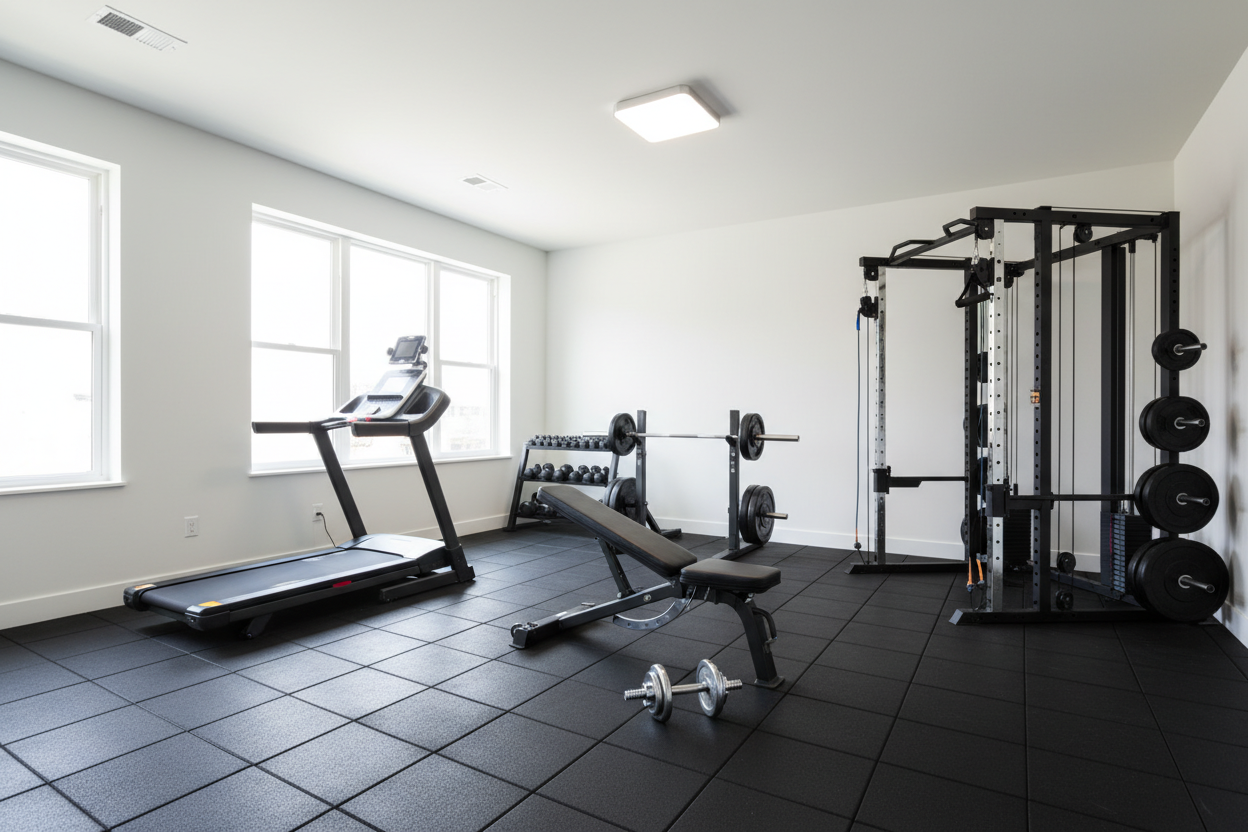
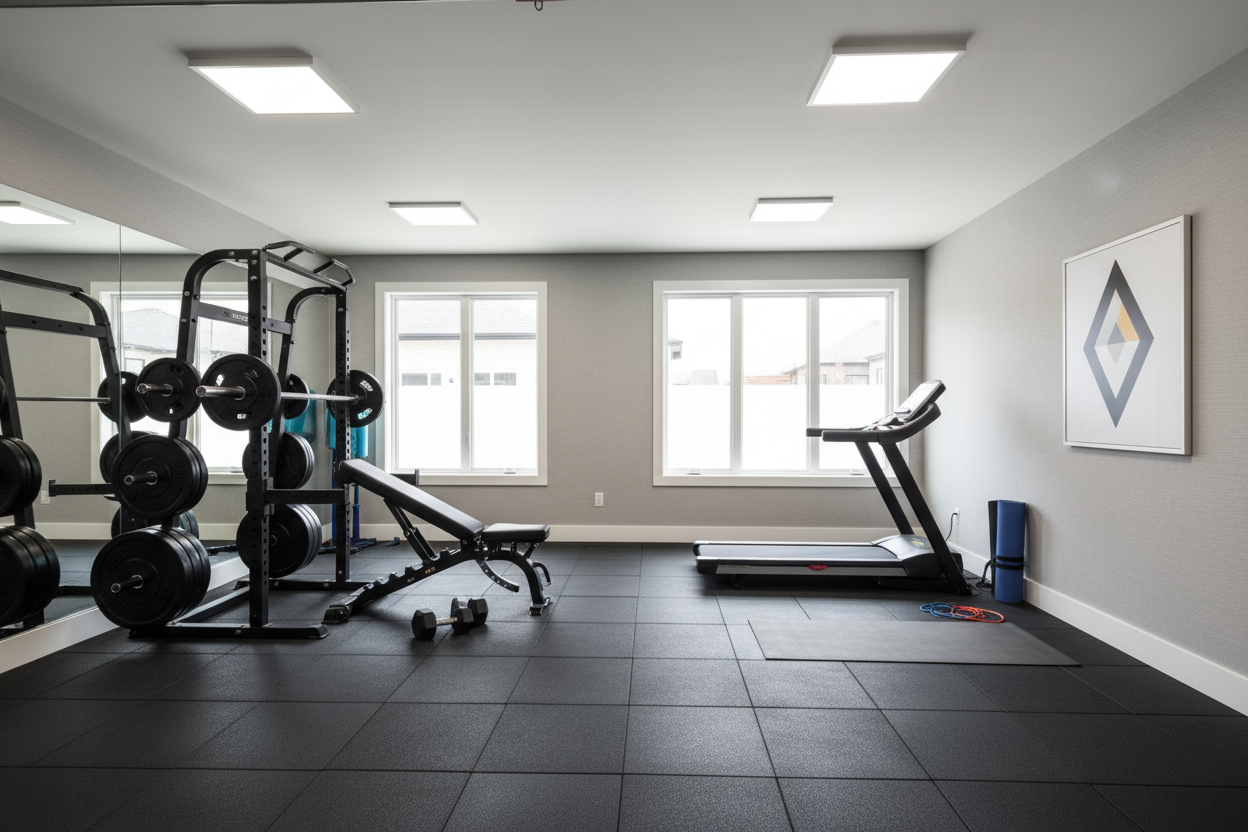
I recommend an enclosed setup like the X6 Power Rack Weight Bench Package. This gives you heavy-duty safety pins that will catch the bar if you fail a rep. It’s the ultimate upgrade for someone training alone. You can push your limits on squats or bench press without the fear of being pinned. It’s about training smarter, not just harder like we did when we were seventeen.
Personal Experience: The Day the Bar Won
I learned the hard way that high school spotters are useless. In 11th grade, I tried to bench 185 for the first time. My 'spotter' was busy trying to open a Gatorade bottle. I got the bar halfway up, my left tricep gave out, and the bar crashed onto my chest. I had to roll-of-shame it off my stomach while the coach yelled at me for dropping the equipment. That moment taught me two things: always use safety bars, and never trust a teenager with your life. My current garage setup has 1-inch thick steel safety pins, and I've never felt more confident under a heavy bar.
FAQ
Is machine training worse than free weights?
Not necessarily 'worse,' but it's less efficient for building overall stability. Machines are great for isolation at the end of a workout, but free weights build the functional strength that translates to real life.
How often should I test my one-rep max?
Maybe once every 12 to 16 weeks. Most of your time should be spent in the 70-85% range of your max. If you're always testing, you're never building.
Why did my gym teacher hate deadlifts?
Liability. Deadlifts are incredibly safe when done with a flat back and proper hinge, but they are easy to mess up if you have 30 kids and only one instructor. It was easier for them to just ban the movement entirely.