Is the Y-Raise the Best shoulder strengthening exercise Ever Invented?
I was three reps into a 275-lb bench set when my right shoulder didn't just feel weak—it felt hollow. There was no dramatic pop or tear, just a sudden, complete loss of stability that forced me to dump the bar onto the safeties. I’d been doing my band pull-aparts and face pulls religiously, yet here I was, sidelined by a joint that felt like it was held together by wet cardboard. It turns out my shoulder strengthening exercise routine was a total fraud.
- Bands are for blood flow, not true structural stability.
- Gravity-based prone movements are the gold standard for lower trap recruitment.
- The 'Thumbs Up' position is non-negotiable for joint safety.
- Treat these as a primary lift, not a throwaway warm-up.
The Day I Realized My Warm-Up Was Useless
For years, I treated my shoulder health like an afterthought. I’d grab a red mini-band, do twenty sloppy internal rotations, and think I was bulletproof. But when the weights got heavy, my stabilizers checked out. I started diving into exercises to strengthen shoulder integrity and realized I was only working the 'mirror muscles' of the rotator cuff.
The problem wasn't my chest strength; it was my inability to keep my shoulder blade glued to my ribcage under load. I needed a way to strengthen shoulder muscles that actually handle the deceleration of a heavy barbell. After weeks of research into shoulder exercise physiotherapy protocols, I kept seeing one movement pop up: the prone Y-raise. It’s not flashy, and you’ll look ridiculous doing it with 2.5-lb plates, but it’s the missing link for anyone who lifts heavy in a garage gym.
Why Band Rotations Are Lying to You
We’ve all seen the guy in the gym standing next to the cable stack, doing those frantic elbow-tucked rotations. While those have a place in a shoulder programme for basic blood flow, they suck at building real-world strength. The tension curve of a band is highest at the end of the range, but your shoulder needs stability throughout the entire arc of motion. Most light shoulder exercises fail because they don't force the muscles to fight gravity.
When you stand up and use a band, you aren't actually loading the lower traps or the posterior deltoid effectively. You’re just spinning your humerus in a circle. To truly strengthen shoulder joint ligaments and the surrounding musculature, you need a movement that demands scapular depression and retraction simultaneously. This is why how to strengthen shoulder joint issues often starts with getting off your feet and onto the floor. You need to eliminate momentum and force the small stabilizers to do 100% of the work.
Enter the Prone Y-Raise: A Real shoulder strengthening exercise
The prone Y-raise is the ultimate shoulder joint workout because it targets the lower fibers of the trapezius—a muscle group that is almost always dormant in modern lifters. If your lower traps are weak, your shoulder blade tilts forward, leading to that nasty pinching feeling (impingement) every time you press overhead. This movement is how to strengthen shoulder muscles for the long haul.
By lying face down, you are forced to lift the weight of your arms (and eventually small plates) against the direct pull of gravity. It is the most honest shoulder muscle strengthening exercises you can do. There is no cheating, no leg drive, and no leaning back. It’s just your nervous system learning how to stabilize the scapula while the arm moves through a high range of motion. If you want to know how to strengthen your shoulders for a 300-lb bench, this is the foundation.
Setting Up Flat on the Floor
You don't need an expensive adjustable bench to do this. In fact, doing these on the floor is often better because it prevents you from arching your lower back to 'fake' the range of motion. However, lying face down on cold, hard garage concrete is a recipe for a bruised sternum and a miserable session. I personally use a 6x4ft exercise mat to give myself enough runway to spread out.
Lay flat on your stomach with your legs straight. You want a surface with enough grip so your toes don't slide when you're trying to create tension. This setup is the most accessible way for shoulder strengthening exercises at home, requiring zero specialized racks or pulleys. Just you, the floor, and the uncomfortable realization of how weak your mid-back actually is.
The 'Thumbs Up' Rule for Scapular Control
Technique is everything here. If you do these with your palms down, you’re likely to jam the head of your humerus into the acromion process—that’s the 'impingement' most people complain about. To make these shoulder safe exercises, you must rotate your hands so your thumbs point toward the ceiling. This external rotation opens up the joint space.
As you lift your arms into that 'Y' shape, think about pulling your shoulder blades into your back pockets. Don't just lift your hands; move the entire shoulder complex. This is the secret of how to strengthen shoulder ligaments and improve overall joint health. If you feel a pinch, you're likely shrugging your shoulders toward your ears. Keep the neck long and the thumbs high.
How to Program This Into Your Garage Routine
Stop treating your shoulder support workout like a 30-second afterthought. If you want to strengthen shoulder muscles, you need to apply progressive overload. I start every upper body day with 3 sets of 15 reps using just bodyweight to handle the shoulder activation exercises. Once that feels easy, I grab 2.5-lb change plates. If you can do 3 sets of 12 with 5-lb plates with perfect form, you’ll have more stability than 90% of the people in your gym.
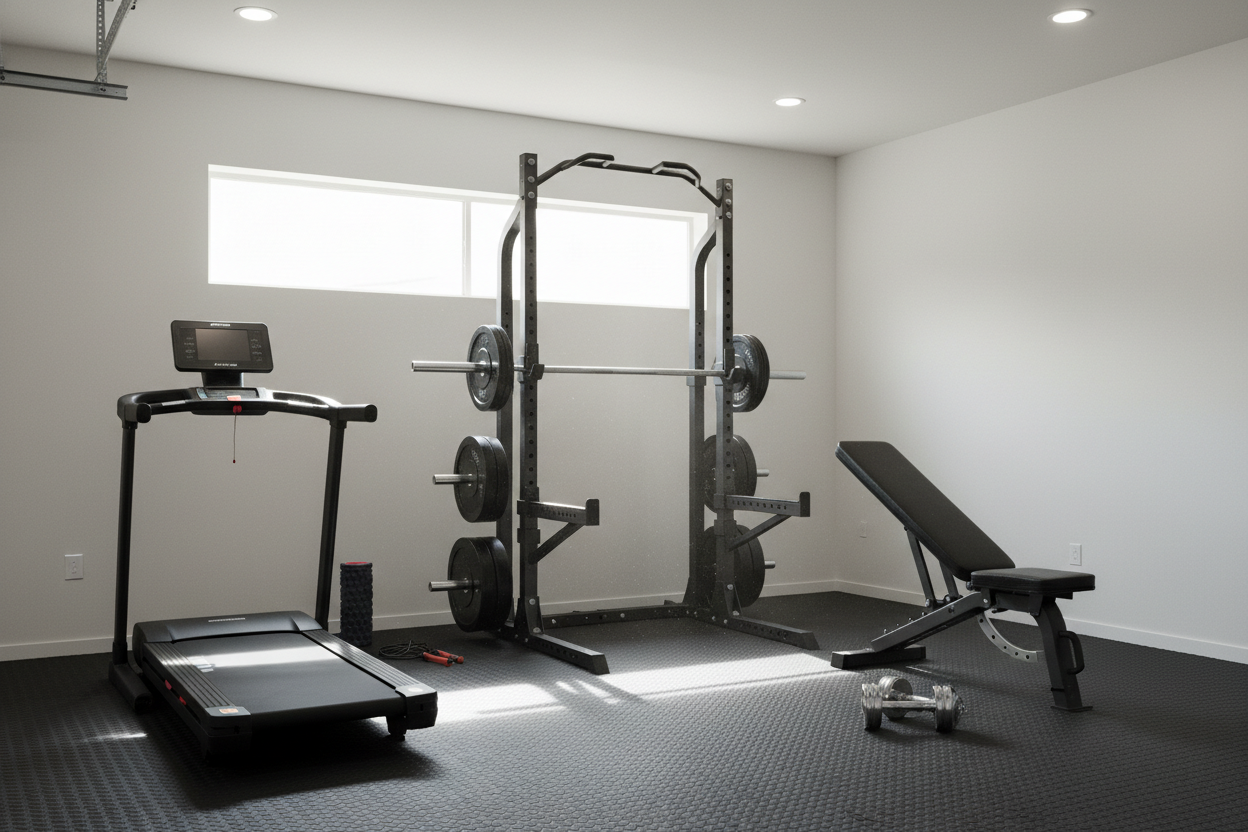
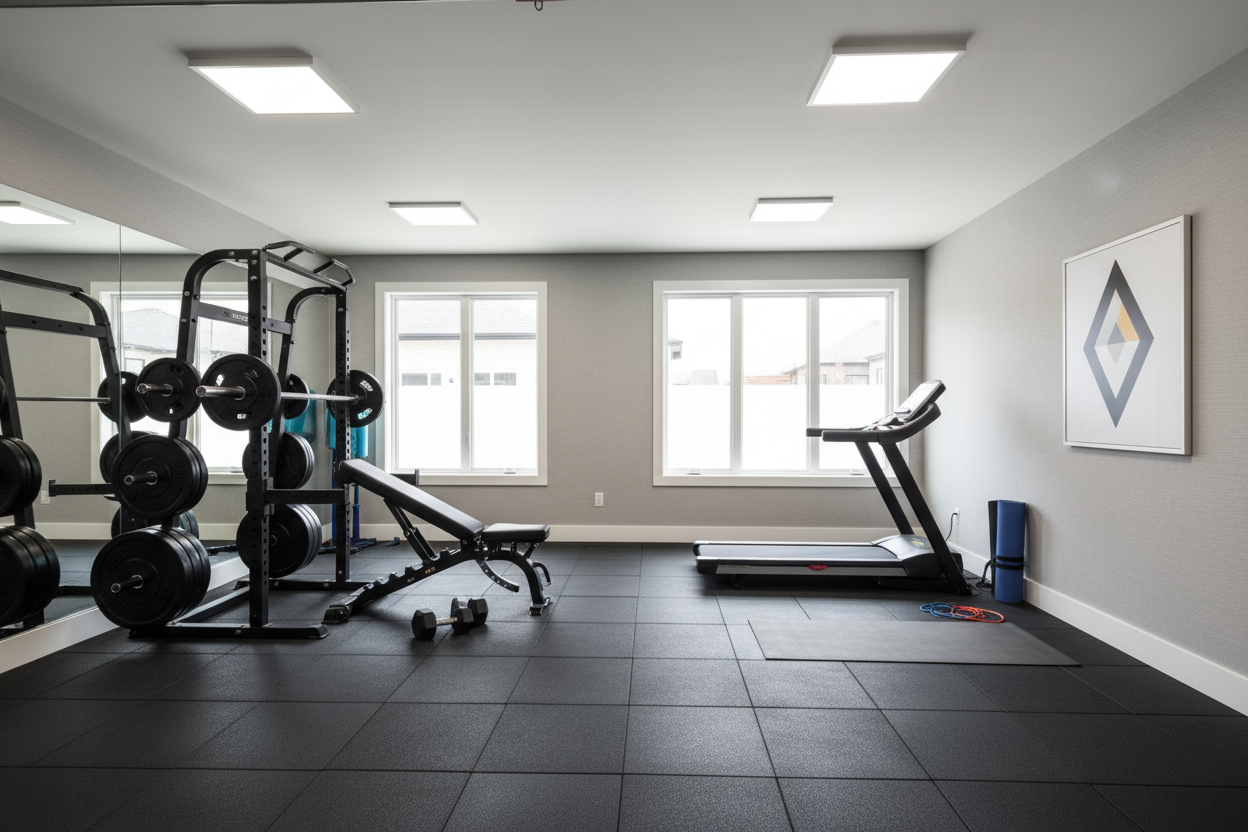
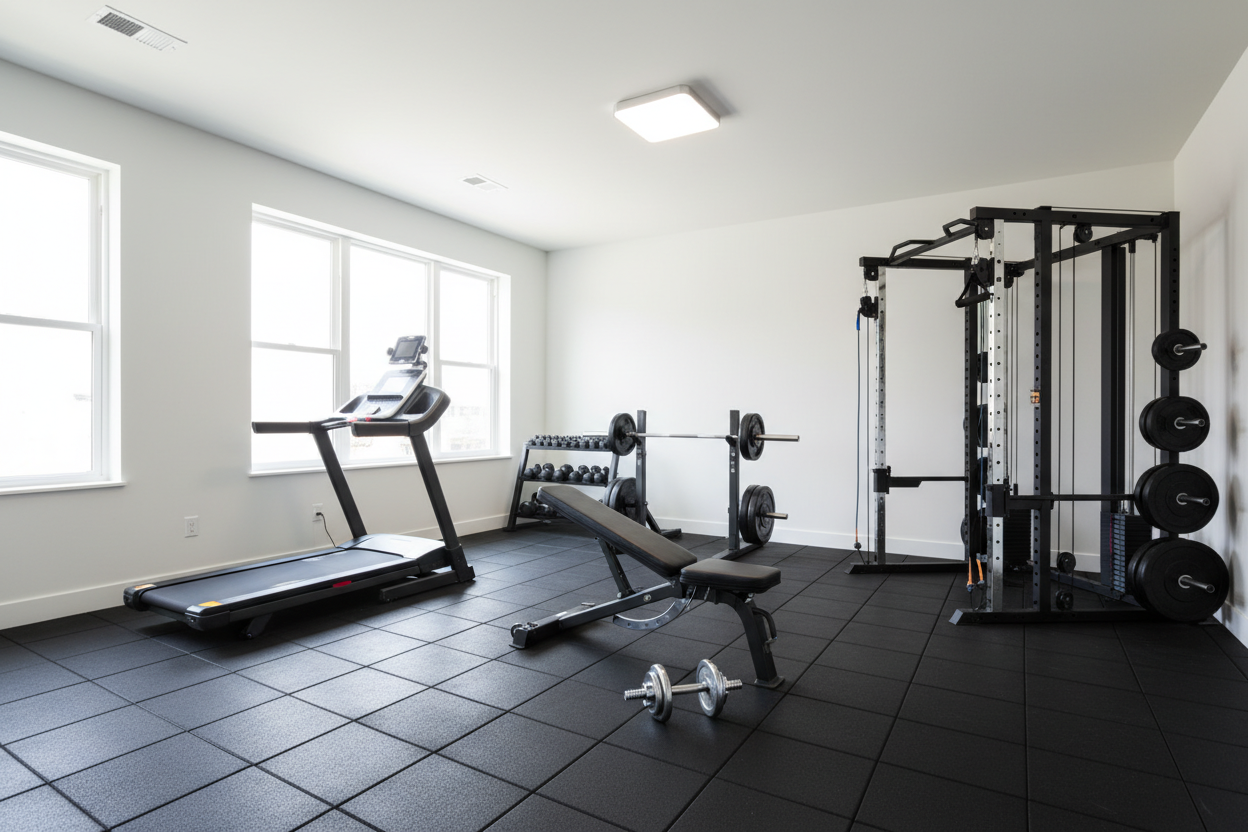
Dedicate a specific area of your gym for this. Having a large exercise mat permanently rolled out makes it much easier to stick to the routine. When the floor is ready, you're more likely to actually do the work. Treat the Y-raise as a mandatory accessory lift. Track your reps, hold the top position for two seconds, and watch your bench press pain disappear as your shoulder joint strengthening exercises finally start to pay off.
FAQ
How often should I do shoulder strengthening exercises?
For most lifters, 2-3 times a week is the sweet spot. Use them as a primer before heavy pressing or as a dedicated accessory on pull days. Since these muscles are small and postural, they recover quickly but need high frequency to 'wake up.'
Can I do these if I already have shoulder pain?
Generally, yes, but let pain be your guide. Strength exercises for shoulder pain should never be sharp or stabbing. The prone Y-raise is often used in shoulder exercise physiotherapy because it's low-impact. If it hurts, reduce the range of motion or stick to bodyweight.
What if I can't lift my arms off the floor in the Y-position?
That is a huge red flag for scapular weakness. Start by just trying to 'set' your shoulder blades without lifting your arms. Once you can control the bone, the range of motion will follow. This is the first step in how to strengthen shoulder after injury.