Equipment Used for Exercise: The Definitive Guide for 2025
Walking into a modern gym or scrolling through an online fitness store is overwhelming. You are bombarded with thousands of options, from high-tech treadmills to simple iron weights. Understanding the specific equipment used for exercise is the first step toward building a routine that actually works, rather than just guessing and hoping for results.
Whether you are setting up a home garage gym or trying to navigate a commercial facility, knowing the purpose behind each tool is critical. This guide cuts through the marketing fluff to explain exactly what these tools do for your physiology.
Key Takeaways
- Free Weights (Barbells/Dumbbells): Best for compound movements and stabilizer muscle recruitment.
- Resistance Machines: Ideal for beginners and isolating specific muscle groups safely.
- Cardio Equipment: Tools like rowers and treadmills focused on heart rate zones and endurance.
- Functional Gear: Bands, balls, and suspension trainers designed for mobility and core stability.
Categorizing Different Types of Exercise Equipment
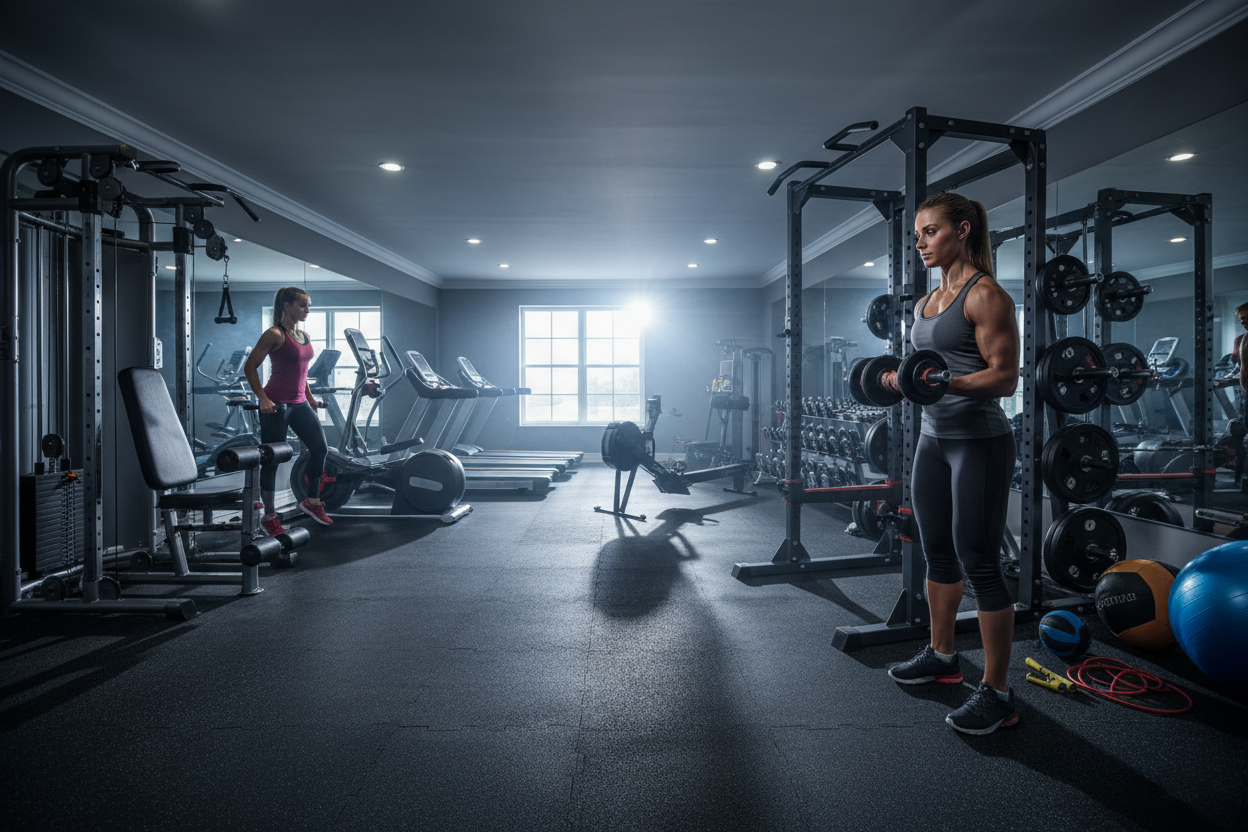
To the untrained eye, a gym looks like a chaotic mix of metal and rubber. However, different fitness equipment generally falls into four distinct categories based on biomechanics and intended outcome.
1. Free Weights: The King of Stabilization
When we talk about the most effective kinds of exercise equipment for raw strength, free weights usually win. This category includes barbells, dumbbells, kettlebells, and plates. The science here is simple: because the weight isn't attached to a track or pulley, your body must recruit "stabilizer muscles" to keep the weight moving in a straight path.
For example, a machine chest press only requires you to push forward. A dumbbell press requires you to push forward while preventing the weights from drifting outward or inward. This creates a higher metabolic demand.
2. Resistance Machines: Isolation and Safety
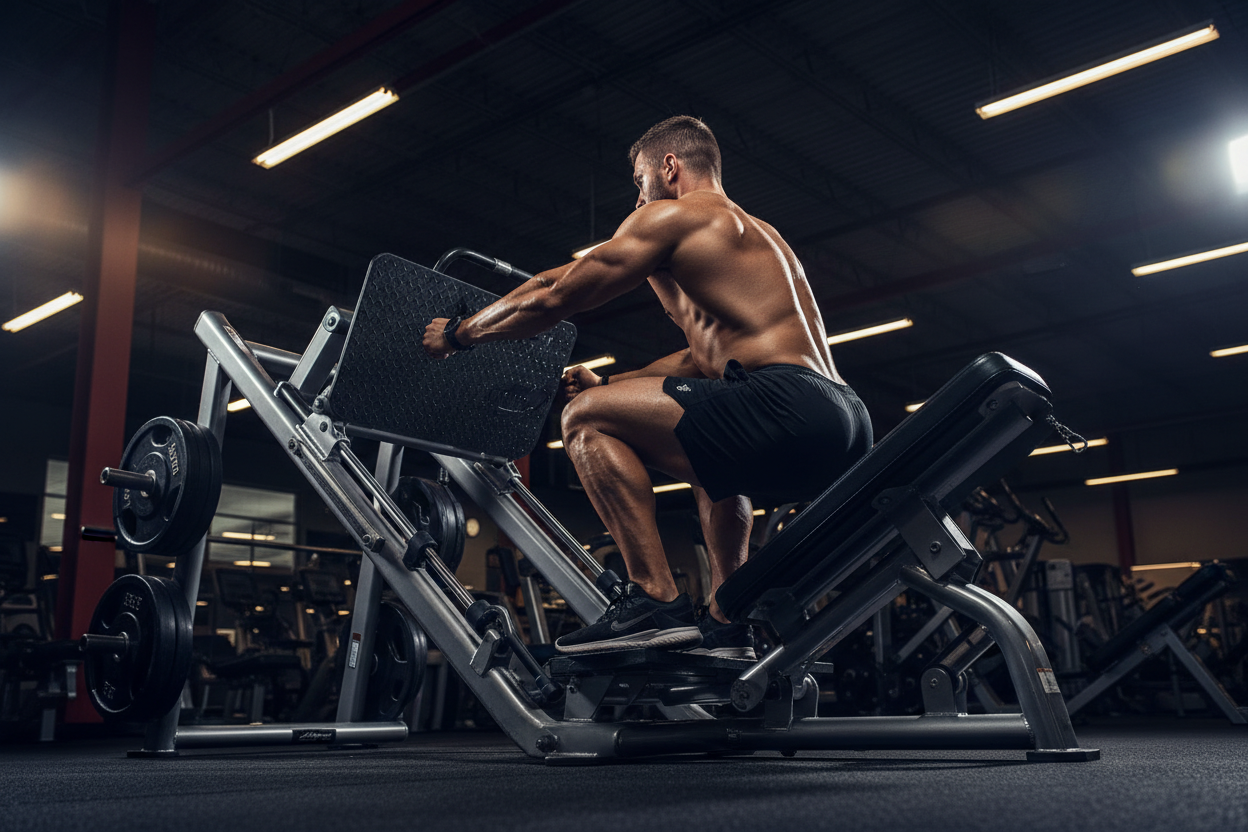
If you look at the different kinds of exercise equipment in a commercial gym, selectorized machines (the ones with the pin stacks) take up the most space. These types of exercise machines are engineered with a fixed range of motion.
These are excellent for hypertrophy (muscle growth) because they allow you to take a muscle to absolute failure without the risk of dropping a weight on yourself. If you are rehabbing an injury, this type of fitness equipment allows you to load a muscle without stressing the joint in unstable positions.
3. Cardio Machines: Engine Building
Cardiovascular gear is the most common type of exercise equipment found in homes. However, not all cardio machines deliver the same stimulus.
- Treadmills: High impact, best for bone density and calorie burn.
- Ellipticals: Low impact, saves the knees but burns slightly fewer calories per hour.
- Rowers: Full-body conditioning that taxes the posterior chain (back and hamstrings) while spiking the heart rate.
Choosing the Right Type of Workout Equipment for Your Goals
Your goal dictates the gear. If your primary objective is explosive power for sports, sitting on a leg extension machine won't help much. You need different types of exercise equipment that allow for velocity, like medicine balls or bumper plates.
Conversely, if your goal is pure aesthetics (bodybuilding), you need a mix. You might use free weights for heavy compound lifts to build a base, followed by cables and machines to carve out specific details in the muscle.
My Training Log: Real Talk
I want to share a specific realization I had regarding the quality of gear. Years ago, I bought a cheap "all-in-one" home gym system off a late-night infomercial to save money on a gym membership. It was a disaster.
The main issue wasn't the weight; it was the friction. On a high-quality cable machine at a commercial gym, the resistance is smooth during both the concentric (lifting) and eccentric (lowering) phases. On my cheap home setup, the pulley would "catch" or stutter halfway down. That tiny jerk in the movement killed my mind-muscle connection. Instead of focusing on my lats contracting, I was bracing for the wobble. It taught me that the feel of the equipment matters just as much as the weight on the stack. If the gear feels janky, you won't push as hard. Period.
Conclusion
Don't get distracted by the flashiest new gadgets. The best equipment used for exercise is the equipment you actually use with progressive overload. Start with the basics—master the free weights and learn how to operate the machines correctly. Once you understand the mechanics, you can build a physique with almost any tool available.
Frequently Asked Questions
What is the best equipment used for exercise at home?
For most homes, a pair of adjustable dumbbells and a sturdy bench offer the best versatility. They take up minimal space but allow you to perform hundreds of different exercises covering every body part.
Are machines or free weights better for beginners?
Machines are generally safer for beginners because they guide your movement path, reducing the risk of injury. However, beginners should slowly introduce free weights to build essential stabilizer muscles and coordination.
What are the different types of fitness equipment for weight loss?
While cardio machines like treadmills directly burn calories during use, strength training equipment (weights) builds muscle. Since muscle tissue burns more calories at rest than fat tissue, a combination of both is superior for long-term weight loss.