Effective Alternative Chest Exercises for a Stronger Upper Body
When most people think about chest training, the bench press is often the first exercise that comes to mind. However, there are many situations where standard chest moves aren't ideal — maybe due to injury, lack of equipment, or simply the need to break through a plateau. In these cases, alternative chest exercises can offer equally effective results while adding variety to your workouts.
Why Consider Alternative Chest Workouts?
Your chest muscles — primarily the pectoralis major and minor — play a vital role in upper body strength and pushing movements. But sticking to the same traditional lifts can cause overuse issues, limit progress, and even lead to boredom. Exploring different exercises spreads the workload across supportive muscle groups, enhances functional strength, and keeps you motivated.
Bodyweight Alternatives
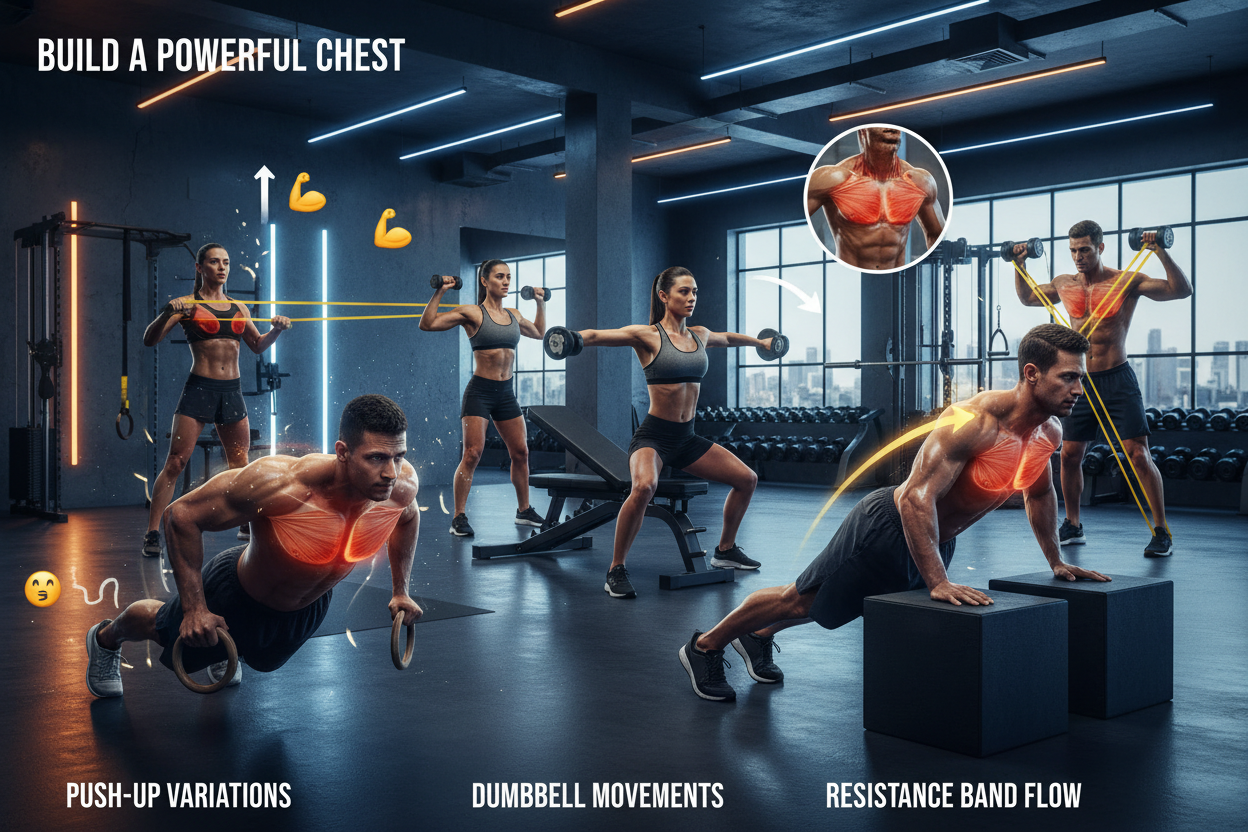
One of the easiest ways to diversify chest training is through bodyweight moves. Push-ups are an obvious starting point, but slight adjustments can change the muscle engagement significantly. For example, wide-grip push-ups emphasize the outer chest, while diamond push-ups place more load on the triceps and inner chest. Incline push-ups, done by placing your hands on an elevated surface, reduce shoulder strain and can be a great rehab option.
Incline and Decline Variations
Adjusting the angle of your body during push-ups or presses shifts the focus of the exercise. Decline push-ups, where the feet are elevated, target the upper chest more aggressively. Incline dumbbell presses, on the other hand, focus on the upper fibers while contributing to proportional muscle development.
Resistance Band Workouts
Resistance bands make chest training accessible anywhere. Band chest presses mimic the bench press movement but are gentler on joints. Crossovers with bands provide constant tension throughout the range of motion, which improves muscle activation and endurance. You can also adjust the resistance by changing band thickness or stepping further away from the anchor point.
Dumbbell and Kettlebell Alternatives
Dumbbell flyes, performed either flat or on an incline bench, stretch and contract the chest through a wide range of motion. Kettlebell floor presses offer a safe and joint-friendly alternative to heavy barbell work, and because kettlebells create a unique center of gravity, they challenge stability and enhance shoulder coordination.
Floor Press Options
The floor press, using either dumbbells or kettlebells, limits the range of motion, which protects the shoulders while still engaging the chest. This is ideal if you want to lift heavier without the strain that comes from deep barbell bench repetitions.
Cable Machine Variations
Cable machines allow smooth resistance through the entire range of motion, making them excellent for chest isolation work. Standing cable presses offer a functional movement approach, activating core stability while targeting the chest. Cable flyes, performed from different heights, can emphasize upper, middle, or lower portions of the muscle.
Plyometric Movements for Power
If explosive strength is your goal, plyometric exercises like clap push-ups or medicine ball chest passes can greatly improve fast-twitch muscle fiber engagement. These moves not only build strength but also enhance performance in sports requiring upper body power.
My Personal Experience with Alternative Chest Training
When I injured my shoulder a few years ago, I had to avoid flat barbell bench presses entirely. That period introduced me to resistance band crossovers and floor presses, which kept my chest strength intact while reducing strain. After a few months, I returned to traditional lifts with better form and balance. The variety also helped me discover muscles that weren't fully engaged before, making my overall training more effective.
Creating Your Alternative Chest Workout Plan
For well-rounded development, combine exercises from different categories — some for power, others for endurance and stability. A sample plan could include incline dumbbell presses, resistance band crossovers, and plyometric push-ups to hit different muscle fibers. Always start with lighter resistance if you're learning new movement patterns, and focus on proper form over heavy loads.
Safety and Progression
Pay attention to signs of discomfort or fatigue in the shoulders and wrists when trying new exercises. Gradually increase resistance or repetitions to challenge your muscles without risking injury. Rest and recovery are just as important for muscle growth, so schedule training days to allow for adequate healing time.
Final Thoughts
Alternative chest exercises aren’t just backup options — they’re a powerful way to improve strength, symmetry, and endurance. Incorporating them regularly ensures you work the chest muscles in new ways, keeping your workouts fresh and your progress consistent. Whether you use bands, dumbbells, bodyweight moves, or functional plyometrics, variety will help you push past plateaus and achieve a stronger upper body.