Pro-Level Chest Workouts Inspired by IFBB Athletes
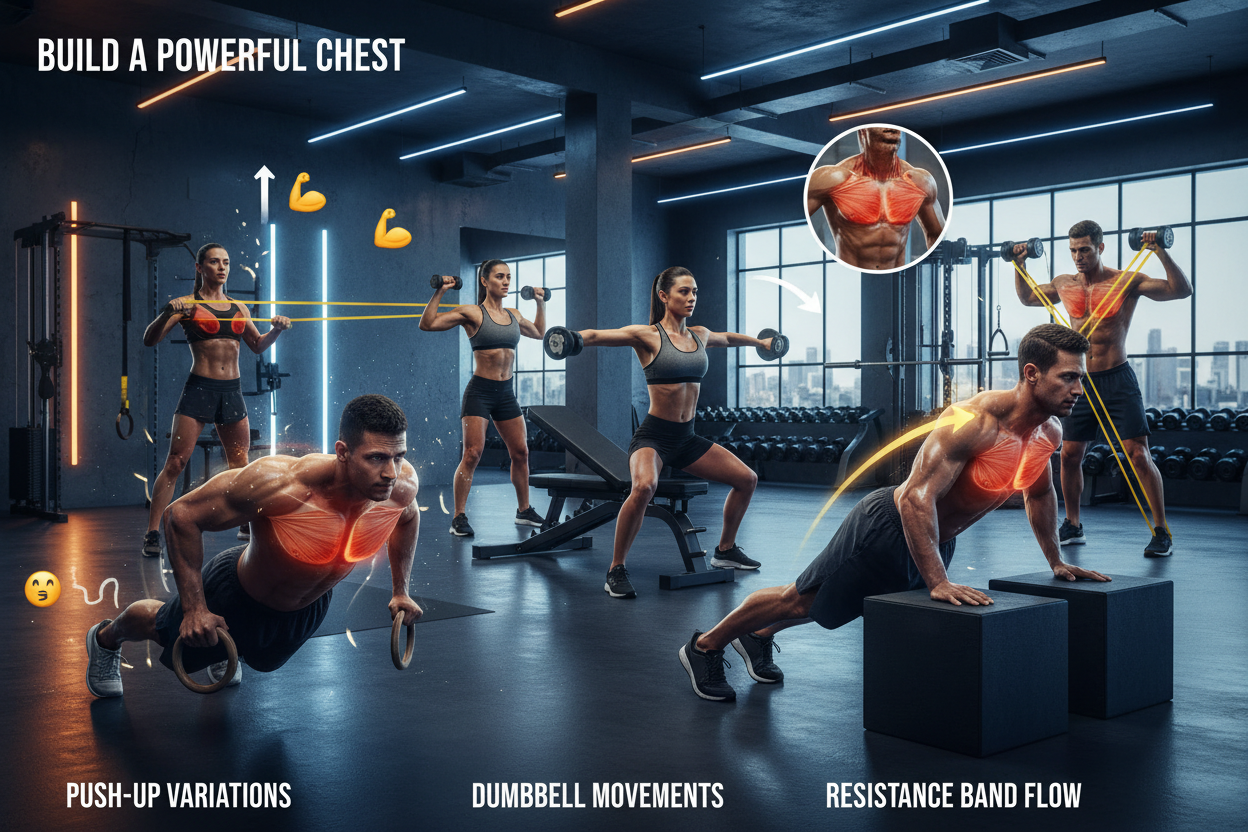
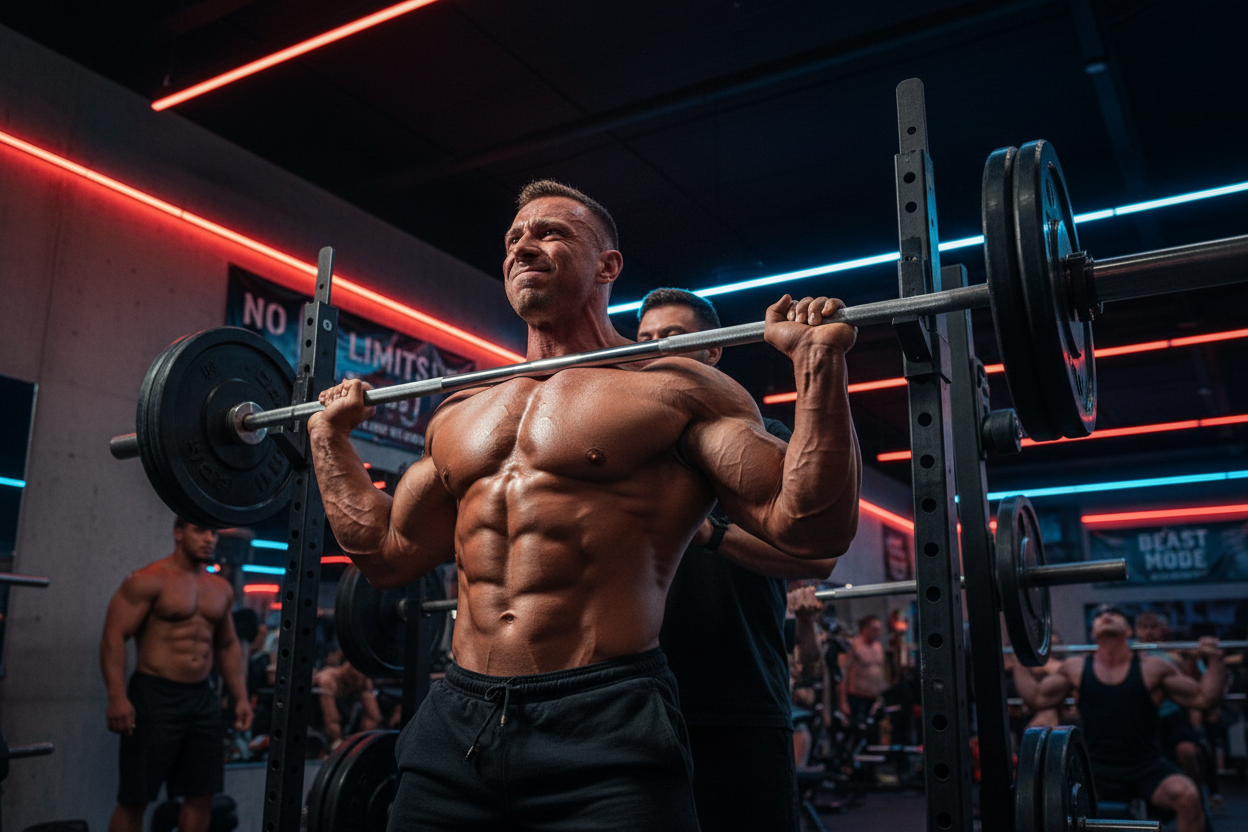
Building a strong, well-defined chest requires more than just occasional bench pressing. IFBB athletes are known for their exceptional physique, and their chest workouts often combine advanced training principles with precise form and intensity. Whether you’re aiming for competitive bodybuilding or simply want to develop a fuller, more powerful chest, understanding and applying these methods can make a real difference in your training results.
Understanding the IFBB Approach to Chest Training
IFBB professionals focus on muscle symmetry, proportion, and conditioning. For the chest, this means targeting all areas — upper, middle, and lower — to create a balanced look. The goal isn’t only to lift heavy weight, but to engage the pectoral muscles through controlled movements, optimal angles, and appropriate rest intervals.
Compound Movements for Mass
Bench press variations, such as flat barbell bench press and incline dumbbell press, form the groundwork for mass building. IFBB athletes often start their sessions with these lifts to maximize strength and recruit multiple muscle fibers. Gradually increasing the load over time contributes to progressive overload, which is essential for growth.
Isolation Exercises for Detail
To refine chest shape and detail, professional chest workouts incorporate isolation moves like cable crossovers, pec deck flyes, or dumbbell flyes. These exercises enable better muscle contraction at the peak of the movement, helping sculpt the chest from different angles.
Structuring a Chest Pro Workout
A typical chest pro workout inspired by IFBB routines might include:
- Flat Barbell Bench Press – 4 sets of 6–10 reps
- Incline Dumbbell Press – 3 sets of 8–12 reps
- Weighted Dips (forward lean for chest focus) – 3 sets of 8–10 reps
- Cable Crossovers – 3 sets of 12–15 reps
- Pec Deck Fly – 3 sets of 12–15 reps
Training Tempo and Technique
The tempo of each repetition plays an important role in activating muscle fibers. IFBB-inspired workouts often recommend a controlled lowering phase (eccentric) to maximize tension, followed by a powerful push (concentric) without compromising form. Avoid bouncing the barbell or overextending shoulder joints to reduce injury risk.
Incorporating Progressive Overload and Recovery
Consistent muscle growth comes from gradually increasing resistance, volume, or intensity. Even for advanced athletes, recovery days are essential to allow the chest muscles to repair and grow. Aim to train the chest 1–2 times per week, and ensure adequate sleep and nutrition to support your progress.
Nutrition to Support Chest Development
A balanced diet rich in lean protein, complex carbohydrates, and healthy fats is necessary for muscle repair and growth. IFBB professionals often adjust macronutrients based on training cycles, prioritizing protein intake to maintain and build muscle mass.
My Personal Experience with Pro-Level Chest Workouts
When I first tried incorporating IFBB-style routines into my training, I noticed a significant improvement in both strength and definition. The key difference was the mindful execution of each rep and sequence. By ensuring proper warm-up, sticking to controlled movements, and respecting rest between sets, I avoided plateaus and steadily improved results. The attention to detail in angles and tempos reshaped the way I approach every chest session.
Final Thoughts
Adopting a pro-level chest workout inspired by IFBB athletes can help you achieve a more balanced, muscular, and aesthetic upper body. The combination of compound and isolation moves, proper tempo, progressive overload, and recovery forms a complete formula for success. Whether you’re aiming for a competitive stage or simply personal bests in strength and physique, applying these principles will elevate your chest training to the next level.