Easiest Way to Gain Muscle Mass: A Simple Guide
Finding the easiest way to gain muscle mass often feels frustrating when fitness media pushes overly complex routines, exotic exercises, and exhausting schedules. In truth, real physical progression comes from mastering a small collection of dependable habits rather than constantly changing your routine. By focusing on fundamental strength training movements, balanced meals, and reliable recovery, you can build muscle naturally without burning out or wasting valuable gym time.
For lifters working out at home, cutting through the noise is especially rewarding. Rather than juggling dozens of isolation exercises or purchasing bulky specialized machinery, prioritizing core multi-joint resistance training movements allows you to build muscle mass steadily. Approaching your workouts with clear principles creates a sustainable routine you can maintain for years.
The Easiest Way to Gain Muscle Mass Naturally
The easiest way to gain muscle mass naturally is to train large muscle groups with basic compound exercises, apply gradual progressive overload, and support your effort with balanced nutrition and sleep. This time-tested foundation stimulates hypertrophy while keeping physical and mental fatigue well within reasonable limits. For anyone wondering how to build muscle naturally, patient consistency with standard lifts regularly outperforms chasing the latest fitness trends.
A simple training plan also keeps you from falling into the trap of excessive workout volume. Natural muscle growth thrives when you challenge your body with meaningful resistance, give targeted tissues adequate time to repair, and return stronger for the next session. Relying on productive sessions of lifting weights three or four times each week leaves your schedule manageable while still driving steady, visible changes.
Focus on Basic Compound Movements to Build Muscle Mass
Selecting compound exercises is central to effective training because these movements engage multiple joints simultaneously. Rather than isolating individual arms or calves with light accessory work, movements that recruit several muscle groups generate greater total tension across the body.
- Squats and Hinges: Movements like barbell back squats, Romanian deadlifts, and dumbbell squats target the quadriceps, hamstrings, and glutes. Practicing deep dumbbell squats creates significant leg drive while keeping your home gym setup uncluttered. For a closer look at lower-body programming, check out this squatting guide to grow muscle mass.
- Upper-Body Presses: Classic lifts like the flat bench press, dumbbell press, and overhead press develop the chest, shoulders, and triceps together. Practicing the bench press with clean shoulder positioning provides ample chest stimulation without joint irritation. Adding the standing overhead press builds vertical pressing strength alongside core stability.
- Upper-Body Pulls: Exercises like pull-ups, chin-ups, and barbell rows strengthen the lats, upper back, and biceps. Heavy barbell rows develop dense back musculature, which also provides a firm shelf to support the torso during demanding lower-body lifts.
By keeping these core movements at the center of your routine, you stimulate overall development without spending endless hours rotating through different exercise stations.
Progressive Overload and Muscular Tension for Hypertrophy
Another essential pillar of long-term development is progressive overload. Without gradually demanding slightly more effort from your muscles, muscle growth naturally stalls. However, progression does not mean adding heavy weight so quickly that your lifting form breaks down.
Sensible progressive overload involves small, manageable improvements over time. Trainees can add an extra repetition to a working set, slow down the eccentric lowering phase, or increase the weight incrementally when all reps feel clean. Lifting weights with controlled cadence creates the mechanical tension necessary for hypertrophy without placing unnecessary strain on connective joints. Rushing through repetitions with jerky momentum shifts work away from the target muscles and onto passive structures.
To build muscle mass effectively, aim to keep your working sets within a moderate repetition range where the last two repetitions feel demanding yet remain technically sound. Trainees often benefit from reviewing this way build muscle guide to avoid copying extreme bodybuilder splits that are difficult to recover from.
Does floor stability matter when lifting for muscle growth?
Yes, floor stability matters when lifting for muscle growth because a secure, slip-resistant surface allows you to transfer force cleanly through the ground without worrying about footing shifts or damaged subflooring. When lifters attempt dumbbell squats or heavy presses on slick tile or soft carpet, balance issues compromise their lifting output.
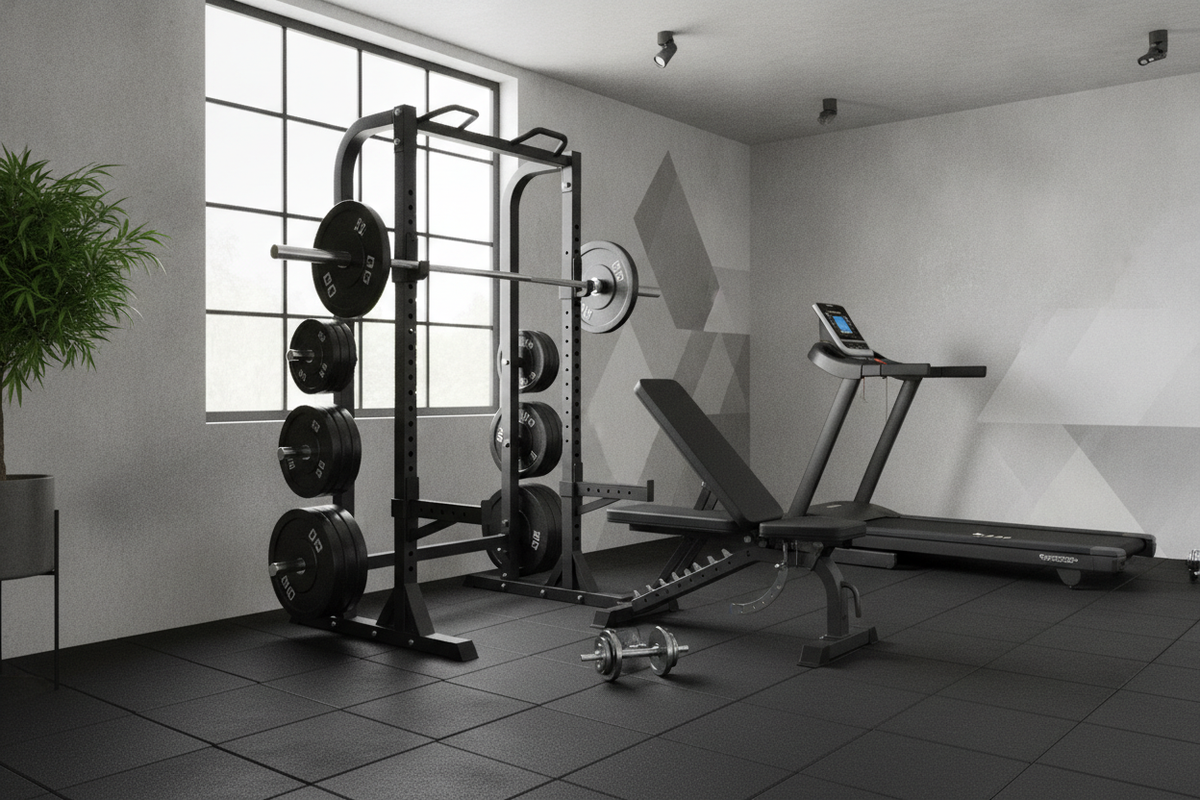
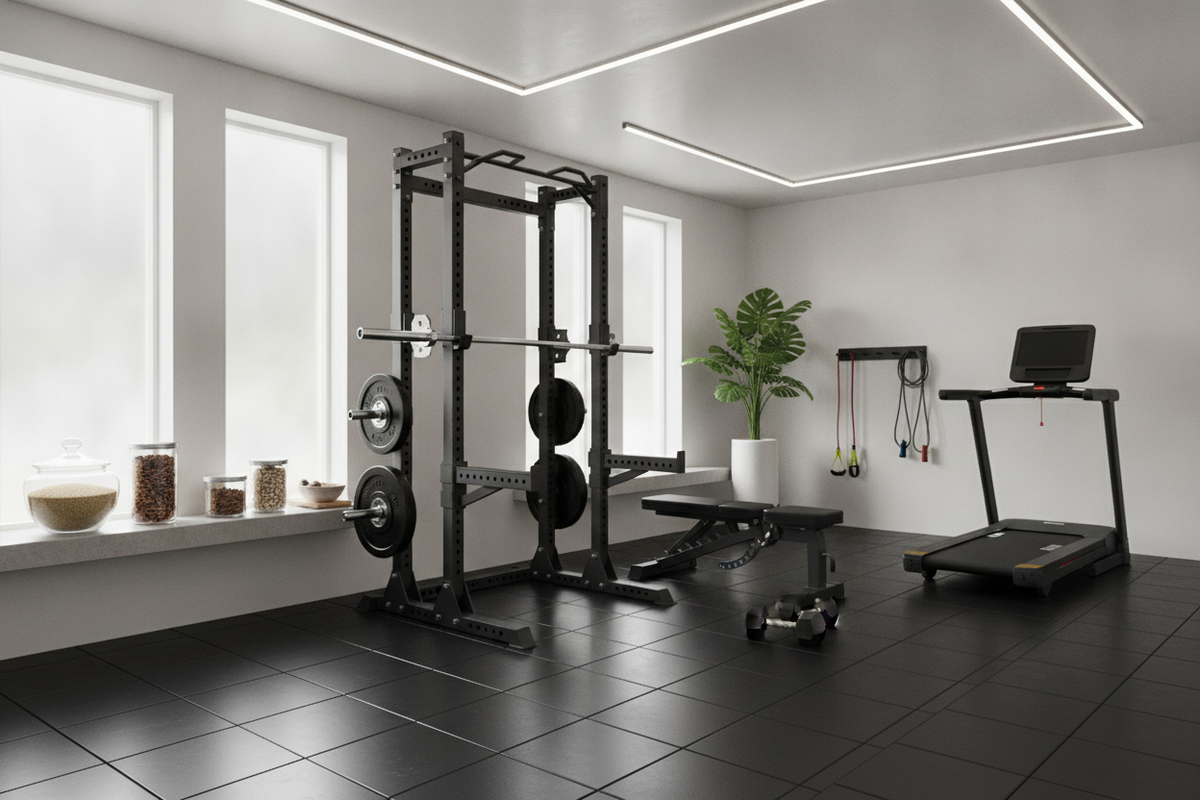
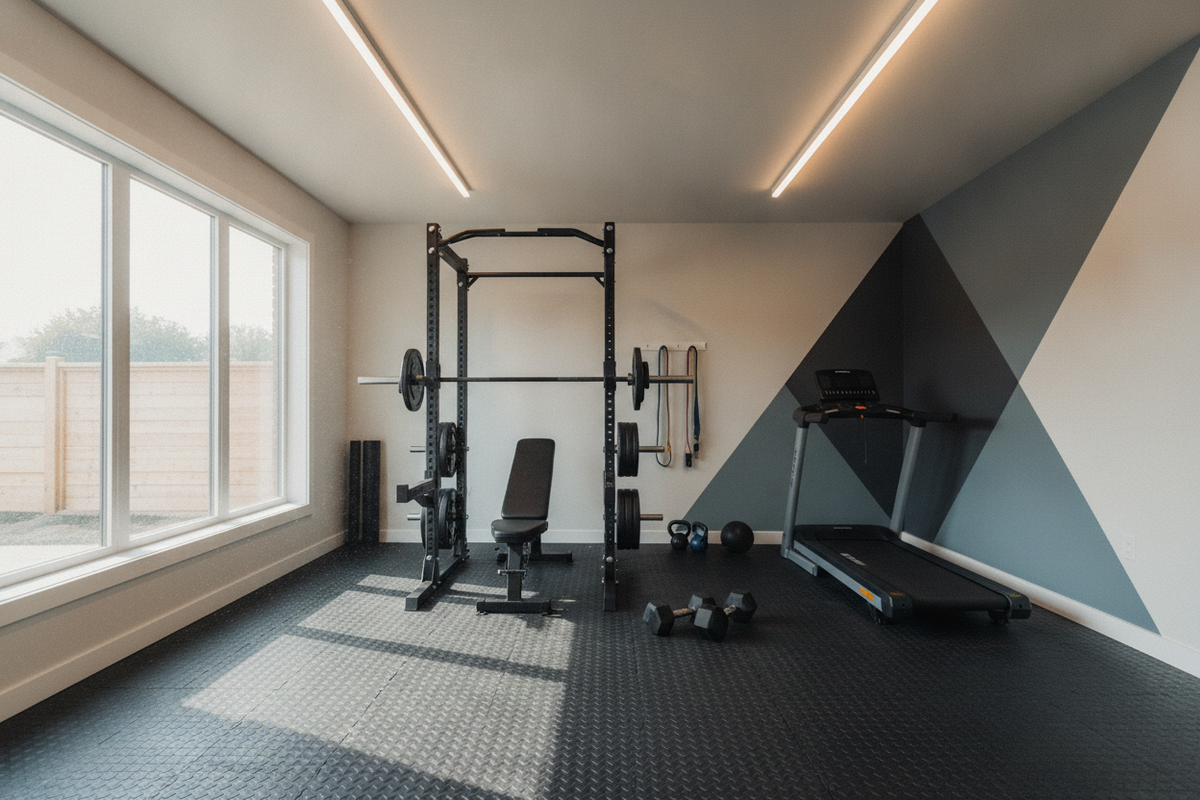
Establishing a dependable home workout space is an important element of long-term training at home. Utilizing dense rubber gym flooring or a large exercise mat anchors your stance, keeping feet firmly planted through every repetition. If you are doing floor presses, lunges, or deadlifts, a quality shock-absorbing mat protects underlying surfaces and cushions equipment descents.
In our experience evaluating workout spaces, a dedicated home gym setup with high-traction flooring removes hesitation during demanding sets. Knowing that your plates and dumbbells will not bounce unpredictably or slide away lets you commit completely to each working set. You can explore how base surfaces affect training in this flooring guide for muscle gains.
Equipping your home workout space with proper rubber gym flooring or a shock-absorbing mat transforms a spare room or garage into a focused lifting area. When you combine stable footing on a large exercise mat with basic resistance training equipment, you create an environment that encourages consistent, high-quality workouts.
How to Eat and Rest to Gain Muscle Mass Steadily
Lifting weights provides the stimulus for change, but nutrition and rest supply the raw materials to grow muscle mass. Supporting your physical training requires straightforward dietary habits rather than complex rules or restrictive meal schedules.
- Sufficient Protein Intake: Adequate daily protein intake delivers amino acids to rebuild muscle fibers broken down during strength training. Distributing protein evenly across your main meals keeps your body supplied with the nutrients needed for continuous repair.
- Moderate Caloric Surplus: Gaining new tissue requires extra energy. A modest caloric surplus provides the fuel needed to build muscle mass while minimizing unnecessary body fat gain. Drastic overeating is rarely helpful; a calm, steady caloric surplus provides plenty of support for tissue repair.
- Dedicated Rest and Recovery: Muscle tissue rebuilds while resting, not while you are actively training. Prioritizing rest and recovery, including consistent nightly sleep, allows working muscle groups to adapt and recover for subsequent sessions.
For more detail on managing downtime between workouts, read this recovery article on sleep and muscle mass. Balancing practical nutrition with genuine rest and recovery ensures the hard work you complete during training translates into visible physical development.
How many days a week should you lift to build muscle naturally?
Lifting three to four days per week is ideal for most lifters seeking to build muscle mass without accumulating excessive systemic fatigue. Training on alternate days provides every muscle group sufficient downtime between demanding lifting sessions.
Using full body workouts three days per week works exceptionally well for beginners and intermediate trainees. With full body workouts, you train the upper body and lower body in the same session, stimulating every major group multiple times across the week. Alternatively, an upper-lower split completed across four weekly sessions allows for dedicated upper and lower body resistance training days while still providing three full rest days.
This frequency preserves workout consistency across months and years. When trainees commit to demanding six-day routines, workout consistency often breaks down due to busy work schedules, family commitments, or joint soreness. Sticking to a balanced three-day or four-day routine allows you to execute your sessions reliably week after week.
Long-Term Muscle Growth and Workout Consistency
Achieving meaningful physical changes does not require complicated routines or expensive machines. When you combine compound exercises, progressive overload, proper protein intake, and a calm caloric surplus, your body responds by building dense, capable tissue.
Setting up your home gym setup with reliable rubber gym flooring or a large exercise mat gives you a dependable base to grow muscle mass with complete confidence. When your home workout space inspires trust and stability, each session becomes focused, safe, and productive.
Stay committed to basic barbell rows, solid bench press technique, controlled dumbbell squats, and steady overhead press routines. If you maintain workout consistency and respect rest and recovery, you will discover that a clear, uncomplicated approach delivers lasting strength and steady physical progress.