Don't Buy an At Home Workout Machine Until You Read This
You have decided to quit the commute and bring the gym to your living room. It is a smart move, but the market is saturated with flashy ads and empty promises. Finding the right at home workout machine is not just about picking the one with the sleekest screen; it is about matching biomechanics to your floor plan.
Many people buy expensive home exercise systems only to use them as glorified clothes hangers three months later. Why? Because they bought into the marketing rather than the utility. This guide cuts through the noise to help you identify the best home workout machine for your specific physiology and space constraints.
Key Takeaways: Choosing Your System
- Define Your Resistance Type: Decide between digital resistance (smart gyms), gravity-based (weight stacks/plates), or friction-based (bikes/rowers). This dictates the feel of the workout.
- Footprint vs. Verticality: Measure your ceiling height, not just floor space. Overhead presses require clearance that many basements lack.
- The "All-in-One" Myth: No single machine does everything perfectly. Prioritize your primary goal (hypertrophy vs. conditioning) over versatility.
- Connectivity Costs: Remember that smart home workout systems often require a monthly subscription to function fully.
Categorizing In Home Exercise Machines
To determine what is the best home fitness machine for you, we need to categorize the hardware. The market generally splits into three distinct lanes.
1. The Smart Mirror / Digital Load Systems
These are the wall-mounted units that use electromagnetism to create resistance. If you are looking for the best in home workout machine for small apartments, this is usually the winner. They offer up to 200 lbs of resistance but take up zero floor space when not in use.
However, the "feel" is different. The eccentric loading (the lowering phase) can feel robotic compared to iron.
2. The Functional Trainer (Cable Systems)
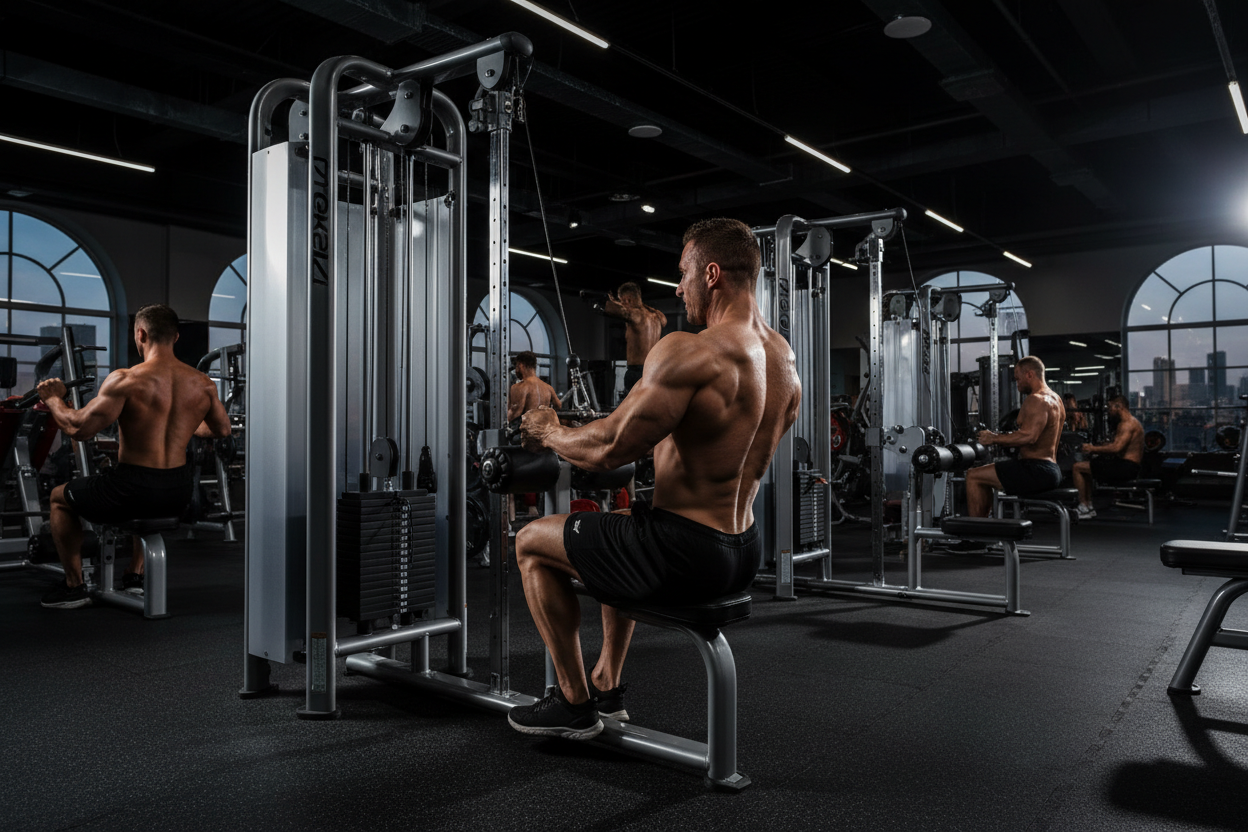
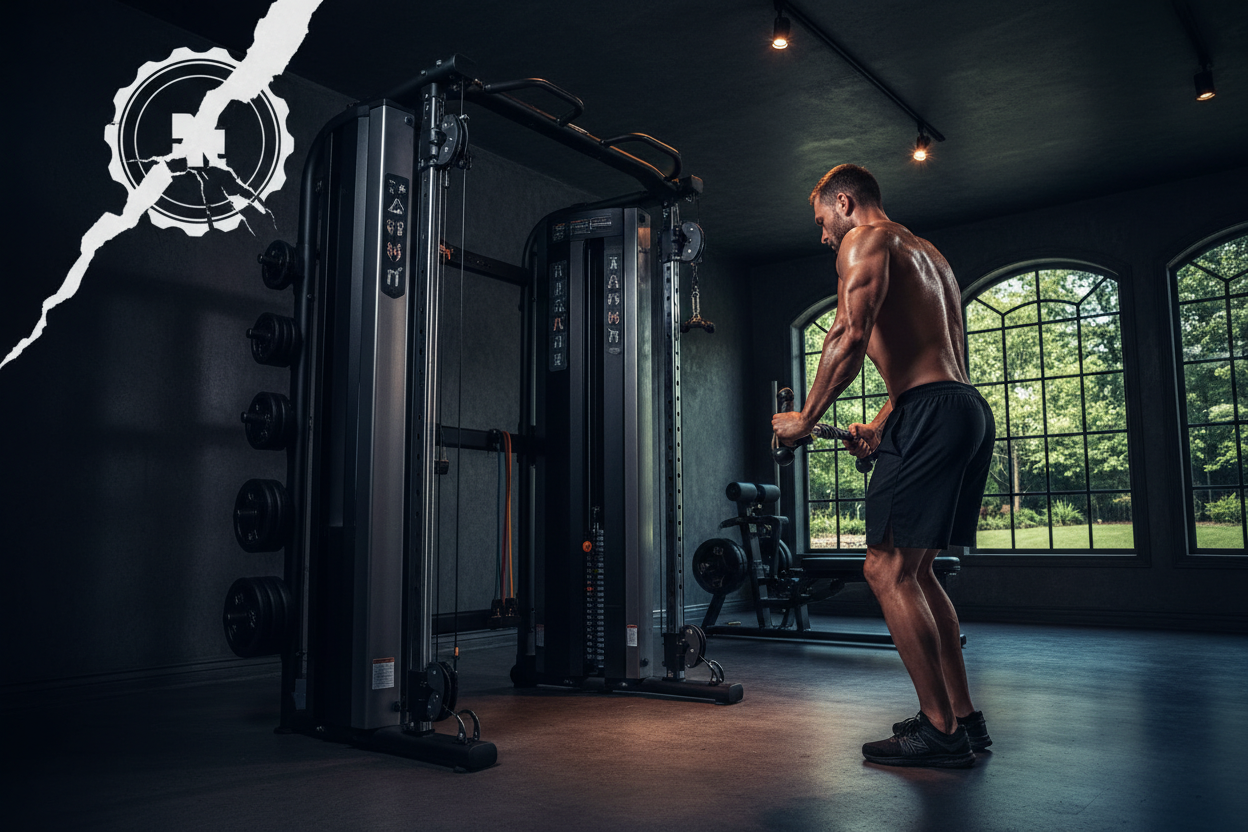
When bodybuilders ask what is the best home workout machine, the answer is almost always a functional trainer. These use weight stacks and pulleys. They allow for a free range of motion, which is critical for joint health and muscle isolation.
If you have a garage or a dedicated room, a strength training home gym based around cables is the gold standard for longevity.
3. The Lever/Rod Systems
Classic examples include Bowflex. These rely on bending rods to create tension. They are safe because you cannot get crushed by a barbell, making them a solid at home weight system for solo training. The downside? The resistance curve is non-linear; it gets harder the further you push, which doesn't always mimic natural lifting mechanics.
What is the Best Home Workout Machine for Muscle Growth?
If your goal is pure hypertrophy (muscle growth), you need progressive overload. The best workout machines for home in this category must allow for micro-loading (adding small increments of weight).
Free weights are king here, but if we are strictly talking about machines, look for a unit that has a 2:1 pulley ratio. This provides smoother travel and allows for high-velocity movements without the weight stack jumping off the track.
My Personal Experience with At Home Workout Machines
I have spent the last five years rotating between a high-end digital wall unit and a rusty, plate-loaded cable tower in my garage. Here is the reality the spec sheets won't tell you.
When I first bought a digital resistance machine, I loved the sleekness. But about six months in, I noticed something specific about the "spotter" mode. When I was struggling at the bottom of a bench press rep, the machine deloaded the weight too quickly. It robbed me of the struggle—that grinding rep where real strength is built.
Conversely, my plate-loaded machine is clunky. I have to keep a can of silicone lubricant nearby because if I don't spray the guide rods every two weeks, the weight stack drags. I can feel the friction vibrating through the handle into my palm. It’s annoying, but that mechanical feedback feels "real." Also, the knurling on the cheap attachments that came with it was so passive it slipped out of my sweaty hands; I had to wrap the handles in athletic tape just to maintain a grip during tricep pushdowns.
The lesson? Digital is convenient, but mechanical requires maintenance and grit. Choose the struggle you are willing to live with.
Conclusion
There is no single answer to "what is the best home workout machine." There is only the machine that fits your room and excites you enough to use it at 6:00 AM on a Tuesday. Whether you choose a high-tech smart gym or a gritty cable tower, consistency will always outperform equipment specs.
Frequently Asked Questions
What is the best in home workout machine for beginners?
For beginners, a selectorized weight stack machine (where you move a pin to change weight) is safest. It reduces the setup time and lowers the risk of injury compared to free weights or complex leverage systems.
Are home exercise systems effective for weight loss?
Yes, but the machine is just a tool for calorie expenditure. Machines that engage the whole body, like rowing machines or dual-action air bikes, generally burn more calories per minute than isolated strength training home gyms.
Is an at home weight system worth the cost?
If you calculate the cost of a gym membership plus travel time and gas, a home system usually pays for itself in 2-3 years. The key is durability; avoid plastic pulleys and nylon cables if you plan on heavy usage.