Does Lifting Weights for Woman Actually Require Different Gear?
I remember walking through a big-box sporting goods store and seeing the 'women's section.' It was a sea of pastel neoprene and plastic-coated weights that topped out at 10 pounds. If you are serious about lifting weights for woman, that aisle is a slap in the face. You aren't training for a photoshoot; you're training for PRs, and that requires gear that actually holds up under tension.
- Most 'women's' gear is just rebranded, low-capacity equipment with a higher price tag.
- The 15kg (25mm) Olympic bar is the only essential female-specific hardware change.
- Grip strength often fails before the legs do; use straps to keep the intensity high.
- Avoid flimsy home cable towers that cap out at 100 lbs of resistance.
The Scam of the Women's Fitness Aisle
There is a persistent 'pink tax' in the home gym industry. Companies take a standard piece of equipment, make it smaller, paint it teal, and charge 20% more. The real problem isn't the color; it's the build quality. I've seen 'female-friendly' squat stands made of thin 14-gauge steel that wobble the second you rack 135 pounds. That isn't just annoying; it's dangerous.
When weight lifting for females becomes a priority, you need to look at the spec sheet, not the marketing copy. If a rack doesn't list its steel gauge (look for 11 or 12-gauge) or its weight capacity (minimum 500 lbs), walk away. You aren't buying furniture; you're buying a life-support system for when you have a heavy bar over your chest. Real iron doesn't care about your gender, but it does care about structural integrity.
Where Female Biomechanics Actually Dictate Equipment Choice
Men and women generally have the same muscle attachment points, but we do differ in hand size and shoulder width. This is where your gear choices should actually pivot. If your hands are on the smaller side, standard 29mm power bars feel like holding a soda can. It makes it nearly impossible to get a secure hook grip or even a standard wrap.
I often recommend Strength Training Accessories like liquid chalk or figure-8 lifting straps for women who strength train. Your posterior chain is likely much stronger than your grip. Don't let a slippery bar or small hands stop you from pulling a heavy triple on deadlifts because your fingers gave out before your glutes did. Using tools to bridge the gap between your grip and your leg strength is just smart training.
Barbell Shaft Diameters: 25mm vs. 29mm
The 15kg Olympic bar is the gold standard for female lifting weights. It has a 25mm shaft diameter compared to the 28.5mm or 29mm of a standard men's bar. Those few millimeters make a massive difference in how much torque you can apply. It’s the difference between feeling 'in control' of the bar and feeling like it's about to roll out of your palms during a heavy set of cleans.
Don't confuse this with 'lightweight' bars. A high-quality 15kg bar should still have a 190,000 PSI tensile strength rating. It’s just as strong as the 20kg version; it’s just designed for a better grip. If you're doing any Olympic movements or high-rep barbell work, the 25mm bar is the one piece of gender-specific gear that actually justifies its existence.
Bench Widths and Shoulder Blade Support
Standard commercial benches are often 12 inches wide. For many women with narrower frames, a 12-inch pad can actually block the natural movement of the scapula during a press. This leads to shoulder impingement and a lack of stability because you can't properly 'set' your upper back. You want a bench that supports the spine but allows the shoulder blades to retract and rotate freely.
The Gxmmat Adjustable Weight Bench is a solid option here. It provides enough density to feel secure under a heavy load but isn't so wide that it forces your shoulders into a compromised position. When you're benching, you want to feel your back 'digging in' to the pad for leverage, not fighting the edges of the vinyl.
Why I Tell Women to Avoid Most Home Cable Towers
I see a lot of women's resistance workout programs centered around light cable work. Consequently, home gym brands sell these 'compact' cable towers that look sleek but are effectively toys. They use plastic pulleys that fray the cables and weight stacks that top out way too early. If you're serious about strength and conditioning for women, you'll outgrow a 100-lb stack in three months of consistent training.
Instead of cheap towers, look toward Weight Lifting Machines that are plate-loaded. Using your existing Olympic plates on a lat pulldown or a functional trainer gives you a much higher ceiling for growth. Plus, plate-loaded gear is usually built with heavier steel because it has to support the physical weight of iron plates hanging off it, making it a much better long-term investment for your garage.
Building Your First Serious Iron Setup
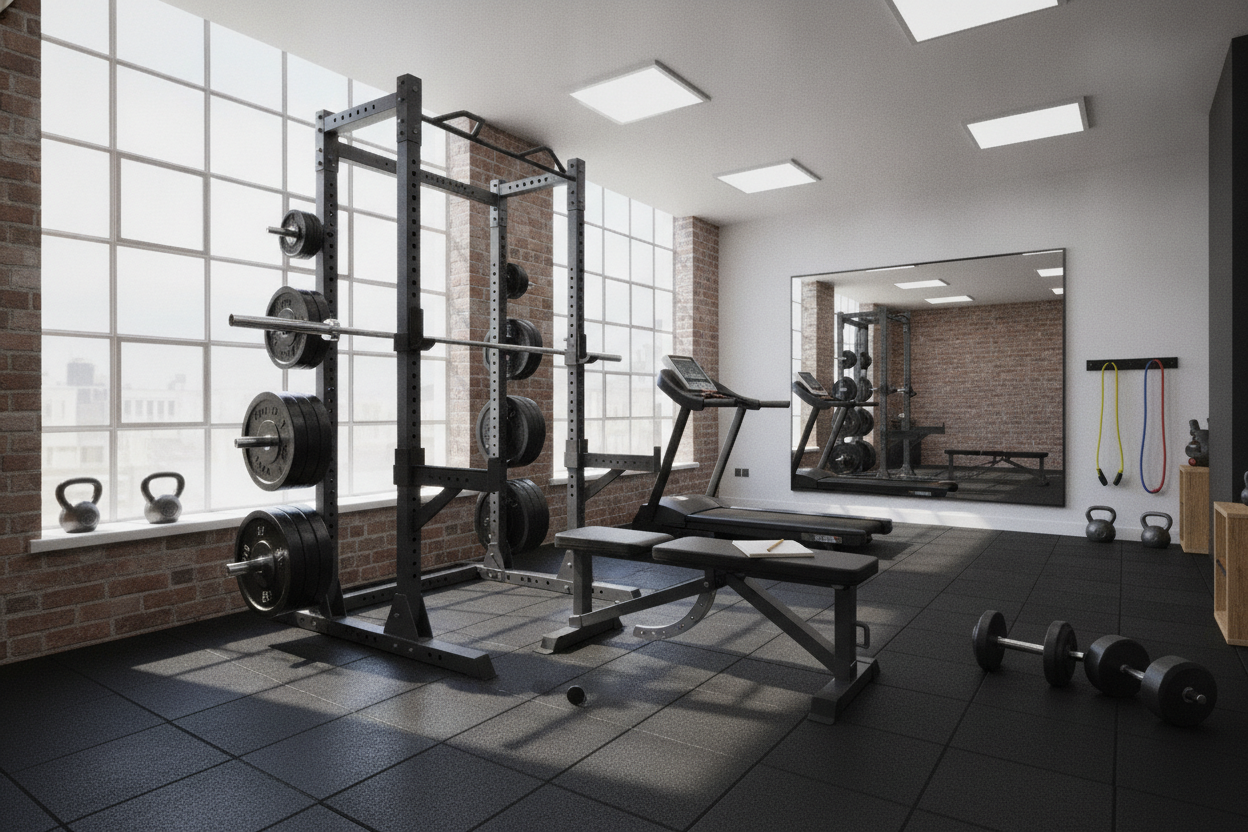
If you're ready to stop playing around and start building real strength, your shopping list should be short and high-quality. Start with a four-post power rack or a sturdy half-rack. You need safety spotter arms. Period. If you're training alone in a garage, those metal arms are your only insurance policy. Don't skimp on the rack to save $100; that's the foundation of everything you do.
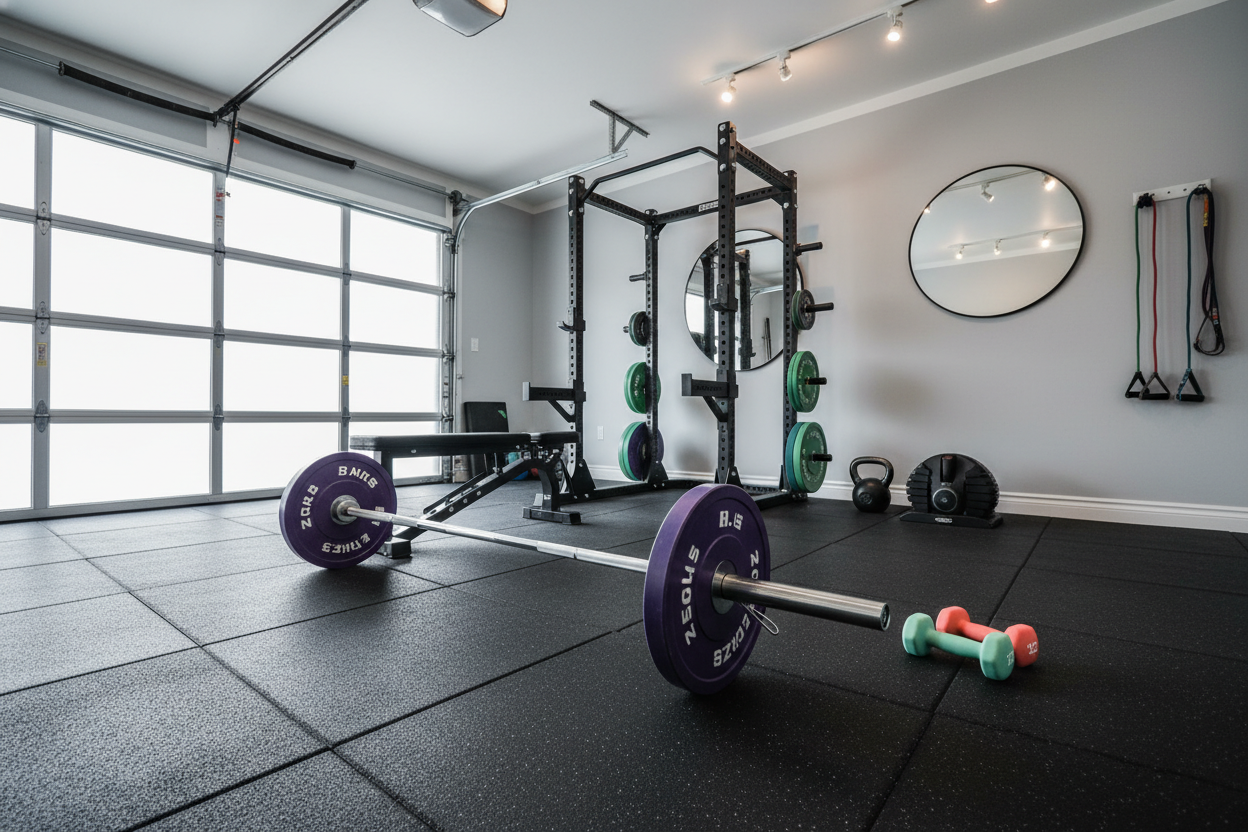
Next, get a 15kg bar and at least 160 lbs of bumper plates. Bumper plates are better for home use because they're quieter and allow you to drop the weight safely if a lift goes wrong. For more details on mapping this out, check out this guide on Choosing The Best Strength And Weight Training Equipment For Your Goals. It breaks down the math of how much weight you actually need to buy on day one so you don't waste money on increments you'll never use.
My biggest mistake when I started was buying a 'beginner' set of iron plates that were slightly smaller than the standard 450mm diameter. It changed the height of the bar off the floor for deadlifts, which messed up my form for months. Buy standard-sized plates from the start. Your shins and your lower back will thank you for the consistency.
FAQ
Do I really need a 15kg bar?
You don't strictly need it, but a 25mm shaft is much easier to grip if you have smaller hands. It allows for better technique and prevents the bar from slipping during heavy pulls.
Will lifting heavy weights make me look bulky?
No. Building significant muscle mass requires a massive caloric surplus and years of specific training. For most women, lifting heavy leads to a stronger, denser, and more athletic physique.
Are bumper plates better than iron plates for a home gym?
Yes. They are much quieter and more versatile. If you ever plan on doing power cleans or overhead presses, bumpers allow you to drop the weight safely without damaging your floor or the bar.