The 'Perfect Routine' Trap Ruining Every Working Out Beginner
I spent three hours last night looking at barbell collars. Three hours. For a piece of plastic that holds weight on a bar. If you are a working out beginner, you are likely doing the exact same thing with your training program—scrolling through Reddit at 2 AM trying to decide if a 'Push-Pull-Legs' split is more 'optimal' than a full-body routine.
The truth? It doesn't matter. You are paralyzed by a choice that has zero impact on your results for the next six months. While you are busy researching the perfect angle for your incline bench, the guy who picked a 'bad' program and stuck to it is already three sets deep into his second month of progress.
Quick Takeaways
- Pick any program that lasts at least 6 weeks and do not change a single rep.
- Optimization is for people who can already squat 1.5x their body weight.
- Consistency with a C-grade plan beats a 3-week stint with an A+ plan.
- The only metric that matters right now is showing up when you feel like staying on the couch.
The Paralysis of the Perfect Plan
The modern fitness scene is a mess of conflicting 'optimal' advice. One influencer tells you that squats are the king of all movements, while the next one says they'll ruin your spine and you should only use a hack squat machine. For a novice, this is a death sentence for progress. You end up in a state of analysis paralysis where you spend more time watching YouTube tutorials than actually holding a dumbbell.
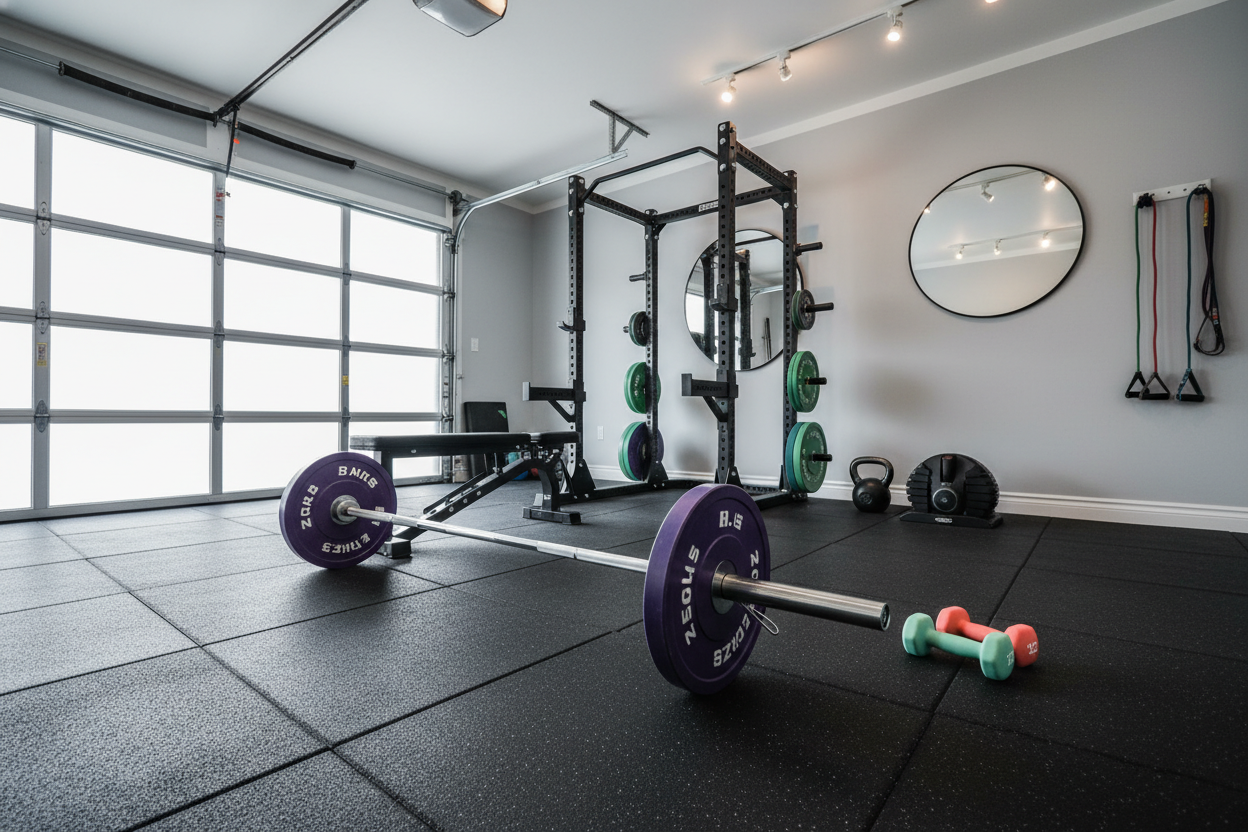
I see it every day in my garage gym. People buy a power rack, a 300-lb weight set, and a high-end bench, then spend three weeks 'testing' different splits. They never actually train. They just sample. They are looking for a shortcut in the form of a spreadsheet, but the only shortcut is doing the work.
Why 'Good Enough' Beats 'Optimal' Every Time
Science is great, but your body doesn't care about the latest peer-reviewed study on hypertrophy if you only hit the gym twice a week. A 'scientifically perfect' program usually requires a level of intensity and recovery that most novices haven't built yet. It is like trying to drive a Formula 1 car when you just got your learner's permit—you're going to crash.
Consistency is the only variable that scales. If you follow a mediocre program with 90% consistency, you will see 100x the results of someone following a 'perfect' program with 40% consistency. Stop trying to find the magic bullet and start firing the gun you actually have.
The Myth of the Magic Body Part Split
Novices obsess over whether they should train their chest on Mondays or do a full-body circuit. At this stage, your muscles just need mechanical tension. They don't need a specific 'day' named after them. You shouldn't be worrying about hyper-specific working out shoulders the definitive guide for mass until you have mastered basic pushing mechanics and can move a decent amount of weight without shaking like a leaf.
How to Turn Your Brain Off and Just Lift
The best thing you can do is 'outsource your thinking.' Pick a program that looks boring. If it has more than five exercises per session, it's probably too complicated. Once you pick it, sign a mental contract that you will not change a single set, rep, or exercise for the next six weeks. Even if you see a cool new move on Instagram, ignore it.
Treat your workout like a prescription. You don't negotiate with your doctor about the color of the pill; you just take it. Apply that same logic to your lifting. Your brain is your worst enemy in the gym right now because it wants to find an easier way out.
Pick One Dumb, Simple Metric to Track
Forget heart rate zones, RPE, or tempo. Pick one metric: progressive overload. Every time you walk into the gym, do one of three things: add five pounds to the bar, do one more rep than last time, or shave thirty seconds off your rest period. If you did 10 reps at 100 lbs last week, and you do 11 reps at 100 lbs this week, you won out. That is the only data point that matters.
Your 'Ugly but Effective' Starting Blueprint
Here is a template that isn't fancy, doesn't require a $5,000 rack, and works every single time. Perform this three days a week with a rest day in between. Focus on moving the weight with control and hitting your depth on the lower body movements.
- Squat or Goblet Squat: 3 sets of 8-10 reps.
- Push-ups or Bench Press: 3 sets of 8-10 reps.
- Rows (Dumbbell or Barbell): 3 sets of 10-12 reps.
- Overhead Press: 3 sets of 8-10 reps.
- Plank: 3 sets for as long as possible.
When you get to the leg portion, make sure you stop working out quads like this read this first to avoid the common ego-lifting mistakes that lead to knee pain. Keep the movements simple and the intensity high. If you finish and you aren't sweating, you didn't work hard enough.
Personal Experience: My 5x5 Failure
When I started, I thought I was smarter than the basics. I tried to run a high-volume bodybuilding split I found in a magazine. It had 8 different types of bicep curls and required two hours in the gym. I lasted exactly two weeks before my joints hurt and I quit for a month. I finally swallowed my pride and did a dead-simple 5x5 program. I felt like I wasn't doing 'enough' because I was out of the gym in 45 minutes, but that's when my strength actually exploded. The lesson? More isn't better; better is better.
FAQ
Do I need supplements to start?
No. Most supplements are expensive flavored water. Focus on eating enough protein and getting eight hours of sleep. If you aren't doing those two things, a $60 pre-workout won't save you.
What if I miss a day?
Don't double up the next day. Just pick up where you left off. One missed session won't ruin you, but the stress of trying to 'make it up' usually leads to burnout.
Can I do cardio on my off days?
Sure, but keep it light. A 30-minute walk is great. If you're running a marathon on your 'rest' days, you won't have the energy to lift heavy, which is what actually builds the physique you're after.