Do I Have to Eat Healthy to Gain Muscle? The Real Facts
When starting a strength routine, lifters frequently ask: do i have to eat healthy to gain muscle? In the simplest terms, muscle tissue requires adequate energy, sufficient protein intake, and consistent resistance training to rebuild stronger after hard sessions. Technically, your body can synthesize new muscle fibers even if some of your calories come from processed fare. However, wondering whether clean eating is strictly mandatory overlooks how overall dietary quality shapes your energy, digestion, joint comfort, and long-term stamina.
Do I Have to Eat Healthy to Gain Muscle or Can I Dirty Bulk?
No, you do not need an immaculate diet to increase your muscular size, but relying on low-nutrient junk food creates significant physical drawbacks. When lifters consider skipping wholesome meals, they often turn toward dirty bulking—eating whatever fast food or sugary snacks are within reach to hit a calorie surplus. While raw caloric energy and basic amino acids can stimulate muscle growth, relying on low-grade fuel often leaves you feeling lethargic during training and encourages substantial fat accumulation rather than lean muscle mass.
Does diet matter when building muscle? It certainly does, because food provides more than simple calories. Wholesome nutrition delivers the micronutrients, minerals, and sustained energy pathways necessary for cellular repair and hormone production. While hitting your daily protein target is essential, the source of those nutrients determines how well your body manages systemic inflammation and physical fatigue between challenging sessions.
The Difference Between Gaining Weight and Building Muscle
Stepping onto a bathroom scale and watching the number climb is relatively simple, but adding dense, functional muscle tissue is a far more deliberate process. When evaluating nutritional approaches, it helps to distinguish rapid weight gain from true hypertrophy. An excessive calorie surplus packed with greasy takeout can push the scale upward quickly, but a large portion of that surplus will simply be stored as adipose tissue rather than functional lean muscle.
This is where mindful clean eating proves its value. Prioritizing whole foods ensures your body receives steady micronutrients that support metabolic health. If you are exploring how important diet is when building muscle, look at how macronutrients function across your entire day. High-quality protein intake fuels muscle repair, while complex carbohydrates restock intramuscular glycogen stores. For a closer look at structuring balanced nutrition instead of extreme eating, explore this guide on healthy eating for lean muscle to align your daily meals with your strength targets.
Poor food choices can also cause chronic gastrointestinal bloating and digestive distress. When digestion is compromised, your body struggles to assimilate nutrients efficiently, which saps your energy before you ever step into your workout area. Establishing a reliable dietary rhythm ensures you feel light, focused, and ready for heavy lifting week after week.
How Food Quality Drives Workout Performance and Muscle Growth
What you eat directly influences your workout performance during demanding training days. Consider how your body responds to a greasy, heavily fried meal compared to a balanced plate of lean protein, sweet potatoes, and green vegetables. Highly processed meals often trigger rapid blood sugar spikes followed by sudden energy crashes, leaving you unmotivated when approaching demanding compound lifts.
To move challenging loads during heavy squats and deadlifts, your central nervous system and skeletal muscles require steady glucose delivery and adequate hydration. This is why paying attention to nutrition quality is so central to muscle growth. Wholesome foods support muscular endurance, help manage post-workout soreness, and allow you to sustain higher training volume over time. If you lack physical stamina, your ability to apply progressive overload will quickly stall.
Protein quality also plays a role in supporting lean muscle tissue. While meeting daily protein intake is vital, sourcing amino acids from poultry, lean beef, fish, eggs, dairy, or balanced plant sources provides high bioavailability. Review this practical protein intake guide for growth to understand realistic protein targets that match your physical demands without unnecessary extremes. High-quality fuel translates into sessions where you can train with genuine intensity.
Supporting Heavy Lifting with the Right Gym Flooring Setup
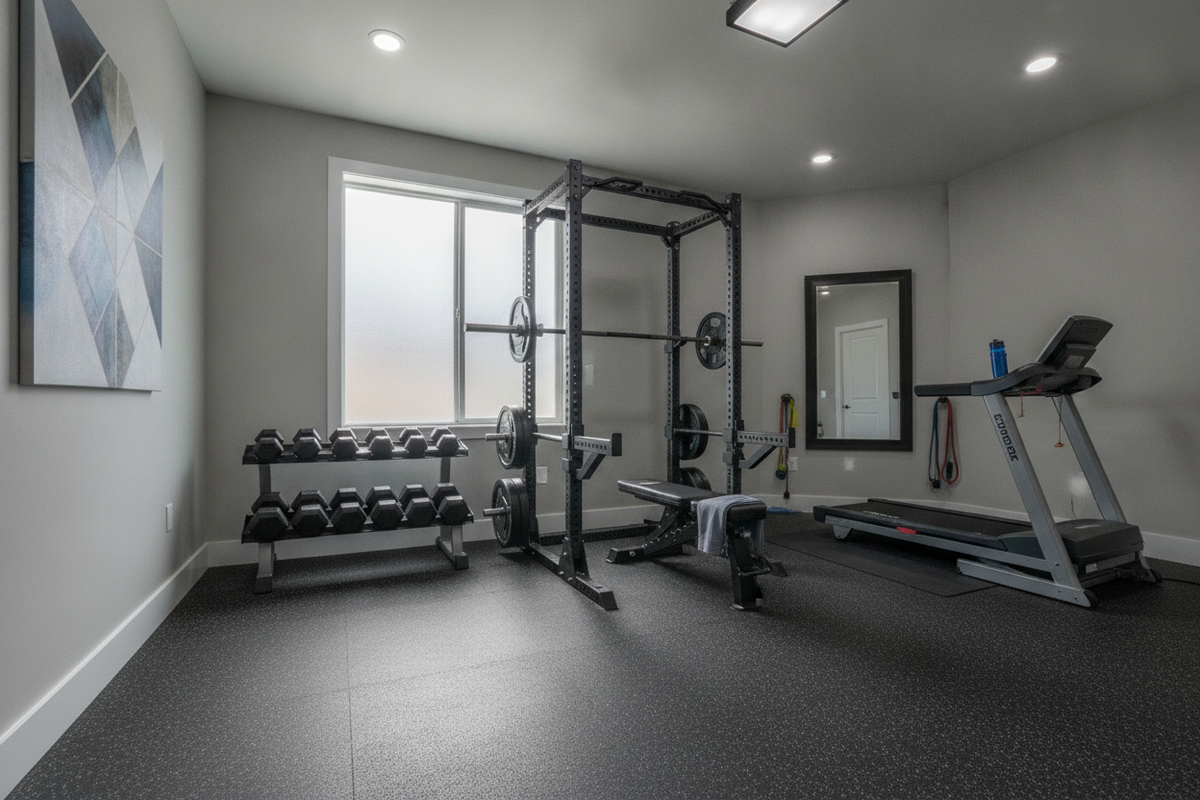
When you establish good nutrition habits, your daily energy increases, enabling you to attack strength training routines with renewed power. Fueling your body correctly leads to heavier weights on the barbell, which naturally places greater demands on your home gym environment. As you progress through challenging squats and deadlifts, having reliable gym flooring becomes essential for joint stability, traction, and subfloor protection.
Lifting heavy dumbbells and barbells on unprotected domestic floors can easily crack concrete or ruin hardwood. High-density rubber flooring and resilient exercise mats absorb the shock of descending weights, limit bounce, and dampen vibrations through the foundation. In addition, quality exercise mats offer a slip-resistant surface, ensuring your feet stay firmly planted when driving through your heels on heavy compound lifts.
Maintaining a dedicated lifting area is just as straightforward as keeping your nutrition consistent. Wipe down rubber flooring periodically with a damp mop and mild soap to clear dust, chalk, and sweat, preserving surface grip for every workout. To see how dedicated training spaces complement sustainable eating habits, consult this training space and meal planning guide. A well-organized, protected lifting floor guarantees that your nutritional energy translates into safe, effective training sessions.
Practical Nutrition Habits for Gaining Muscle Mass
You do not need to follow an extreme or rigid nutritional regimen to succeed. Lifters often worry that they must abandon social dinners or occasional comfort foods entirely. A practical 80/20 guideline provides a sustainable middle ground: obtain roughly eighty percent of your daily calories from wholesome, nutrient-dense foods, leaving the remaining twenty percent open for personal treats and flexibility.
A dependable muscle-building kitchen relies on staple ingredients that make daily preparation simple:
- Lean Protein Sources: Chicken breast, turkey, sirloin, eggs, Greek yogurt, and tofu to consistently satisfy daily repair needs.
- Complex Carbohydrates: Rolled oats, brown rice, potatoes, and whole grains to power intense lifting sessions.
- Beneficial Fats: Avocados, almonds, walnuts, seeds, and olive oil to promote general health and satiety.
- Fresh Produce: Berries, bananas, spinach, and cruciferous vegetables for dietary fiber and essential micronutrients.
If you are establishing your routine and need simple meal ideas, look through this beginner muscle nutrition guide alongside this detailed building muscle diet plan guide. Both resources provide straightforward advice for scheduling meals around your home workouts, helping you develop habits you can sustain for years.
Does Food Quality Affect Workout Strength and Recovery?
Yes, food quality directly influences how quickly your muscular, skeletal, and nervous systems rebound between demanding workouts. Nutrient-poor foods that are excessively high in refined sodium and trans fats can lead to lethargy, fluid retention, and sluggish recovery. Conversely, nutrient-dense meals supply the electrolytes, antioxidants, and amino acids required to rebuild stressed muscle tissue efficiently.
To avoid common mistakes when trying to gain muscle mass, keep these principles in mind:
- Avoid unchecked dirty bulking: Relying on fast food creates excessive sluggishness and unwanted body fat rather than lean muscle.
- Do not fear a modest surplus: A moderate caloric surplus provides the necessary raw material for tissue repair without excessive fat gain.
- Prioritize training energy: Meals should leave you feeling energized and capable, rather than heavy and drowsy.
- Keep your lifting area safe: Ensure your gym flooring remains clean and free of loose equipment to support confident footing.
Ultimately, while you do not need dietary perfection to stimulate muscular adaptation, prioritizing wholesome food quality creates the foundation for higher energy, faster recovery, and sustained lifting progress.