Does a Muscle Growth Diet Really Need 200 Grams of Protein?
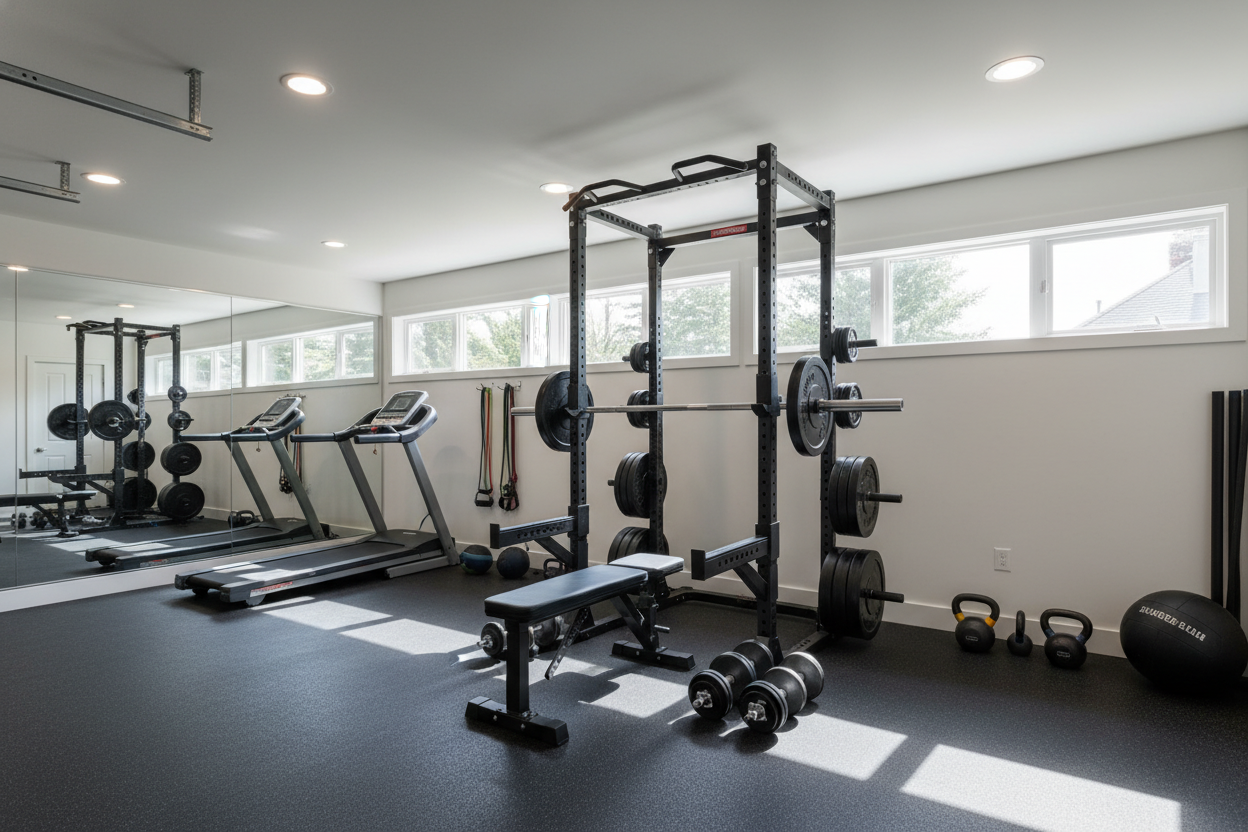
I remember sitting in my garage gym three years ago, staring at a 10-pound bag of whey isolate that cost more than my monthly power bill. I was choking down six shakes a day because some fitness influencer with a lighting kit told me I needed 1.5 grams of protein per pound of body weight. I felt like a bloated balloon, my digestion was a disaster, and my lifts were actually stalling. The reality is that a muscle growth diet doesn't have to be a miserable slog through dry poultry and expensive powders.
Quick Takeaways
- The 1g per pound of bodyweight rule is a marketing ceiling, not a physiological floor.
- Carbohydrates are protein-sparing, meaning they actually help you keep the muscle you have.
- Excessive protein often leads to digestive distress and 'expensive urine.'
- Focusing on a caloric surplus is more important for growth than hitting massive protein numbers.
The Great Protein Hoax of the Supplement Industry
The supplement industry has done a masterclass in convincing us that protein is the only macro that matters. They took the old-school bodybuilding 'one gram per pound' rule and stretched it into 'more is always better.' Why? Because it’s easy to sell a $90 tub of powder if you think you’ll lose your gains without it. For a natural lifter, your body can only synthesize a finite amount of tissue in a 24-hour window. Pushing 250 grams of protein into a system that only needs 140 doesn't make you grow faster; it just makes you a very profitable customer for supplement companies.
I fell for it too. I thought if I wasn't hitting those massive numbers, I was leaving gains on the table. In reality, I was just ignoring the actual fuel my muscles needed to move heavy weight. Natural hypertrophy is a slow, steady process. You can't force-feed your way past your genetic limit for protein synthesis.
What Actually Happens When You Overeat Protein
When you overdo the protein, your body has to deal with the excess nitrogen. This usually leads to two things: a lot of time spent in the bathroom and a significant amount of 'expensive urine.' Worse, protein is highly thermogenic and satiating. If you're constantly full of chicken and shakes, you won't have the appetite for the carbohydrates that actually drive performance. I found that by eating during my lifts—specifically focusing on intra-workout carbs—I had way more energy than I ever did when I was just slamming protein shakes.
High protein intake without enough fiber or water is a recipe for gut issues. If your stomach is constantly in knots, you aren't going to train hard. You need those calories to come from sources that don't leave you feeling sluggish. Shifting the focus from endless protein to energy-dense carbs was the single biggest change that actually moved my scale in the right direction.
The Real Driver of Size: Carbohydrates and Caloric Surplus
If you want a fast muscle building diet, you need to stop fearing rice and potatoes. Carbs are protein-sparing. This means when your body has enough glucose for energy, it doesn't have to break down protein to use as fuel. It lets the protein do its job: repairing tissue. Carbs also drive insulin, which is highly anabolic and helps drive nutrients into the muscle cells. This is especially true when you're trying to gain muscle in legs fast, as heavy squats and lunges absolutely drain your glycogen stores.
In my experience, the 'pump' people chase in the gym is largely a byproduct of glycogen and water being pushed into the muscle. If you're low-carb and high-protein, you'll look flat and feel weak. You need that fuel for the high-volume barbell sessions that actually trigger hypertrophy. A caloric surplus is the requirement; protein is just the brick, but carbs are the construction workers.
Good Diets to Gain Muscle Follow the 0.7 Gram Rule
The science is pretty clear: for the vast majority of people, 0.7 to 0.8 grams of protein per pound of bodyweight is the 'sweet spot.' Good diets to gain muscle don't need to be complicated. Let’s look at the math for a 180lb guy. At 0.7g per pound, that’s only 126 grams of protein. That is incredibly easy to hit with whole foods. We’re talking about two eggs for breakfast, a chicken thigh at lunch, and a steak for dinner. You don't even need a supplement at that point.
When I dropped my protein from 220g down to 150g, my grocery bill dropped by 30% and my strength went up. I used that extra 'calorie room' to add more oats and rice. I felt faster, recovered better, and stopped feeling like I was constantly on the verge of a meat-induced coma. It’s about efficiency, not excess.
Putting It Together: A Day of Eating That Doesn't Suck
A realistic day of eating for growth should feel sustainable. For breakfast, go with three eggs and a giant bowl of oatmeal with fruit. That gives you a solid hit of protein and the slow-burning carbs for the day. Lunch could be 6oz of ground beef with two cups of white rice. It’s easy to digest and calorie-dense. Pre-workout, grab a banana or some cream of rice. This ensures your blood sugar is topped off before you hit the rack.
Dinner is where you can get your variety—salmon, chicken, or lean pork with a large sweet potato. If you’re still short on calories, a bowl of Greek yogurt with honey before bed is a classic for a reason. This setup provides plenty of protein for repair without making your life revolve around a Tupperware container. You're eating for performance, not just to hit a theoretical number on a tracking app.
Personal Experience: My Protein Mistake
I once spent an entire winter bulk eating 1.5lbs of chicken breast every single day. I was miserable. My breath smelled like ammonia, my sweat smelled weird, and I was so bloated I had to buy new gym shorts. I gained 10 pounds, but half of it was water and I felt like garbage. The next year, I cut the chicken in half, doubled my rice and potato intake, and actually set a PR on my deadlift. Don't let the 'bro-science' convince you that you need to suffer to grow. The best diet is the one that fuels your hardest training sessions.
FAQ
Is whey protein necessary for muscle growth?
Not at all. It’s just convenient. If you can hit your protein goals through eggs, meat, and dairy, you never need to touch a powder. I keep a tub around for emergencies, but it's a supplement, not a staple.
Can I build muscle on a low-carb diet?
It is possible, but it is significantly harder. Without carbs, you lack the glycogen needed for high-intensity training and the insulin response that aids in recovery. It's like trying to win a race in a car with half a tank of gas.
How do I know if I'm eating enough?
Watch the scale and your lifts. If your strength is going up and you're gaining about 0.5lbs a week, you're in the sweet spot. If the scale isn't moving, add 200 calories of carbs, not more protein.