Do Complex Exercise Methods Actually Build More Muscle?
I spent last Tuesday night scrolling through social media, watching a guy perform what looked like a bicep curl while balanced on a bosu ball and breathing through a resistance mask. It’s exhausting just watching it. We’ve all been there—wondering if these flashy exercise methods are the secret sauce we’re missing in our own garage gyms. After twenty years of lifting, I can tell you that the more complex a workout looks, the less likely it is to actually put meat on your frame.
- Consistency in movements beats novelty every single week.
- Muscle confusion is a marketing myth designed to sell new programs.
- Basic compound lifts remain the undisputed kings of hypertrophy.
- Tracking your progress is impossible if your routine changes daily.
The Trap of 'Muscle Confusion' and Program Hopping
The fitness industry hates the truth because the truth is boring. If I tell you to squat, bench, and row for the next three years, I can’t sell you a 'New Year, New You' 30-day blitz. They’ve rebranded boredom as a plateau and sold us 'muscle confusion' as the cure. They want you to believe your muscles have a brain and get bored if you don't switch up your fitness techniques every fourteen days.
When you hop from a powerlifting split to a high-intensity functional circuit after only three weeks, you never actually master the movement. You spend all your neural energy just trying to coordinate the exercise instead of actually taxing the muscle fibers. I’ve seen more guys stall out because they can’t stick to a program than I’ve ever seen stall out because their 'muscles got used to the stimulus.'
I Tested 3 Trendy Exercise Methods in My Garage
I’m not just talking trash; I’ve tried the gimmicks. Last year, I spent six weeks focusing on super-slow eccentrics—taking a full eight seconds to lower a weight. I felt like I was working hard, but my strength plummeted because I couldn't move enough load to matter. Then I tried giant sets, jumping between four movements without rest. I didn't get bigger; I just got better at being out of breath.
Daily undulating periodization (DUP) is another one that sounds smart on paper. You change your rep ranges every single session. While it has some merit for advanced athletes, for most of us training in a garage, it just adds a layer of math that makes the workout feel like a chore. I found that sticking to a standard 3x10 or 5x5 yielded better thickness in my back and chest than any of these fancy fitness techniques ever did.
Why Boring Exercise Techniques Actually Work Faster
Progressive overload is the only law that matters. To grow, you have to do more over time—more weight, more reps, or better form. If you are constantly rotating your movements, you have no baseline. You can't tell if you're actually getting stronger or if you just got better at a specific, weird movement pattern. It is vital to avoid blind exercise where you're just sweating for the sake of sweating without a trackable metric.
My best gains always happen when my logbook looks the same for months. I want to see that 225-lb bench press turn into 230 lbs, then 235 lbs. If I swap the bench for a 'landmine chest press with a band' because a TikToker said it 'hits the inner pec,' I’ve lost my ability to measure real growth. Boring is effective. Boring builds a 400-lb deadlift.
How to Strip Away the Gimmicks and Just Lift
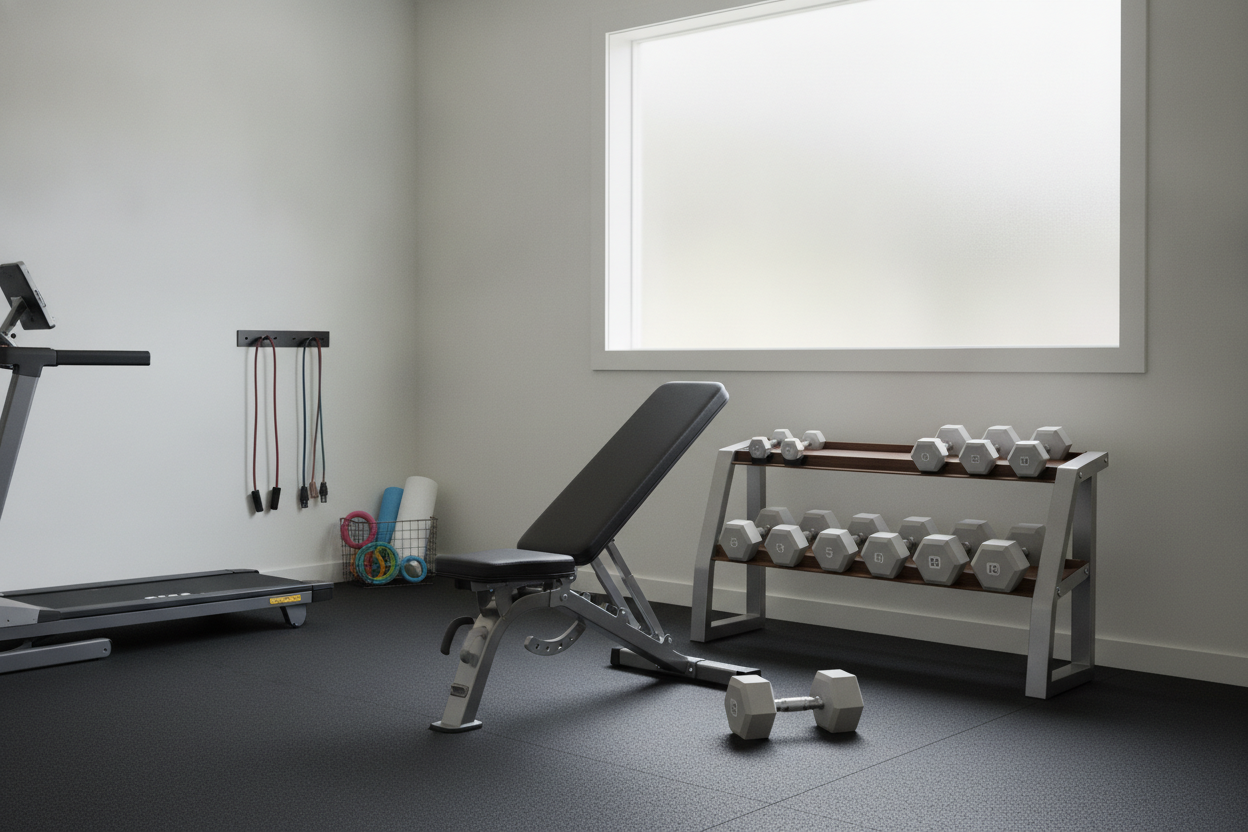
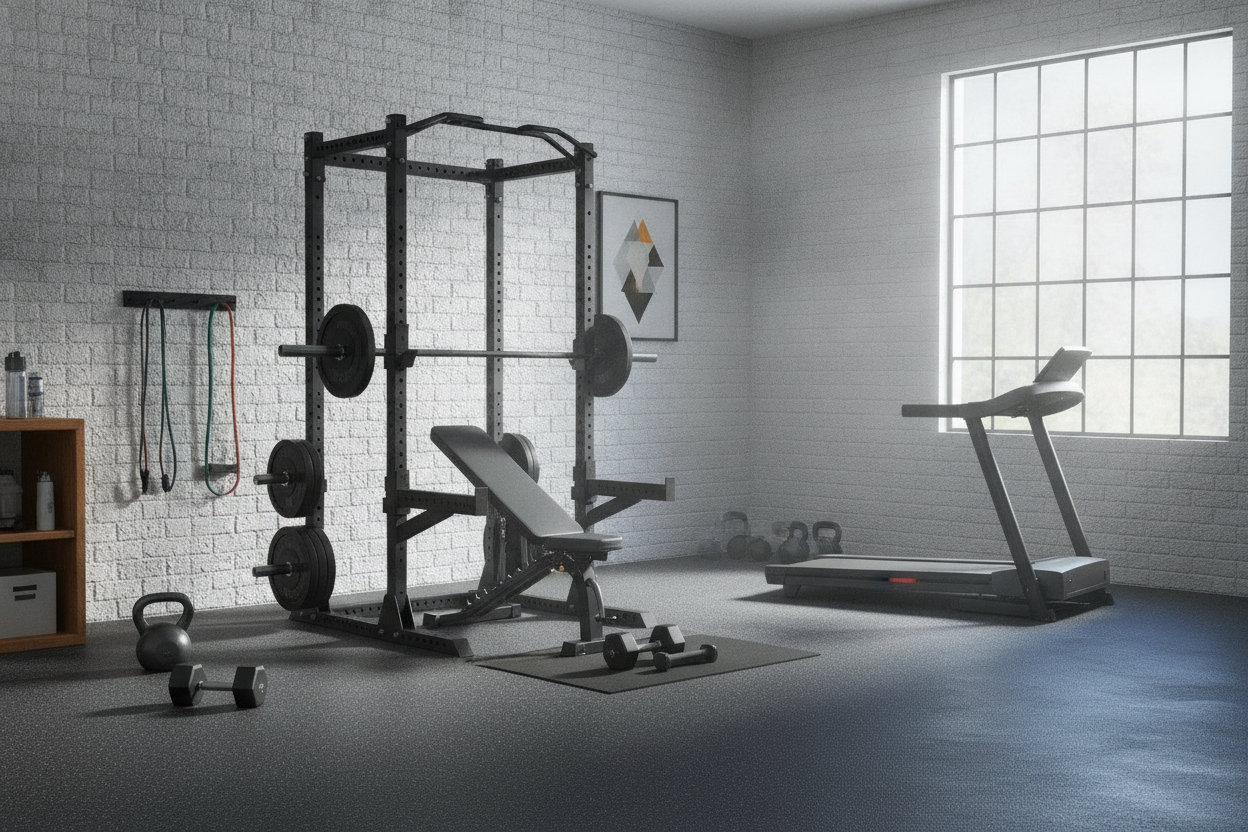
If your gym is cluttered with specialized bars and strange attachments you haven't used in six months, clear them out. You don't need a 52.5-lb adjustable kettlebell that rattles every time you swing it. You need a solid floor and a heavy weight. When I stripped my gym back to the essentials, my focus sharpened. I stopped worrying about the gear and started worrying about the depth of my squats.
All you really need to start is a dedicated space where you can focus on your form without tripping over junk. I recommend laying down a large exercise mat to define your territory. It protects your floor and gives you a stable, non-slip surface for those heavy compound lifts. If you have the room, a 6x8ft exercise mat is the sweet spot for a home setup. It’s enough room to sprawl out for deadlifts or lunges without feeling cramped, allowing you to focus entirely on your execution rather than the equipment.
How often should I change my workout?
Not often. Stick to the same primary lifts for at least 8 to 12 weeks. Only change things up if you’ve truly stalled for three sessions in a row despite eating and sleeping enough.
Are 'finisher' exercises worth it?
Usually, no. If you have energy for a 10-minute 'bicep blaster' at the end, you probably didn't work hard enough on your heavy rows and pull-ups. Focus your energy where it yields the most return.
What is the best way to track progress?
A physical notebook or a simple spreadsheet. Apps are fine, but they often encourage you to look at your phone too much. Write down your sets, reps, and how the weight felt.