Joint Pain? Why Exercises With Light Hand Weights Beat Heavy Barbells
I remember the morning my left shoulder finally said 'enough.' I was trying to unrack 225 for a standard bench session, and a sharp, electric zip ran from my delt to my ear. I spent years thinking that if I wasn't moving three plates, I wasn't growing. I was wrong. I spent the next six months mastering exercises with light hand weights, and honestly, my physique has never looked tighter or more symmetrical.
Dropping the ego didn't shrink my muscles; it fixed my mechanics and allowed me to train without a bottle of ibuprofen on the vanity. If you are tired of waking up with clicking elbows and a lower back that feels like it’s made of dry kindling, it’s time to rethink your load. You don't need to crush your spine to see a change in the mirror.
Quick Takeaways
- Tempo is king: A 3-second eccentric makes 10 lbs feel like 40.
- Isolation over ego: Light weights allow you to hit the target muscle, not just 'move' the load.
- Joint longevity: Your tendons need a break from the sheer force of heavy compounds.
- Efficiency: You can get a massive pump in a 20-minute light resistance workout.
The Day I Finally Dropped the Ego (and the Barbell)
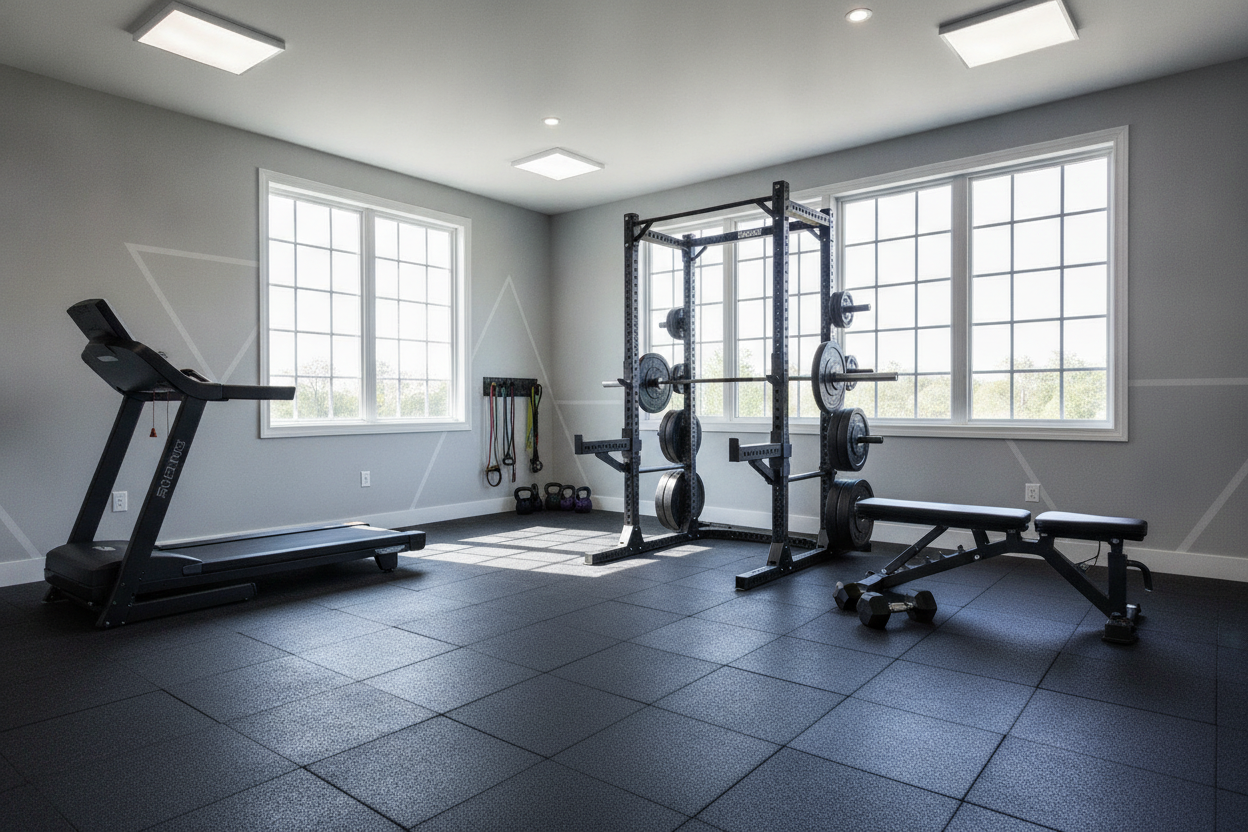
My garage gym used to be a shrine to heavy iron. I had the 45-lb plates stacked high, but my warm-ups were taking 30 minutes just to stop the clicking in my elbows and the dull ache in my lower back. I was that guy who thought anything under a 50-lb dumbbell was a paperweight. I realized I was training for a number on a spreadsheet, not for the mirror or for how I actually felt when I woke up. Every heavy set was a gamble with my rotator cuffs, and eventually, the house won.
Switching to a light weight routine felt like a defeat at first. I felt like a fraud using the 15-lb dumbbells while my neighbors walked by the open garage door. I kept thinking people were judging the lack of plates on the bar. But within three weeks, the chronic inflammation vanished. I wasn't just 'getting through' my sessions; I was actually training again, focusing on every fiber of the muscle. I stopped being a weightlifter and started being a trainee who actually understood how to stimulate growth without systemic destruction.
The Science of Making 15 Pounds Feel Like 50
Muscle doesn't have eyes; it only knows tension. If you take a pair of 12-lb dumbbells and perform a bicep curl with a 4-second descent and a hard squeeze at the top, you generate more mechanical tension in the biceps than a 45-lb cheat curl where your hips are doing half the work. This is the secret to a successful light weight lifting workout. It's about 'effective reps'—the ones where the muscle is under maximum load at its most vulnerable points.
By slowing down the eccentric phase (the lowering part), you create micro-tears in the muscle fibers without the joint-crushing impact of a heavy load. It's about the mind-muscle connection—actually feeling the lats or delts fire instead of using momentum to hurl the weight upward. When you remove the bounce at the bottom of a rep, you realize just how weak your actual muscles are compared to your momentum. You'll find that 15 pounds is plenty when you stop cheating and start controlling. You are essentially trading sheer mass for density and quality of contraction.
4 Brutal Movements for Banged-Up Joints
Not every exercise works well when you drop the weight, but these four are staples in my light resistance workout. First, Tempo Lateral Raises. Keep your pinkies slightly up and take 3 full seconds to lower the weights. No swinging, no shrugging. Your side delts will be screaming by rep twelve because you aren't letting the traps take over the movement.
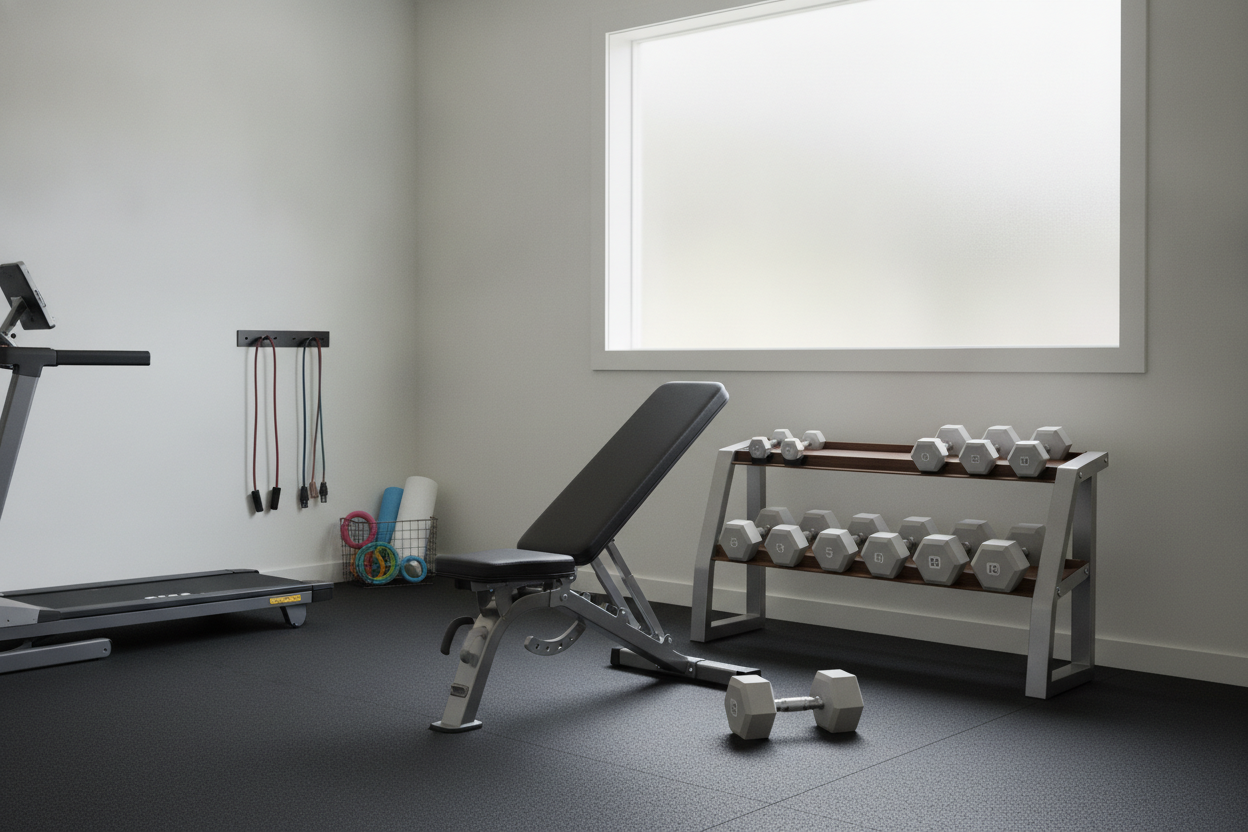
Second, Chest-Supported Rows. Lay face-down on an adjustable weight bench set to a 45-degree incline. This kills the 'body English' and forces your mid-back to do 100% of the work. Without your lower back acting as a spring, even a 20-lb dumbbell feels like a lead brick. Third, Goblet Squats with a Pause. Hold a single light weight at your chest, sink deep, and hold for 2 seconds at the bottom. It turns a light weight into a leg-burning nightmare while keeping your spine perfectly vertical and safe.
Finally, Rear Delt Flyes. High reps (20+) with 5-lb plates will do more for your shoulder health and posture than heavy rows ever could. Focus on the squeeze between your shoulder blades. I used to do these with 35s and felt nothing but neck pain; switching to 5s changed my shoulder profile completely within a month.
How to Program a Legitimate Light Weight Lifting Workout
Forget the 5x5 powerlifting protocol for a minute. When you're running a light weight lifting workout, you're looking for metabolic stress and total volume. I aim for 3 to 4 sets of 15 to 20 reps. The last five reps of every set should be an absolute grind, even if the weight looks 'easy' to an outsider. If you aren't shaking by the end of the set, you aren't working hard enough.
Keep your rest periods tight—45 seconds max. This keeps the heart rate up and ensures the muscle fibers don't fully recover between sets, forcing them to adapt to the constant tension. This isn't the 'cardio with weights' fluff you see on social media where people move weights aimlessly. This is high-intensity hypertrophy. When selecting your movements, stick to the best weight lifting exercises but adapt them for the load. Instead of a heavy overhead press, try a high-rep Arnold press where you never quite lock out the elbows to keep constant tension on the muscle. The goal is a deep, painful pump, not a new PR.
When to Ditch the Dumbbells and Go Back to the Rack
Eventually, the 'zips' and 'clicks' in your joints go away. You’ll feel a certain snap in your step again, and your morning stiffness will vanish. That’s when you can start eyeing the barbell again. But don't go back to your old, sloppy ways. You've spent weeks perfecting your form; don't throw it away for a ego-driven PR that will just land you back on the physical therapy table.
When you return to your power rack weight bench package, bring that light-weight discipline with you. Use the same slow eccentrics and perfect form on your big compounds. I still start every 'heavy' day with two high-rep sets of light movements to grease the grooves and check in with my joints. It's the best insurance policy you can have. I’ve found that by keeping the light-weight accessory work in my routine, I can actually lift heavier on the big lifts because my stabilizers are finally doing their job.
FAQ
Do I need heavy weights to build muscle?
No. Hypertrophy is driven by mechanical tension and metabolic stress. You can achieve both with lighter weights by increasing your rep count and slowing down your lifting tempo. Your muscles respond to the struggle, not the number stamped on the side of the dumbbell.
How light is 'light' for these routines?
Usually, you're looking at 30-50% of what you would normally lift for a set of 8. If you usually bench 200 lbs, doing high-rep dumbbell presses with 30-lb weights using strict tempo will be surprisingly effective for muscle growth.
Will I lose my strength if I stop lifting heavy?
Your 1-rep max might dip slightly because you aren't practicing that specific skill, but your muscle size and endurance will stay or even improve. Plus, you'll be healthy enough to build that strength back quickly once your joints recover. Think of it as a strategic reset for long-term gains.