Dieting for Weight Loss and Muscle Gain at Home
Approaching your fitness goals through dieting for weight loss and muscle gain requires a coordinated strategy that pairs thoughtful food choices with regular physical effort. Many people assume they must pick between cutting calories to shed body fat or eating in excess to pack on size. In reality, a well-structured approach to dieting for weight loss and muscle gain allows active lifters to reshape their physique simultaneously. By understanding how nutrition fuels physical adaptation, you can build a sustainable routine that preserves strength, trims unwanted inches, and supports steady physical progress from your own home.
Understanding Body Recomposition and Calorie Deficit
Transforming your physique without severe restriction is known as body recomposition. When you pursue dieting for weight loss and muscle gain, the primary objective is prompting your body to draw upon stored energy reserves while giving muscle tissues the fuel and stimulus they need to rebuild. Creating a slight calorie deficit encourages the body to utilize fat stores, while consistent resistance training sends a clear physiological signal to retain functional muscle. If you cut energy intake too drastically, your body begins breaking down hard-earned tissue, undermining your progress.
Can You Lose Fat and Gain Muscle at the Same Time?
Yes, you can achieve both goals at once if you establish a modest calorie deficit and challenge your muscles with progressive resistance. When individuals seek out a realistic build muscle lose weight diet, they often wonder whether these adaptations conflict. As explored in our skinny fat recomposition analysis, severe deprivation often causes muscle wasting rather than definition. By committing to dieting for weight loss and muscle gain with balanced macronutrients, you establish the exact physiological conditions needed to lose fat and build muscle over time.
The Role of a High Protein Diet in Protecting Lean Muscle Mass
Maintaining a dedicated high protein diet serves as the anchor for preserving lean muscle mass during any fat reduction phase. Protein supplies the amino acids necessary for tissue maintenance and supports fullness between meals, making a caloric limit much easier to sustain. When committing to dieting for weight loss and muscle gain, consuming quality protein across every meal ensures your body consistently repairs the microscopic muscle damage incurred during training sessions. Incorporating a high protein diet also helps maintain your metabolic rate while you work toward losing weight and gaining muscle.
Foods for Muscle Gain and Weight Loss in a Balanced Routine
Choosing appropriate foods for muscle gain and weight loss is the most practical step in making your daily plan manageable. Rather than relying on rigid meal replacement formulas or extreme elimination tactics, your grocery cart should center on nutrient-dense whole foods. Establishing a dependable dieting for weight loss and muscle gain regimen means learning how different food groups contribute to energy levels, fullness, and cellular recovery.
What Are the Best Foods for Losing Weight and Gaining Muscle?
The best foods prioritize nutrient-dense protein, fiber-rich vegetables, and clean energy sources that keep you satisfied without excess calories. A reliable build muscle lose weight diet incorporates unprocessed ingredients that offer sustained fuel. When organizing foods for muscle gain and weight loss, prioritize items that digest smoothly and deliver stable energy so you can perform challenging workouts while keeping total caloric intake under control.
Lean Protein Sources and Everyday Nutrients
Stocking your kitchen with versatile lean protein sources ensures you never have to guess what to prepare after a workout. Excellent staples include chicken breast, turkey, egg whites, white fish, wild salmon, extra-firm tofu, lentils, and non-fat Greek yogurt. For a deeper breakdown of protein-focused meal construction, browse our protein nutrition overview. Integrating these items into your dieting for weight loss and muscle gain routine provides the building blocks for muscle recovery without unnecessary calories, helping you protect lean muscle mass while working to lose fat and build muscle.
Complex Carbohydrates and Healthy Fats for Sustained Energy
Carbohydrates are not the enemy when you are losing weight and gaining muscle. In fact, complex carbohydrates such as rolled oats, brown rice, quinoa, and sweet potatoes replenish the glycogen reserves in your muscle cells. This stored fuel powers your lifts during strength training. Complementing these starches with moderate portions of healthy fats—like avocado, olive oil, almonds, and pumpkin seeds—supports general wellbeing and promotes dietary satiety. Balancing complex carbohydrates alongside lean protein sources creates a sustainable framework for dieting for weight loss and muscle gain.
Meal Timing, Pre-Workout Fueling, and Post-Workout Nutrition
While total daily energy balance dictates changes on the scale, thoughtful meal timing helps you maximize performance during your workouts. Proper dieting for weight loss and muscle gain involves structuring meals to ensure you feel energized during hard sets and adequately nourished afterward. Strategic nutritional timing ensures your body handles resistance training effectively while remaining within your overall calorie deficit.
Pre-Workout Fueling and Daily Hydration
Smart pre-workout fueling gives your muscles immediate energy without causing stomach discomfort. A light snack consisting of rapid-digesting complex carbohydrates and a modest amount of protein roughly one to two hours before training ensures stable blood sugar. If you prefer high-intensity metabolic training alongside lifting, check out our metabolic fat burn workout guide. Paired with deliberate daily hydration, proper pre-workout fueling prepares your body for the physical demands of weight loss and muscle gain, enabling high-effort lifting sessions even while in a mild energy deficit.
Post-Workout Nutrition for Muscle Recovery
Following a strenuous training session, your body enters a prime window for tissue repair and glycogen replenishment. Prioritizing structured post-workout nutrition with lean proteins and easily digestible starches kickstarts muscle recovery. Consuming a post-workout meal within two hours of training supports the retention of lean muscle mass. When maintaining a careful dieting for weight loss and muscle gain routine, consistent post-workout nutrition prevents prolonged muscle soreness and helps you rebound quickly for your next home session.
Setting Up Home Gym Flooring and Rubber Floor Protection
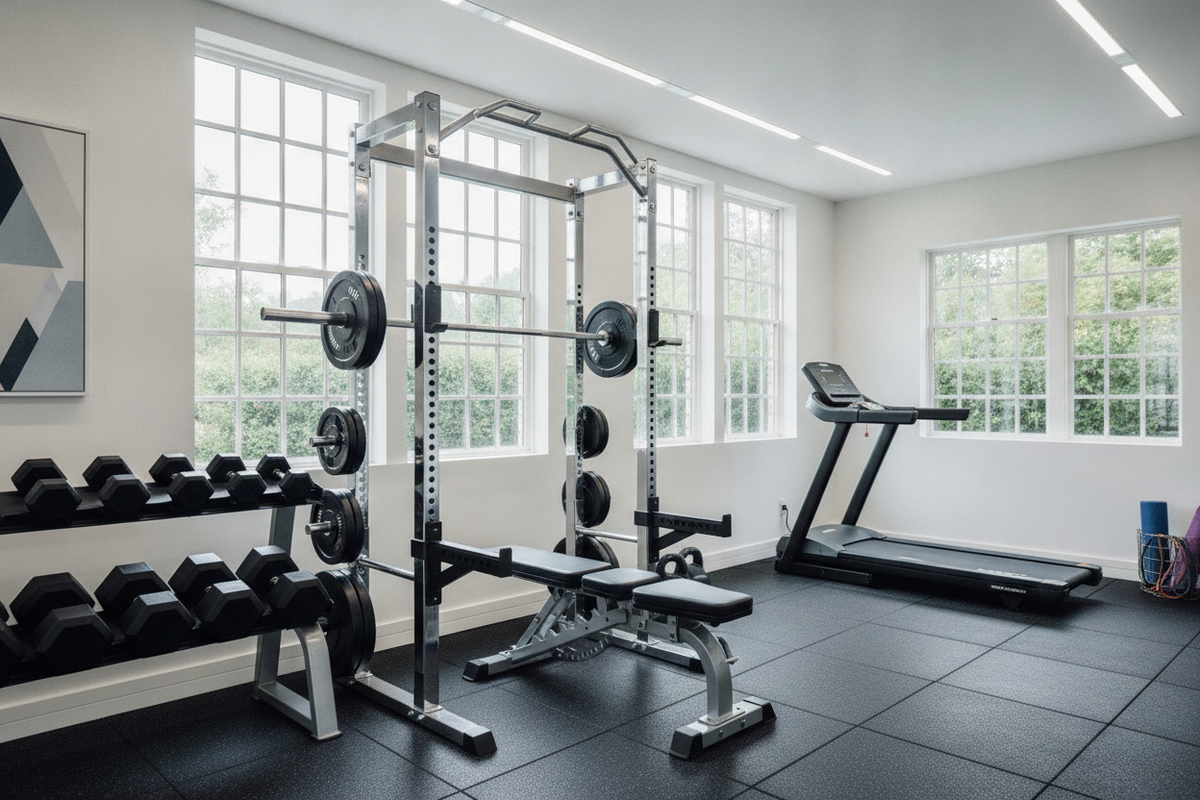
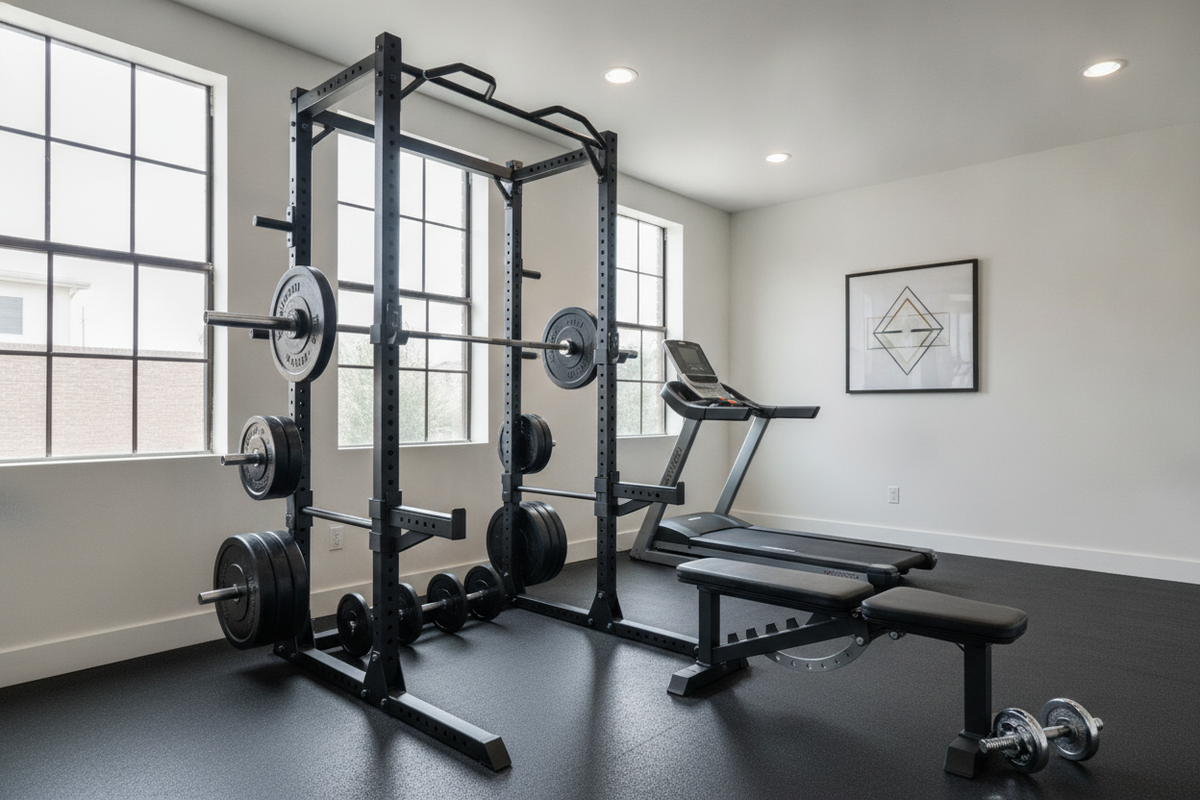
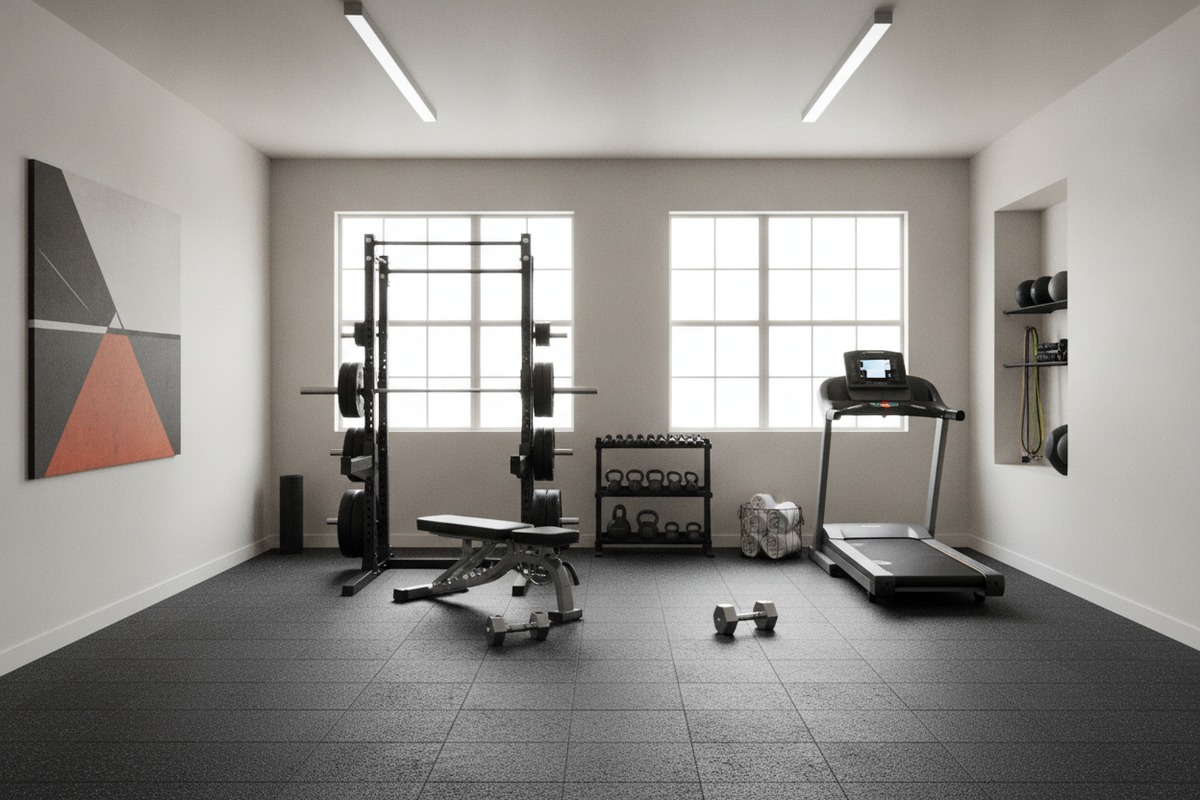
Dietary discipline must be paired with consistent physical loading to stimulate muscle growth. Creating a safe, functional home gym setup gives you the freedom to lift consistently without commute barriers. When you follow a dedicated plan for dieting for weight loss and muscle gain, executing heavy lifts at home demands proper flooring underneath your feet.
Why Is a Stable Gym Mat Important When Lifting for Fat Loss and Muscle Gain?
A stable gym mat creates a slip-resistant foundation that secures your footing during heavy compound lifts while absorbing equipment impacts. When practicing dieting for weight loss and muscle gain, your physical workouts must rely on consistent strength training to preserve muscle. Quality home gym flooring prevents slips during squats, deadlifts, and overhead presses, ensuring every rep is executed from a stable, predictable surface.
Joint Cushioning and Subfloor Protection for Heavy Dumbbell Lifts
Lifting at home introduces distinct challenges regarding equipment drops and joint comfort. Utilizing a large exercise mat provides crucial joint cushioning during lunges, jumps, and floor presses, easing pressure on knees and wrists. Furthermore, installing thick rubber floor protection shields residential tiles, hardwood, and concrete from the sudden shock of heavy dumbbell lifts. Proper subfloor protection eliminates the worry of cracked tiles, allowing you to train with full intensity. Laying down reliable home gym flooring through a durable large exercise mat or interlocking rubber tiles transforms any spare room into a dependable environment for losing weight and gaining muscle.
Sustainable Daily Habits for Weight Loss and Muscle Gain
Succeeding with dieting for weight loss and muscle gain comes down to long-term consistency rather than short-term perfection. Balancing body recomposition requires patience, as shedding fat while defending muscle tissue takes steady weekly execution. Adopting practical lifestyle habits makes your nutritional targets second nature.
- Embrace Batch Cooking: Dedicating time each week to batch cooking lean meats, grains, and roasted vegetables ensures you always have compliant foods for muscle gain and weight loss readily accessible in the refrigerator.
- Track Progressive Overload: When pursuing weight loss and muscle gain, your resistance training should progressively challenge your muscles over time by gradually adding weight, reps, or control.
- Protect Muscle Recovery: Adequate sleep and rest days are when tissue growth occurs. Pair your high protein diet with restorative sleep to optimize lean muscle mass preservation.
- Maintain Daily Hydration: Drinking plenty of water supports metabolic function, aids digestion of high-fiber foods, and prevents workout fatigue.
For additional meal preparation concepts, consult our high protein muscle building article to keep your menu interesting. When you align your dieting for weight loss and muscle gain with disciplined strength training on dependable rubber floor protection, achieving your physical goals becomes an organized, rewarding daily routine.